
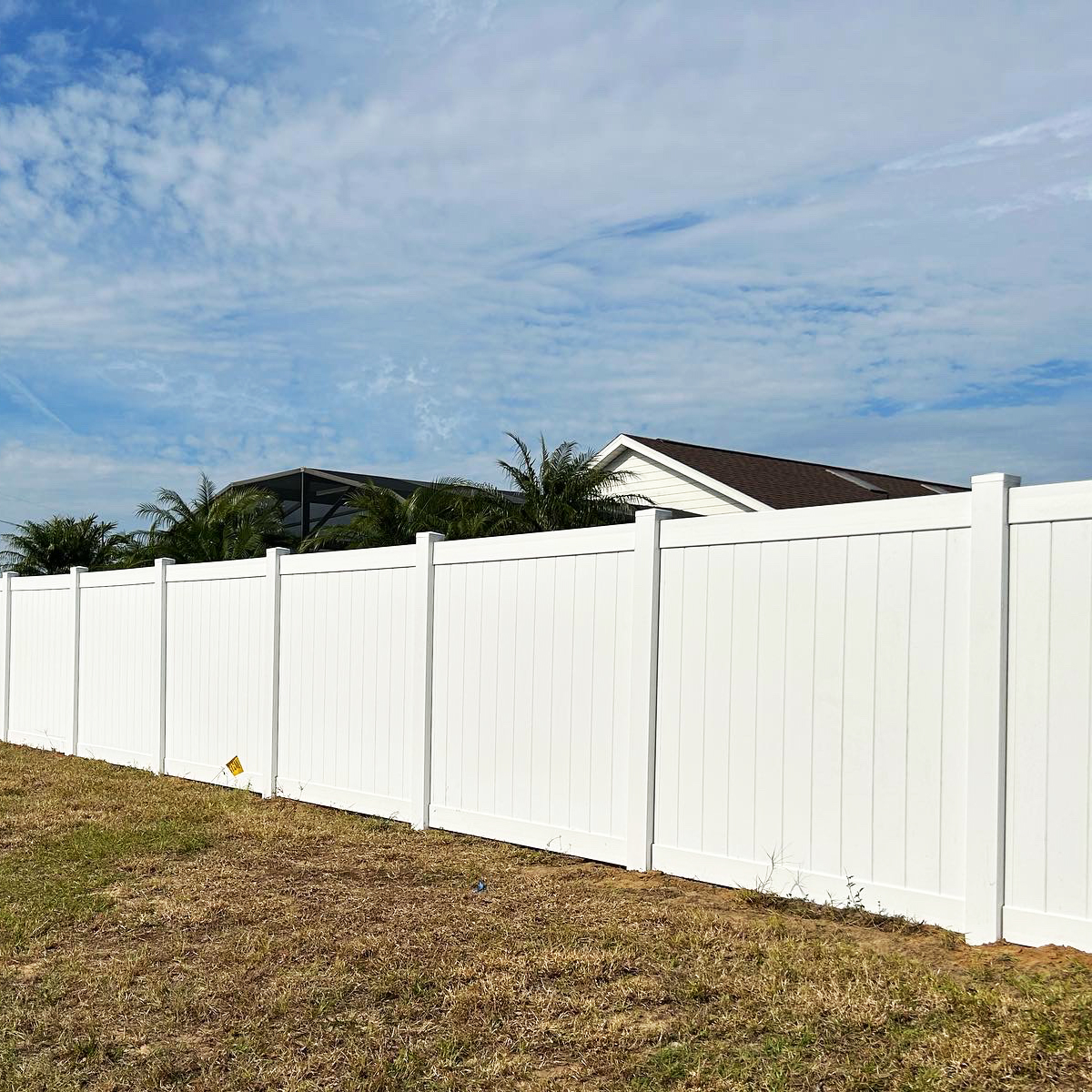

A new fence can add privacy, keep a dog in the yard, or mark a business boundary. Before you build, check the rules for your property. Fence height, gate placement, permits, and HOA approval can all affect your plan.
For Orange County homeowners, the first step is simple: find out which city or county office handles your address. Rules may differ between Orlando, Winter Garden, and unincorporated Orange County. That last term means an area outside city limits.
Start With Your Property Line
An old fence does not prove where your land ends. A past owner may have placed it inside the boundary or in the wrong spot. Do not assume you can build a new fence on the same line.
Review your property survey before choosing the layout. A survey shows lot lines and may show areas reserved for drainage, utilities, or access. If the boundary is unclear, ask a licensed surveyor for help.
This matters near neighboring homes, shared lot lines, and drainage areas. Fixing a boundary issue before work starts is easier than moving a finished fence.
Look for Easements and Street Access
An easement lets a utility company or another party use part of the land for a set purpose. A fence in that area may block needed access. Even if a fence is allowed, it may need to be moved later so work can take place.
The strip near the street may also have limits on what you can build. Keep sidewalks, road views, and utility access clear. The edge of the lawn is not always the edge of the area you may fence.
Check Height and Placement Rules
Many local rules treat front yards differently from side and back yards. Do not assume a six-foot fence is allowed on every part of the lot. Confirm the height limit and how the height will be measured.
Corner lots need extra care. A tall fence near a road or driveway can block a driver’s view. Open aluminum fencing and solid privacy panels may be treated differently. Check the rule that applies to the exact location.
A slope can also change how tall a fence appears. Discuss ground levels and panel placement before work begins. This helps prevent a fence from being too tall on one side.
Find Out Whether You Need a Permit
The need for a fence permit depends on the local office and the project. New fences, repairs, and replacements may have different requirements. Even if a permit is not needed, other rules may still apply.
You may need to submit a survey, site plan, fence height, material choice, and gate details. Ask what is required before setting an installation date. Allow time for review and any changes the office requests.
Ask your contractor which paperwork is included in the job. Primo Fence can explain the planning and permit steps for your project. Keep copies of the approved plans.
HOA Approval Is a Separate Step
A homeowners association, or HOA, may have its own fence rules. A city permit does not replace HOA approval. HOA approval does not replace a required permit either.
Your HOA may limit fence colors, materials, heights, and locations. It may also set rules for gates or require the finished side to face outward. Lots near ponds or shared green space may have added limits.
Read the current rules and ask how to apply. Many groups want a marked survey and details about the fence style. Get written approval before you order materials or schedule work.
Do not rely only on a neighbor’s fence or a verbal answer. A past project may have different terms. If the HOA asks for changes, update the plan before the crew arrives.
Give Pool Barriers Extra Attention
A pool fence is a safety barrier, not just a privacy feature. Its height, gaps, gate swing, latch, and closing hardware need careful review. Tell your installer at the start if the fence is part of a pool enclosure.
A gate must work as intended each time it is used. Large gaps or a latch that does not catch can create a risk. Confirm the rules for your pool and property before choosing a design.
Talk With Neighbors Early
A short conversation can prevent confusion about the work. Show neighbors where the fence will go and explain the planned height and style. Discuss access if the crew needs to work near a shared boundary.
If someone disputes the property line, resolve that issue before building. Also point out irrigation, plants, and other items near the fence. Agree on any shared costs in writing instead of making assumptions.
Make a Clear Plan
Review your survey, check local and HOA rules, and choose a fence that fits them. Then complete the required approvals. Arrange for utility locating before anyone digs.
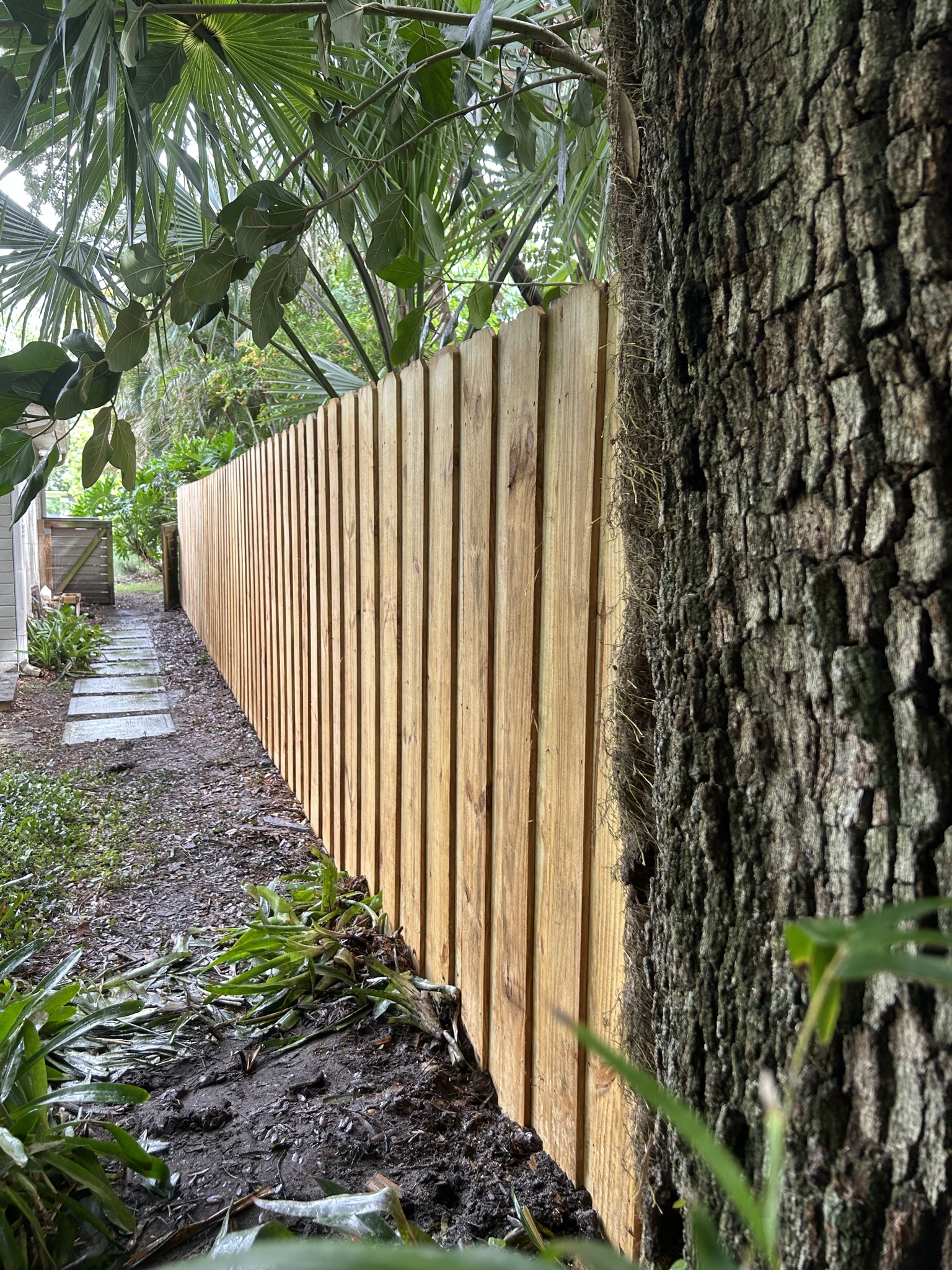
Your choice of fence material should fit your needs and the rules. Vinyl offers privacy with less routine care. Wood gives a natural look and several layouts. Aluminum keeps views open. Ask how each option fits your property and budget.
Plan Your Orange County Fence
Visit our Orange County fence installation page to compare styles and book a free estimate. Bring your survey, HOA rules, and ideas for the fence. We can help you understand the next steps for your address.
Explore Orange County fence installation and pricing, then use the calculator below to plan your project.
Estimate your Orange County fence
Select your fence details and enter a length, or draw your fence line on the map. Your estimate will use Orange County pricing.
Search for your property, choose the line tool, and draw the proposed fence. Double-click to finish each line. The total drawn length fills the calculator automatically.

Click on the map to start drawing your fence line. Double-click to finish each segment of the fence line.
Fence Configuration
Estimate
Drawn length: 0 ft

0 Comments