
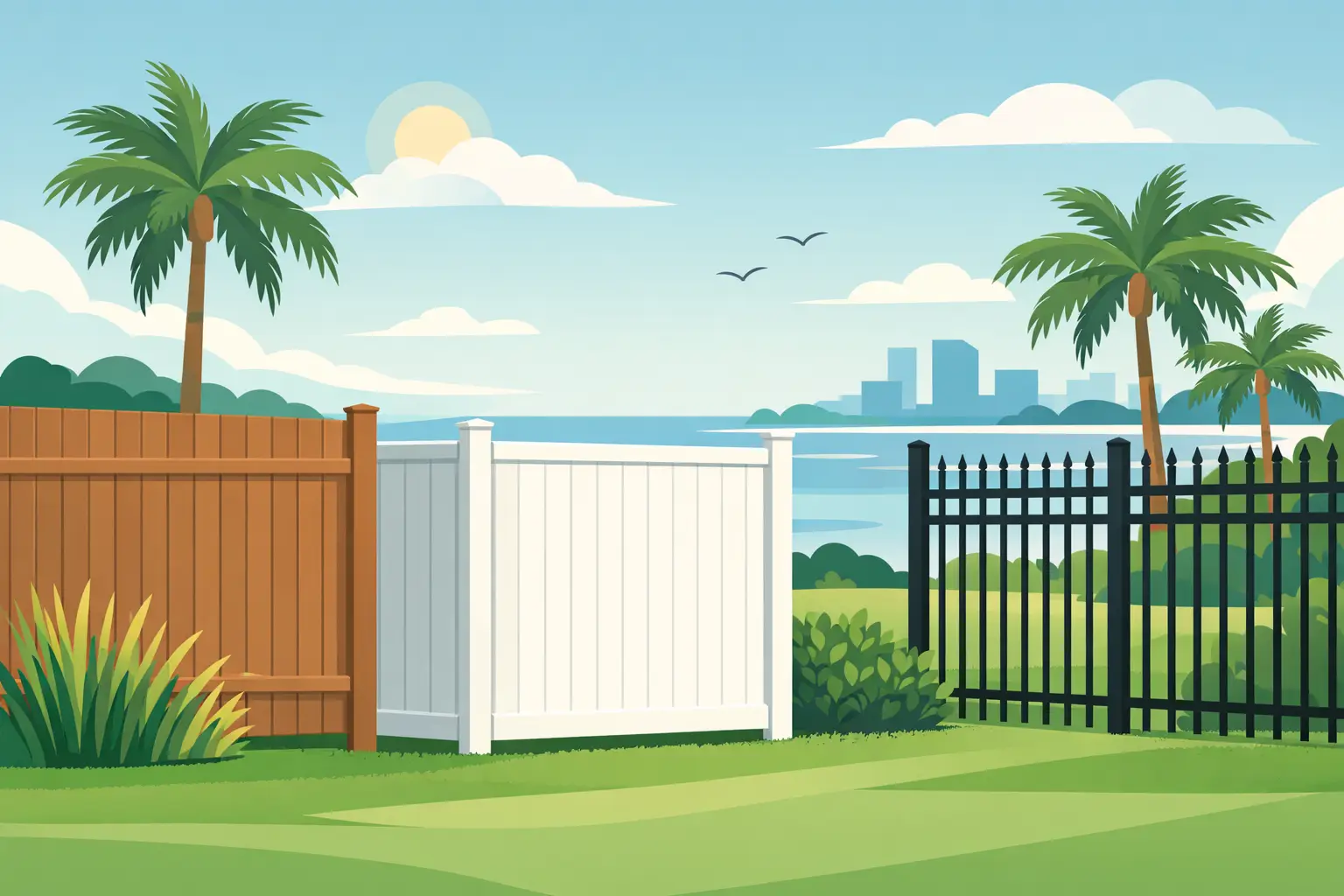
A fence in Central Florida has to do more than mark a property line. It may need to keep a dog safely in the yard, create privacy from close neighbors, complement an HOA community, or secure a commercial site without looking out of place. The right fence materials make that job easier for years. The wrong choice can mean more maintenance, less privacy, or a design that does not meet your community or property needs.
For most Florida homeowners and business owners, the decision comes down to vinyl/PVC, aluminum, or wood. Each material has a clear place. The best fit depends on how you use the property, how much maintenance you want to take on, your budget, and the approval requirements that apply to your project.
How Florida Conditions Affect Fence Materials
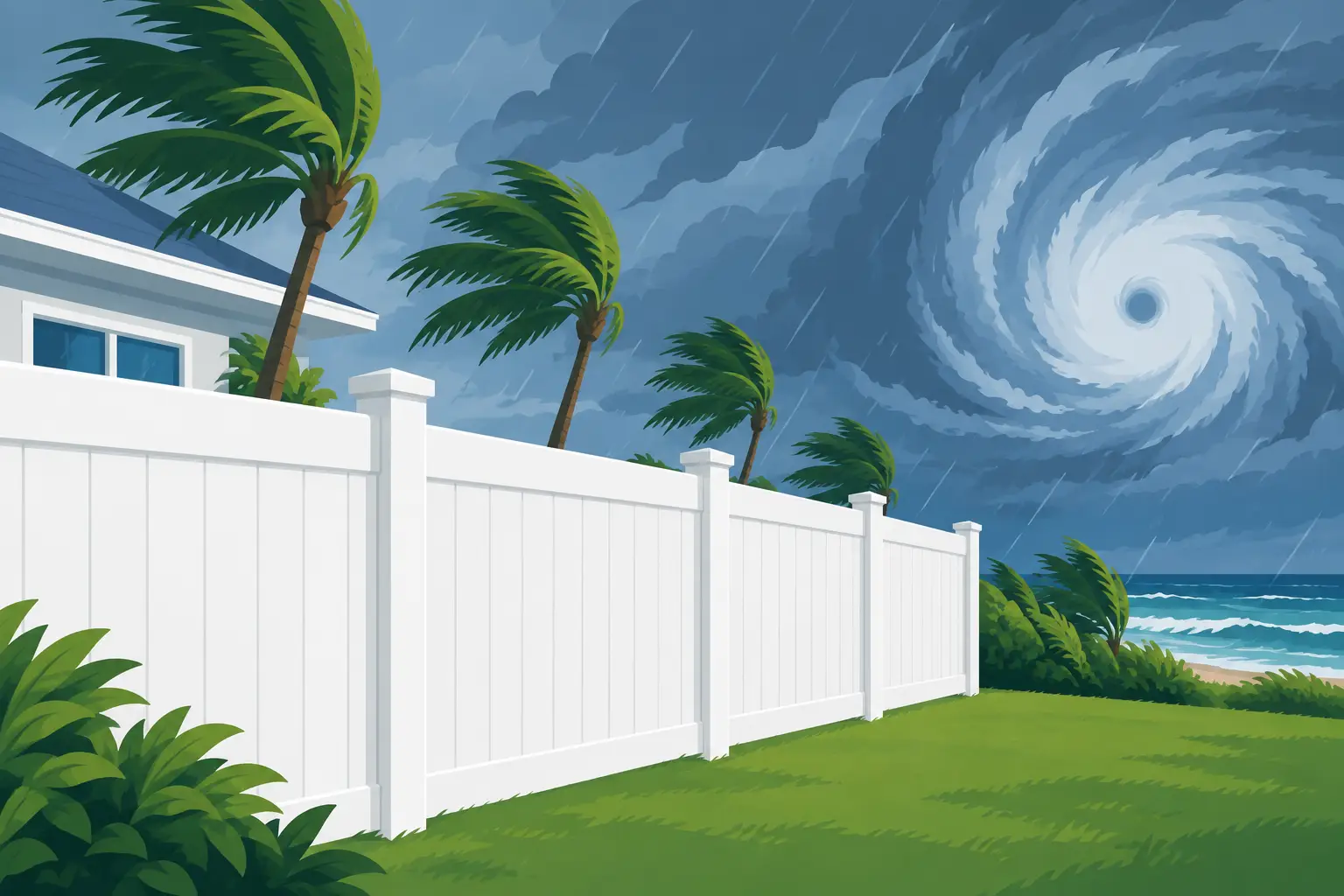
Florida’s heat, heavy rain, humidity, wind, and intense sun put fencing under real pressure. Materials that look similar on a showroom sample can perform very differently after several summers outdoors. Moisture resistance, UV stability, hardware quality, and professional installation all matter.
Local requirements matter, too. HOA guidelines may control fence height, color, style, and where a fence can be placed. City or county permitting rules can affect setbacks, corner visibility, gates, and pool enclosures. A fence should fit the property and meet the applicable rules before installation begins, not after the posts are set.
That is why the material conversation should start with the purpose of the fence. Privacy, security, pool safety, curb appeal, pet containment, and commercial access control call for different solutions.
Vinyl/PVC Fence Materials for Low-Maintenance Privacy
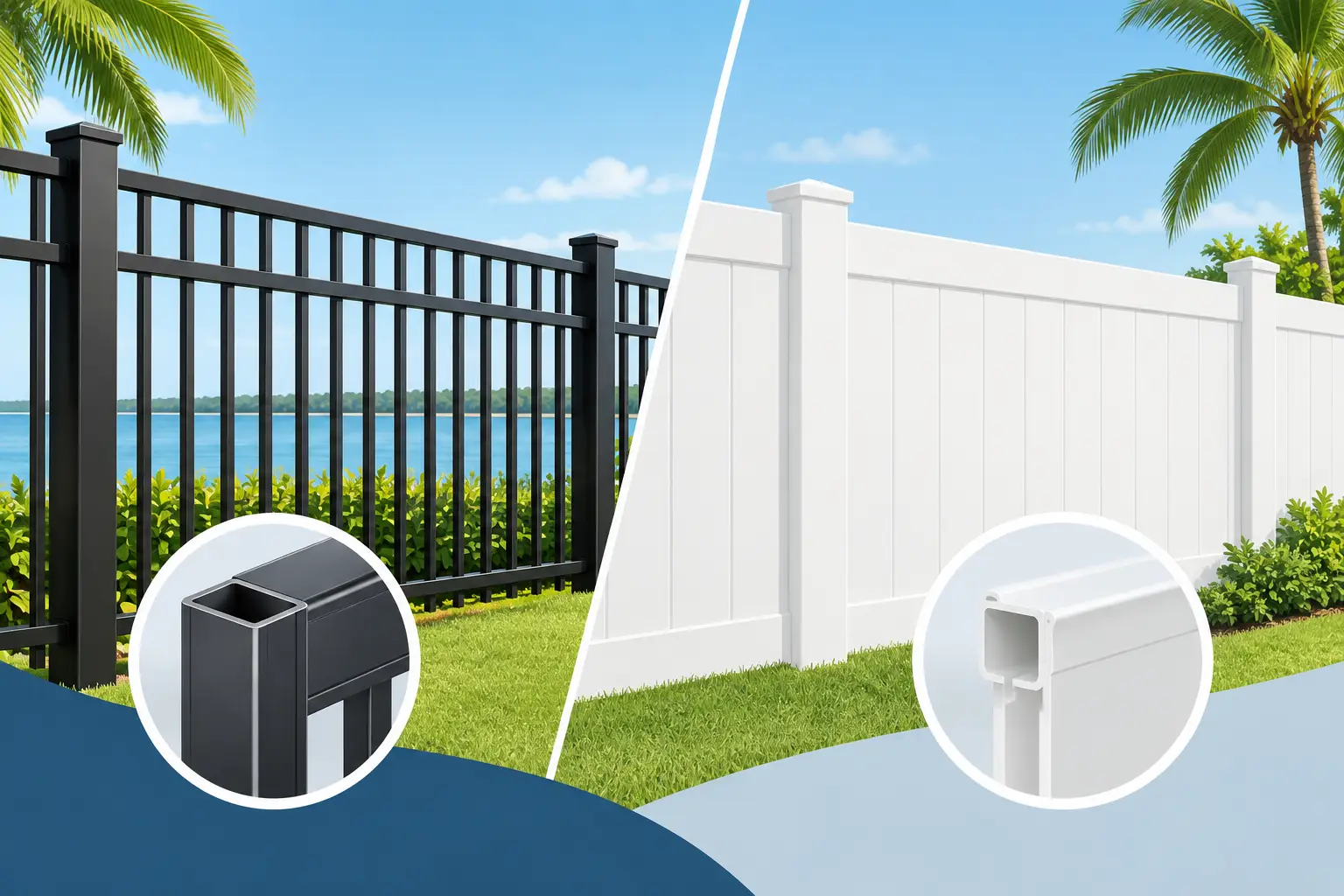
Vinyl/PVC fencing is one of the most practical choices for Florida properties that need privacy with minimal upkeep. Solid vinyl panels create a clean visual barrier, making them popular for backyards, patios, pool areas, and homes with close neighboring lots. Available styles range from full privacy panels to semi-private designs and decorative picket fencing.
The biggest benefit is maintenance. Vinyl does not need painting, staining, or sealing. Routine cleaning with mild soap and water is usually enough to keep it looking fresh. Quality vinyl fencing also resists rot, insects, and moisture damage that can affect natural wood in a humid climate.
There are trade-offs. Vinyl generally has a higher upfront cost than a basic wood fence, and it is not the right look for every home. It can also show dirt or irrigation stains more easily in lighter colors. Choosing a quality product and having it installed with properly set posts is especially important in Florida, where wind and saturated soil can test any fence system.
Vinyl is often a strong option when privacy and a consistent finished appearance are the priorities. It is especially appealing for homeowners who want to spend weekends enjoying the yard instead of maintaining the fence around it.
When Vinyl Makes the Most Sense
Choose vinyl/PVC when you want a durable privacy barrier, a polished neighborhood-friendly appearance, and low ongoing maintenance. It works well for family yards, pet enclosures, new construction communities, and properties where a uniform fence color is required by an HOA.
Aluminum Fencing for Visibility and Security
Aluminum fencing offers a more open look without giving up a defined boundary. Its vertical pickets provide security while preserving sightlines, which makes it a common choice around pools, front yards, entrances, waterfront views, and commercial properties.
For Florida conditions, aluminum has an important advantage: it does not rust like traditional iron fencing. Quality powder-coated aluminum is designed to stand up to rain and humidity while maintaining a clean, upscale look. It can also follow sloped terrain more naturally than rigid fence panels, helping create a finished result that looks intentional rather than stepped or uneven.
Aluminum does not provide privacy on its own. If blocking views from neighbors or a busy street is the main goal, vinyl or wood is usually the better fit. Aluminum is also less suited to containing very small pets unless the spacing and gate details are selected carefully.
For pool areas, fence design is about more than appearance. Height, gate operation, latch placement, and local code requirements can all affect the final plan. A professional review before work starts helps avoid a costly correction later.
When Aluminum Makes the Most Sense
Aluminum is a smart choice when you value visibility, a refined appearance, and dependable perimeter security. Homeowners often choose it for pool enclosures and front-facing boundaries, while businesses and property managers use it to define access areas without making the site feel closed in.
Wood Fencing for Natural Style and Flexibility
Wood remains a familiar choice because it offers warmth, privacy, and design flexibility. A wood privacy fence can be built in styles that suit traditional homes, established neighborhoods, and yards where a natural look matters. It can also be customized more easily than many prefabricated systems.
The trade-off is maintenance. Florida sun and rain can cause wood to fade, warp, crack, or absorb moisture over time. Sealing or staining helps protect the material and can extend its service life, but it adds a recurring responsibility. Wood fencing may also require occasional board or hardware repairs as it ages.
That does not make wood a poor choice. It simply makes it a choice for property owners who understand the upkeep involved and prefer the look enough to maintain it. A well-built wood fence can provide excellent privacy and character, particularly when it is installed with sound construction methods and quality materials.
When Wood Makes the Most Sense
Wood is often the right fit when natural appearance, customization, and initial budget are key considerations. It works well for backyard privacy, replacement projects in older neighborhoods, and properties where an HOA permits or prefers a traditional fence style.
Comparing Fence Materials by What Matters Most
The best material is rarely the one with the longest list of features. It is the one that solves the actual problem on your property.
If privacy is the priority, vinyl and wood are the leading options. Vinyl offers the lower-maintenance path, while wood offers a more natural look and more design flexibility. If an open view is important, aluminum gives you a secure boundary without visually closing off the property.
If maintenance is your deciding factor, vinyl and aluminum usually require less hands-on care than wood. For long-term appearance, both can perform well in Florida when quality materials and proper installation are part of the plan. Wood can still be a worthwhile investment, but it needs periodic attention to stay at its best.
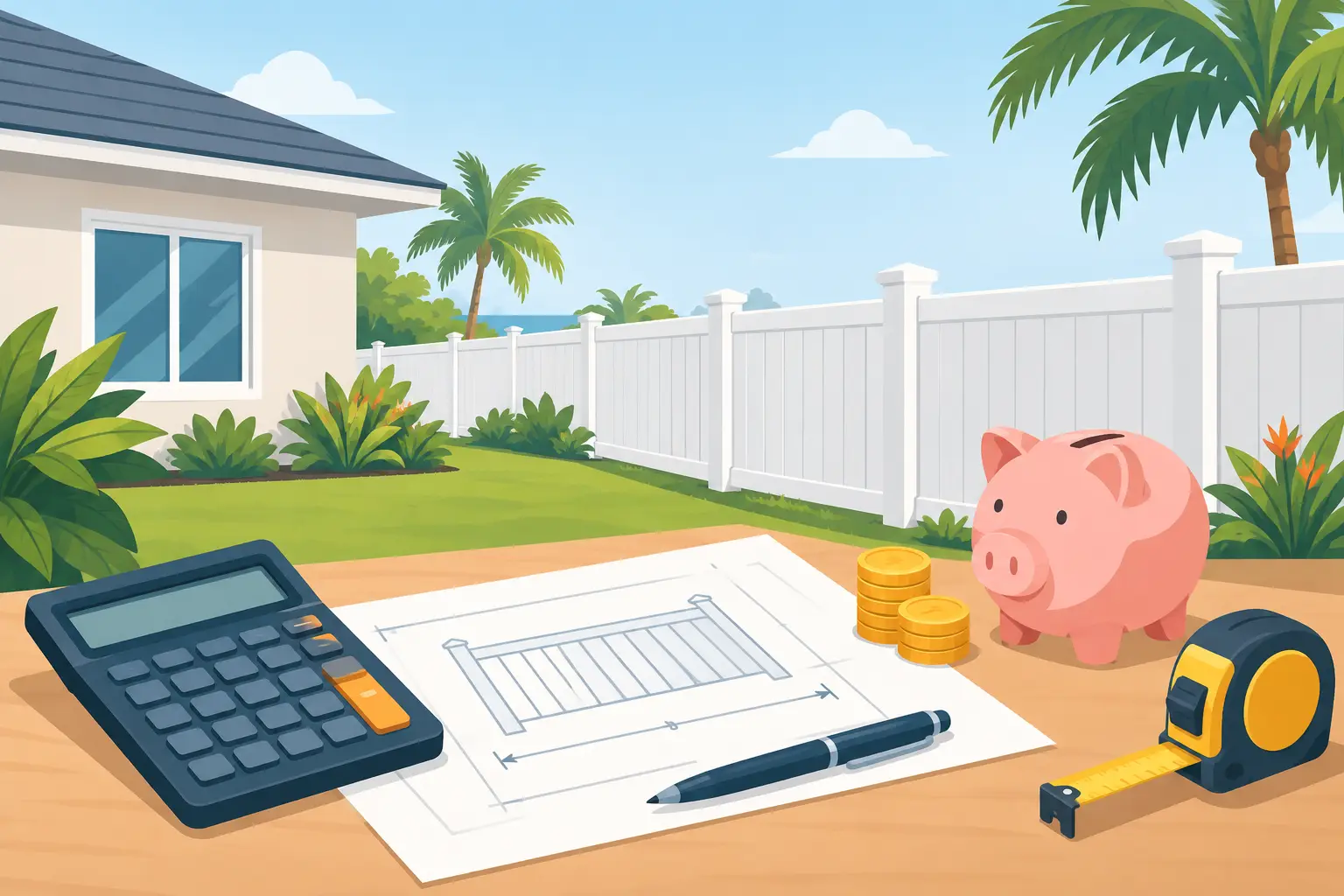
For budget, the answer depends on fence height, layout, gates, terrain, demolition needs, and the selected style. A lower initial price does not always mean lower lifetime cost. A wood fence may cost less at installation but need more maintenance over time. Vinyl or aluminum may require a larger initial investment while reducing ongoing upkeep. A clear estimate should explain the material, scope of work, gate details, and expected timeline so you can compare options fairly.
For commercial properties, aluminum is often selected for visible security and professional curb appeal. Vinyl can work well where privacy is needed around equipment, dumpsters, or service areas. Wood may fit certain budget-driven projects, though property managers should weigh maintenance needs against the savings.
Do Not Choose a Fence Material Before Checking the Details
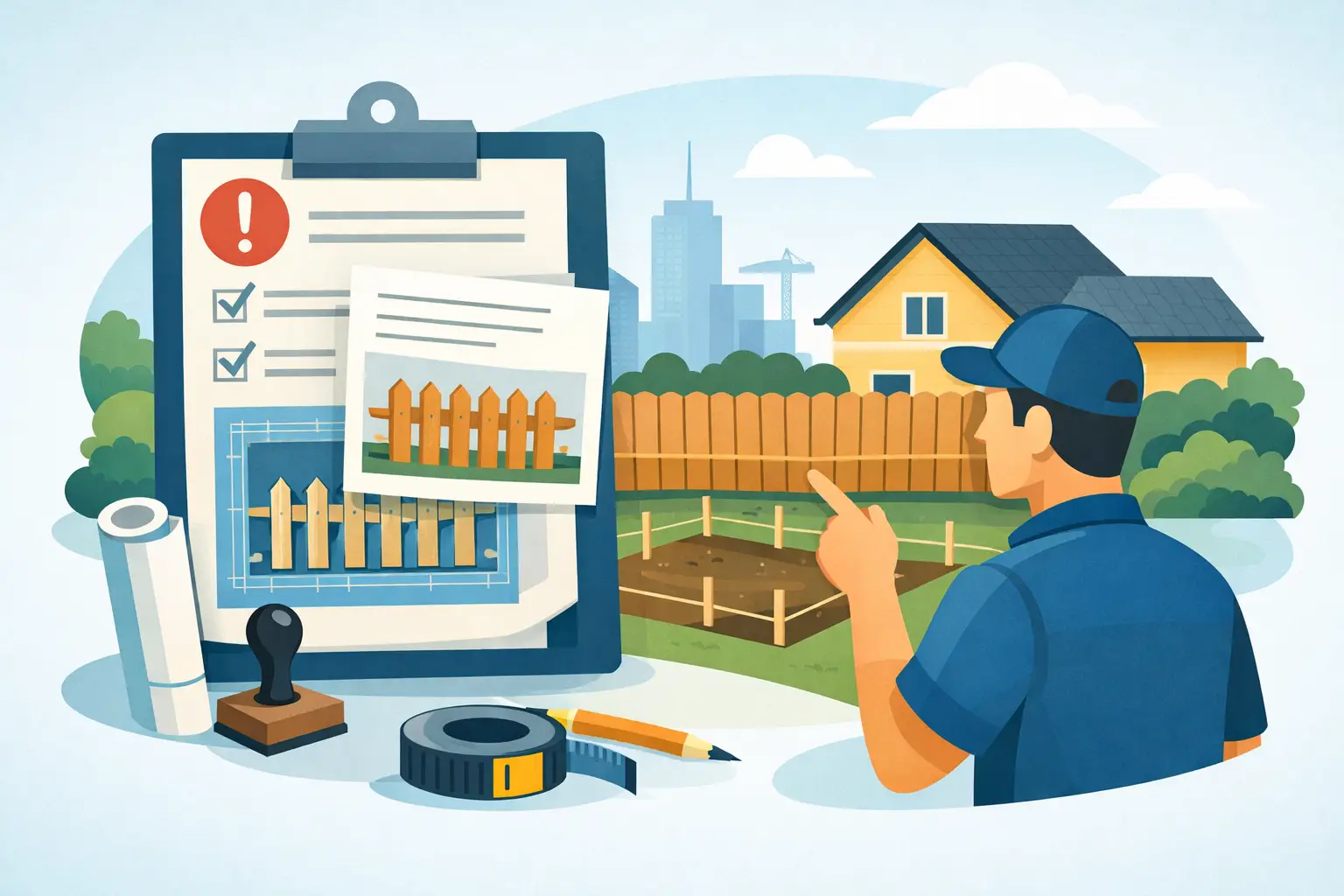
A fence can look straightforward from the street, but the project details affect both cost and performance. Property lines should be understood before construction. Existing fences, trees, utility locations, drainage, slopes, gates, and access for the installation crew can all shape the recommended design.
HOA approval and permitting can add another layer. Many homeowners underestimate how much time these steps can take, particularly when communities require drawings, material specifications, surveys, or color selections. Starting the process early keeps a fence project from stalling after the material has already been chosen.
It also helps to think about how the yard will function a year from now. Will a new pool, shed, driveway extension, or landscaping project change where you need gates? Will a growing dog need a more secure enclosure? A little planning now can prevent the need to alter a new fence later.
Get a Recommendation Built Around Your Property
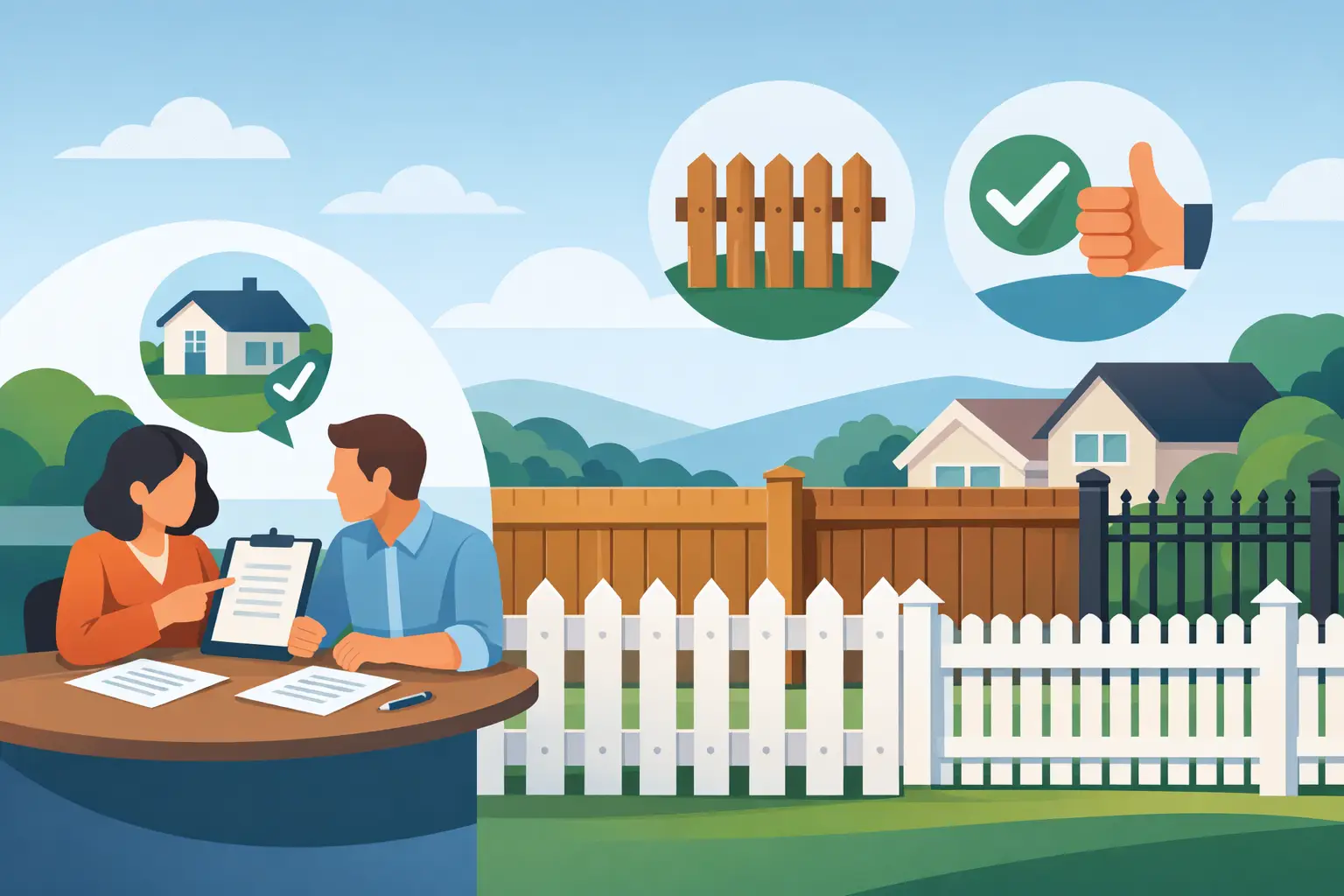
There is no universal winner among fence materials. Vinyl/PVC is often the low-maintenance privacy choice. Aluminum is the clear choice for open visibility and elegant security. Wood brings natural character and flexible design, with maintenance as part of the equation.
A good fence project turns those options into a practical plan: the right material, height, gate placement, layout, approvals, and installation schedule for your property. Primo Fence helps Central Florida homeowners, businesses, and property managers move from a free estimate to a completed fence with clear communication and support for the paperwork along the way.
The most useful next step is simple: stand in the part of the property you want to improve and decide what the fence needs to do first. Once that answer is clear, the right material becomes much easier to choose.


0 Comments