


A fence can help protect your yard, pets, and business. But a tall fence is not enough on its own. Weak posts, large gaps, or a loose gate can leave easy ways in. The best security fences fit the property and the problem you need to solve.
For Seminole County homes and businesses, start with your main goal. Do you need privacy, a safer place for a dog, or a clear boundary around equipment? Then think about gates, upkeep, local rules, and your budget.
What Makes a Fence Secure?
A secure fence makes unwanted access harder. It also gives you a clear way to control who comes in and out. Strong posts and gates matter as much as the panels between them.
Choose a gate with sturdy hinges and a latch that works each time you close it. Plan how you will lock it when needed. A self-closing gate may help in some areas. Pool gates must meet the rules that apply to your property.
Privacy can help keep a yard or storage area out of sight. Yet a solid fence is not always the best choice. Open fencing lets you see people near a front yard, parking lot, or business entrance. Pick a style that supports how you use the space.
Compare Security Fence Materials
Aluminum: Open Views and Low Upkeep
Aluminum fencing marks a boundary without blocking the view. It can work well near pools, along side yards, and around business properties. Aluminum does not rust like iron, but its finish and hardware still need care.
Panel height, picket spacing, and gate design affect how well the fence limits access. Ask about these details before choosing a style. Aluminum does not provide the same privacy as solid wood or vinyl panels.
If the fence will surround a pool, tell your installer at the start. Gate swing, latch placement, gaps, and self-closing hardware all need review. A fence that looks safe may still fail to meet pool barrier rules.
Vinyl: Privacy With Less Routine Work
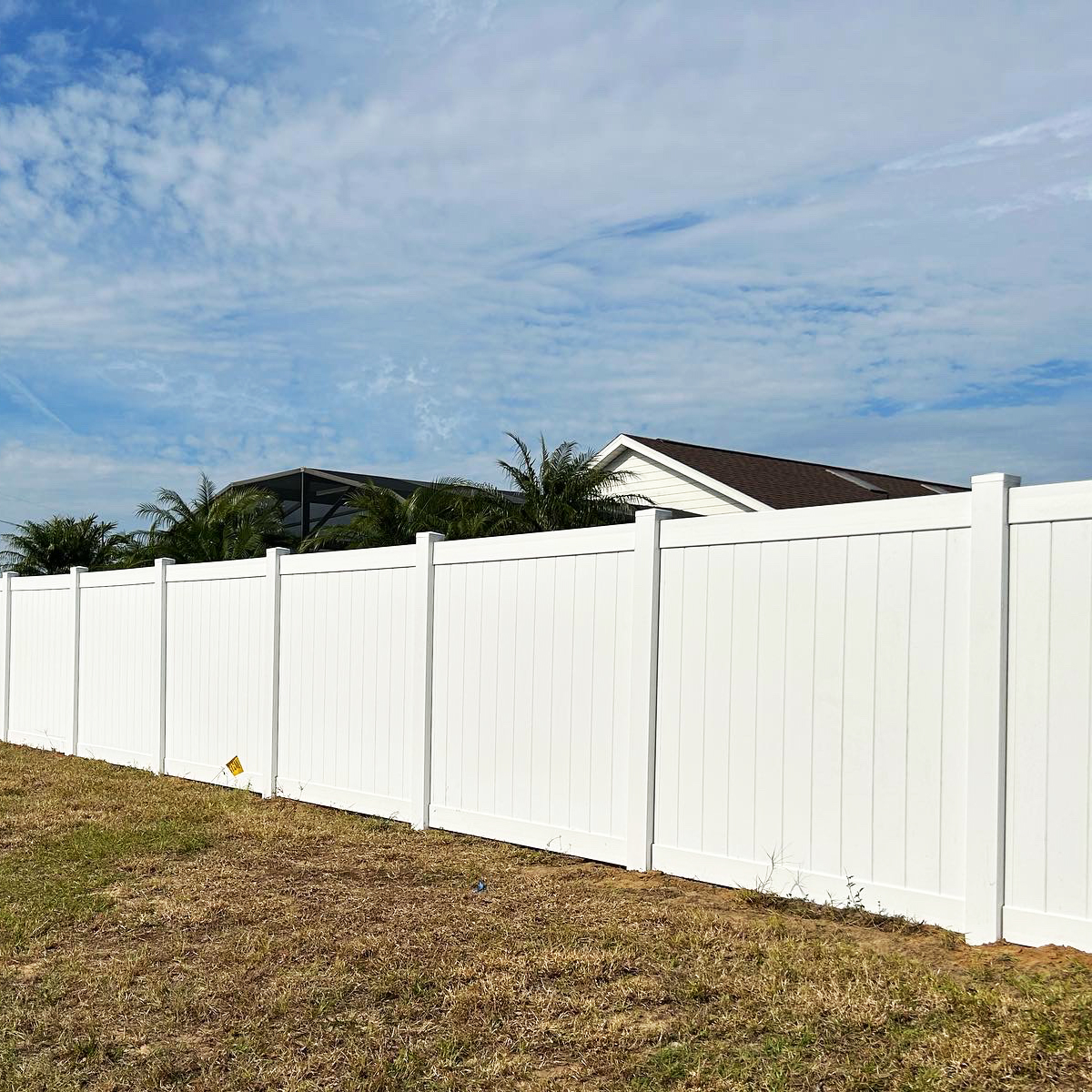
Vinyl/PVC fencing blocks views into a backyard, patio, or play area. It does not need regular painting or staining. You should still clean it and check for loose parts or damage.
Solid panels catch more wind than open picket designs. Proper posts, supports, and placement are key. Ask your installer which product and setup fit the site. No fence should be treated as storm-proof.
Vinyl is common in communities with a homeowners association, or HOA. Check the HOA’s rules for color, height, and style before you order materials. Get any needed approval in writing.
Wood: Flexible Styles and Natural Privacy
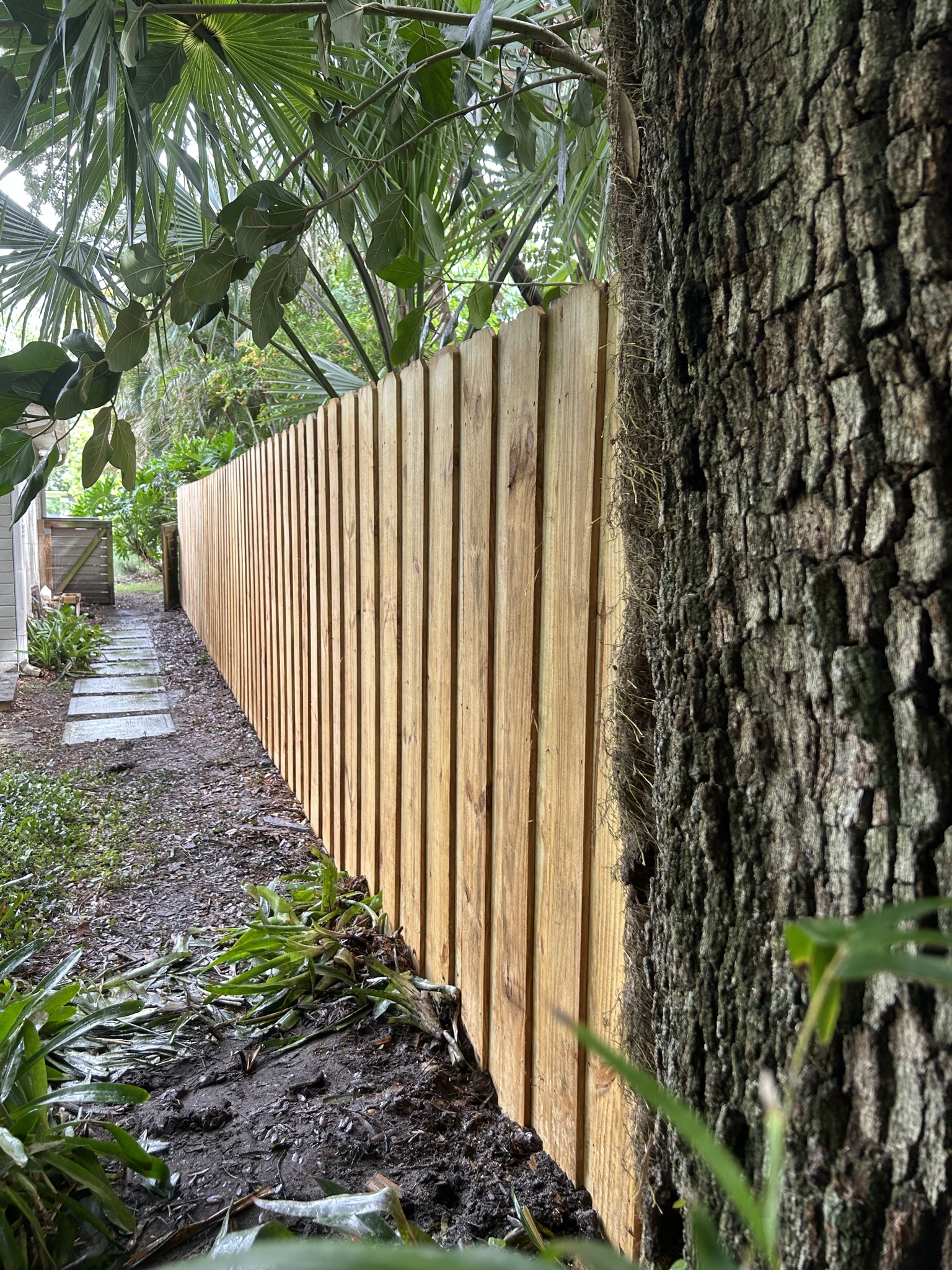
Wood offers a classic look and several privacy options. Board-on-board fences use overlapping boards to limit gaps as the wood dries and shifts. Other layouts may let more air and light through.
Wood can suit slopes and unusual lot shapes. Well-built posts and gates help keep it strong. The trade-off is care: rain, sun, moisture, and insects can damage wood over time. Check it often and discuss staining or sealing with your installer.
Compare both the starting price and the cost of upkeep. A lower quote may not be the best value if the fence needs more care than you want to provide.
Plan Height, Gates, and Layout Together
The easiest place to get past a fence is often the gate. Plan each opening before work begins. Walk gates should be easy for you to use and secure when closed. Wider gates may be needed for vehicles, lawn equipment, or deliveries.
A taller fence can add privacy and make entry harder. Local rules and HOA limits may restrict height, especially near streets and corners. Choose a height that fits both the rules and your needs.
Keep bins, furniture, and other possible climbing aids away from the fence where you can. Trees, sheds, and air-conditioning units can also affect the layout. Leave enough room for care and repair work.
Check Site Conditions and Approvals
Florida heat, heavy rain, and storms can wear on any fence. A site visit helps the installer check soil, slopes, drainage, and access. These details affect where posts go and how gates will work.
Use a property survey to check the boundary. An old fence or row of shrubs is not proof of the property line. Review any areas that utilities or others have a right to access. These are called easements.
Ask who will handle HOA paperwork and permit coordination. Permit needs depend on your address and the work planned. Confirm approvals before setting the work schedule.
Match the Fence to Your Property
For a home, the main needs may be pets, privacy, and a safer yard. For a business, you may need to guide visitors, protect equipment, or limit access to a service area. The same fence design will not suit every site.
A clear quote should list the material, height, gates, removal work, and other costs. Ask for a realistic timeline and a written scope of work. These details help you compare options and avoid surprises.
Plan Your Seminole County Fence
Explore fence installation in Seminole County to compare styles and book a free on-site estimate. Bring your survey, any HOA rules, and a list of the areas you want to secure. Primo Fence can help turn those needs into a clear plan.
Explore Seminole County fence installation and pricing, then use the calculator below to plan your project.
Estimate your Seminole County fence
Select your fence details and enter a length, or draw your fence line on the map. Your estimate will use Seminole County pricing.
Search for your property, choose the line tool, and draw the proposed fence. Double-click to finish each line. The total drawn length fills the calculator automatically.

Click on the map to start drawing your fence line. Double-click to finish each segment of the fence line.
Fence Configuration
Estimate
Drawn length: 0 ft
0 Comments