
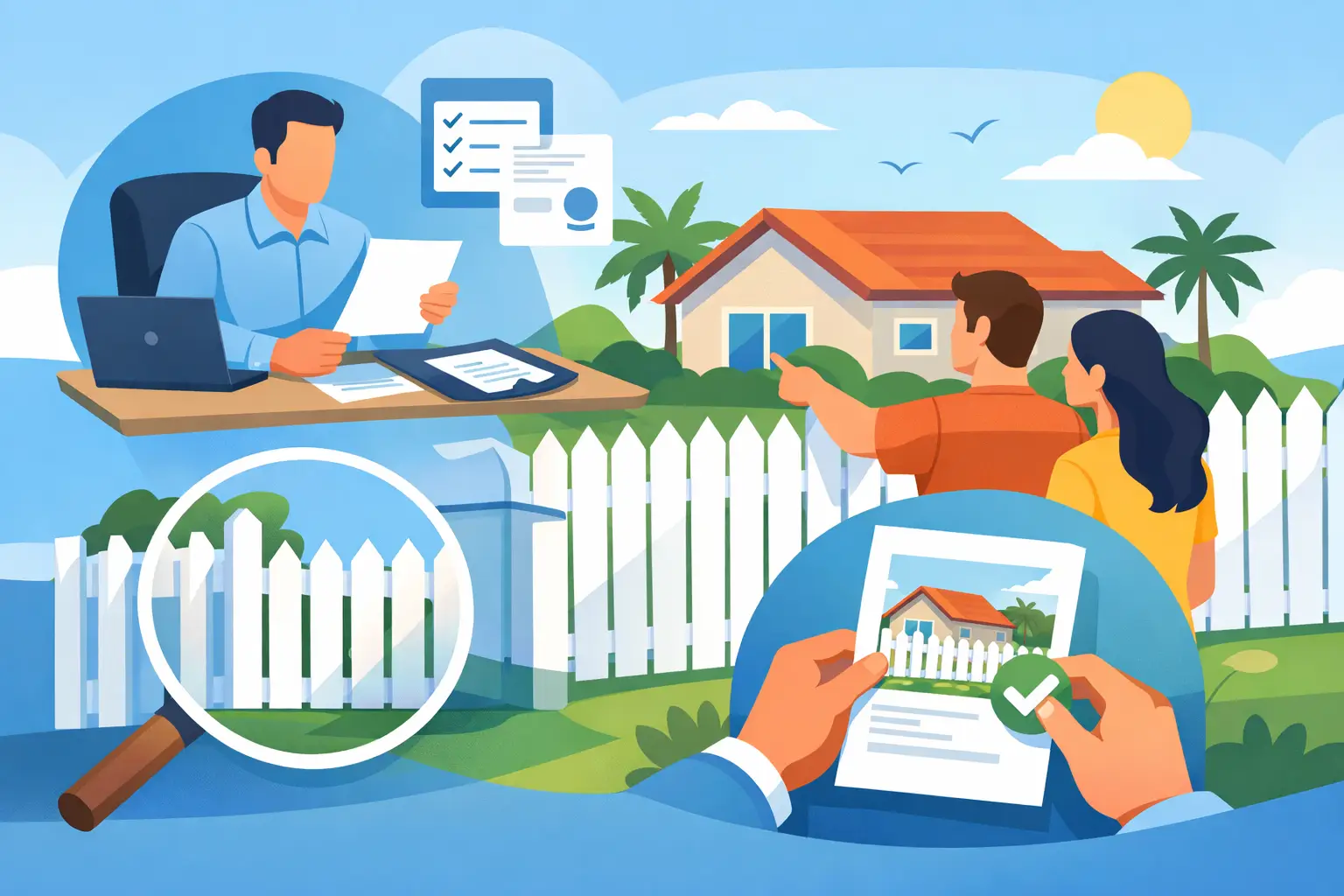
A new fence can mean a safer yard for children, a secure space for pets, more privacy from nearby homes, or a cleaner property boundary. But in many Florida communities, HOA fence approval needs to happen before materials are ordered or installation is scheduled. Missing that step can turn an exciting home project into a costly delay.
The good news is that most approval issues are avoidable. Homeowners who understand what their association needs, choose a fence that fits community standards, and submit a complete application are far more likely to move forward without back-and-forth emails or last-minute changes.
Why HOA Fence Approval Comes Before Installation
An HOA usually has architectural standards designed to maintain a consistent neighborhood appearance. Those rules can cover fence height, material, color, placement, gate location, and which sides of the property may be enclosed. Some communities allow a six-foot vinyl privacy fence in the backyard but require aluminum fencing along ponds, streets, golf courses, or common areas. Others limit wood fence styles or prohibit certain colors.
These standards are separate from what you may personally prefer and separate from local permitting requirements. A fence can meet city or county code and still be rejected by the association. It can also receive HOA approval but still require a permit or utility review before work begins.
That distinction matters. Treat HOA review, permitting, and installation planning as connected steps in one project, not tasks to handle after a contractor arrives. Starting early gives you time to make a smart material choice without rushing into a design that does not fit the rules.
Start With Your Community’s Fence Rules
Before selecting a fence style, find your association’s governing documents and architectural review guidelines. They may be in a homeowner portal, closing documents, or available through the property manager. Look for the section covering exterior modifications, lot improvements, or fencing.
Pay close attention to whether the rules change based on location. A backyard that backs up to another home may have different requirements than a corner lot, a home beside a retention pond, or a property facing a public road. In Central Florida, these distinctions are common because communities often want consistent views along roads, water features, and shared green spaces.
Do not rely only on a neighbor’s fence as proof that yours will be approved. Rules can change, older fences may have been grandfathered in, and a neighbor’s lot may be subject to different conditions. Your application should be based on the current standards for your specific property.
If the language is unclear, ask the association or management company for written clarification. A short question about allowable height, approved materials, or setback requirements can save weeks of redesign later.
What an HOA Fence Application Usually Needs
Every association uses its own form and process, but incomplete applications are one of the most common reasons approvals stall. A thorough package makes it easier for the architectural review board to confirm that the project follows community standards.
Most applications need these materials:
- A completed architectural review form signed by the homeowner.
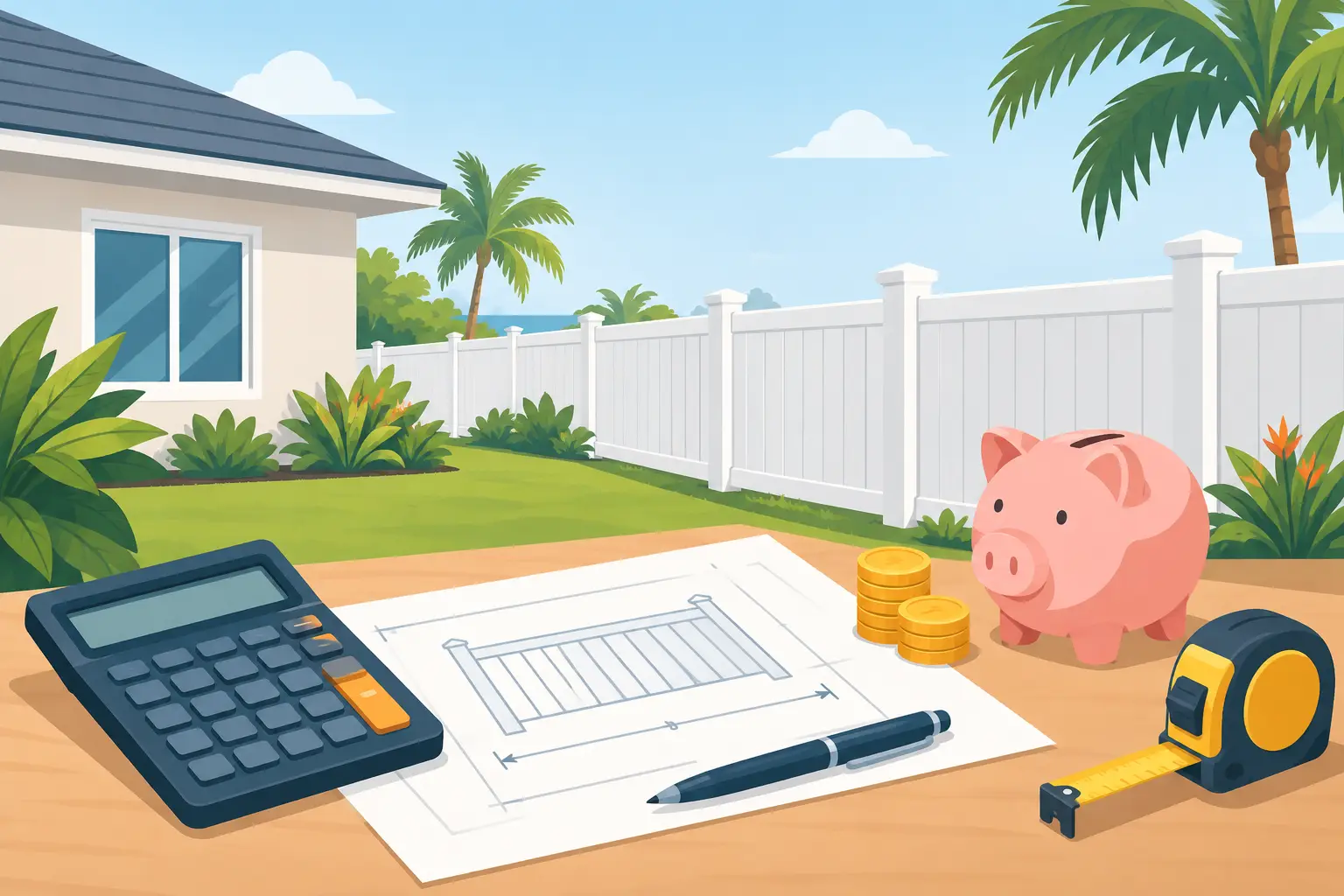
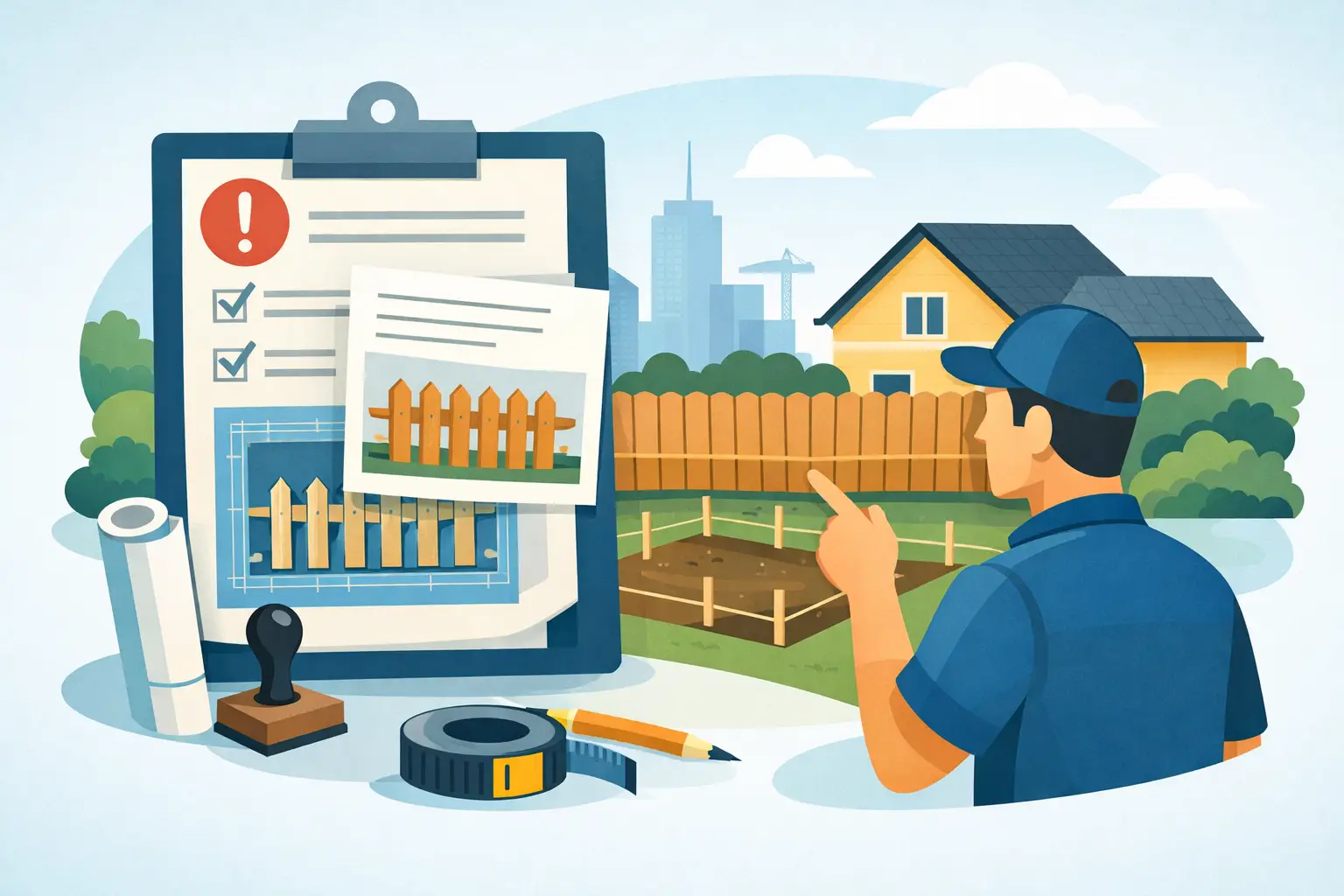
- A current site plan or survey showing property lines, the proposed fence route, gates, and dimensions.
- A drawing, brochure, or product specification showing the fence material, style, height, and color.
- A contractor estimate or scope of work that clearly describes the proposed installation.
- Photos of the yard or relevant property boundaries when requested by the association.
A survey is especially valuable when the fence will run close to a side yard, rear boundary, easement, drainage area, utility equipment, or conservation space. It helps prevent accidental encroachment and gives the board a clear view of the proposed layout.
Make sure every document tells the same story. If the application says six-foot white vinyl, the drawing and contractor proposal should say the same thing. Conflicting details can create a delay even when the fence itself would otherwise be acceptable.
Choose Materials With the Rules in Mind
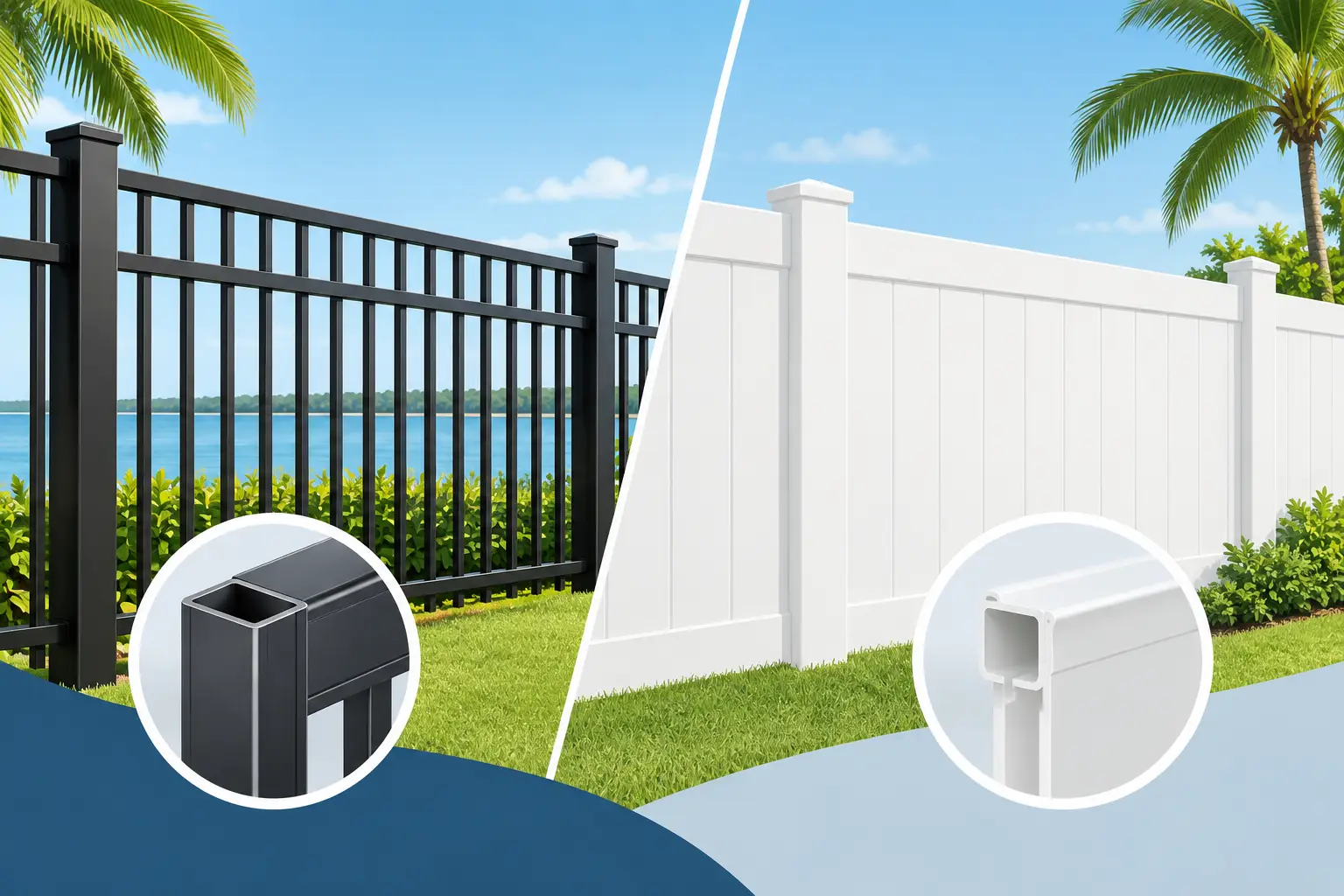
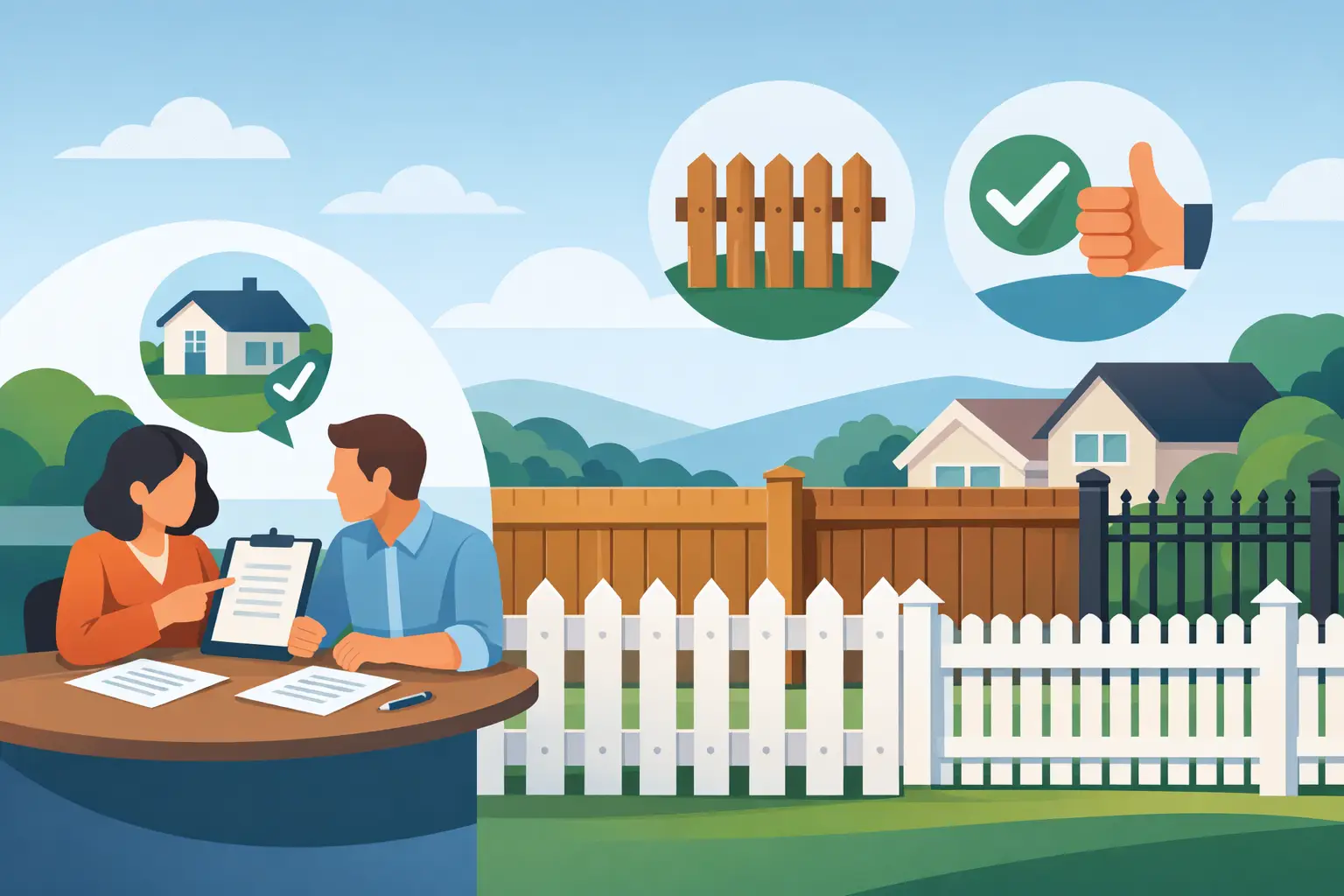
Material selection is often where approval and long-term satisfaction meet. Vinyl/PVC fencing is a popular choice for privacy and low maintenance, but the HOA may limit colors or styles. Aluminum fencing can provide a clean, open look that works well near water, pool areas, and shared views. Wood fencing offers a traditional appearance and can be budget-friendly, though some associations regulate its style, finish, or visibility from the street.
The best option depends on your goals and your lot. A family seeking backyard privacy may prefer vinyl or wood. A homeowner with a pond view, a sloped yard, or a pool enclosure need may find aluminum more appropriate. The right answer is the one that meets the community rules while delivering the security, privacy, and curb appeal you expect.
Avoid the Most Common Approval Delays
The biggest mistake is starting work before written approval is issued. A verbal conversation with a board member, a quick email from a neighbor, or the assumption that an application will be approved is not enough. Wait for the official decision, including any conditions attached to it.
Another common issue is submitting a fence line that crosses an easement or extends beyond the actual property boundary. Utility easements, drainage areas, and access zones can affect where a fence may be installed, even if the area looks like part of your yard. A professional site review and current survey help identify these concerns before the application goes in.
Timing can also be a factor. Some architectural review boards meet only once or twice a month, while others have a set review period after receiving a complete submission. Submit early if you want the fence installed before summer gatherings, a new pet arrives, or hurricane season brings a need for clearer property boundaries and secure gates.
Finally, do not overlook fence orientation. Many HOAs require the finished or “good” side of a wood fence to face outward toward neighboring lots, roads, or common areas. Gate swing direction, post placement, and visibility from the street may also be reviewed. Small construction details are easier to address before installation than after it.
HOA Approval and Permits Are Different Steps
Florida homeowners sometimes assume HOA approval replaces a local permit. It does not. Depending on your city, county, fence height, location, and project scope, a permit may be required. Local rules may also govern setbacks, sight visibility near driveways or intersections, pool barriers, and fence placement around waterways.
Your contractor should help clarify the path forward, but homeowners should understand that association approval does not give permission to build outside local regulations. Likewise, a permit does not override HOA restrictions. Both requirements need to be satisfied.
This is where an organized contractor can make a meaningful difference. Primo Fence helps homeowners coordinate the details that commonly slow down a fence project, including clear project documentation, HOA approval support, and permit handling when required. The goal is simple: fewer unanswered questions and a timeline you can understand.
A Better Way to Plan Your Fence Project
Start with a free estimate before you submit your application. An on-site conversation allows the contractor to review the layout, discuss material options, identify possible access concerns, and create a proposal that matches what you plan to present to the HOA. It is much easier to submit accurate drawings and specifications when the fence design has already been thought through.
Once you have selected the material, height, color, and layout, gather the documents requested by your association and submit the full package at one time. Keep a copy of the application, approval notice, and any conditions in your records. If the board requests a revision, respond with the updated document instead of moving ahead based on the original plan.
After approval, confirm the installation schedule, property access, gate locations, and any utility marking requirements. A clear agreement should outline the work, pricing, materials, and expected timeline so there are no surprises when installation day arrives.
A fence should make your home feel more comfortable, not create an administrative project you have to manage alone. Begin with the rules, use a complete application, and choose a contractor who treats the paperwork with the same care as the finished fence. That is how you get from an open yard to a finished boundary with confidence.


0 Comments