

A fence can give your dog room to play, add privacy, or mark the edge of a business property. A good plan helps you reach that goal without surprise costs or delays. Before materials arrive, decide what you need and check what your property allows.
For Lake County homeowners, planning starts with the lot line, local rules, and any HOA requirements. Next, choose a fence style and plan the gates. A clear quote and work schedule will help you know what comes next.
Decide What the Fence Should Do
Start with your main goal. Do you want privacy, pet containment, a pool barrier, or a more defined front yard? Different goals call for different styles.
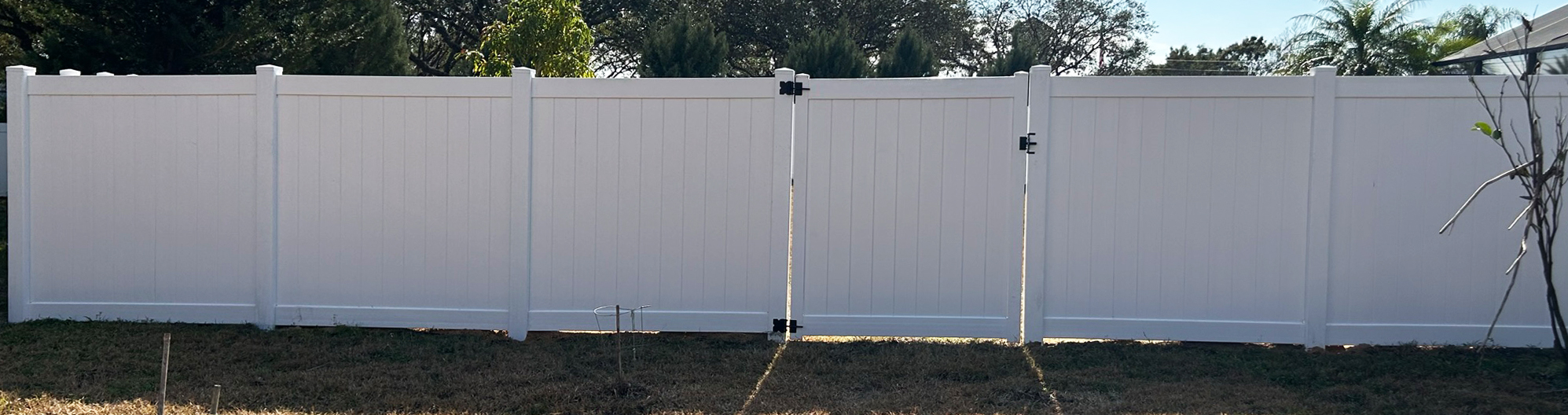
A solid vinyl fence can block views into a backyard. An open aluminum fence can keep a view of a pond or garden. For a business, the goal may be to protect equipment or guide people to the right entrance.
Think about daily use as well. Children, pets, lawn crews, and delivery drivers may need different points of access. Plan gates where you will use them, not just where they are easiest to install.
Check the Property Line
Use a property survey to confirm the boundary. A neighbor’s fence, hedge, or edge of grass may not follow the true lot line. Check your closing papers for a survey. If the line is unclear, ask a surveyor for help.
Review any easements shown on the survey. These are areas where a utility company or another party has a right to access the land. Drainage areas and access routes may affect where a fence can go.
Talk with neighbors about the work before it starts. Discuss the layout, crew access, and any shared fence. Do not assume a neighbor will share the cost or upkeep. Resolve boundary questions before posts are set.
Review HOA and Permit Requirements
If you have a homeowners association, or HOA, ask for its current fence rules. The group may limit height, color, material, style, and placement. It may need a marked survey, product details, and a written application.
Ask how long the review takes. Some groups meet only on certain dates. Starting early can prevent a delay after you have chosen a fence.
Permit needs also depend on your address and the work planned. Check which city or county office handles the property. Pool barriers, corner lots, and fences near streets may need extra review.
Ask your installer who will handle each step. Keep copies of the approved plan and make sure the quote matches it. Get needed approvals before the work begins.
Choose a Material That Fits Your Needs
Vinyl for Backyard Privacy
Vinyl/PVC fencing gives a yard a clean, private border. It does not need painting or staining. It still needs cleaning to remove dirt, mildew, and sprinkler marks.
Ask about the exact panel style and replacement parts. If a section is damaged later, matching the original product can matter. Choose a setup suited to the site and local weather.
Aluminum for Open Views
Aluminum fencing marks a boundary while letting light and air through. It can work near pools, ponds, front yards, and gardens. It needs less routine care than wood.
Aluminum does not block views like a solid privacy fence. If you need both privacy and open views, ask about using different styles in separate areas. Check that your HOA allows the plan.
Wood for a Natural Look
Wood fencing offers several privacy styles and can suit unusual layouts. It also needs care. Heat, rain, insects, and soil contact can shorten its life.
Ask about the wood type, posts, and finish. Find out how often to inspect, stain, or seal the fence. Compare the starting price with the cost and effort of future upkeep.
Walk the Fence Line and Plan Gates
Look for slopes, trees, drains, pool equipment, air-conditioning units, and irrigation heads. These can affect post locations and access. Tell your installer about private underground lines, too.
A walk gate may be enough for daily use. A wider gate may be needed for a mower or future yard work. Check the swing direction and leave room for the gate to open fully.
If the fence is part of a pool barrier, discuss the required latch and closing hardware. Plan for pool safety from the start. Do not leave it for a last-minute change.
Set a Budget and Timeline
A written quote should list the material, height, fence length, gates, old-fence removal, and other costs. Ask whether permits and site preparation are included. A low total is hard to compare if important work is missing.
Ask how the contractor handles changes. Roots, hidden obstacles, or a revised layout may affect the price. Agree on how extra work will be approved before it happens.
The schedule depends on approvals, supplies, weather, and crew availability. HOA review may take longer than the installation itself. Ask for a realistic timeline and updates if conditions change.
Get Ready for Installation Day
Move furniture, toys, grills, and planters away from the fence line. Keep pets safely away from the work area. Make sure the crew can reach the yard and has room for materials.
Arrange for utility locating before digging. Tell the crew about private lines, locked gates, narrow paths, and any access limits. Clear information helps protect the property and keeps the job moving.
Plan Your Lake County Fence
Explore fence installation in Lake County to compare styles, estimate costs, and book a free site visit. Have your survey, gate ideas, and HOA rules ready. Primo Fence can help you turn those details into a clear project plan.
Explore Lake County fence installation and pricing, then use the calculator below to plan your project.
Estimate your Lake County fence
Select your fence details and enter a length, or draw your fence line on the map. Your estimate will use Lake County pricing.
Search for your property, choose the line tool, and draw the proposed fence. Double-click to finish each line. The total drawn length fills the calculator automatically.

Click on the map to start drawing your fence line. Double-click to finish each segment of the fence line.
Fence Configuration
Estimate
Drawn length: 0 ft

0 Comments