
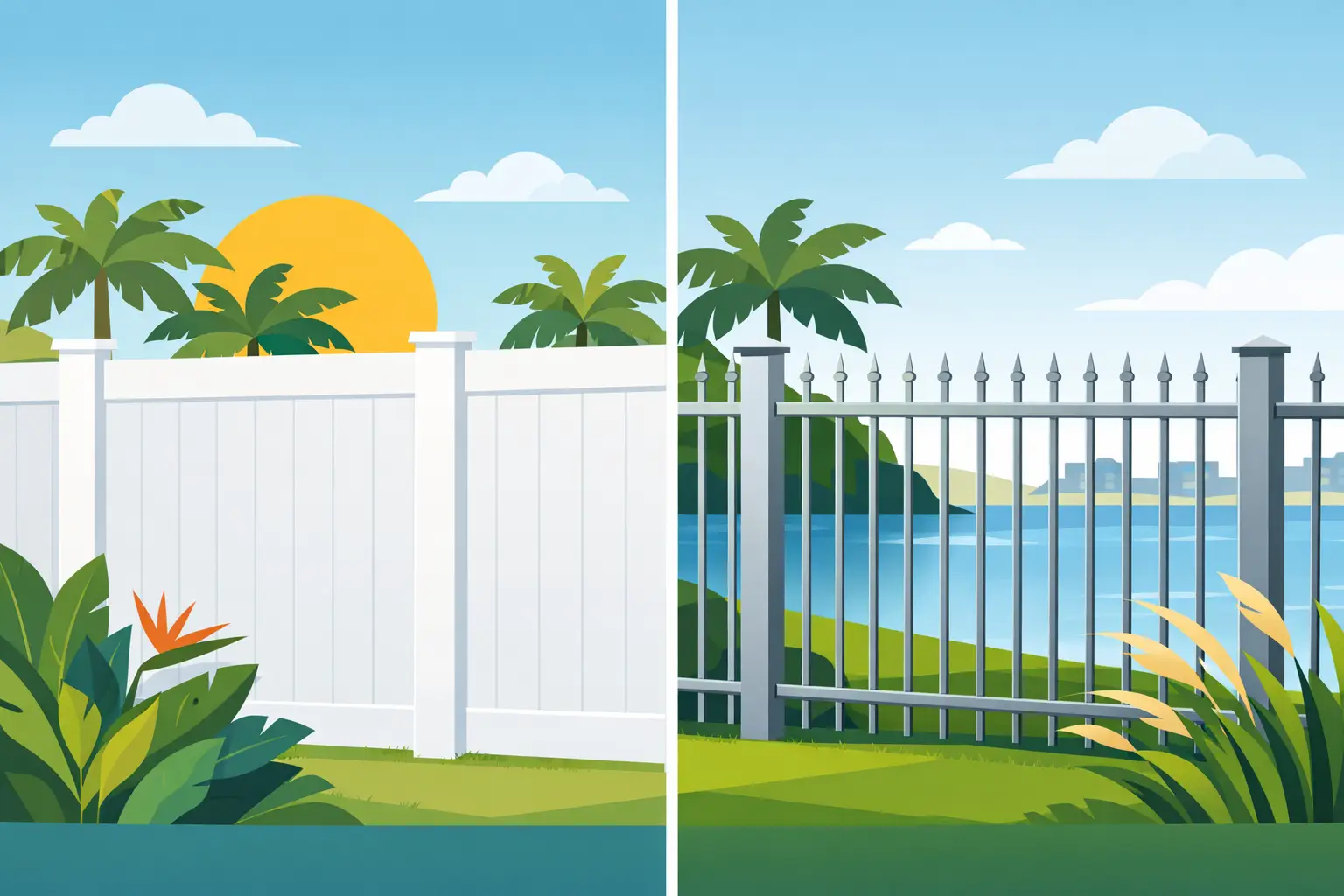
A fence can solve a very specific problem: the new puppy needs a safe yard, the pool needs a code-compliant barrier, the neighbor-facing side needs privacy, or the front of the property needs a cleaner boundary. When deciding between vinyl or aluminum, the right answer depends less on which material is “better” and more on what your Florida property needs the fence to do every day.
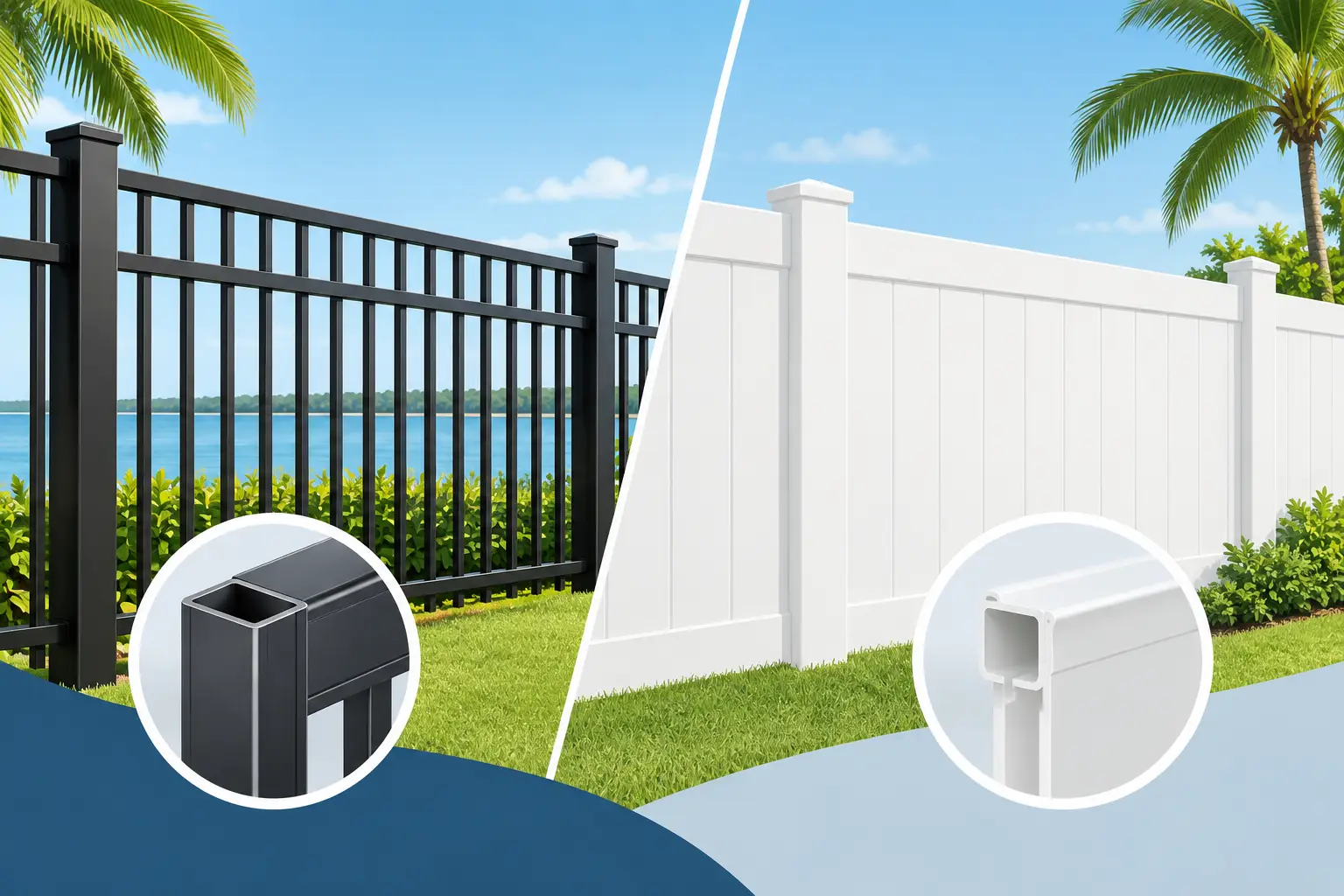
Vinyl and aluminum are both popular because they stand up well to Florida’s heat, rain, humidity, and busy family life. But they create very different results. One gives you a visual screen. The other keeps views open while defining and securing the property.
Vinyl or Aluminum: Start With the Job of the Fence
The quickest way to narrow the choice is to identify your main priority. If privacy is the reason for the project, vinyl is usually the stronger fit. A full-height vinyl privacy fence can block views from neighboring homes, create a more comfortable patio or pool area, and give children and pets a clearly enclosed space.
If security, curb appeal, or an open look matters most, aluminum may be the better choice. Aluminum fencing is commonly used around pools, front yards, side yards, commercial properties, and neighborhoods where homeowners want a defined boundary without making the property feel closed in.
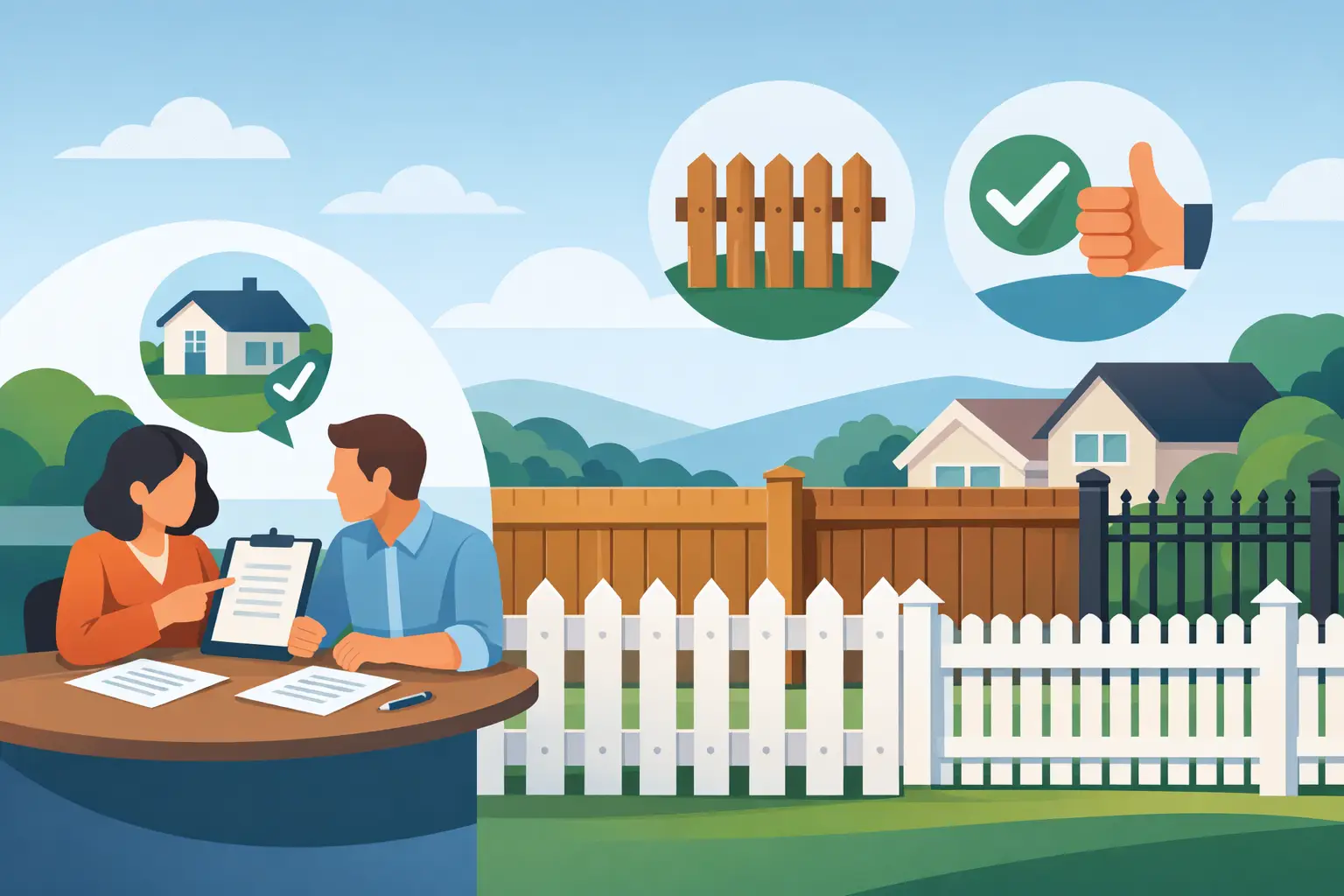
Many properties benefit from both materials. For example, a homeowner may choose vinyl along the rear and side property lines for privacy, then use aluminum across the front to maintain an attractive, open appearance. The best layout does not have to use one material everywhere.
When Vinyl Fencing Makes Sense
Vinyl, also called PVC fencing, is built for homeowners who want a low-maintenance privacy solution. Its solid panels create a clean backdrop for the yard, which can make a smaller outdoor area feel more private and more usable.
Privacy for homes, patios, and pets
A vinyl privacy fence is often the practical choice for backyards in closely spaced Central Florida communities. It helps separate outdoor living areas from neighboring windows, driveways, and foot traffic. For families, it can also create a more controlled space for children and dogs, provided gates are properly designed and secured.
Vinyl comes in several styles beyond a plain solid panel. Shadowbox-style options offer a more dimensional look, while decorative top accents can soften the appearance of a tall privacy fence. The exact style may be influenced by HOA requirements, lot layout, and the visibility of the fence from the street.
Low routine maintenance
Vinyl does not require painting, staining, or sealing. Most routine cleaning involves rinsing away dirt and using mild soap on areas affected by sprinkler residue, lawn debris, or mildew. That makes it appealing for homeowners who want the finished look of a privacy fence without planning a refinishing project every few years.
Florida conditions still matter. Dense landscaping can trap moisture against any fence, and irrigation overspray can leave buildup over time. Leaving reasonable clearance around the fence and directing sprinklers away from it helps keep the installation looking its best.
Trade-offs to consider with vinyl
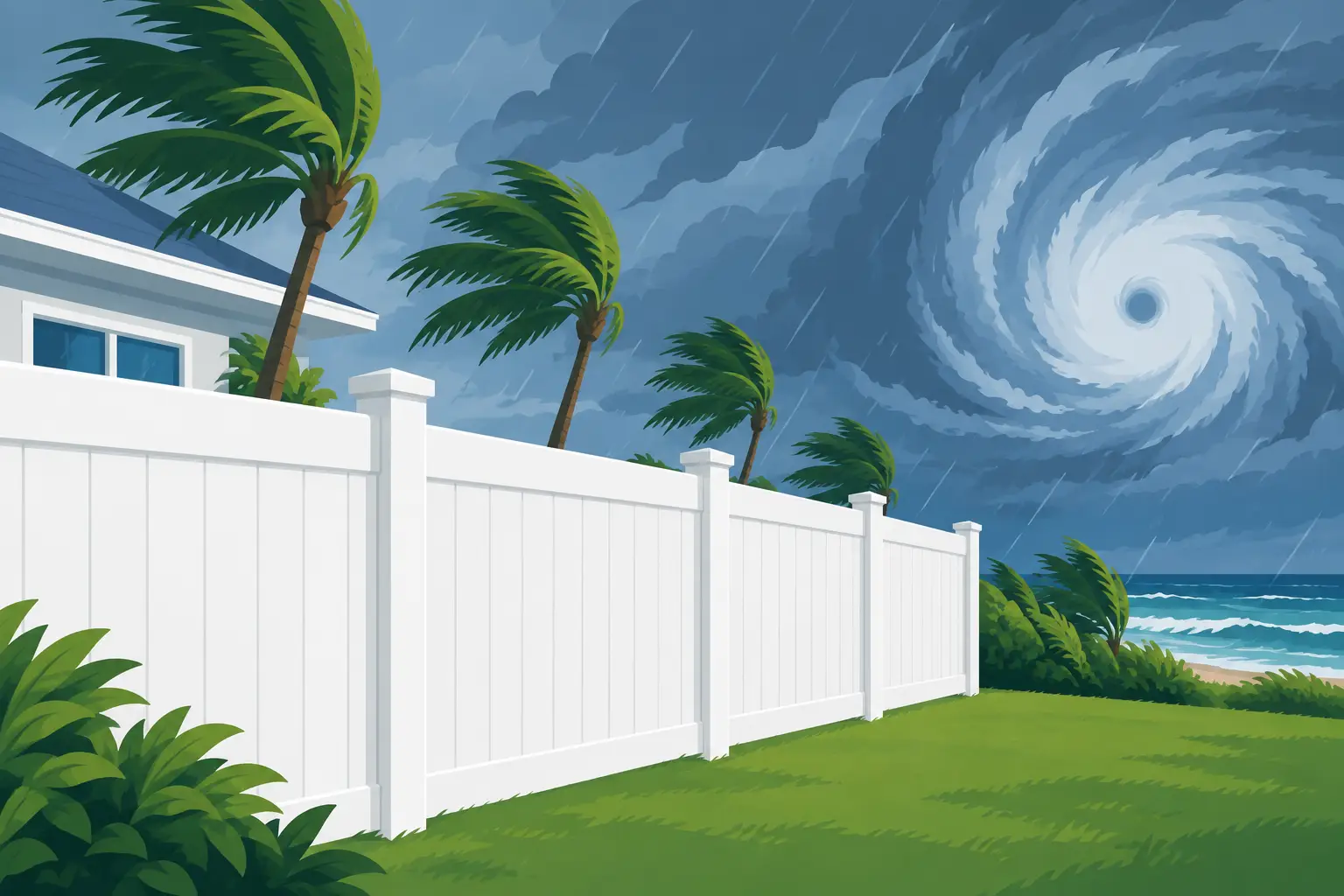
Vinyl is not the right choice for every property. It is more visually substantial than aluminum, which can make a narrow side yard feel tighter. It can also be more affected by high winds if it is not properly planned, installed, and reinforced for the site conditions.
Color selection can be limited compared with aluminum. White vinyl remains a classic choice, while tan and other neutral options may be available depending on the product line. If your HOA has strict rules about fence color, style, or height, confirm approval requirements before ordering materials.
When Aluminum Fencing Is the Better Fit
Aluminum fencing delivers a polished, open style that works especially well where visibility matters. It has the familiar look of wrought iron but without the same risk of rust, which is a valuable advantage in Florida’s humid and rainy climate.
Security without closing off the view
Aluminum is an excellent option around pools, ponds, front yards, driveways, and landscaped areas. Its pickets establish a clear physical boundary while allowing homeowners to see through the fence. That visibility can be useful when watching children in the yard or preserving a view of landscaping and water features.
For pool enclosures, the required fence configuration depends on the property, local code, gate details, and other barriers that may already be in place. Height, self-closing hinges, self-latching hardware, and latch placement can all be part of the conversation. A professional site review helps ensure the finished fence addresses the actual requirement rather than relying on a generic design.
Durable finish and flexible design
Quality aluminum fencing is typically powder-coated to resist corrosion and maintain its color. Black is a popular choice because it visually recedes into the landscape, but bronze and other colors can complement certain home exteriors and HOA palettes.
Aluminum also handles sloped terrain attractively. Panels can often be adjusted to follow changes in grade, producing a more tailored result than a rigid layout. This is helpful on properties with drainage swales, gradual backyard slopes, or uneven perimeter lines.
Trade-offs to consider with aluminum
Aluminum does not provide visual privacy. A neighbor can see through it, and it will not block headlights, activity, or backyard clutter. Homeowners sometimes add landscaping for screening, but plants take time to fill in and require ongoing care.
It is also not intended to function like heavy steel security fencing. For most residential boundary, pool, and pet-containment needs, aluminum is a strong option. Properties with specialized security demands, however, may need a different fence design, heavier gates, or additional access-control features.
Cost: Look Beyond the Initial Price
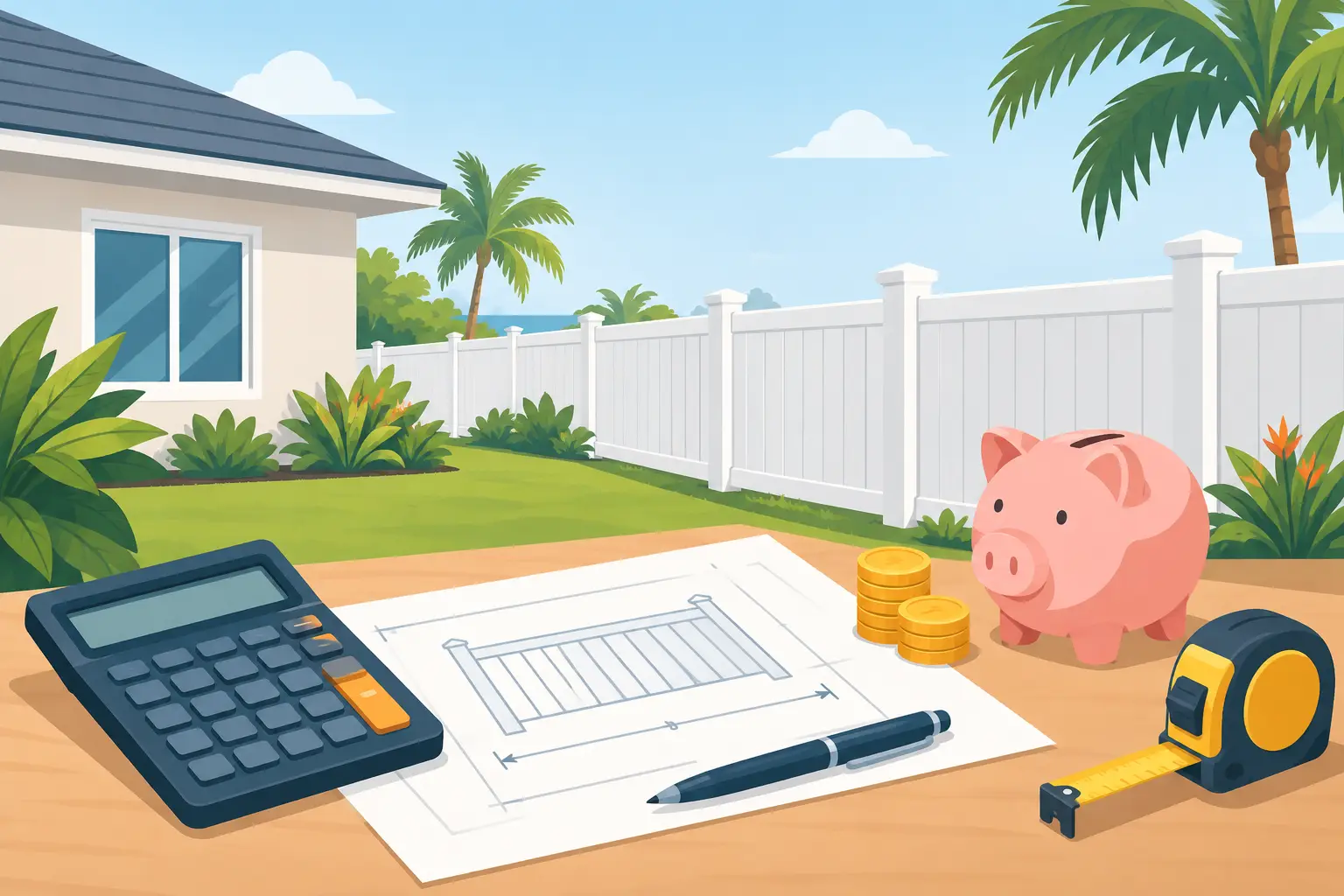
Fence pricing is based on more than the material itself. Total footage, fence height, gate count, corner posts, terrain, removal of an existing fence, access to the work area, and permitting can all affect the project cost.
In many cases, aluminum can be a cost-effective choice for an open boundary, while vinyl may cost more because of its larger privacy panels and posts. However, comparing only the price per foot can be misleading. A vinyl fence may eliminate the need for years of privacy landscaping, while aluminum may be the better value for a large pool perimeter where open visibility is preferred.
The useful question is not simply, “Which fence is cheaper?” It is, “Which fence solves the problem without creating a new one?” A lower-cost option that does not provide privacy, meet pool requirements, or satisfy the HOA can become an expensive redo.
HOA Approval and Permits Can Shape the Choice
In many Central Florida communities, the fence decision starts with the HOA rules. Associations may regulate material, height, color, picket spacing, placement, gates, and whether a fence can extend into a front or side yard. Some communities allow aluminum in visible areas but require vinyl only in rear-yard privacy applications. Others have the opposite preference.
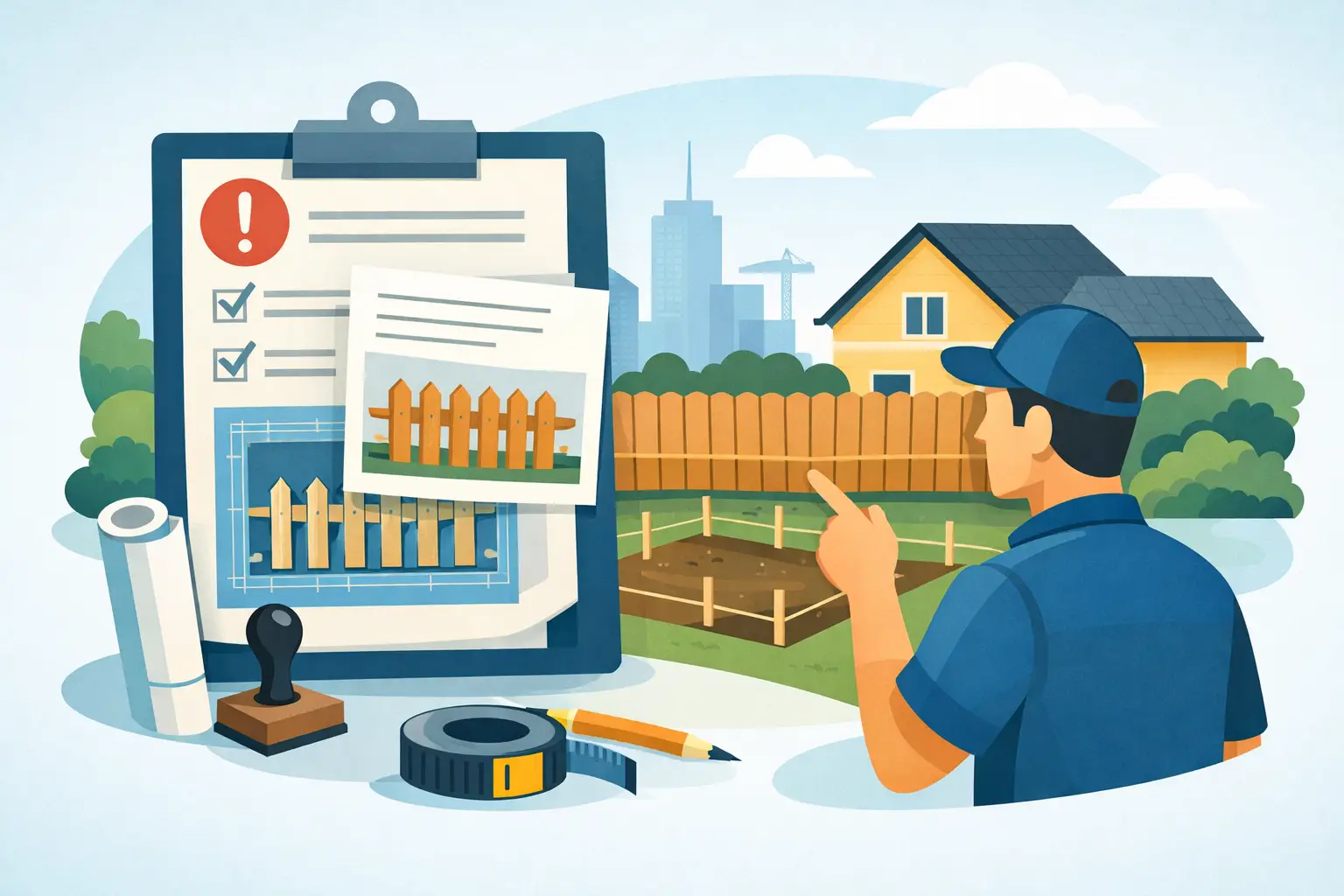
Local permitting requirements can also apply depending on the city, county, fence location, height, and property conditions. Setback rules, easements, utility locations, drainage areas, and pool safety requirements should be reviewed before installation begins.
This is where working with a contractor that manages the process can save time. Primo Fence helps customers move from a free estimate to a clear agreement, HOA approval support, permit handling when required, and professional installation. It reduces the back-and-forth that can delay an otherwise straightforward project.
A Practical Way to Make the Final Decision
Choose vinyl when your highest priority is privacy, a contained backyard feel, and minimal ongoing maintenance. It is especially well suited to rear and side property lines where neighboring homes are close together.
Choose aluminum when you want an open, refined boundary for a pool, front yard, landscaped area, or commercial property. It is a strong choice when visibility, curb appeal, and corrosion resistance matter more than screening.
Before committing, walk the property at different times of day. Notice where you need privacy, where you want to preserve a view, how gates will be used, and whether the fence line crosses slopes, utilities, or drainage areas. Bring HOA guidelines to the estimate if you have them. A well-planned fence should feel like a natural part of the property, not a compromise you notice every time you step outside.


0 Comments