

A fence can solve a real problem quickly – a dog that needs a secure yard, a pool area that needs a boundary, or a backyard that no longer feels private. But in an HOA community, installation cannot begin until the design is approved. These HOA fence approval examples show what a clear request looks like, what review boards usually want to see, and how Florida homeowners can avoid the preventable delays that hold up a project.
The central idea is simple: an HOA is not only reviewing whether you can have a fence. It is reviewing whether the specific fence, location, height, color, and gate placement fit the community’s written standards. A complete submission gives the architectural review committee fewer unanswered questions and gives you a better chance of receiving a prompt decision.
What an HOA Fence Approval Request Usually Needs
Every association has its own governing documents, so the first step is to read the current architectural guidelines and application form. Some communities allow privacy fencing only behind the home. Others require aluminum fencing along ponds, golf courses, sidewalks, or visible corner lots. A rule that worked for a neighbor several years ago may not match the standards in effect now.
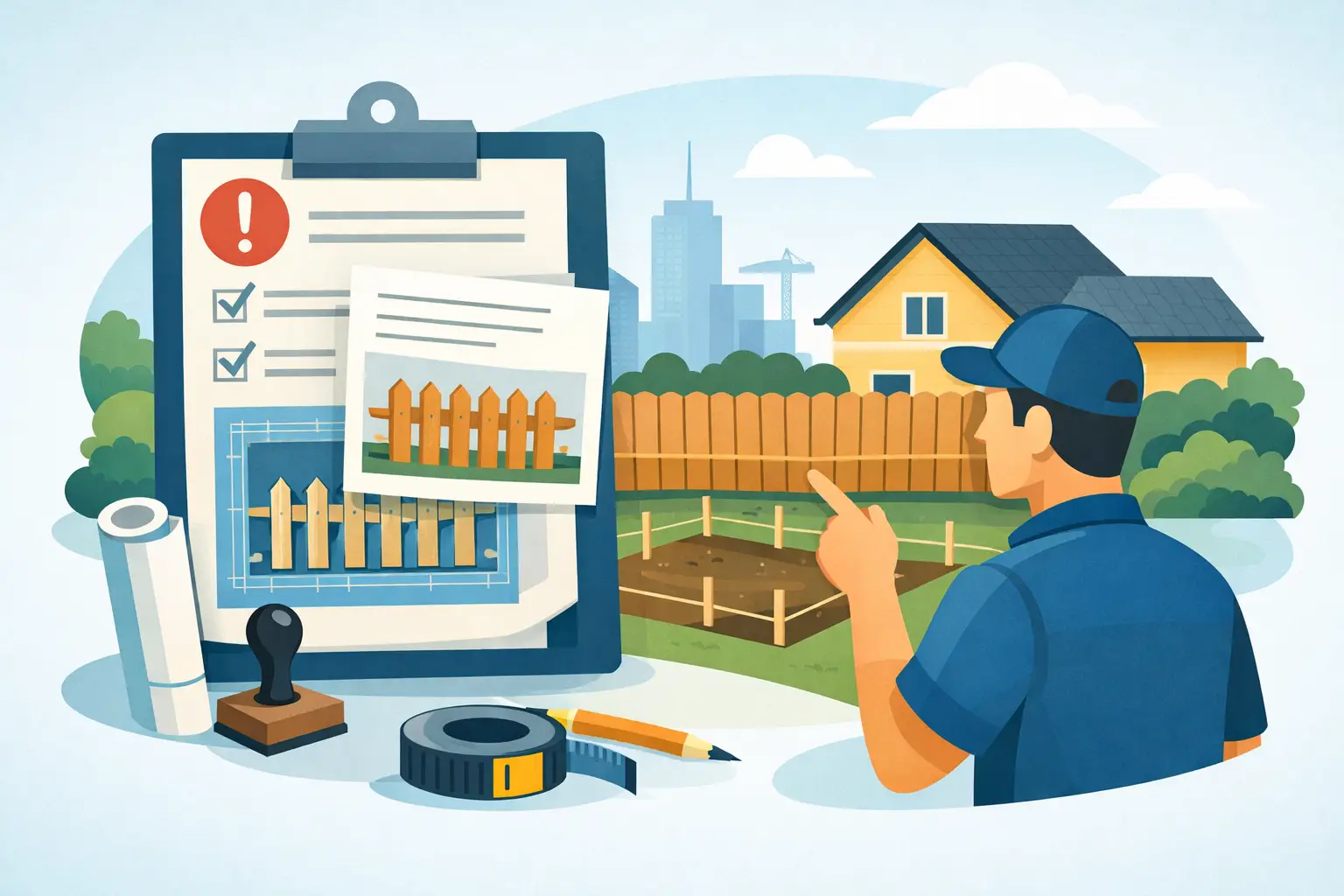
Most fence applications ask for a site plan or survey, a drawing or product brochure, material and color details, proposed height, gate locations, and contractor information. Some boards also request photos of the property or signed neighbor acknowledgments. If your lot backs up to a conservation area, drainage easement, lake, or common area, expect a closer review of the proposed fence line.
It also helps to separate HOA approval from permitting. HOA approval gives permission under community rules. A city or county permit addresses local building requirements, setbacks, safety rules, and other code issues. One does not automatically replace the other.
HOA Fence Approval Examples for Common Florida Projects
The best applications use specifics rather than broad descriptions such as “new backyard fence.” The examples below can be adapted to fit your association’s form and requirements.
Example 1: White vinyl privacy fence for a backyard
Project description: “Install 182 linear feet of 6-foot white vinyl privacy fence along the rear and interior side property lines, as shown on the attached survey. The fence will begin behind the front building line and will not extend into the drainage easement. One 4-foot walk gate will be placed on the left side of the home. The proposed fence is white vinyl, solid privacy style, with posts and caps matching the manufacturer specification sheet.”
This request works because it identifies the footage, height, placement, material, color, and gate. It also addresses two common HOA concerns before the reviewer has to ask: the fence stays behind the building line, and it does not interfere with a recorded easement.
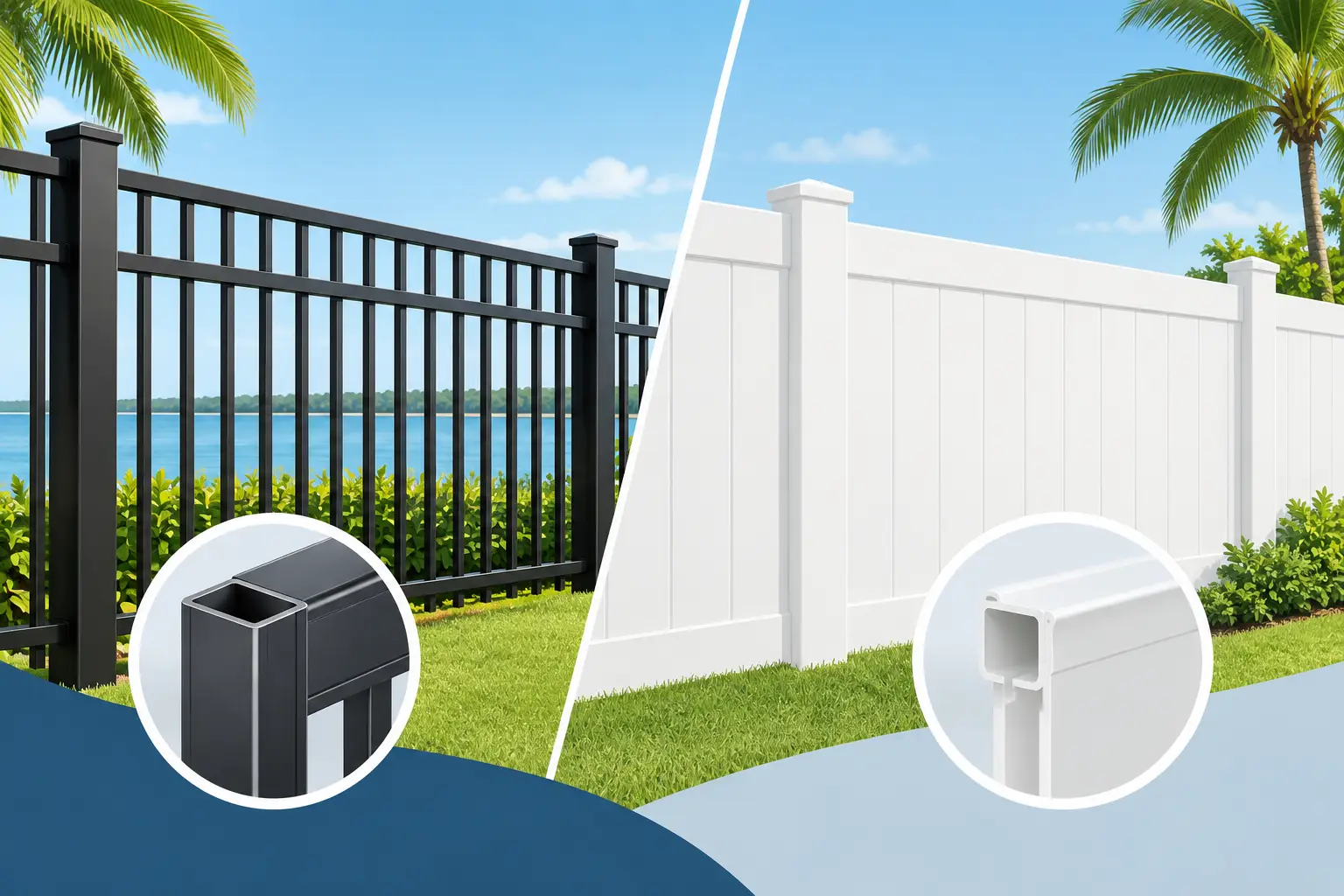
A 6-foot vinyl fence may be a good privacy choice for many backyards, but it is not automatic. Communities with open-view design standards may limit solid fencing, especially if the yard faces a pond, street, or common space.
Example 2: Black aluminum fence near a pond
Project description: “Install 146 linear feet of 4-foot black aluminum fence along the rear and side yard, following the property line shown on the attached survey. The rear section faces the community pond and will use open-style black aluminum fencing to preserve visibility. The fence will include one self-closing, self-latching 4-foot gate on the side yard. No portion of the fence will be installed beyond the property boundary or within the pond maintenance area.”
Aluminum fencing is often the better fit where an HOA wants an attractive, open appearance. It can define the yard and improve security without creating a solid visual barrier. The trade-off is privacy. If the main goal is screening a patio or pool equipment, a homeowner may need landscaping or an HOA-approved enclosure design in addition to the fence.
Example 3: Wood fence replacement after storm damage
Project description: “Replace the existing 6-foot wood privacy fence in the same approved location along the rear and side property lines. The replacement will use pressure-treated wood posts and rails with vertical dog-ear pickets, natural wood finish, at the existing approved height. The layout, gate location, and footprint will not change.”
A replacement can be easier to approve than a new design, but homeowners should not assume that “same as before” is enough. Include current photos of the damaged fence, the survey, and a simple material description. If the association has since changed its approved colors, materials, or styles, the replacement may need to meet the newer standard.
Example 4: Fence for a corner lot
Project description: “Install 104 linear feet of 4-foot tan aluminum fence in the rear and side yard of this corner lot. The side-yard fence will stop at the HOA-required setback behind the front building line and will remain outside the corner visibility area. The fence location and termination points are highlighted on the attached survey.”
Corner lots receive extra attention because fences can affect streetscape appearance and driver sight lines. The practical lesson is to mark the proposed fence route clearly. A sketch with a vague line near the side street can lead to a request for revisions, even when the selected fence style is acceptable.
Details That Commonly Cause Fence Application Delays
Incomplete surveys are one of the most frequent issues. A committee needs to see the actual lot boundary, not just a hand-drawn backyard outline. If the survey is older, make sure it still reflects the property and any relevant improvements.
Another issue is a mismatch between documents. For example, an application may list a 6-foot white vinyl fence, while the product sheet shows a tan 5-foot panel. Reviewers may pause the request rather than guess which detail is correct. Keep the application, product information, estimate, and site plan consistent.
Homeowners also run into trouble when a fence is drawn directly on an easement, too close to a utility feature, or past the permitted side-yard termination point. An HOA may flag the issue even if the design looks good. Utility access, drainage, and maintenance responsibilities can limit where posts may go.
Finally, do not submit a request based only on a photo of a neighbor’s fence. That fence may have been approved under a different rule, placed on a different lot type, or installed without approval. Your property’s location and the current written standards are what matter.
How to Make the Review Process Easier
Before submitting, compare your proposed design against the HOA’s requirements for material, height, color, and placement. Then assemble the documents in one clean package. A reviewer should be able to answer the basic questions without emailing you for clarification: What is being installed? Where will it go? How tall is it? What will it look like?
If the rules are unclear, ask the property manager or architectural review committee for written guidance before ordering material. This is especially useful for homes on water, conservation, golf course, or corner lots, where restrictions may be more specific.
Working with an experienced local fence contractor can reduce the back-and-forth. At Primo Fence, the planning process can include clear fence specifications, layout guidance, HOA approval support, and permit coordination when required. That support does not override an HOA’s decision, but it helps ensure the submission reflects the project you actually plan to install.
If Your HOA Denies the Fence Request
A denial is not always the end of the project. Read the decision carefully and identify whether the issue is the material, height, color, location, or missing documentation. Many denials can be resolved by changing a solid fence to aluminum along a visible boundary, shortening a side-yard run, moving the fence inside an easement, or providing a clearer survey.
Ask for the specific rule supporting the decision and whether a revised application can be submitted. Keep the conversation professional and focused on a compliant solution. A request to “make an exception” is generally less persuasive than a revised plan that directly addresses the stated concern.
A well-prepared approval package protects more than your timeline. It helps ensure that the fence you choose for privacy, pets, security, or curb appeal can be installed with confidence and enjoyed without an avoidable HOA dispute later.


0 Comments