
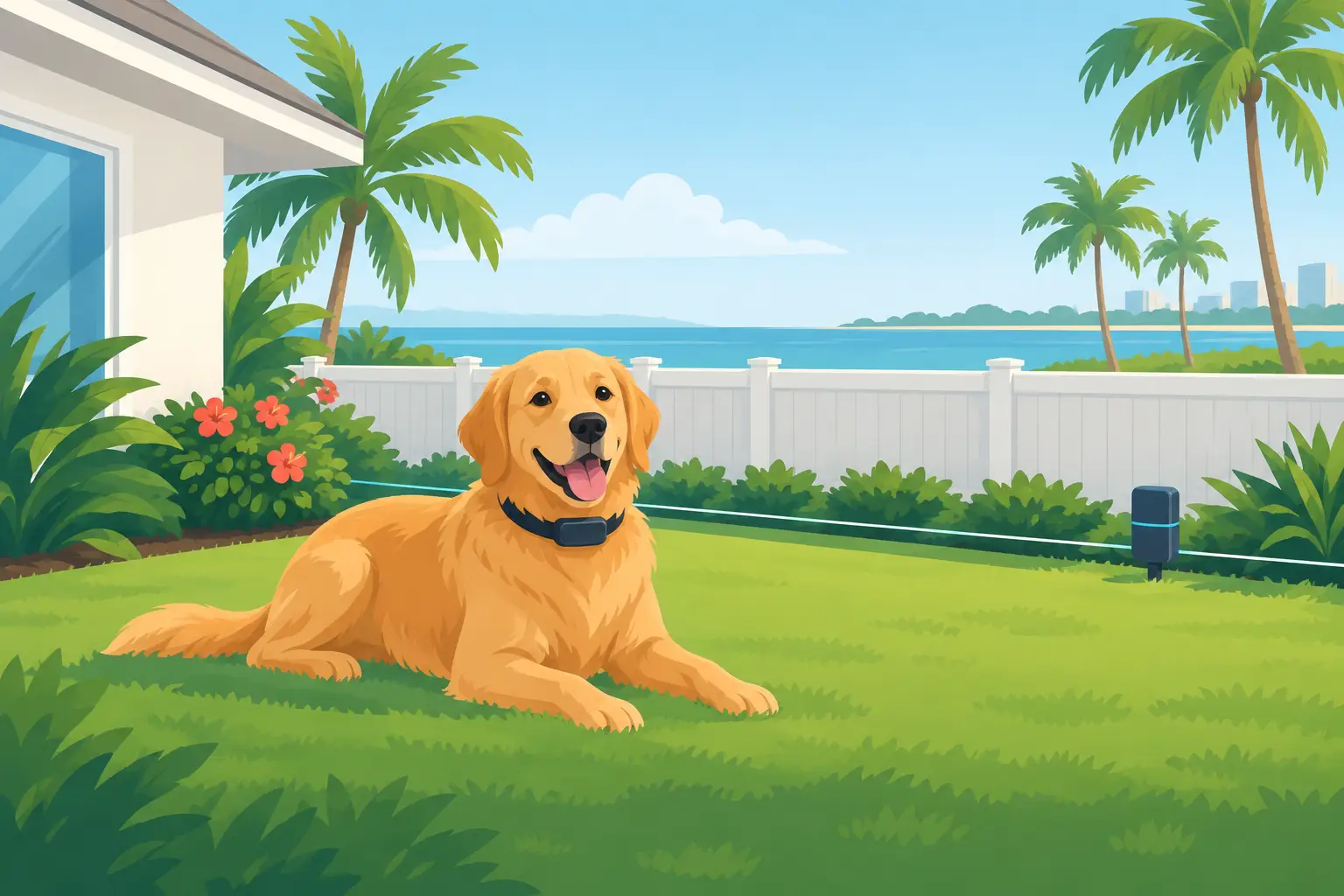
A fence that looks great from the street can still be the wrong choice for a determined dog, a small escape artist, or a pet that gets nervous when strangers walk by. The best pet fencing is not one material or one standard height. It is a fence planned around your pet’s size, behavior, your yard layout, and the realities of Florida weather and neighborhood requirements.
For Central Florida homeowners, that planning matters. A new fence often needs HOA approval, a permit, clear property-line coordination, and a gate that every family member can use correctly. Getting those details right before installation helps create a safe yard without surprise changes or delays.
Start With Your Pet, Not the Fence Style
Before comparing aluminum, vinyl, and wood, think about what your pet actually does outside. A calm, medium-sized dog that stays close to the house has different needs than a high-energy dog that runs the perimeter, jumps when excited, or digs near corners. Cats, small dogs, and puppies need special attention because openings that seem minor to people can be large enough for a pet to squeeze through.
Height is usually the first consideration. Many homeowners choose a 4-foot fence for a small or calm dog, while 5- or 6-foot fencing is often a better fit for larger, athletic, or reactive dogs. Height alone is not a guarantee. A dog that climbs, digs, or uses patio furniture as a launching point may need additional planning around the bottom of the fence, nearby landscaping, and the placement of outdoor furniture.
Visibility also affects behavior. Some dogs are more relaxed when they can see beyond the yard. Others bark or charge at every passerby, delivery truck, and neighboring pet. A more private fence can reduce those visual triggers, while an open-style fence may suit a dog that is comfortable with activity around the property.
Best Pet Fencing Materials for Florida Homes
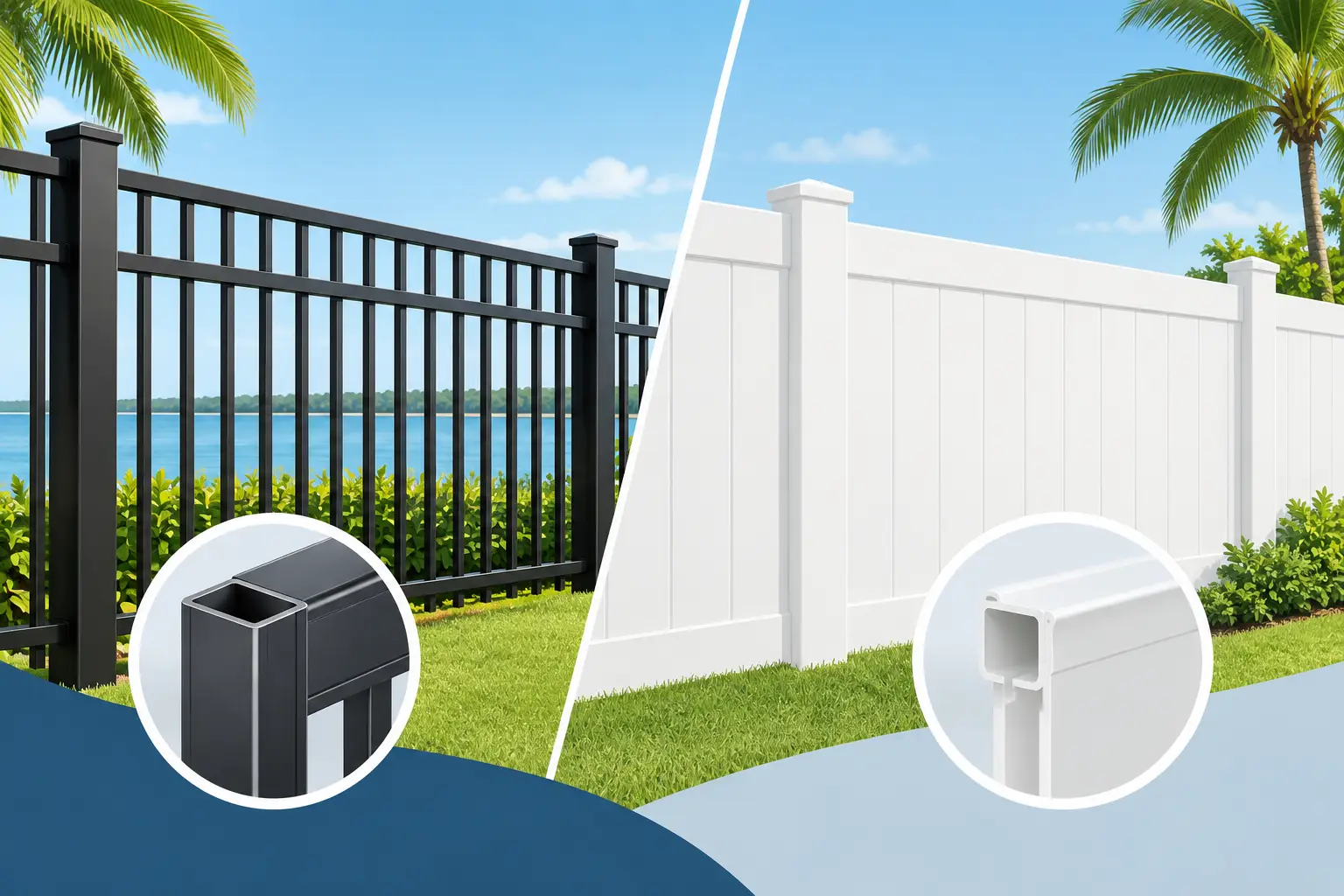
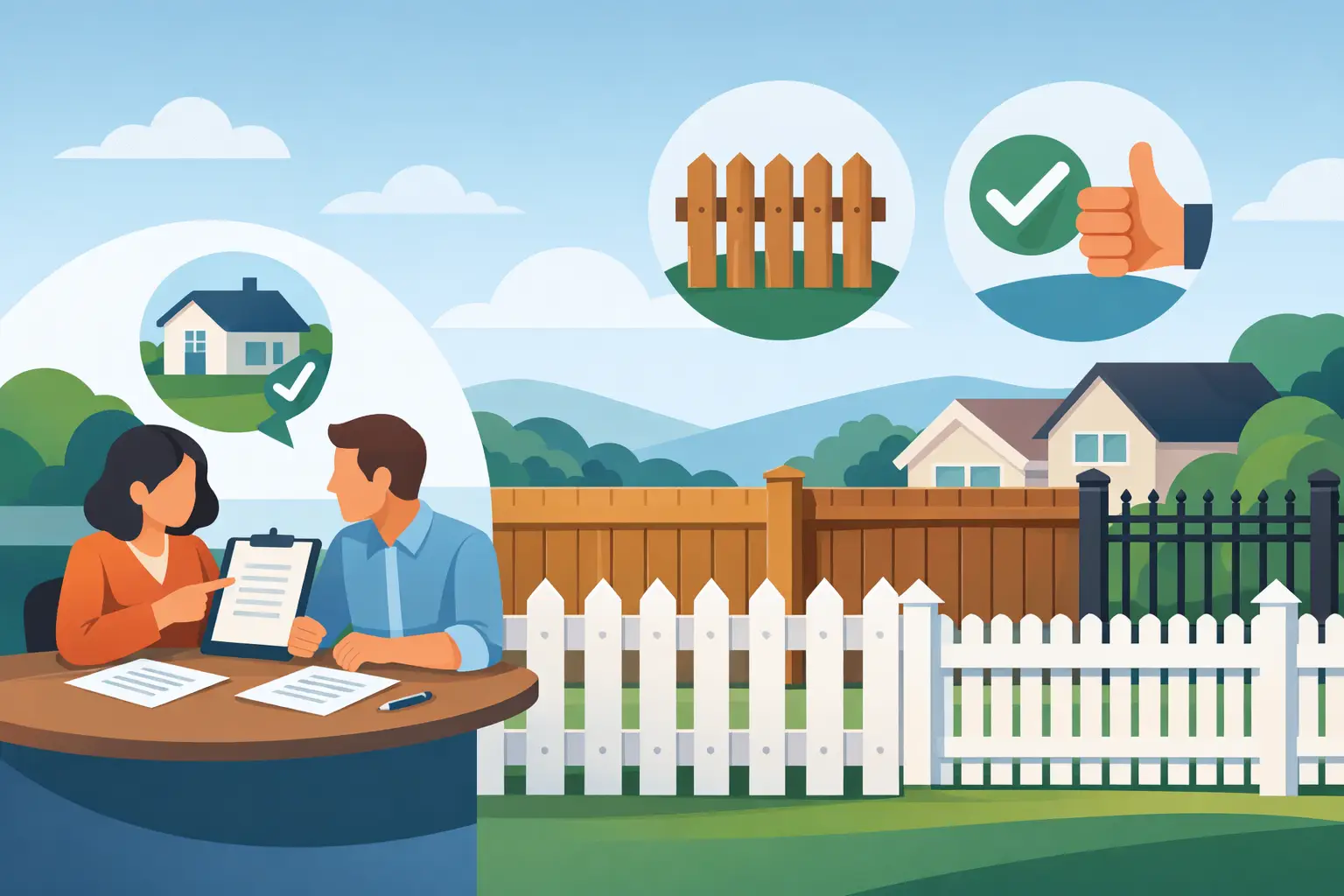
The right material depends on how much privacy you want, the maintenance you are comfortable with, your community rules, and your pet’s habits. Each common residential option has clear advantages and trade-offs.
Vinyl/PVC fencing for privacy and low maintenance
Vinyl/PVC fencing is a strong choice for homeowners who want a clean, private enclosure with minimal upkeep. Solid panels limit a dog’s view of distractions outside the yard and create a defined space for play, training, and family time. The smooth surface also makes it harder for many dogs to climb compared with some horizontal wood designs.
In Florida, vinyl is appealing because it does not rot like wood and does not require regular staining or painting. It can be a practical long-term option in yards exposed to sun, rain, and humidity. The trade-off is that vinyl is not always the lowest initial-cost choice, and HOA communities may limit approved colors, heights, or panel styles.
Aluminum fencing for visibility and curb appeal
Aluminum fencing offers an attractive, open look that works well around pools, landscaped yards, and homes where preserving a view matters. It resists rust and handles Florida moisture well, making it a dependable option for many properties.
For pets, aluminum works best when the spacing between pickets is appropriate for the animal. A small dog or puppy may need puppy pickets or a tighter lower section to prevent slipping through. Aluminum is also not the first choice for a dog that reacts strongly to activity beyond the property line, since the open design does not block visual stimulation.
Wood fencing for a natural, flexible enclosure
Wood fencing gives homeowners a traditional look and strong privacy. It can be customized in height and style, making it useful for yards with unusual layouts or homeowners who want a more natural appearance. A solid wood fence can be especially helpful for dogs that settle down when outside distractions are out of sight.
The practical consideration in Florida is maintenance. Wood is exposed to moisture, sun, insects, and changing weather conditions. With proper installation and ongoing care, it can provide years of use, but it generally requires more attention than vinyl or aluminum. Homeowners should also inspect wood fences periodically for loose boards, gaps, or areas near the ground where a persistent digger may work at an opening.
A Secure Gate Is Part of the Pet Fence
A well-built fence is only as reliable as its gate. Gates are where many accidental escapes happen, especially when children are playing outside, a landscaping crew is visiting, or groceries are being carried in from the car.
Choose a gate that closes and latches consistently, with hardware suited to frequent use. For dogs that jump on gates or push against them, a self-closing hinge or upgraded latch can add peace of mind. If the gate leads toward a busy street, a lockable latch may be worthwhile, provided everyone in the household can operate it safely.
Gate placement deserves some thought, too. A side gate near the driveway may be convenient for trash bins and lawn equipment, but it should not create an easy route for a pet to bolt when a vehicle arrives. A professional layout can account for access needs without compromising the enclosure.
Plan for Digging, Climbing, and Small Gaps
Most pet fence problems are not caused by the primary panels. They happen at transitions: beneath a gate, along an uneven grade, near a corner, or where the fence meets the house. Those areas should be reviewed during the estimate rather than treated as an afterthought once the installation has started.
If your dog digs, explain that early in the planning process. Depending on the yard and fence design, the installer may be able to recommend ways to reduce access beneath the fence line. Landscaping, grading, and supervised outdoor time can also help, particularly with dogs that dig from boredom rather than a desire to escape.
For climbers, avoid placing storage bins, grills, play structures, or large planters directly against the fence. Even a solid 6-foot fence becomes less effective when a pet has something to stand on. Trees and shrubs should also be maintained so branches do not create a path over or around the enclosure.
Florida Rules Can Shape the Right Choice
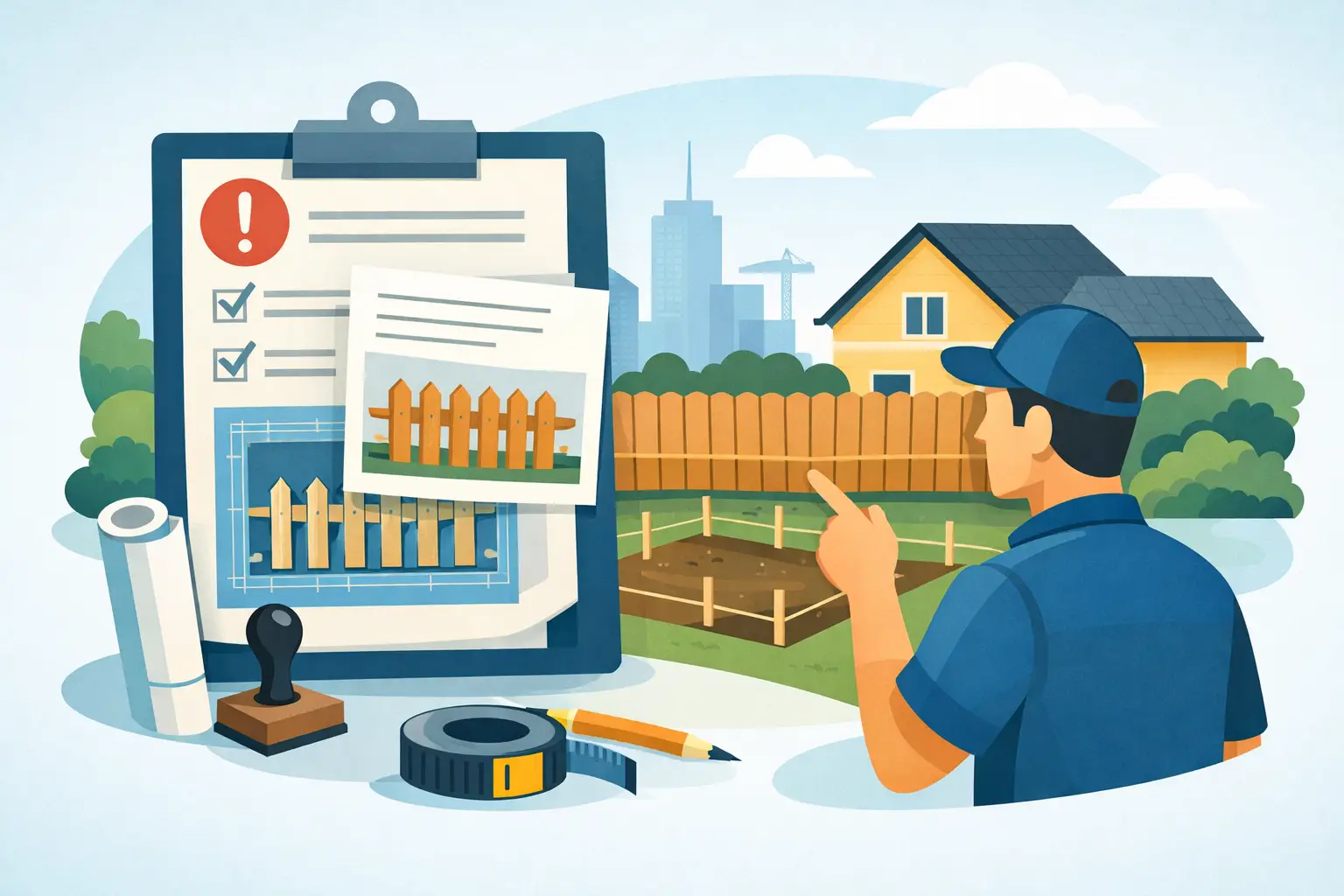
A fence that works perfectly for your pet still has to work for your property and community. In many Central Florida neighborhoods, HOA guidelines set rules for approved materials, colors, styles, and fence heights. Corner lots, pool areas, easements, drainage features, and property setbacks can add more considerations.
This is why the best time to discuss permits and HOA requirements is before the material is ordered. A clear agreement should show the proposed fence type, layout, gates, and project expectations. When the approval process is handled correctly upfront, homeowners can avoid having to revise a design after investing time and money in the project.
Property lines are equally important. Installing a fence based on an assumption about the boundary can create avoidable neighbor concerns. If there is any uncertainty, discuss it before construction begins. A professional fencing contractor can explain what information is needed to move ahead with confidence.
How to Choose the Best Pet Fencing for Your Yard
The simplest decision comes from matching the fence to your highest priority. If privacy and fewer visual triggers matter most, solid vinyl or wood may be the better fit. If you want an open, polished boundary around a pool or landscaping, aluminum may be the right direction, provided picket spacing is safe for your pet.
Then consider daily use. Think about where your dog enters the yard, where children play, where lawn crews need access, and whether there are areas prone to standing water or uneven ground. A fence layout should support normal life, not make every trip through the yard more complicated.
Price matters, but the lowest quote is not always the best value if it leaves out permit coordination, HOA support, durable gate hardware, or clear installation details. Ask what is included, how the timeline will be communicated, and how changes are handled if site conditions require an adjustment. Straight answers at the estimate stage make for a smoother project.
A Safer Yard Starts With a Clear Plan
Your pet does not care whether the fence is trendy. They need a boundary that keeps them safely home, gives them room to move, and holds up to daily use in Florida’s heat and rain. Your family needs a fence that looks right, operates reliably, and does not create a paperwork headache along the way.
A free on-site estimate is a useful first step because it turns broad ideas into a practical plan for your home, pet, budget, and neighborhood requirements. With the right questions answered before installation, your backyard can become the dependable space your family and pets enjoy every day.


0 Comments