
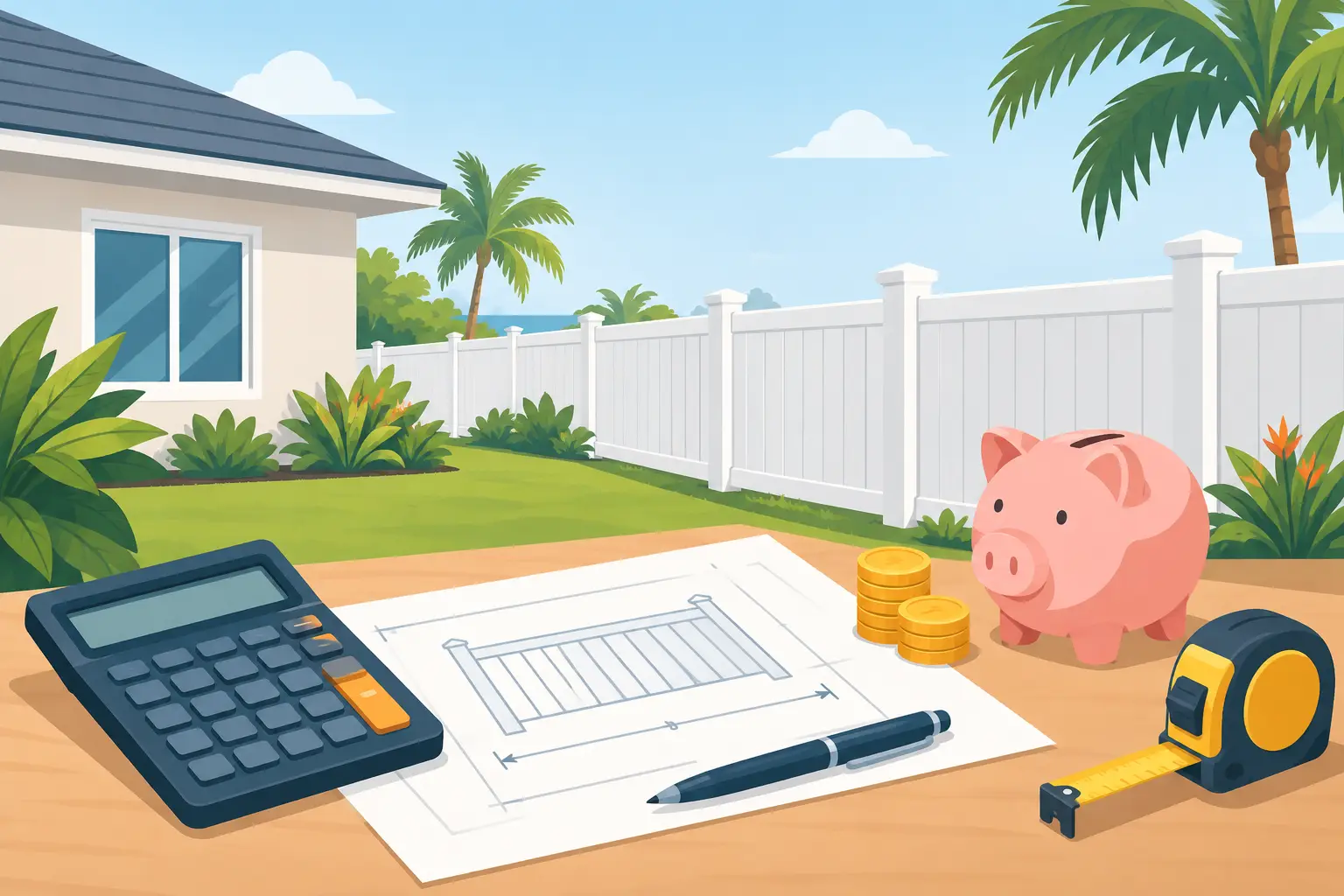
A fence quote can look straightforward until you compare it with a neighbor’s project and realize the two properties have very different needs. A corner lot, a sloped backyard, an HOA submittal, an old fence that needs removal, or one extra gate can all change the final number. The best fence project budgeting tips start with defining the job clearly before comparing prices.
For Central Florida homeowners, a realistic budget should cover more than fence panels and posts. It should account for the material that fits your goals, the layout of the property, local permitting, HOA requirements, access for the installation crew, and the details that make the fence useful every day. Planning those items upfront helps prevent surprises and gives you a clearer path from free estimate to finished installation.
Start With the Purpose of Your Fence
Your budget should follow the reason you need a fence. A family adding privacy around a backyard will make different choices than a homeowner enclosing a pool area, a pet owner securing a side yard, or a business protecting a service entrance.
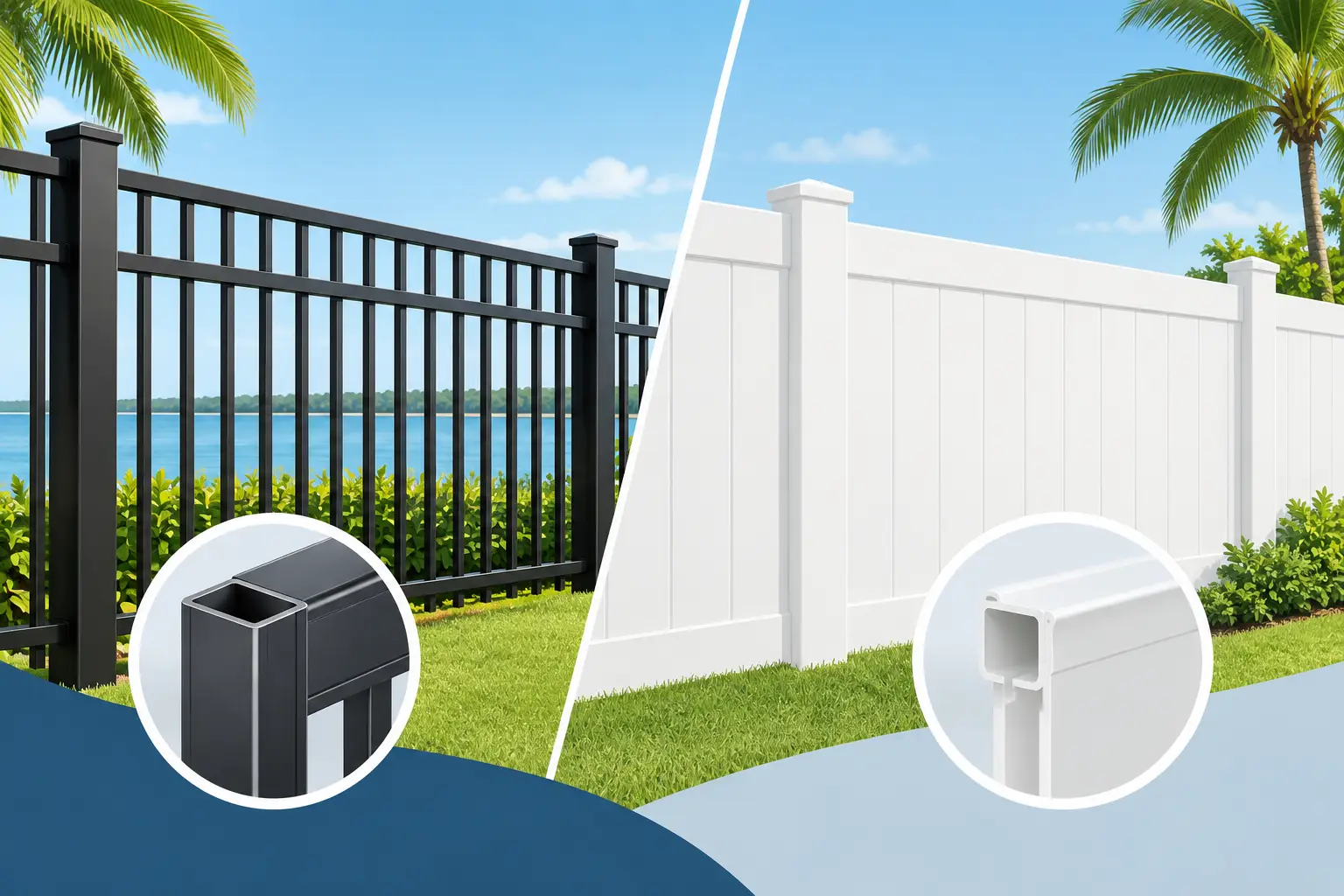
For privacy, wood and vinyl/PVC are common choices, but their appearance, maintenance needs, and upfront costs differ. Vinyl/PVC can be a strong long-term option for homeowners who want a clean, consistent look with minimal upkeep. Wood offers a traditional appearance and design flexibility, although Florida sun, rain, and humidity make proper installation and ongoing care more relevant. Aluminum fencing is often a practical choice for visibility, curb appeal, and pool-area applications, but it does not provide the same visual screening as a solid privacy fence.
It can be tempting to select the lowest-cost material without considering how the fence will work five or ten years from now. A fence that solves the real problem, whether that is privacy, child safety, pet containment, security, or appearance, is usually the better value than one that needs to be replaced or modified sooner than expected.
Measure the Full Scope, Not Just the Backyard
Fence pricing is typically influenced by linear footage, but footage alone does not tell the entire story. The layout determines how much labor, hardware, and planning the installation requires. A simple straight run is different from a property with multiple turns, narrow side yards, trees along the boundary, or changes in elevation.
Before requesting estimates, identify the areas you want enclosed and note where gates will be needed. Think through daily use. Will a lawn crew need a wide gate? Do you need access to a pool pump, trash area, or backyard storage? Is there a side gate that children and pets will use often? Adding a gate after installation is possible in some cases, but planning it from the beginning is generally cleaner and more cost-effective.
Also consider whether the project includes removal of an existing fence. Old wood, damaged posts, concrete footings, and disposal all require labor. A clear estimate should state whether demolition and haul-away are included, rather than leaving those costs as an assumption.
Fence Project Budgeting Tips for Comparing Estimates
A lower number is not automatically a lower total cost, and a higher number is not automatically a better installation. The useful comparison is scope against scope. Ask each contractor to explain what is included so you can evaluate the same project, not just the bottom-line figure.
A complete proposal should make it easy to understand the fence material and style, approximate footage, number and type of gates, post and hardware details, removal work, permit responsibilities, and projected schedule. If a price seems significantly lower than the others, find out what may be excluded. It could be a permit fee, gate hardware, disposal, a needed survey, or a different grade of material.
Transparent pricing also means knowing when a change could affect the budget. For example, a contractor may uncover an unmarked obstruction along a fence line, or an HOA may require a different style than the homeowner originally selected. Those situations do not have to derail the project when the process for discussing changes is clear before work begins.
Do Not Budget From a Price Per Foot Alone
Price-per-foot figures can be useful for broad early planning, but they are not a final project budget. Gates, corners, end posts, terrain, demolition, property access, and local requirements all influence installation costs. Material prices can also vary by fence height, color, style, and availability.
Use broad pricing only to establish a range. Once you are ready to move forward, a site-specific estimate is the more reliable way to plan. A contractor who visits the property can see conditions that an online calculator or phone estimate may miss.
Plan for HOA Approval and Permits Early
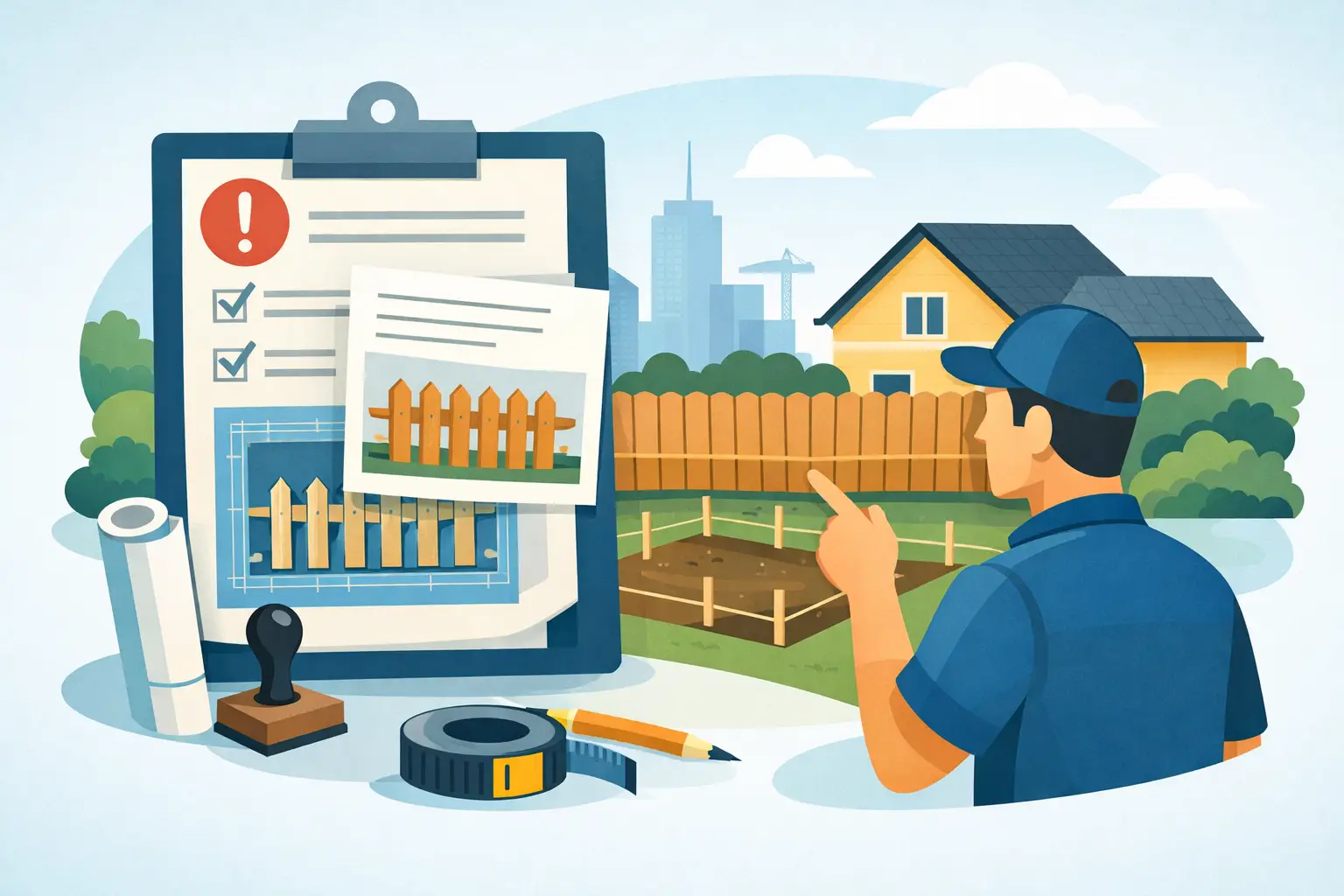
In many Florida communities, approval paperwork is part of the fence project, not an optional afterthought. HOAs may have requirements for approved materials, colors, heights, placement, and even which direction the finished side of the fence must face. Some communities also require a survey, plot plan, or neighbor acknowledgment before approving the work.
Municipal and county permitting requirements can vary as well. Depending on the location and project type, you may need to provide a site plan, confirm setback requirements, or coordinate with a permit office before installation begins. Budgeting time for these steps matters just as much as budgeting money. A project that cannot start because an approval is still pending may interfere with a move-in date, pool completion, landscaping plan, or business opening.
Ask who will prepare and submit the required documents, who pays applicable fees, and what information you need to provide. A contractor that handles HOA support and permit management can reduce the administrative work on your plate while helping the job move forward in the correct order.
Set Aside a Contingency for Property Conditions
Most fence projects go smoothly when the site is properly reviewed, but it is smart to reserve a modest contingency rather than spending every dollar of the planned budget. Property conditions can create legitimate adjustments, especially on older lots or recently renovated homes.
Common variables include buried roots, thick vegetation, difficult access, existing concrete, drainage features, utility equipment, and uncertain property lines. Fence crews should not guess at boundaries. If there is any question about where the fence belongs, reviewing a current survey before installation can help avoid a costly correction later.
A contingency is not permission for vague pricing. It is simply a practical buffer for conditions that cannot always be confirmed until the project is measured and prepared. Your contractor should communicate promptly if an issue is found and explain the available options before proceeding.
Choose Features That Protect Long-Term Value
Some upgrades add cost at the start but make sense over the life of the fence. Higher-quality gate hardware can be worthwhile for a gate used several times a day. A wider gate can save frustration when moving equipment into the yard. A design that complements the home and neighborhood can support curb appeal instead of looking like an afterthought.
At the same time, not every upgrade is necessary. Decorative details, premium colors, or extra gate openings may be worth it if they solve a real need, but they should not crowd out essentials such as correct placement, durable materials, and professional installation. Prioritize the foundation of the project first, then add features that fit the remaining budget.
For commercial properties and property managers, the same principle applies. Focus spending on access control, perimeter security, durable gates, and a layout that supports operations. A fast installation schedule and straightforward invoicing may also carry real value when a delay affects tenants, staff, or site security.
Protect the Budget With a Clear Agreement
The agreement is where the plan becomes accountable. Review it before scheduling installation and make sure it reflects the material, style, height, color, gate locations, removal work, payment schedule, approvals, and expected timeline you discussed. If a detail matters to you, it should be written down.
This is also the right time to ask how communication will work during the project. You should know who to contact with questions, what happens if weather affects the schedule, and how final walkthrough concerns are handled. Florida weather can shift an installation timeline, but responsive communication keeps a weather delay from becoming a guessing game.
A professional contractor should make the budgeting process feel organized, not complicated. Primo Fence helps homeowners and businesses plan the work, manage the required paperwork, and move from estimate to installation with clear expectations.
The most useful budget is not simply the lowest number. It is the number that covers the fence you need, the approvals required to build it, and the workmanship that lets you enjoy your property with confidence once the crew has finished.



0 Comments