
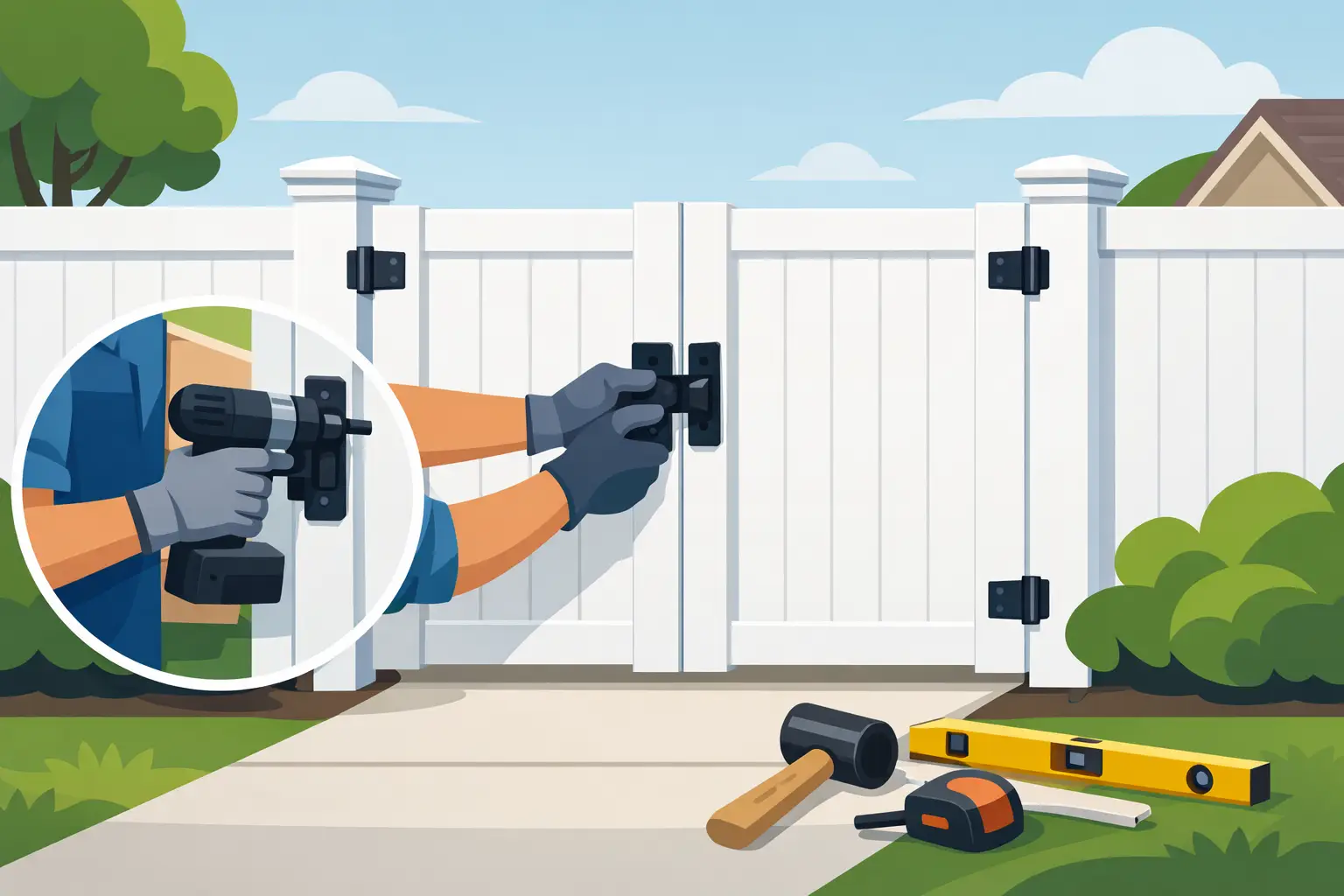
A vinyl fence can look finished from the street while the gate tells a different story. If it drags across the grass, sags within a season, or will not latch after a Florida summer storm, the issue is usually not the fence panels. It is the support system behind the vinyl fence gate installation.
For Central Florida homeowners, a gate is more than an entry point. It may be the daily path to a pool, backyard, trash enclosure, side yard, or pet run. It has to open easily, close securely, and hold up to humidity, heat, rain, and regular use. Getting those details right at the start prevents frustrating repairs later.
What Makes a Vinyl Fence Gate Different
Vinyl fencing is valued for its clean appearance, privacy, and low-maintenance finish. Unlike wood, it does not need staining or painting, and it will not rot in wet conditions. But a vinyl gate places more stress on its posts and hardware than a stationary fence section does.
Every time a gate opens, its weight pulls against the hinge post. A wide privacy gate can be especially demanding because solid vinyl panels catch wind. If the post is not set to the proper depth, reinforced when needed, and allowed to cure in stable concrete, the gate can gradually lean or bind.
That is why a good installation starts with gate placement and post planning, not simply with choosing a panel style. A professional installer considers the opening width, gate height, grade changes, swing direction, latch location, and how the space will be used before setting the first post.
Plan the Gate Around How You Use the Property
The right gate size depends on what needs to pass through it. A standard walk gate is often appropriate for foot traffic, pets, pool access, and moving lawn equipment. A wider double gate may make more sense when a homeowner needs occasional access for a trailer, landscape equipment, or a future pool project.
Wider is not always better. Larger openings need stronger support and may require a double-gate configuration to keep each leaf manageable. A single oversized gate can be heavy, difficult to operate, and more likely to sag if the hardware and reinforcement are not designed for it.
Swing direction matters just as much. The gate should open toward the area that gives users the safest and most practical access. It should not swing into a driveway, block a walkway, interfere with an air-conditioning unit, or create a pinch point near a pool deck. On a sloped yard, the clearance below the gate needs careful attention so the bottom does not scrape the ground while still limiting gaps that a small pet could slip through.
For pool barriers, gate specifications can be subject to safety requirements that go beyond ordinary privacy fencing. Self-closing hinges, self-latching hardware, latch height, and swing direction may all be part of the plan. A contractor should review the intended use before recommending a gate configuration.
The Posts Do the Heavy Lifting
A gate is only as reliable as the posts holding it. Gate posts carry repeated, moving loads, so they should not be treated like ordinary line posts.
The installer begins by locating the exact gate opening and accounting for the gate frame, hinges, latch, and operating clearance. Posts must be plumb, aligned, and set at a depth appropriate for the fence height, soil conditions, and local installation requirements. Concrete helps anchor the posts and resist movement, but the gate should not be hung until the posts are stable.
Some vinyl gate systems use metal inserts or internal reinforcement for added rigidity. This can be particularly useful for tall privacy gates, wide gates, and openings exposed to regular wind. The best option depends on the gate size and product system. Reinforcement adds cost, but it can be a smart investment when it helps prevent premature sagging and repeated service calls.
Florida soil conditions also vary from one property to the next. A sandy lot, a yard with irrigation lines, and a property with drainage challenges may each require a different approach. That is one reason an on-site estimate is more useful than a one-size-fits-all quote based only on linear footage.
Hardware Is Not a Small Detail
Hinges and latches are working parts, not decorative accessories. Quality hardware should support the gate’s weight, resist corrosion, and allow for proper adjustment over time. In Florida’s humid climate, selecting hardware built for outdoor exposure is especially important.
A properly installed gate should swing without scraping, close without being forced, and latch without slamming. If a gate needs to be lifted to latch on day one, it is not ready. Small alignment issues tend to become bigger ones as a gate is used and as the ground settles around the posts.
For families with children or dogs, the latch location deserves extra thought. A secure, easy-to-use latch helps prevent accidental openings, while a self-closing setup can provide added peace of mind for pool access and other controlled areas. For commercial properties, lockable hardware and access considerations may be part of the design.
Vinyl Fence Gate Installation and Florida Approvals
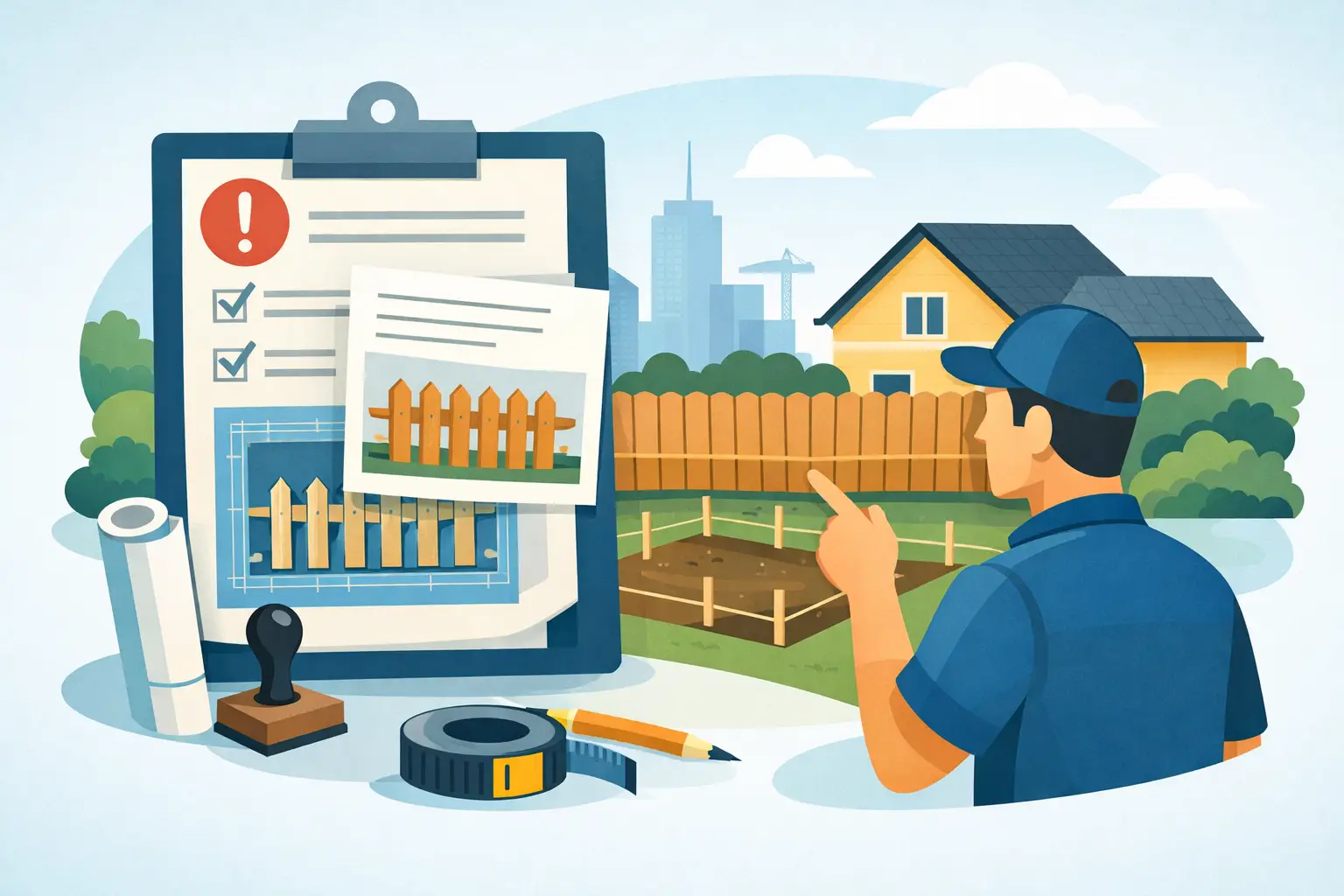
Many fence projects in Central Florida involve more than installation. Homeowners in HOA communities may need architectural approval before work begins, and some municipalities require permits or have rules affecting fence height, placement, and pool barriers.
A gate can affect those requirements because it changes how the enclosure functions. For example, a gate near a side setback, utility area, easement, or pool may need added review. Installing first and asking questions later can create delays, added expense, or the need to alter completed work.
Before scheduling a vinyl fence gate installation, confirm where the property line is, identify underground utilities, and review any community restrictions. A clear agreement should spell out the fence style, gate locations, materials, expected timeline, and responsibilities for approvals. That clarity keeps the project moving and helps avoid surprises once crews arrive.
At Primo Fence, the goal is to take the paperwork and coordination off the customer’s plate whenever possible, from HOA support and permit handling through professional installation. It is a practical advantage for homeowners who want the project done correctly without spending weeks tracking forms and requirements.
Common Problems to Avoid
Most gate problems are preventable. The most common mistake is underestimating the support needed for a wide or heavy gate. A gate may look level when it is first installed, then begin to drag as the hinge post shifts under repeated use.
Another problem is failing to allow for terrain. A perfectly level gate may not work on a sloped side yard, while a gate installed too high above uneven ground can leave an inconvenient or unsafe gap. The solution depends on the grade, the fence style, and whether the priority is pet containment, privacy, or equipment access.
Homeowners should also avoid treating a gate as an afterthought after the fence layout is finalized. Moving a gate opening later can mean resetting posts, changing panel widths, or revising the design. Discuss how you enter and use the yard during the estimate, including trash bins, mower access, pets, pool use, and planned improvements.
Finally, do not ignore a gate that starts sticking or requires extra force. Early adjustments to hardware or alignment are usually simpler than waiting until the post has shifted significantly or the latch has been damaged.
A Better Installation Experience Starts With a Clear Plan
A dependable gate should feel ordinary in the best way: it opens when you need it, closes securely behind you, and does not demand attention. That outcome comes from careful measurements, capable posts, appropriate hardware, and a layout designed for the way your household actually uses the property.
When you request an estimate, bring up every access need before the agreement is finalized. A few minutes of planning for the right gate location and configuration can give your fence the strength, safety, and convenience to serve your property for years.



0 Comments