
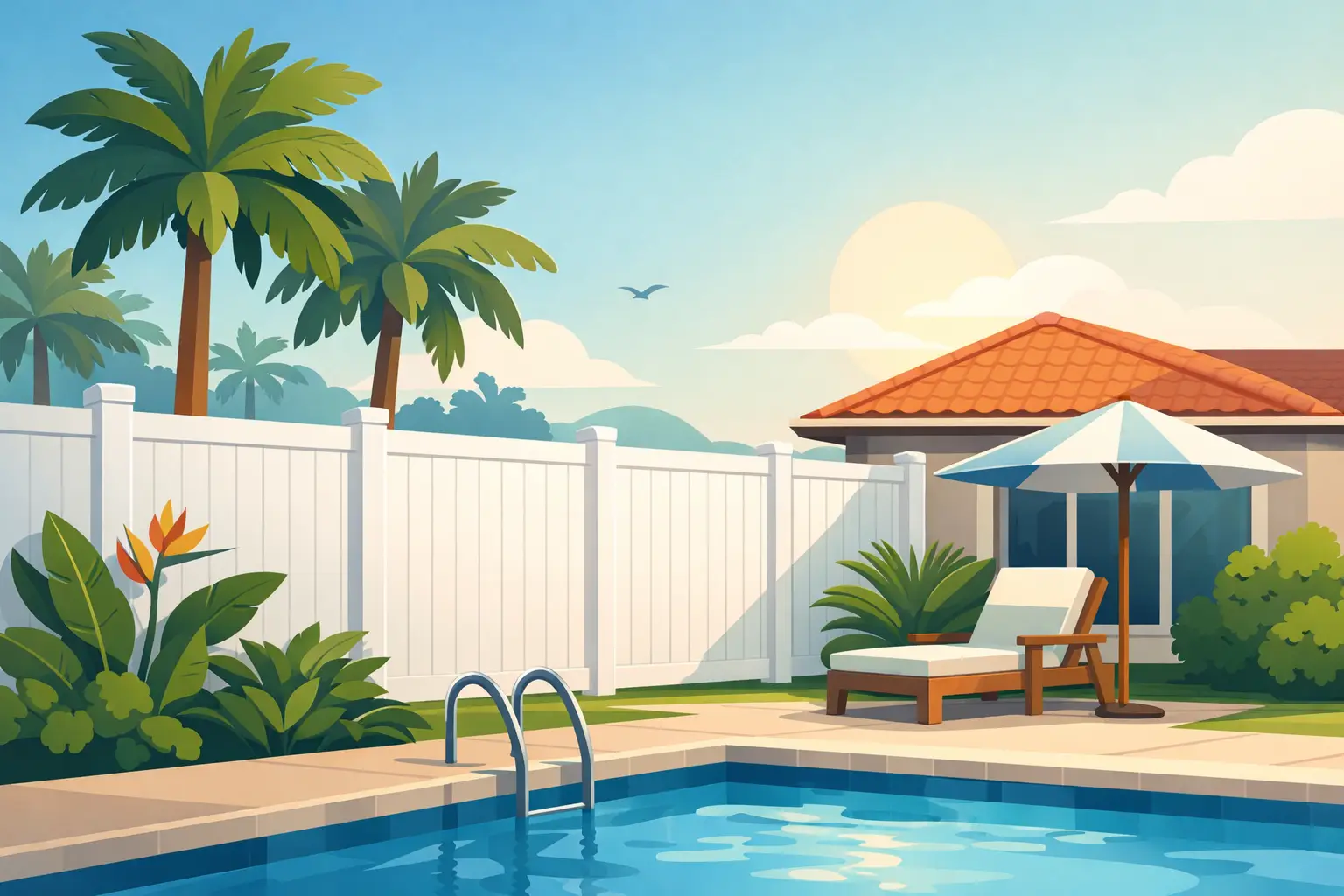
A backyard should feel like part of your home, not a space shared with every passing car or neighboring patio. Privacy fencing gives Central Florida homeowners a clear boundary, more room to relax, and added peace of mind for children and pets. The best result, however, depends on more than choosing a tall fence panel. Material, local rules, property lines, drainage, gate placement, and installation quality all matter.
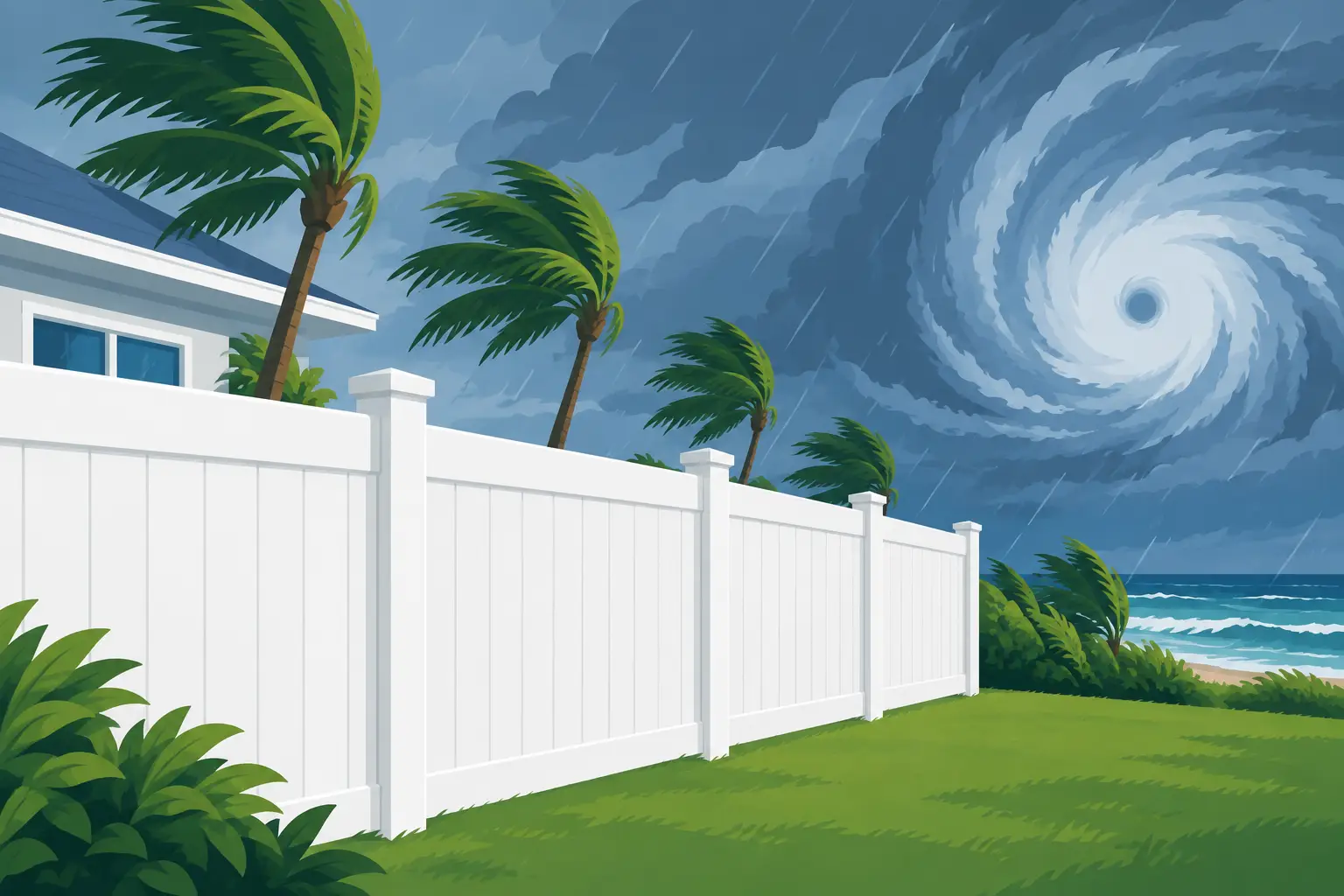
For Florida properties, a privacy fence also has to handle intense sun, heavy rain, humidity, and occasional high winds. Planning the project correctly from the start helps prevent avoidable delays, costly revisions, and a fence that does not perform as expected.
What Privacy Fencing Can Do for Your Property
Privacy is usually the first reason homeowners consider a new fence. A solid fence can block direct views into a pool area, patio, outdoor kitchen, or play space, making the yard feel more comfortable for everyday use. It can also reduce the visual distraction of nearby traffic, parking areas, or neighboring homes.
A privacy fence is not the same as a soundproof wall, but the right design can soften some outside noise. Solid vinyl/PVC or wood panels generally offer more sound reduction than open aluminum fencing because they create a continuous barrier. The effect depends on fence height, the source of the noise, distance from the road, and gaps beneath or between panels.
Security and containment are equally important. A properly installed fence creates a defined perimeter for pets and children while making casual access to the yard less convenient. Gates should be placed where they support how your household actually moves through the property, whether that means easy access to a driveway, a pool equipment area, or a side yard.
For many homeowners, appearance is part of the value as well. A clean, well-aligned fence can frame landscaping, improve curb appeal, and give an older property a more finished look. In communities with close lot lines, choosing a style that complements the home and neighborhood can make a meaningful difference.
Choosing a Privacy Fence Material in Florida
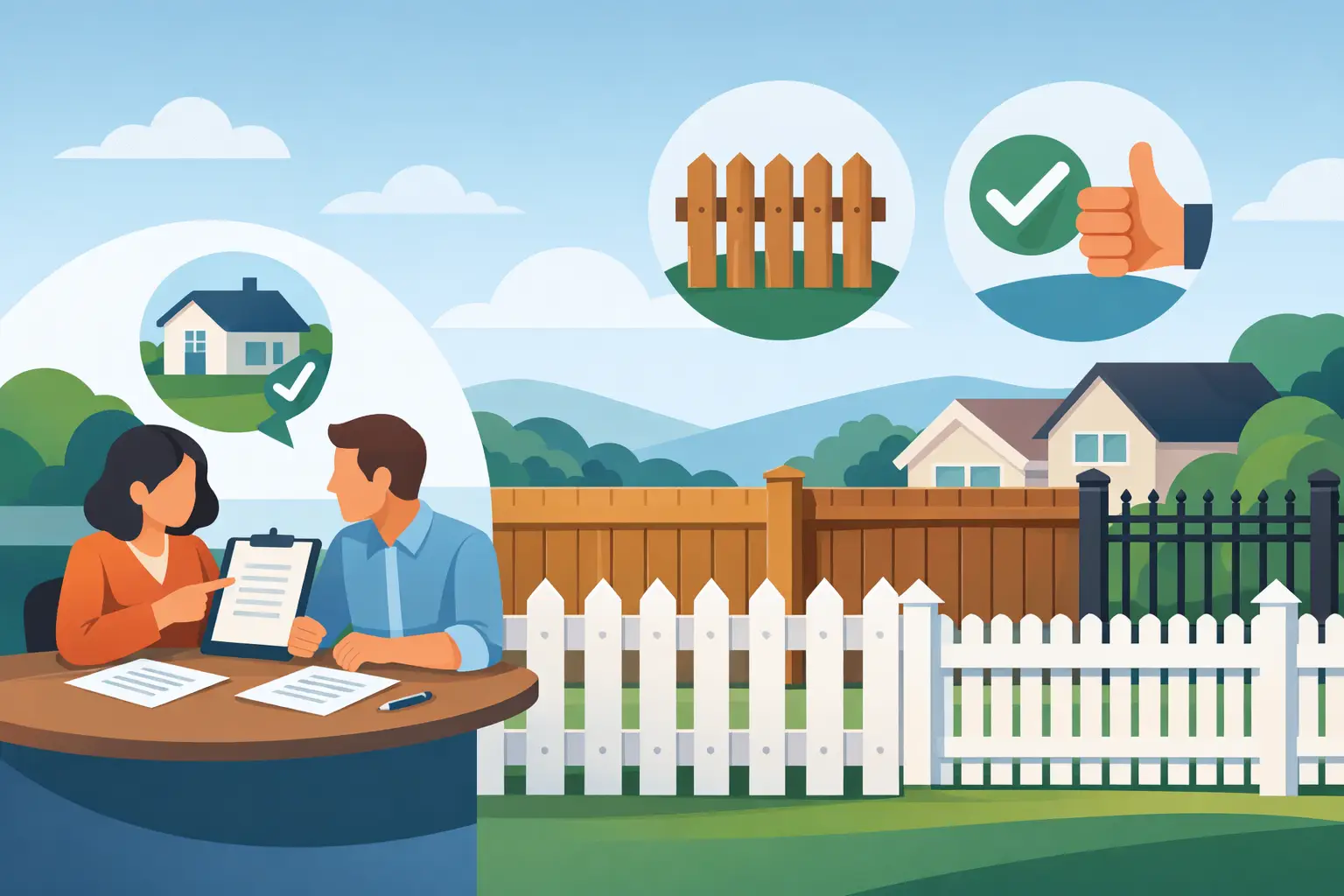
There is no single best material for every yard. The right choice comes down to your desired look, maintenance preferences, budget, HOA requirements, and the conditions around the property.
Vinyl/PVC: Low Maintenance and Consistent Coverage
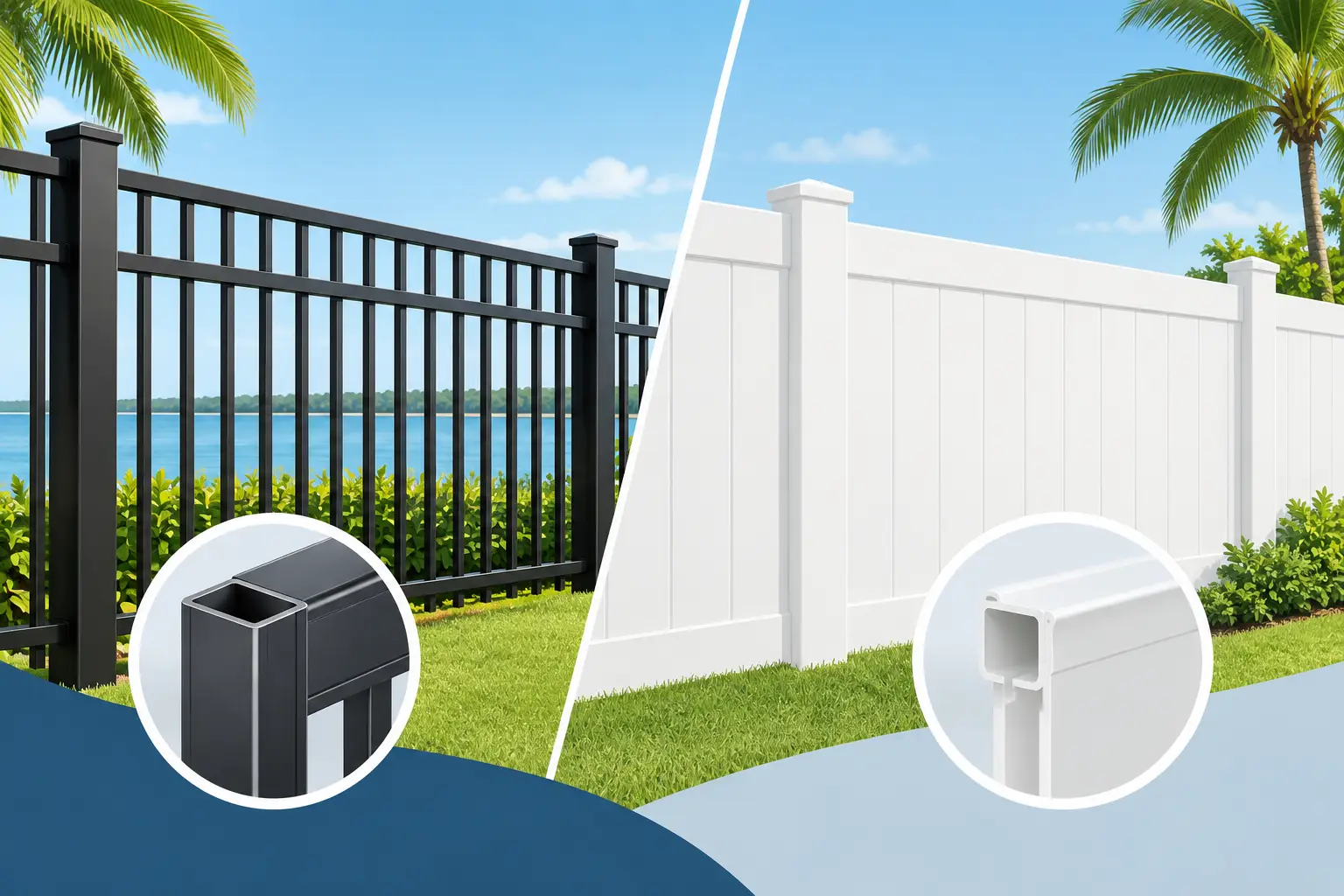
Vinyl/PVC is a popular choice for homeowners who want full privacy with minimal routine upkeep. Solid panels provide consistent coverage, will not rot like untreated wood, and do not need regular painting or staining. White remains a familiar choice, although other colors and styles may be available depending on the system.
Florida weather makes low-maintenance materials especially appealing. Rain, irrigation overspray, and humidity can leave surface dirt or mildew over time, but vinyl/PVC can generally be cleaned without the ongoing refinishing associated with wood. Quality matters, though. A fence system should be designed and installed with appropriate posts, reinforcement, and anchoring for local conditions rather than treated as a lightweight decorative feature.
Wood: Natural Character With Ongoing Care
Wood privacy fencing offers warmth and flexibility. It can work well for traditional homes, mature landscapes, and owners who prefer a natural appearance. Common designs such as board-on-board and stockade fencing can provide strong visual screening while allowing for different levels of detail and finish.
The trade-off is maintenance. Florida sun, rain, insects, and moisture can affect wood over time. Sealing or staining on an appropriate schedule helps preserve its appearance and can extend its service life. Homeowners should also expect natural movement, weathering, and eventual repair needs. Wood can be an excellent fit, but it is best for owners who are comfortable giving the fence periodic attention.
Aluminum: A Strong Boundary, Not Full Visual Privacy
Aluminum fencing is durable, clean-looking, and well suited for pools, front yards, and properties where visibility matters. It does not create complete visual privacy on its own because of its open-picket design. Still, it can be part of a privacy plan when paired with landscaping, hedges, or strategically placed privacy sections.
It is often the better choice when preserving views, meeting pool-code requirements, or following a community-approved design is the priority. An aluminum fence may also be useful along a front or side boundary while a solid fence creates privacy in the backyard.
Plan the Fence Around the Way You Use the Yard
A fence layout should solve practical problems, not simply follow a line around the lot. Start by considering where privacy is most needed. A seating area may need screening from one neighbor, while a pool deck may need more complete enclosure. You may not need the same height or design on every side of the property if local rules and community standards allow variation.
Gate planning deserves special attention. A gate that is too narrow may make it difficult to bring in lawn equipment, pool supplies, or future landscaping materials. A gate placed in the wrong location can turn a simple trip to the trash bins into an inconvenience. Think through access from the driveway, garage, side yard, and rear of the property before installation begins.
Drainage is another Florida-specific consideration. A new fence should not interfere with established swales, drainage paths, or access to utility equipment. If water regularly moves through a portion of the yard after heavy rain, the design and post placement should account for it. Good planning protects both the fence and the surrounding property.
HOA Approval, Permits, and Property Lines
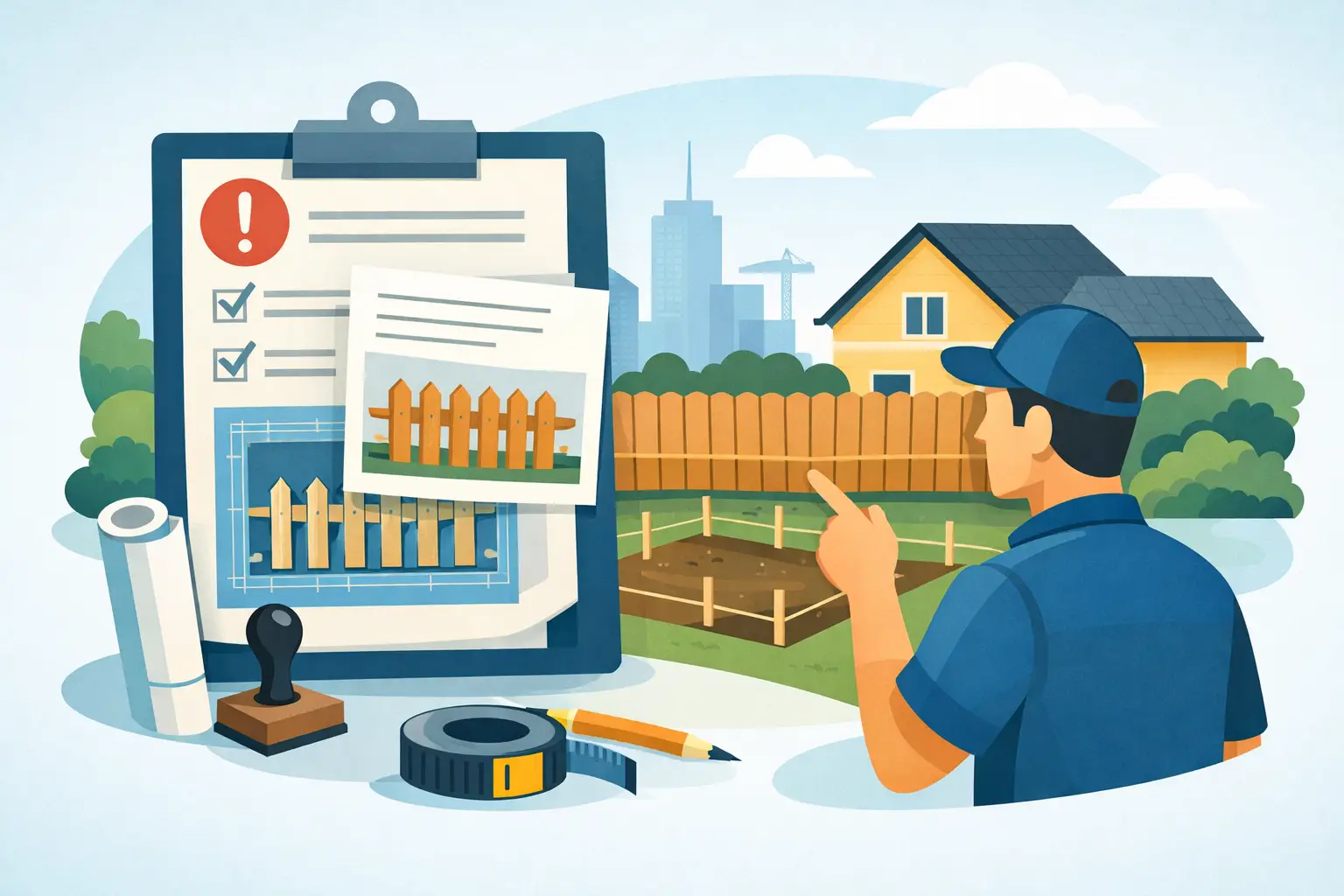
Administrative steps are often the part homeowners least want to manage, but they can determine how quickly a project moves forward. Many Central Florida communities have HOA guidelines for fence height, material, color, location, and even which side of the fence faces outward. Approval may be required before installation, even when the desired fence seems common throughout the neighborhood.
Local permitting requirements can also vary by municipality and county. A permit may involve site plans, property information, fence specifications, and confirmation that the proposed layout meets local rules. Requirements can change based on the property, the fence type, and the jurisdiction.
Property lines should never be assumed. Existing fences are not always on the legal boundary, and installing on the wrong side can create an expensive dispute. If the boundary is unclear, a survey or professional guidance may be needed before finalizing the layout. Setbacks, easements, utilities, and drainage areas can further affect where a fence can be installed.
Working with a contractor that helps manage HOA documentation and permit requirements can take much of this work off your plate. At Primo Fence, the project process is built around a clear agreement, a transparent timeline, and support with the approvals that commonly slow projects down.
Installation Details That Affect Long-Term Results
A privacy fence is only as dependable as its installation. Posts must be set correctly, aligned consistently, and secured for the soil and weather conditions on the site. Panels should be level where appropriate, follow slopes in a planned way, and avoid awkward gaps that undermine privacy or containment.
For solid fence systems, small details have a visible impact. Uneven post spacing, poorly fitted gates, loose hardware, and inconsistent panel lines can make a new fence look unfinished from day one. Gates should open and latch smoothly, with hardware selected to handle regular use. If your property has a pool, gate and fence requirements may be more specific and should be addressed early in the planning process.
Homeowners should also ask about the project schedule, what preparation is needed, and how the site will be handled during installation. Clear communication about old fence removal, access needs, landscaping near the line, and cleanup helps the installation move efficiently without surprises.
Get the Right Balance of Privacy, Budget, and Appearance
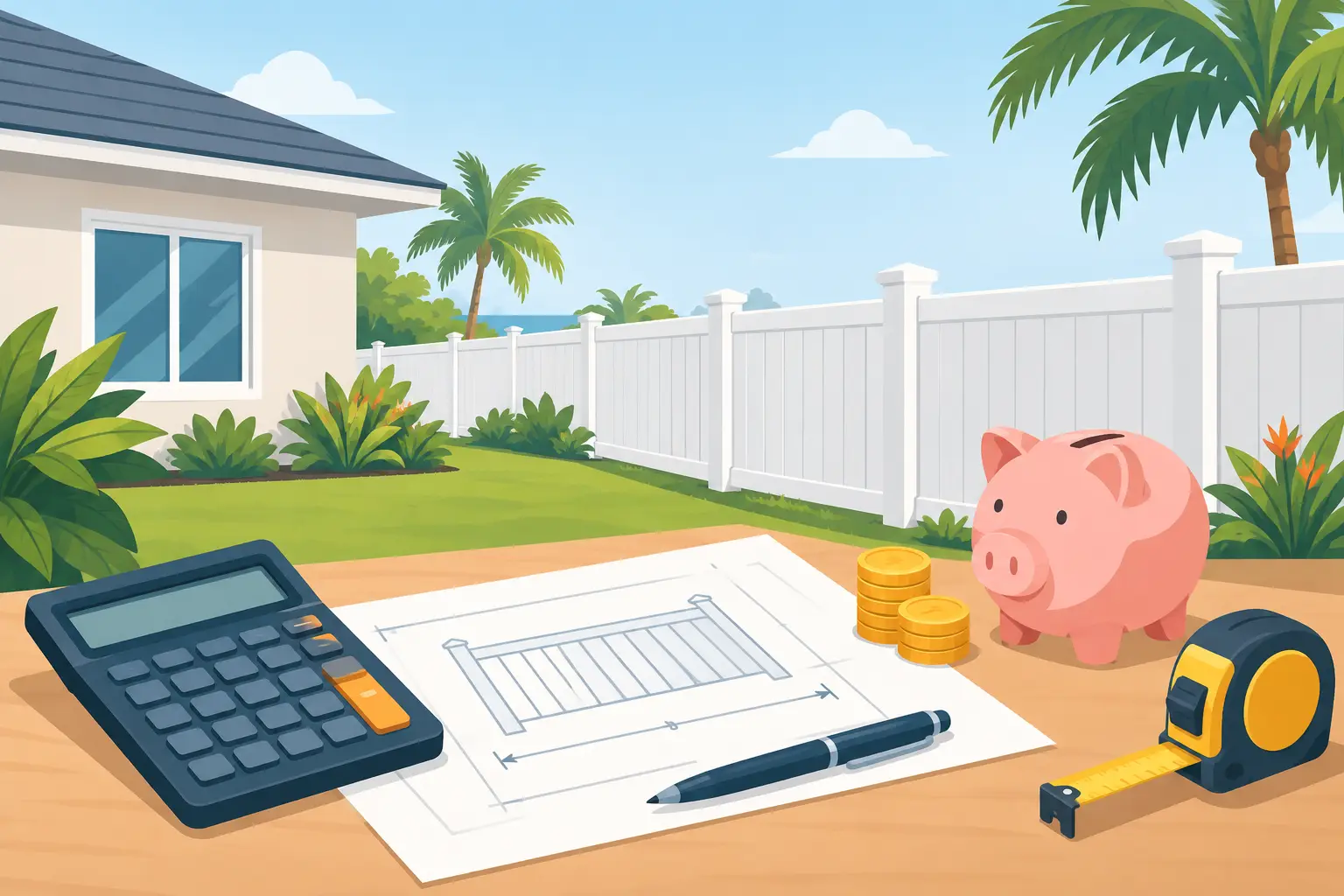
The lowest upfront price is not always the best value if the material does not suit the property or the installation leaves issues behind. At the same time, the most expensive option is not automatically necessary. A thoughtfully planned vinyl/PVC fence may be ideal for one family, while wood better fits another home’s style and budget. An aluminum and landscaping combination may offer the best balance for a property that needs security without closing off its view.
A free on-site estimate is a practical place to begin. It gives you the chance to discuss your goals, evaluate the layout, review material options, and identify HOA or permitting needs before committing to a design. When the plan reflects your home, your neighborhood, and Florida’s weather, privacy fencing becomes a long-term improvement you can enjoy every time you step outside.


0 Comments