
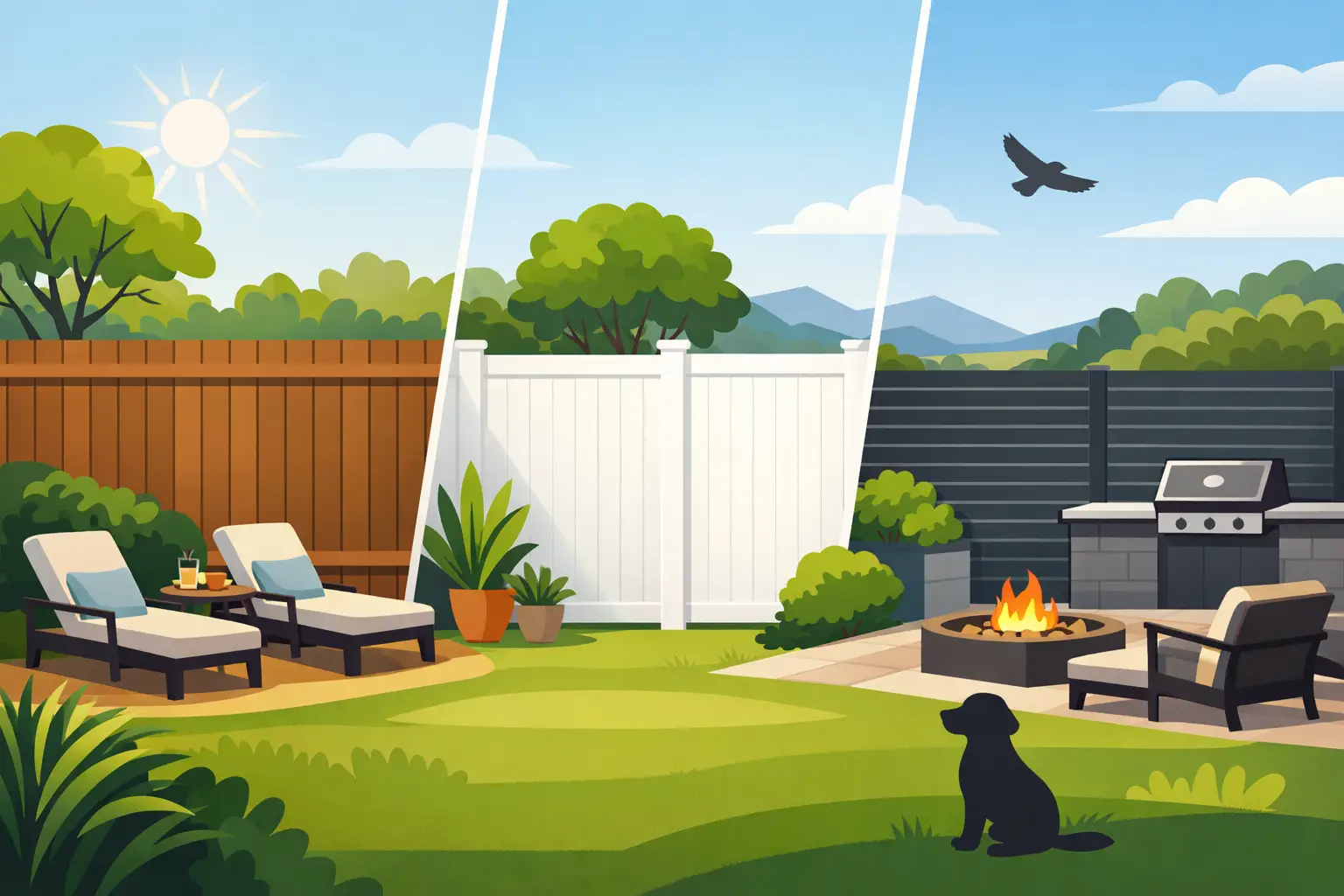
A backyard can feel wide open the moment a new neighbor moves in, a pool goes up next door, or your dog finds a clear view of every passing squirrel. The right privacy fence for backyard use creates a more comfortable space for family time, pets, outdoor dining, and quiet afternoons without making your property feel closed in.
For Central Florida homeowners, choosing that fence means looking beyond the panel style. Sun, summer storms, HOA rules, property lines, drainage, and gate placement all affect the finished result. A fence should look right on day one and continue doing its job through years of heat, rain, and daily use.
Start With How You Want the Backyard to Work
Privacy is often the first goal, but it is rarely the only one. A family with young children may need a secure boundary and a self-closing pool gate. A pet owner may need a gap-free enclosure that keeps a dog safely inside. Another homeowner may simply want to block an unattractive view while preserving an open feel near the front or side yard.
Before selecting a material, think about where privacy matters most. A full privacy fence along the rear property line may be enough if the neighboring homes sit close together. Side-yard panels can create a private outdoor room, while a more open fence near the front keeps the home welcoming and may better fit community standards.
Height matters, too. A 6-foot fence is a common choice for residential privacy, but local regulations and HOA guidelines can set limits based on the location of the fence. Corner lots, pool areas, and properties near easements can have additional requirements. Planning around those details early helps prevent a beautiful design from turning into an approval delay.
Vinyl or Wood: The Main Privacy Fence Choices
Vinyl and wood are the most common materials for a privacy fence in Florida. Both can create a solid visual barrier, but they have different strengths and maintenance needs.
Vinyl privacy fencing
Vinyl, also called PVC fencing, is a practical choice for homeowners who want a clean, uniform appearance with low routine maintenance. It does not need painting or staining, and it will not rot or attract termites. For Florida properties exposed to regular humidity and rain, that can be a major advantage.
White vinyl remains a popular choice, though tan and other color options may work better with certain home exteriors or HOA palettes. Vinyl privacy panels can be installed in traditional solid styles, shadowbox-inspired looks, or styles with lattice accents near the top.
The trade-off is that vinyl requires quality installation and appropriate reinforcement. Posts, gates, and hardware need to be properly set for wind conditions and regular use. A less expensive installation that cuts corners on post depth or gate support can become costly when storms and daily traffic put pressure on the fence.
Wood privacy fencing
Wood offers a warmer, more natural look that suits many Florida homes. It is flexible from a design standpoint, with options such as board-on-board, stockade, shadowbox, and horizontal-style layouts. Wood also makes it easier to create a custom look around uneven terrain or existing landscaping.
A wood fence does require ongoing care. Florida sun and moisture can fade, dry, warp, or weather the boards over time. Sealing or staining can help protect the wood and refresh its appearance, but homeowners should expect maintenance as part of the long-term cost.
The right wood species, properly installed posts, and good drainage make a meaningful difference. If your priority is a natural style and you do not mind periodic upkeep, wood can be an excellent backyard privacy solution. If minimizing maintenance is more important, vinyl may be the better fit.
Where aluminum fits in
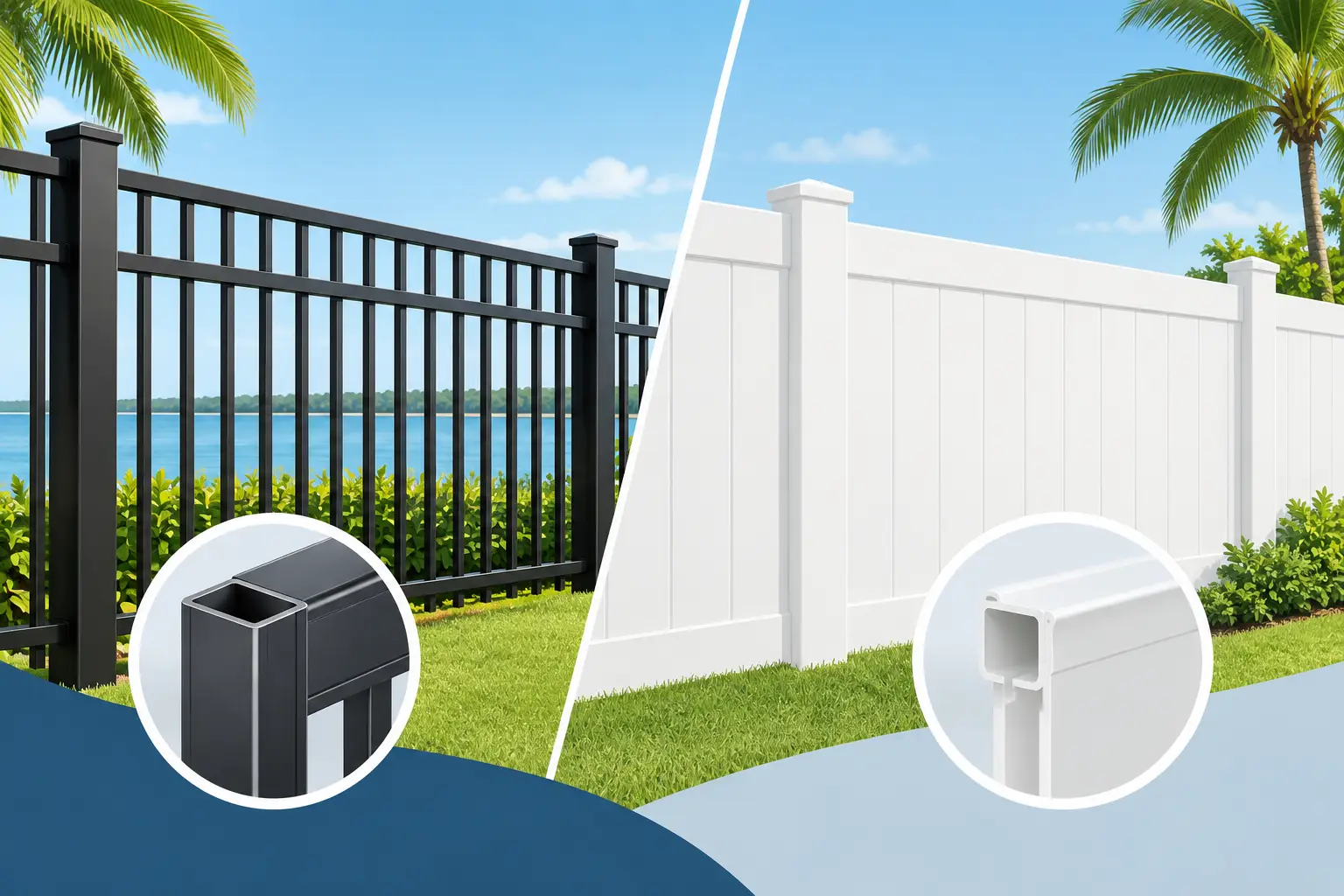
Aluminum fencing is not typically used as a full privacy barrier because its pickets are open. Still, it can be a smart part of a larger backyard plan. Homeowners sometimes use privacy fencing along the sides and rear, then aluminum fencing around a pool, lake view, or landscaped area where visibility matters.
This combination can give you privacy where you need it without blocking every sightline. It can also help a property feel less boxed in, especially on smaller lots.
Plan for Florida Weather, Not Just the Look
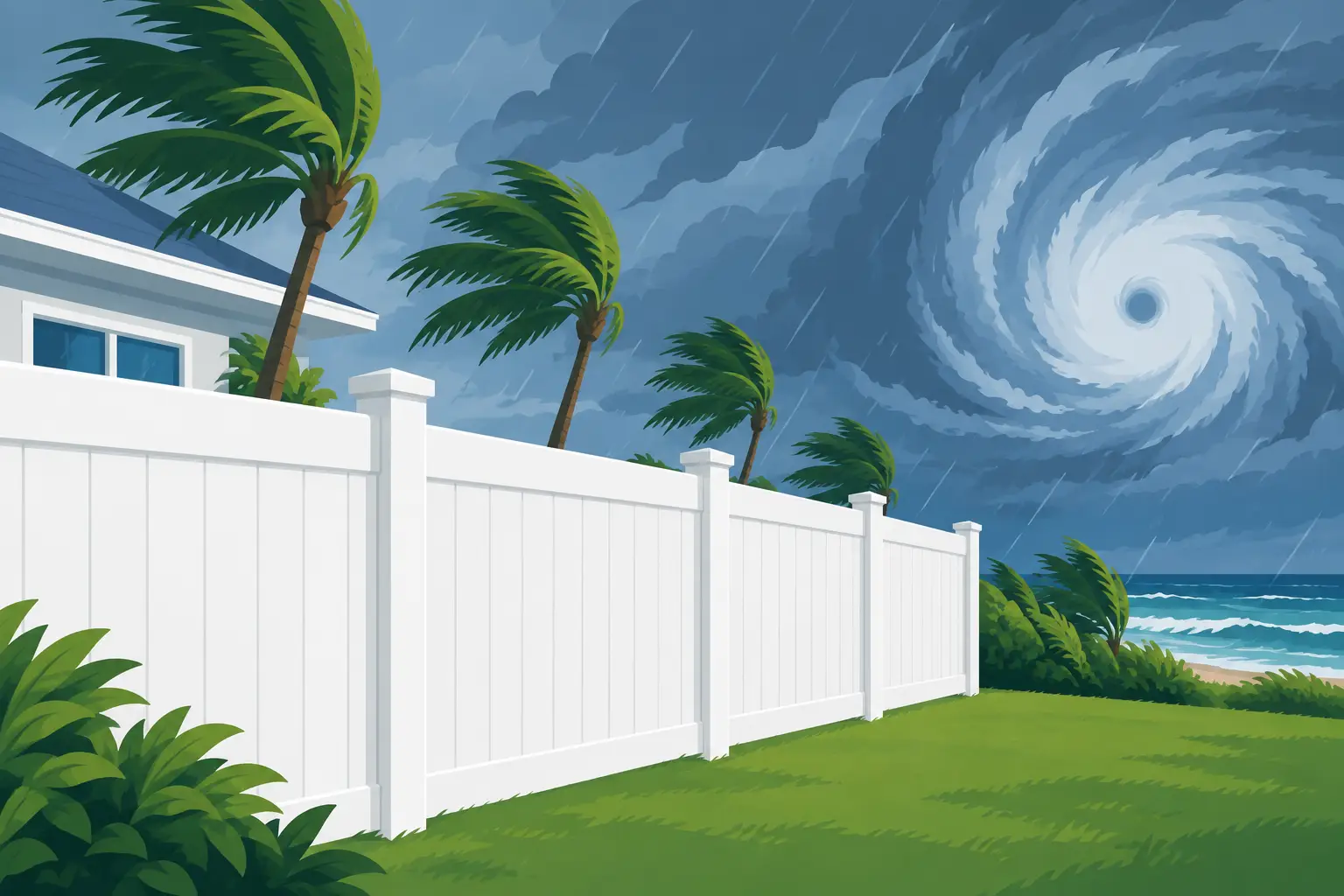
A privacy fence has a large surface area, which means wind loads deserve serious attention. Central Florida storms can bring heavy rain and strong gusts quickly, so fence posts, rails, fasteners, and gates need to be selected and installed with local conditions in mind.
The layout matters as much as the material. A long, uninterrupted stretch of solid fence receives more wind pressure than an open-picket design. That does not mean you should avoid privacy panels. It means the installation should account for the fence height, soil conditions, panel style, and any exposed areas of the yard.
Water management is another practical consideration. A fence should not trap runoff against your home, interfere with swales, or block access to drainage areas. If the backyard has a noticeable slope, a stepped or contoured layout can keep the fence looking intentional while maintaining a secure boundary.
Trees deserve a closer look during planning. Large roots can affect post locations, and overhanging limbs can lead to future cleanup or damage. A professional site visit helps identify those issues before installation day rather than after crews arrive.
Property Lines, Permits, and HOA Approval
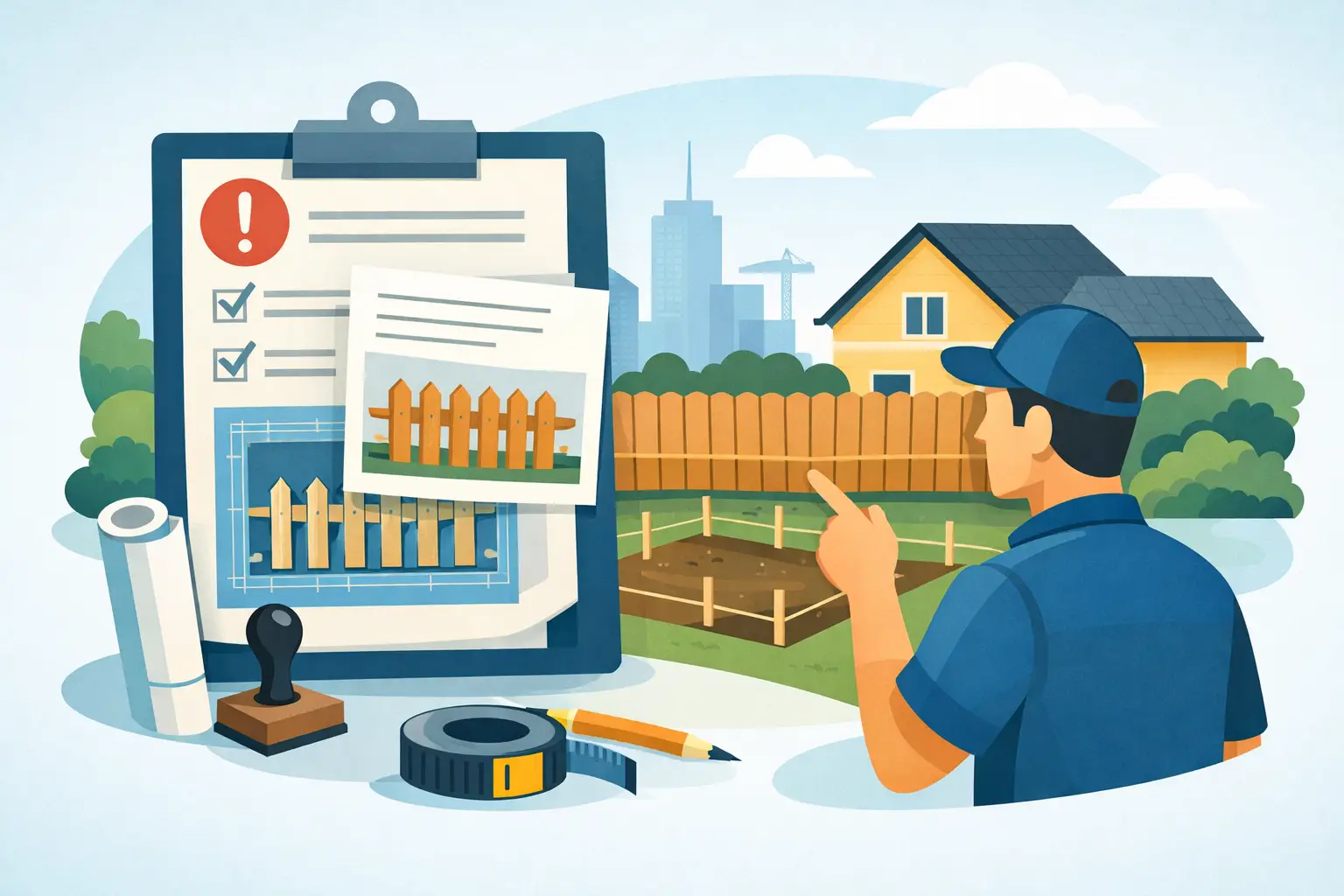
Many fence projects become frustrating when paperwork is treated as an afterthought. In Florida, requirements vary by city, county, neighborhood, and property type. A permit may be required, and HOA communities often have rules for fence height, material, color, location, and style.
Do not rely only on an old survey, a neighbor’s fence, or a landscaping edge to determine your property line. Those features are not always accurate. If boundary placement is unclear, reviewing your survey before finalizing the layout can protect you from a costly mistake and a difficult conversation later.
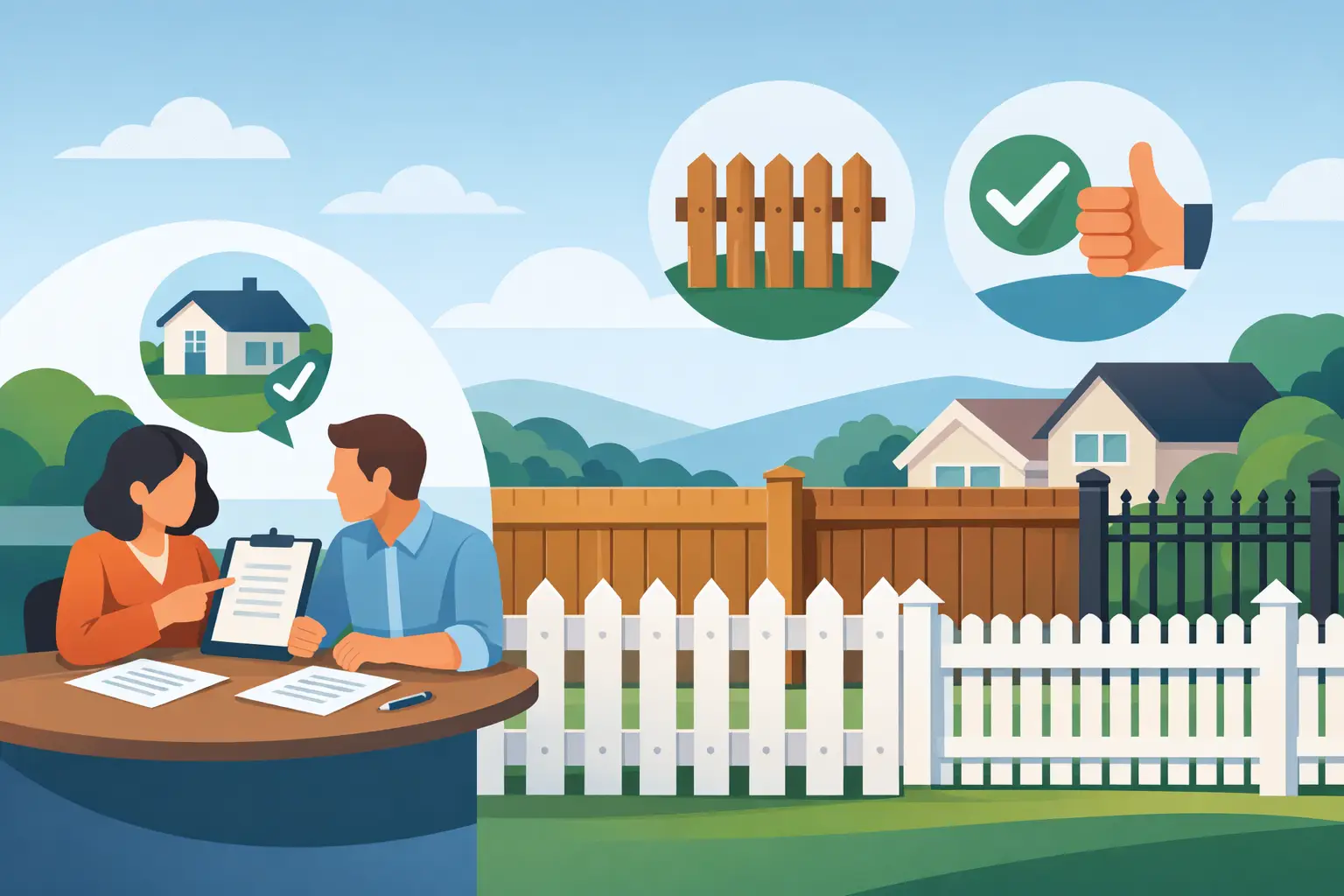
For HOA properties, request the architectural guidelines before choosing a fence style. Some associations require a specific vinyl color, prohibit certain wood designs, or limit privacy fencing to rear-yard areas. Approval timelines also vary, so it is wise to allow time for review before scheduling installation.
A contractor who handles permitting and HOA support can remove a major source of uncertainty. Primo Fence helps homeowners move from a free estimate to a clear agreement and coordinated installation while managing the approval steps that can otherwise slow down a project.
Do Not Treat the Gate as an Afterthought
A privacy fence is only as convenient as its access points. Think through how you use the yard before deciding on gate size and location. A standard walk gate may be enough for taking out trash or letting a mower through, but a wider double gate can be valuable for equipment, landscaping crews, or future pool work.
Gate placement should make daily life easier. A gate near the driveway may be best for storing bins or accessing the side yard. A gate near the patio may be more useful for entertaining. If children, pets, or pool safety are part of the project, reliable latches and appropriate self-closing hardware are especially important.
Gates receive more movement than any other part of the fence. Properly supported posts and quality hardware help prevent sagging, dragging, and alignment issues over time.
What a Clear Fence Estimate Should Cover
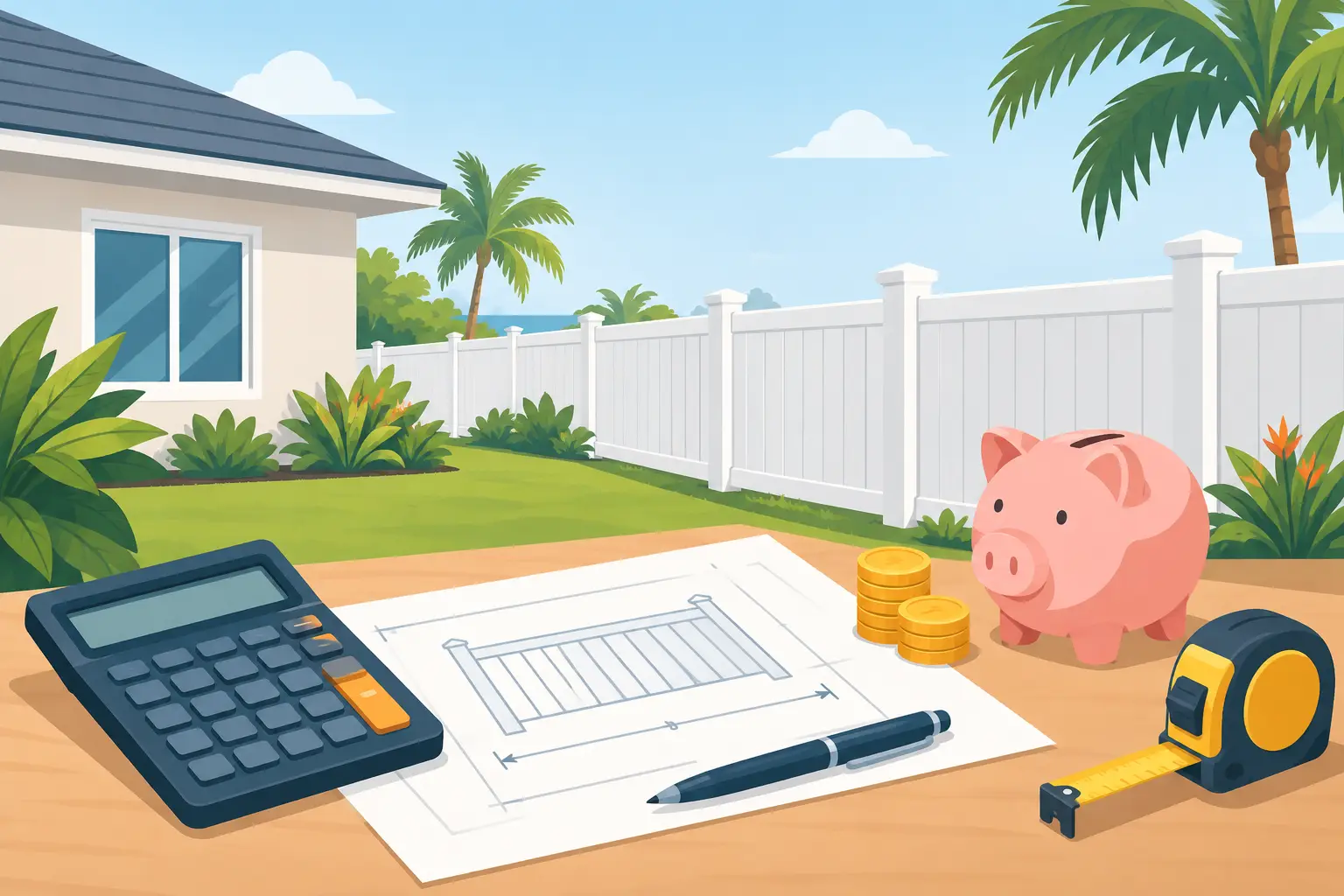
A useful estimate should be more than a single price. It should explain the proposed material, fence height, linear footage, style, gate count, and any work that may affect the schedule or cost. If removal of an existing fence is needed, that should be clearly addressed as well.
Ask how the contractor will handle permits, HOA documents, utility marking, and post placement around obstacles. You should also understand the expected project timeline and what conditions could change it, such as pending approvals, weather, or hidden site conditions.
Transparent pricing does not mean every project costs the same. It means you know what is included before work begins and have a clear path for addressing changes if they arise. That clarity is particularly valuable when you are comparing materials with different long-term maintenance costs.
A backyard fence should give you more reasons to enjoy your property, not more chores to manage. Start with the privacy level you need, choose a material that fits your maintenance preferences, and work with a team that can handle the details from layout to approval. The result is a backyard that feels like it belongs to you again.


0 Comments