
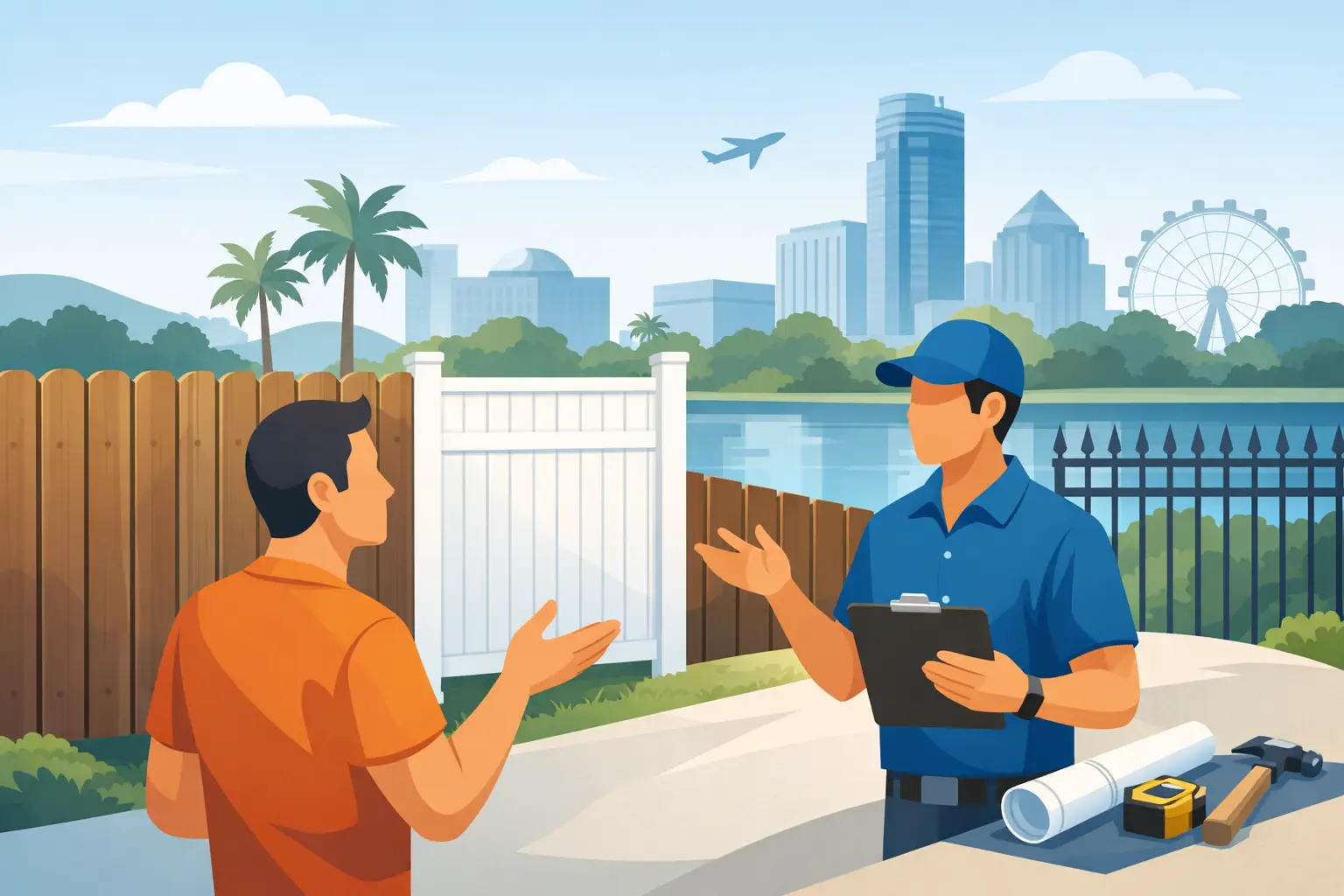
A new fence often starts with a simple need: a safer yard for the dog, more privacy around the patio, a clear boundary for a new home, or a better-looking perimeter for a business. But choosing a fence contractor Orlando property owners can trust involves more than selecting a style and requesting a price. In Central Florida, the right contractor should help you move from idea to finished fence without leaving permits, HOA paperwork, scheduling questions, or material decisions on your plate.
The lowest quote can be tempting, especially when several projects compete for your budget. Yet a fence is exposed to Florida sun, rain, wind, sprinkler water, and everyday use for years. The value of your project depends on sound planning, appropriate materials, clear communication, and installation work that holds up after the crew leaves.
Start With the Purpose of Your Fence
Before comparing contractors, get clear on what the fence needs to do. A privacy fence behind a busy Orlando-area home has different requirements than a decorative aluminum fence around a front yard or a secure enclosure for a commercial property.
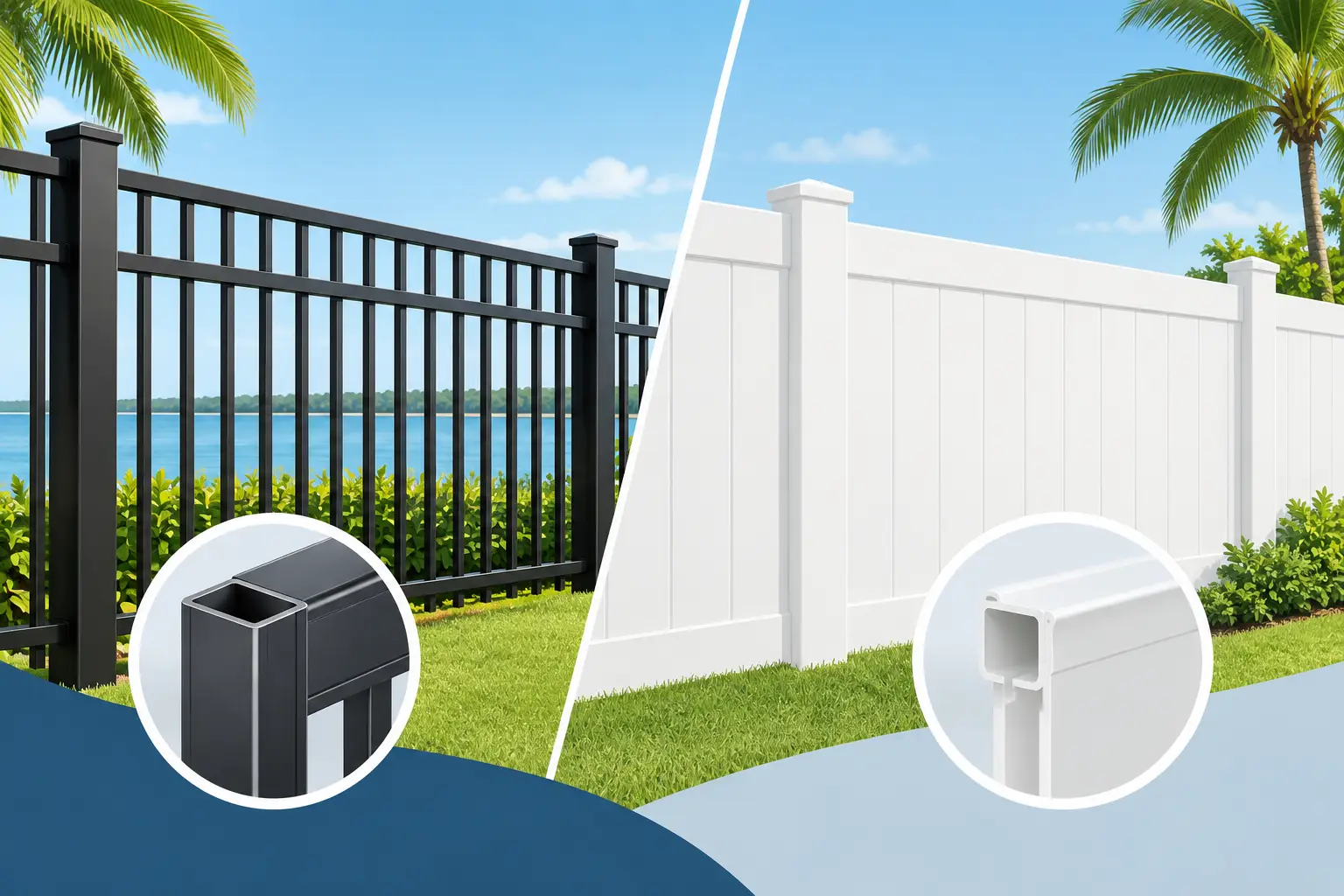
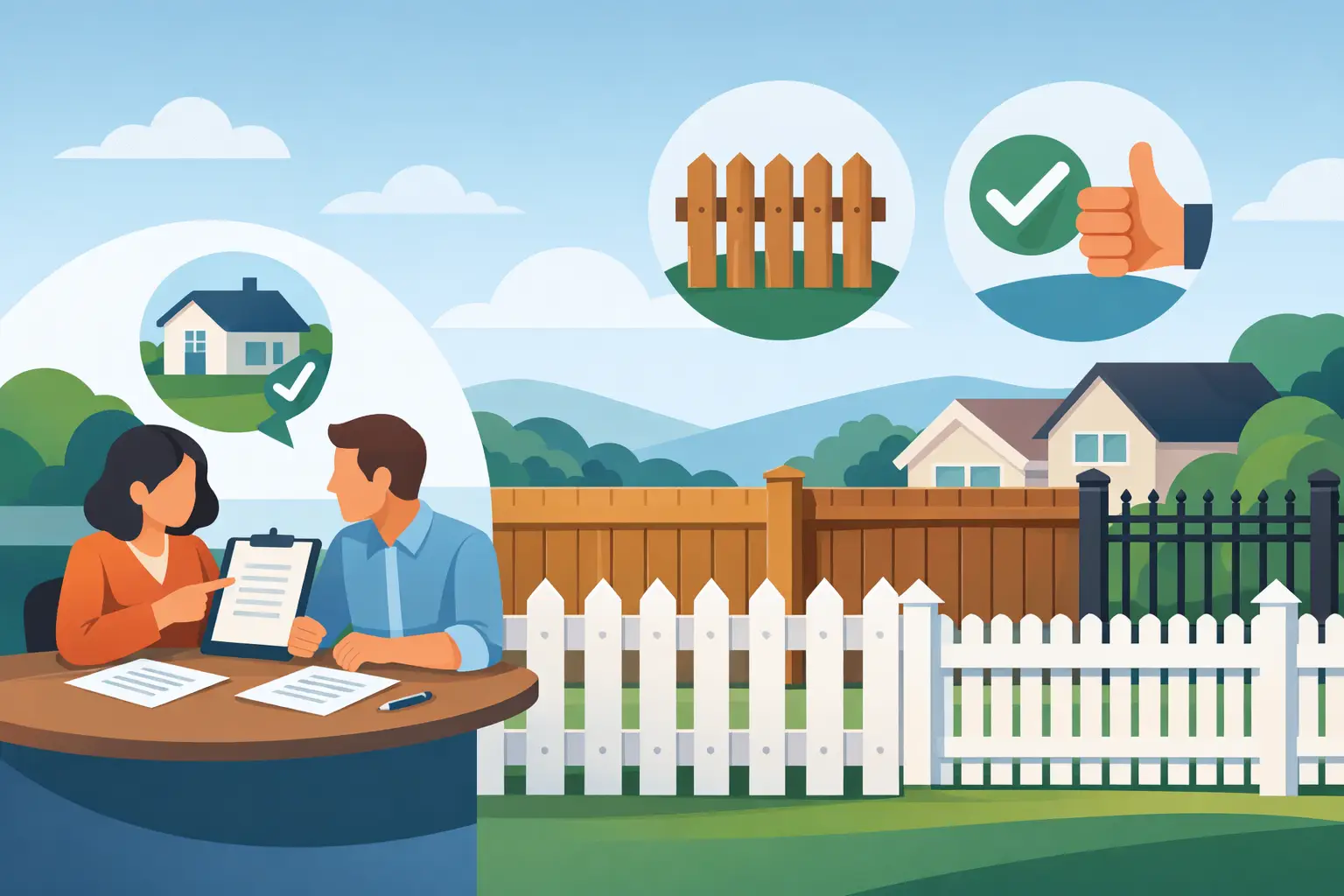
For many families, the priority is privacy and a dependable space for children or pets. Vinyl/PVC and wood privacy fencing are common choices, but they create different looks and maintenance expectations. Vinyl offers a clean, consistent appearance and does not require painting or staining. Wood brings a traditional look that many homeowners prefer, although it may need more upkeep over time in Florida’s moisture and sun.
Aluminum fencing works well when you want a defined boundary, pool-area visibility, curb appeal, or security without closing off the view. It can be especially practical around landscaped areas, ponds, and entryways. The best material is not always the most expensive one. It is the one that fits your property, goals, neighborhood guidelines, and long-term maintenance preferences.
A good contractor should ask how you use the space, where gates are needed, whether the ground slopes, and what matters most to you. Those early questions help prevent a fence that looks right on paper but feels inconvenient once it is installed.
Ask What the Estimate Actually Includes
A free estimate should give you more than a total number. It should make it easier to understand the scope of your project and compare proposals fairly. If one company provides a short verbal price while another explains materials, gate locations, removal, permitting, and projected timing, the two prices may not represent the same work.
Ask whether the agreement identifies the fence material, style, height, approximate footage, post installation approach, gate hardware, and demolition or disposal of an existing fence. If your project has unusual access challenges, tree roots, a slope, or shared boundary considerations, those details should be discussed early rather than treated as surprises later.
Transparent pricing does not mean every project costs the same. A simple backyard run is different from a property with multiple gates, restrictive access, an old fence to remove, or HOA design requirements. It means you understand what is included, what could affect the cost, and what happens if an adjustment becomes necessary.
Choose a Fence Contractor in Orlando Who Handles the Paperwork
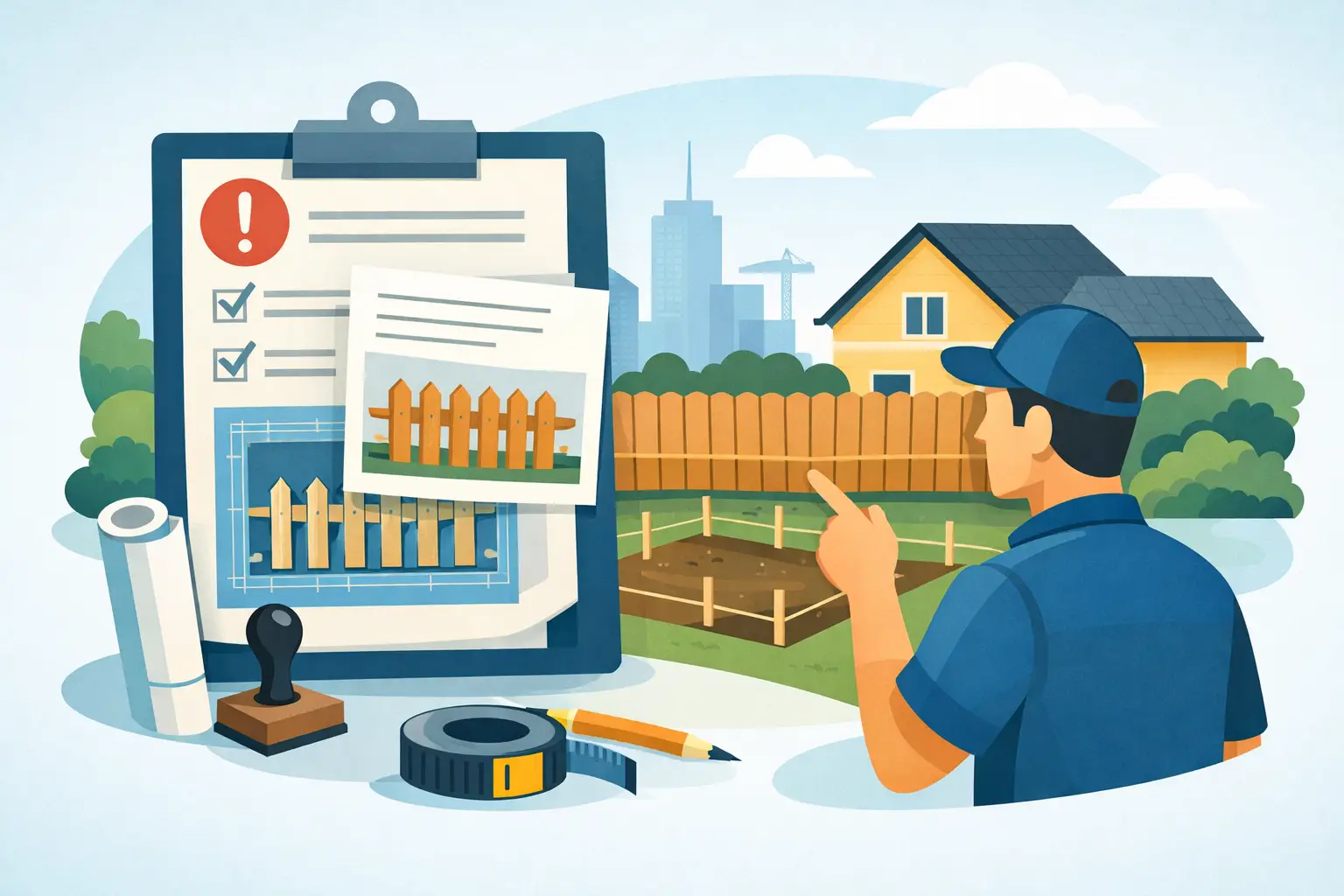
Permits and HOA approvals are where many fence projects lose momentum. The requirements can vary by municipality, community, fence location, height, and material. Some communities have rules about color, style, placement, or whether the finished side of the fence faces outward. A contractor who treats these steps as an afterthought can create unnecessary delays.
Ask directly who will manage permit applications and whether the contractor can support your HOA submission. You should also ask what information you need to provide, such as a survey, site plan, community forms, or approval letter. The answer should be clear and practical, not vague.
This is particularly valuable for homeowners who are busy managing work, family schedules, or a move into a new property. Primo Fence focuses on handling the planning, approval management, and permitting process alongside professional installation, so customers have a clear path forward instead of a stack of unfamiliar requirements.
There are still situations where a homeowner’s participation is necessary. An HOA may require the owner to sign a form, submit an account number, or provide a specific survey. A dependable contractor explains those responsibilities early and keeps communication moving so a small missing item does not stall the project.
Look Beyond Material Samples
A material sample can help you picture the finished fence, but workmanship matters just as much. Posts must be positioned and set correctly. Fence lines should follow the plan cleanly. Gates should open, close, and latch properly. Transitions around corners, slopes, landscaping, utilities, and existing structures need careful attention.
When speaking with a contractor, ask about the installation timeline and how the crew prepares the site. Find out how they communicate if weather affects the schedule. Florida rain can interrupt outdoor work, and no contractor can control the forecast. What separates a professional experience is prompt updates and realistic rescheduling, not a promise that conditions will never change.
It is also reasonable to ask about warranties. A long material warranty can be reassuring, but understand what it covers and whether there is separate coverage for installation. Ask how service requests are handled if an issue appears after completion. A company that is responsive before the contract is signed should be prepared to stand behind its work afterward.
Pay Attention to Communication Before the Job Begins
The way a company handles your first call or estimate appointment often reflects the rest of the project. You should not have to chase basic answers about pricing, materials, next steps, or scheduling. A professional contractor will not pressure you into a decision, but they should be able to explain the process with confidence.
Look for practical signs of accountability: a clear agreement, an understandable project timeline, a contact person who responds, and a plan for the day of installation. For commercial owners and property managers, the same principle applies. Fast installation is valuable when it is paired with site coordination, property security awareness, and straightforward invoicing.
Reviews can offer useful context, especially when they consistently mention communication, fair pricing, respectful crews, craftsmanship, and completion time. One isolated complaint does not tell the whole story. Patterns do. Read for details that match your own concerns, whether that is HOA support, gate quality, cleanup, or a crew’s care around an occupied property.
Plan for Your Property, Not Just the Fence
A fence can improve the way your property functions every day, but placement deserves attention. Confirm boundaries before installation, particularly along shared property lines. A survey is often the best starting point when there is any uncertainty. Do not rely solely on an old fence, a neighbor’s assumption, or a row of landscaping to establish a legal boundary.
Think through access as well. A gate that is too narrow for lawn equipment, pool maintenance, trash bins, or a future shed can become frustrating quickly. If you have pets, discuss the gate latch and any areas where a small gap could matter. If you are fencing a pool area, make sure the design addresses applicable safety requirements rather than assuming any gate and fence combination will work.
For wood fencing, consider drainage and ongoing exposure to sprinklers. For vinyl/PVC, think about the level of privacy and the visual impact on a smaller lot. For aluminum, consider where visibility is an advantage and where a privacy screen may be more useful. These are not reasons to overcomplicate the project. They are the details that make a finished fence feel like it belongs on your property.
Make the Decision With Confidence
The right fence contractor will make the process easier to understand, not harder. They should help you select a material that suits Florida conditions, provide a transparent agreement, explain permitting and HOA steps, establish a realistic timeline, and install the fence with care.
Take the time to compare more than price. A slightly higher estimate may be worthwhile when it includes responsive service, approval support, quality materials, reliable installation, and a warranty you can understand. On the other hand, paying more does not automatically guarantee better work, which is why clear questions and written details matter.
A fence is part of your home or business every day. Choose a contractor who treats it that way, then begin with a straightforward consultation that turns your priorities into a plan you can feel good about.


0 Comments