
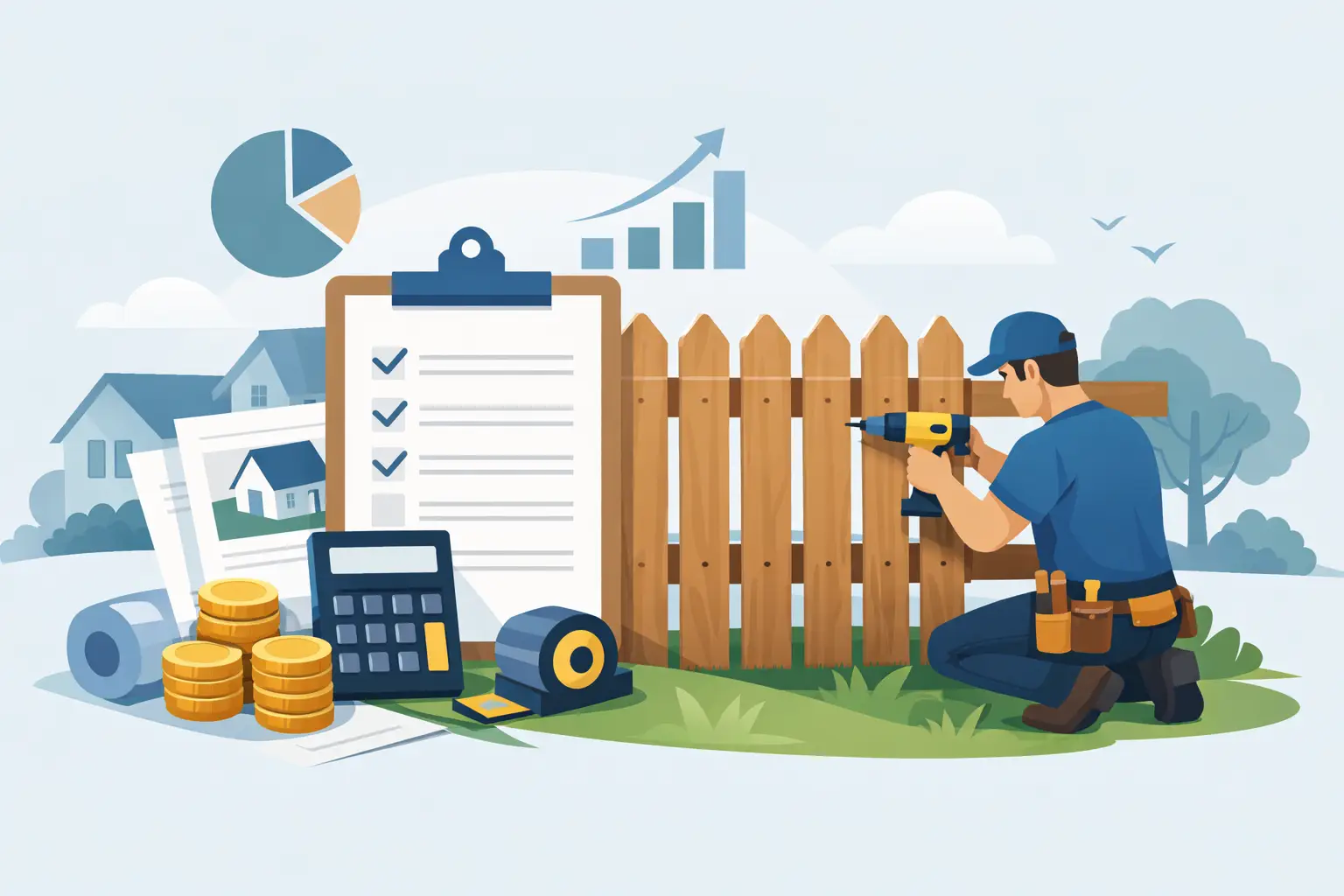
A wood fence can change how a property feels almost immediately. It creates privacy around a pool or patio, gives children and pets a more secure place to play, and makes a backyard feel finished. But how much does installing a wood fence cost? For most Central Florida homeowners, the answer depends less on one flat price and more on the length, height, style, site conditions, and approval requirements behind the project.
A professional estimate should make those variables clear before work begins. That way, you can compare options based on the finished fence you need, not a low starting number that leaves out labor, gates, removal, or permitting.
What Does Wood Fence Installation Cost in Florida?
As a general planning range, a professionally installed wood fence in Central Florida may cost about $20 to $45 or more per linear foot. A straightforward pressure-treated pine privacy fence on an open, level lot will often land toward the lower or middle portion of that range. A taller fence, premium cedar material, difficult access, multiple gates, or a property with unusual elevations can increase the final cost.
For a typical 150-linear-foot project, that can mean a budget of roughly $3,000 to $6,750 or more. A 250-linear-foot backyard enclosure may range from approximately $5,000 to $11,250 or more. These are planning figures, not a substitute for a site-specific quote, because two properties with the same footage can require very different amounts of work.
Florida homeowners should also consider that pricing may include more than fencing material and installation. Survey review, property-line considerations, HOA documents, permit requirements, gate hardware, demolition of an existing fence, and haul-away can all affect the scope. A transparent proposal separates these details so there are fewer surprises once the project is scheduled.
The Biggest Factors That Shape Your Wood Fence Price
Fence length and height
Linear footage is the starting point for almost every fence estimate. More fence means more posts, panels or pickets, concrete, labor, and delivery. Height matters, too. A 6-foot privacy fence uses more material and requires sturdier support than a 4-foot decorative or boundary fence.
For many Florida backyards, a 6-foot wood privacy fence is the most requested option because it balances privacy, security, and cost. If your goal is simply to mark a boundary or contain a small pet, a shorter design may meet the need at a lower total cost. Local code and HOA rules can limit allowable height, especially in front yards or along corner lots.
Wood type and fence style
Pressure-treated pine is a practical, widely used choice for Florida fencing. It is generally more affordable than cedar and is treated to help resist decay and insects. Cedar offers a more refined natural look and can carry a higher material cost. Either option needs thoughtful installation and ongoing care in Florida’s sun, rain, humidity, and storm season.
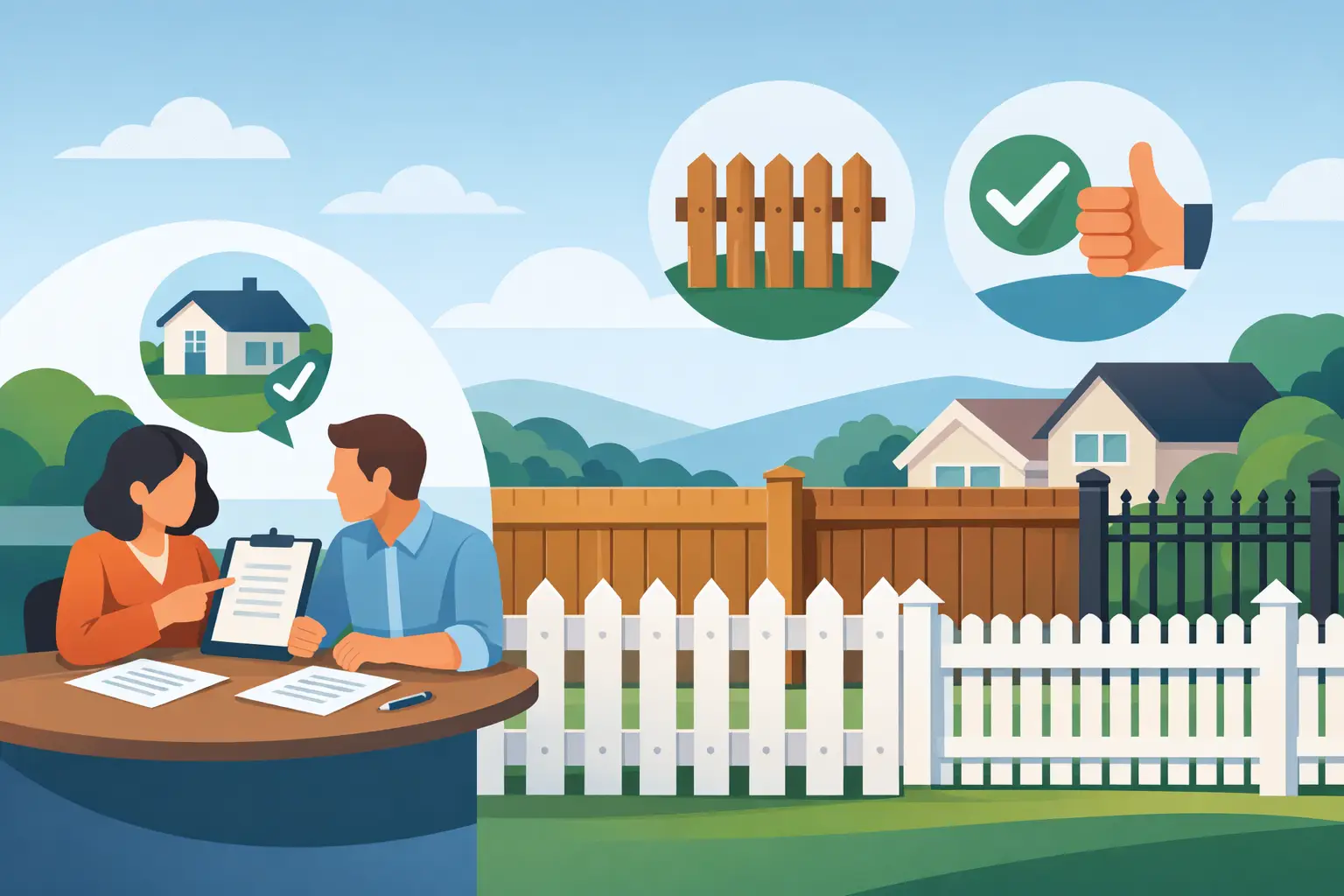
Style also changes the price. A basic side-by-side privacy fence is often more economical than board-on-board construction, shadowbox designs, horizontal layouts, or custom trim details. Those upgraded styles can improve appearance and airflow, but they involve additional material and labor. The right choice depends on whether your priority is budget, complete privacy, curb appeal, or a balance of all three.
Posts, framing, and installation method
A fence is only as dependable as the structure holding it up. Posts, rails, fasteners, concrete, and proper spacing may not be the most visible part of the project, but they have a major effect on durability. Florida weather puts fences through intense conditions, including saturated soil, high winds, and prolonged UV exposure.
A professional installer will assess the layout and use an installation approach suited to the property and fence design. Saving money by reducing post depth, spacing posts too far apart, or using undersized framing can create a fence that looks fine on day one but becomes loose, warped, or unstable sooner than it should.
Gates and access points
Gates are one of the most common reasons a project costs more than a simple per-foot calculation suggests. A walk gate requires framing, hinges, latch hardware, and careful alignment. A wider double gate needs additional support and planning so it can operate reliably over time.
Consider how you use the yard before finalizing gate locations. A gate that allows access for lawn equipment, a pool service company, trash bins, or a future outdoor project can make daily life easier. It is usually more cost-effective to include the right gate during the original installation than to modify a completed fence later.
Existing fence removal and site conditions
Removing an old fence is separate work. Crews may need to pull posts set in concrete, remove damaged panels, load debris, and haul it away. Dense landscaping, tree roots, slopes, drainage features, tight side yards, and limited access can also add labor time.
Before pricing a project, a contractor should walk the property or review the site carefully. A clear evaluation helps identify issues that cannot be seen from a simple aerial measurement, such as an old buried fence line, a narrow access route, or a change in grade behind the home.
Permits, HOAs, and Property Lines Can Affect the Budget
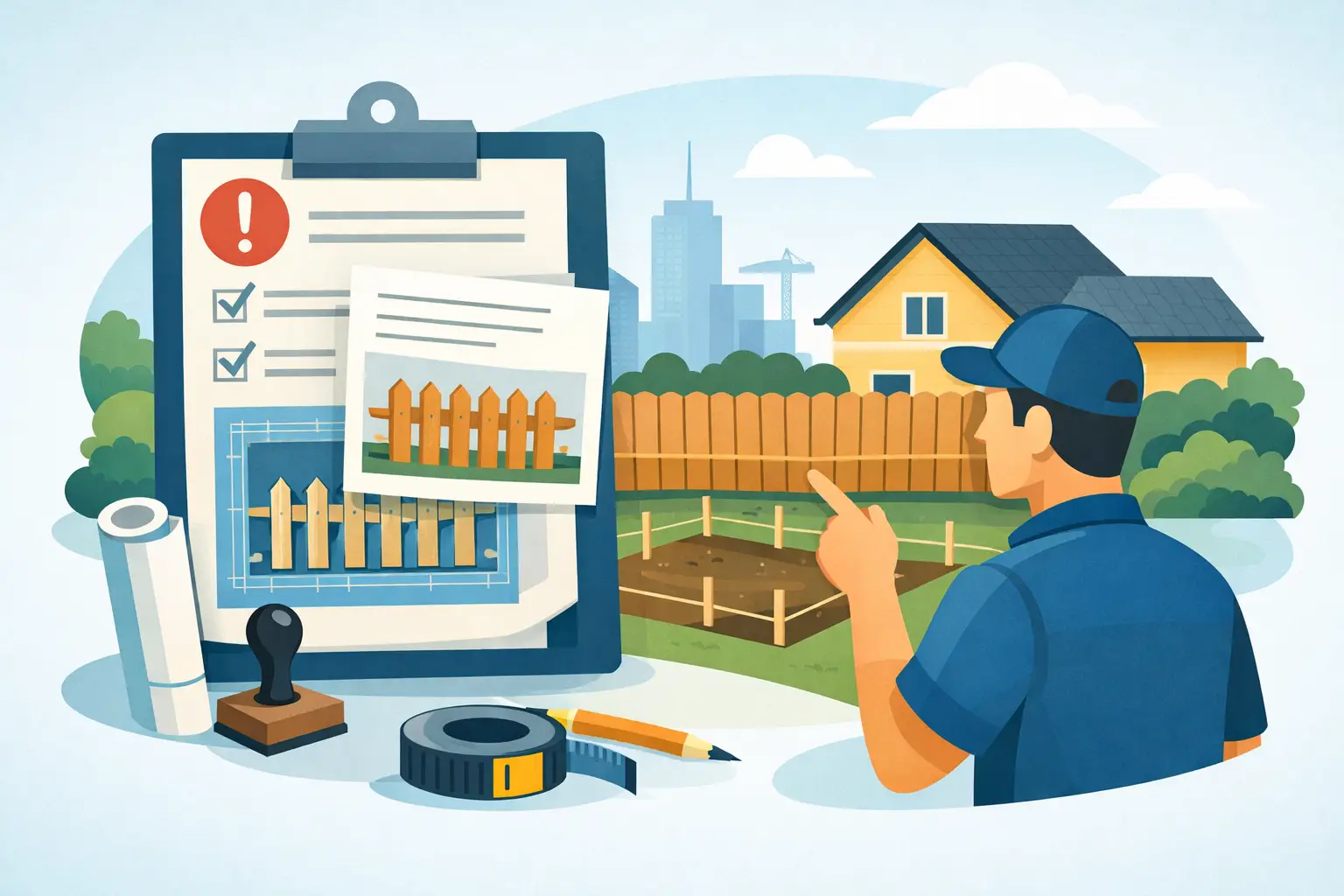
The fence itself is only part of the project. In many Central Florida communities, homeowners must obtain HOA approval before installation, and some municipalities require permits or specific documentation. Requirements can vary by city, county, community, fence height, and location on the lot.
There may be application fees, survey requirements, setback rules, or design standards to address. An HOA may specify fence color, height, style, or the sections of the property where a privacy fence is allowed. Installing first and checking later can lead to costly corrections, delays, or disputes.
It is also wise to verify property boundaries before work starts. Existing fences are not always installed on the true property line. If a recent survey is unavailable or unclear, resolving that question upfront protects your investment and helps prevent conflict with neighbors.
This is where a full-service fence contractor can save more than time. Managing approval paperwork, permit coordination, and project scheduling gives homeowners a clearer path from estimate to installation. It also reduces the chance that a project stalls after materials have been selected.
How to Compare Wood Fence Estimates Fairly
The lowest quote is not always the lowest overall cost. When comparing estimates, make sure each contractor is pricing the same fence height, style, material, gate count, linear footage, removal scope, and permit responsibilities. A price that appears lower may exclude demolition, concrete, hardware, or administrative work that will later appear as an added charge.
Ask whether the proposal identifies the material type, post and rail configuration, gate details, expected timeline, and warranty coverage. You should also understand what happens if a hidden site issue is found after work begins. Clear communication at the estimate stage is a strong sign of a well-managed project.
For homeowners focused on long-term value, it helps to think beyond the installed price. A properly planned fence can improve privacy, pet safety, security, and the usable feel of an outdoor space for years. A fence that needs premature repairs because of weak installation or unclear property boundaries can quickly erase a modest upfront savings.
Ways to Plan a Wood Fence Project Without Sacrificing Quality
Start by deciding what the fence must accomplish. Privacy, containment, security, pool-area separation, and appearance can point to different designs. If the budget is tight, prioritize the sections that need privacy most, such as the backyard or a side yard facing close neighbors, rather than adding decorative upgrades everywhere.
Keeping the layout relatively direct can also help control costs. Extra corners, curves, stepped sections, and multiple gates require more materials and labor. That does not mean you should choose a layout that does not work for the property. It means each design choice should have a purpose.
Finally, plan for care after installation. Wood fences benefit from periodic inspection, cleaning, sealing or staining when appropriate, and prompt attention to loose hardware or damaged boards. In Florida, that routine maintenance helps protect the appearance and lifespan of the fence.
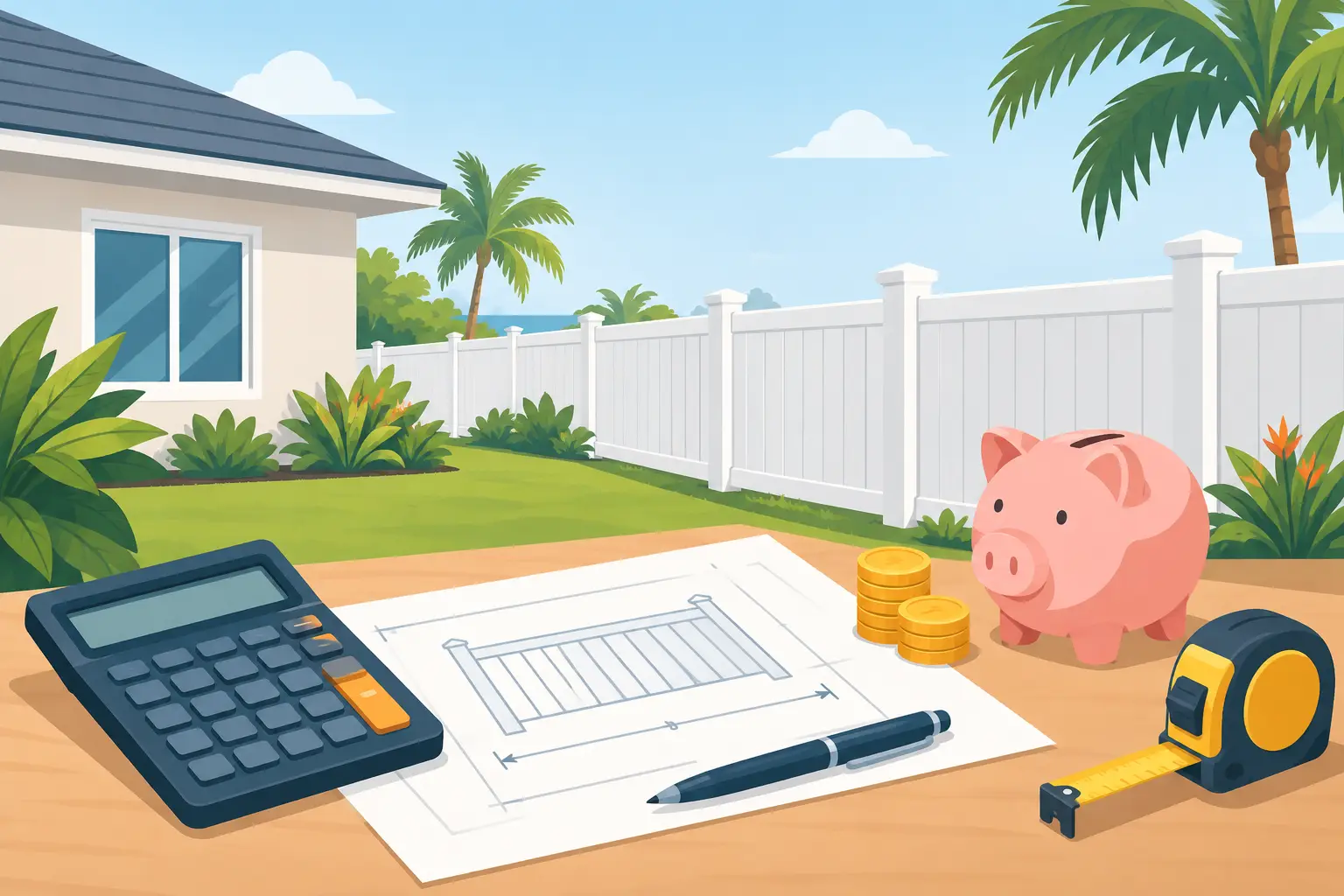
A free, detailed estimate is the best way to turn a broad cost range into a dependable project budget. With a clear agreement, a realistic timeline, and HOA and permit requirements handled early, your new wood fence can move forward with far less uncertainty.


0 Comments