
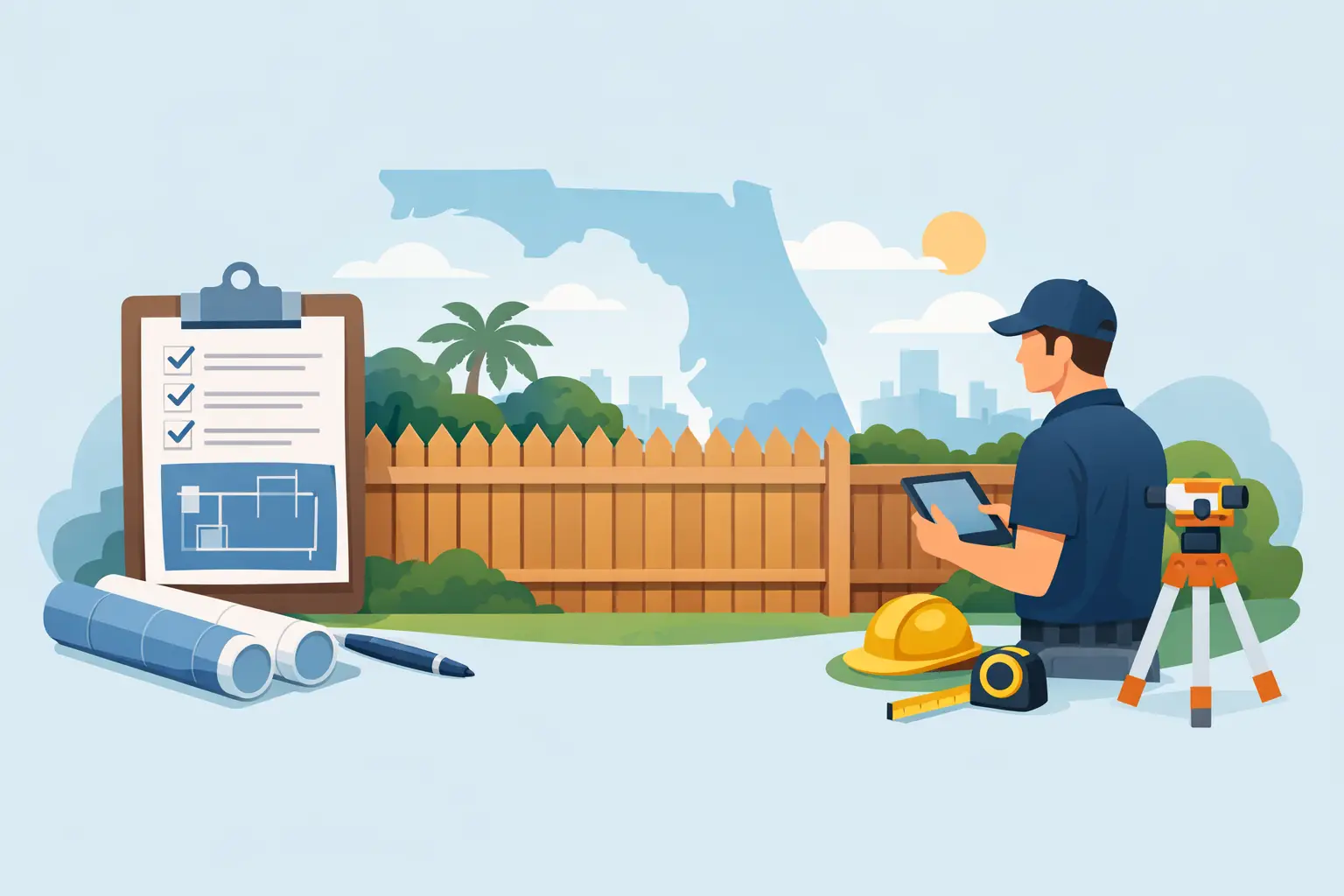
A fence can look like a straightforward home improvement project until the paperwork starts. Florida fence permit requirements can vary from one city or county to the next, and the rules may change based on your fence height, material, location on the lot, pool access, and neighborhood association. Checking the details before installation protects your timeline, budget, and finished result.
For homeowners across Central Florida, the goal is usually simple: create privacy, keep children or pets safer, define the property line, or replace an aging fence. A permit should not turn that goal into a drawn-out project. The key is knowing what your local authority and HOA need before materials arrive.
Why Florida Fence Permit Requirements Vary by Location
Florida does not use one statewide fence permit form or one universal rule for every property. Local building departments, planning and zoning offices, and municipalities set many of the practical requirements. A residential fence that does not require a permit in one jurisdiction may require an application, site plan, or zoning review a few miles away.
That is why a neighbor’s recent project is not always a reliable guide. Their lot may be in a different municipality, have no HOA, or use a fence in a different location. Corner lots, waterfront properties, commercial sites, and homes near easements can also face additional review.
Local rules often address fence height, approved materials, visibility near driveways and intersections, and whether a fence can extend into a front or side yard. Many areas treat front-yard fencing differently from backyard fencing. A six-foot privacy fence that works well behind a home may not be permitted along the front property line or within a required visibility area.
When Is a Fence Permit More Likely to Be Required?
A permit is more likely when the fence is taller than the locally exempt height, installed in a front yard, tied to a pool enclosure, or located on commercial property. Gates, retaining walls, masonry columns, and electric access controls may also bring separate requirements. Even a replacement fence can need approval if the new design changes the height, material, or footprint.
Pool-related fencing deserves particular care. Florida pool safety rules are designed to prevent unsupervised access, so the barrier height, gate operation, latch placement, gaps, and self-closing features may all matter. A standard backyard fence is not automatically a compliant pool barrier. If the fence will help secure a pool area, confirm the requirements before selecting a style or scheduling work.
Commercial fence projects often involve a wider review. Property managers and business owners may need to consider zoning, access, fire lanes, dumpster enclosures, security gates, utility routes, and site drainage. The best installation plan balances security and appearance with the rules that apply to the property.
Fence Height and Placement Matter Most
Height and placement are two of the first details a permitting office will review. Local limits may differ between a backyard, side yard, front yard, corner lot, or easement area. The measurement method can matter, too. Some jurisdictions measure from finished grade, while sloped yards, retaining walls, or elevated lots can make that less obvious.
Placement should be based on a reliable property survey, not the location of an old fence. Existing fences are sometimes built inside, outside, or directly on a property line. Installing in the same location without checking can create a boundary dispute or force a costly adjustment later.
What You May Need for a Fence Permit Application
The exact application package depends on the jurisdiction, but most reviews start with clear information about the property and proposed fence. A recent survey is often the most useful document because it shows property lines, easements, setbacks, and existing structures.
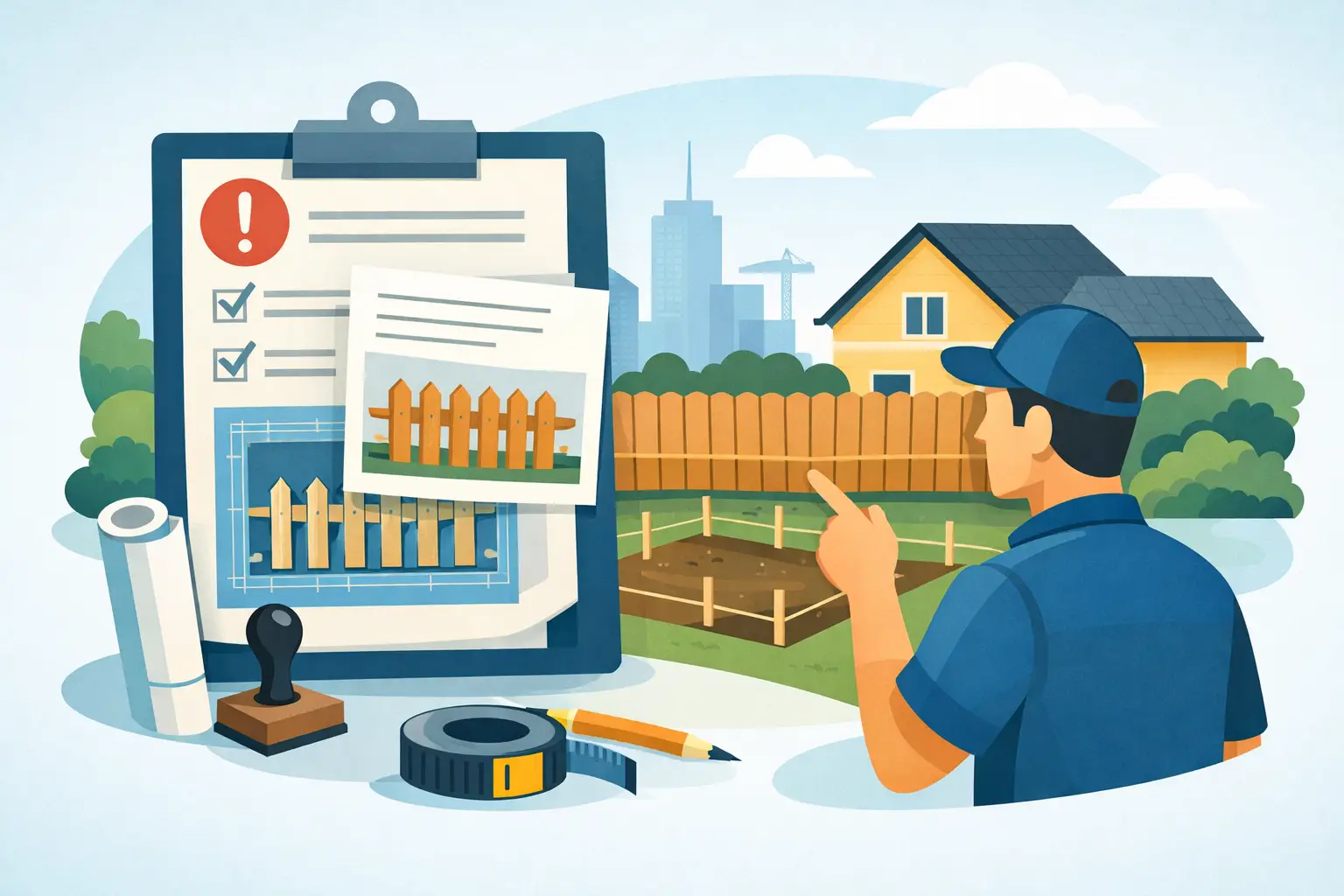
The permitting office may also request a site plan that marks the proposed fence route, height, gate locations, and distance from property lines or structures. Product information or a simple fence elevation can help verify the material and design. For pool barriers, more detailed gate and latch information may be required.
If you hire a contractor, the application may need contractor licensing and insurance information as well. If the homeowner applies directly, the office may have separate owner-builder paperwork. Requirements are not meant to create busywork. They give the reviewer enough information to confirm that the fence will be safe, appropriately placed, and consistent with local rules.
Before a permit is submitted, it is also smart to identify underground utilities. A fence post installed in the wrong place can damage a utility line and stop a project immediately. Utility marking and permit approval are separate steps, and both should be handled before digging begins.
HOA Approval Is Different From a Permit
One of the most common sources of delay is assuming that HOA approval and a government permit are the same thing. They are not. An HOA or architectural review board enforces the community’s private standards, while a city or county permit confirms compliance with public regulations.
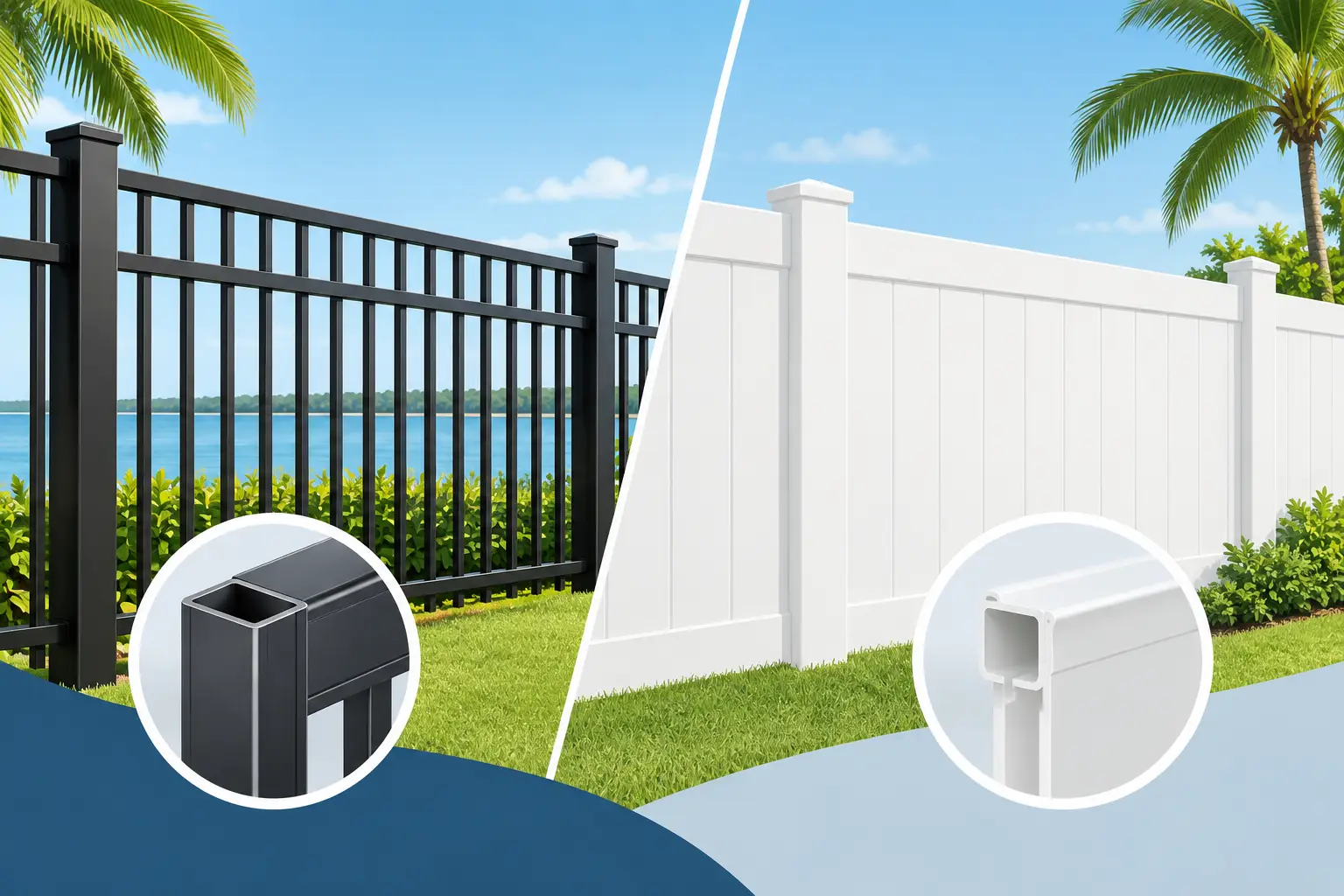
Your HOA may limit fence colors, materials, heights, styles, and gate placement. It may require neighbors to sign an acknowledgment, request a copy of the survey, or approve an application before work starts. Some communities allow vinyl privacy fencing but not wood, while others require a specific color or a more open aluminum style along lakes, roads, or common areas.
Approval from the HOA does not replace a required permit. Likewise, a permit does not override HOA rules. Both can be necessary, and the project should be planned around the stricter requirement when the two standards differ.
How to Avoid Fence Project Delays
The smoothest projects start with a clear plan instead of a rushed installation date. Confirm the property jurisdiction first, especially if your mailing address and municipal boundary do not line up neatly. Then review your survey, identify HOA rules, and decide on the fence material, height, and route before submitting documents.
Avoid ordering a fence based only on a verbal estimate of what should be allowed. A homeowner may prefer a six-foot vinyl privacy fence, for example, but a corner-lot visibility rule or HOA guideline could require a different height or design near the street. Addressing that question early is far easier than changing materials after approval is in progress.
Be realistic about timing. Some permits are issued quickly when the application is complete and the fence meets standard requirements. Others take longer because of missing surveys, revision requests, HOA review schedules, pool-barrier details, or site-specific zoning questions. Weather and inspection availability can affect the installation schedule after approval as well.
For replacements, do not assume that removing an old fence eliminates the need for review. If the new fence follows a different alignment, uses a different material, adds a gate, or changes the height, the current rules may apply to the new work.
Let a Contractor Handle the Details That Slow Projects Down
A professional fencing contractor should do more than install posts and panels. They should help identify the information needed for your location, explain what may affect approval, and keep the project moving with clear communication. That is especially valuable for busy homeowners, property managers, and commercial owners who do not have time to coordinate surveys, HOA applications, permit forms, and field schedules.
At Primo Fence, the process begins with an estimate and a clear project plan. From there, the team can support HOA approval and permit handling while helping you choose a durable aluminum, vinyl/PVC, or wood fence that fits your property and goals. You still know what is happening, but you are not left to sort through the paperwork alone.
Before you choose a fence style, gather your survey, HOA guidelines, and a few details about how you want to use the space. A short planning conversation now can prevent a permit surprise later and put your project on a cleaner path to a finished fence you can enjoy.



0 Comments