
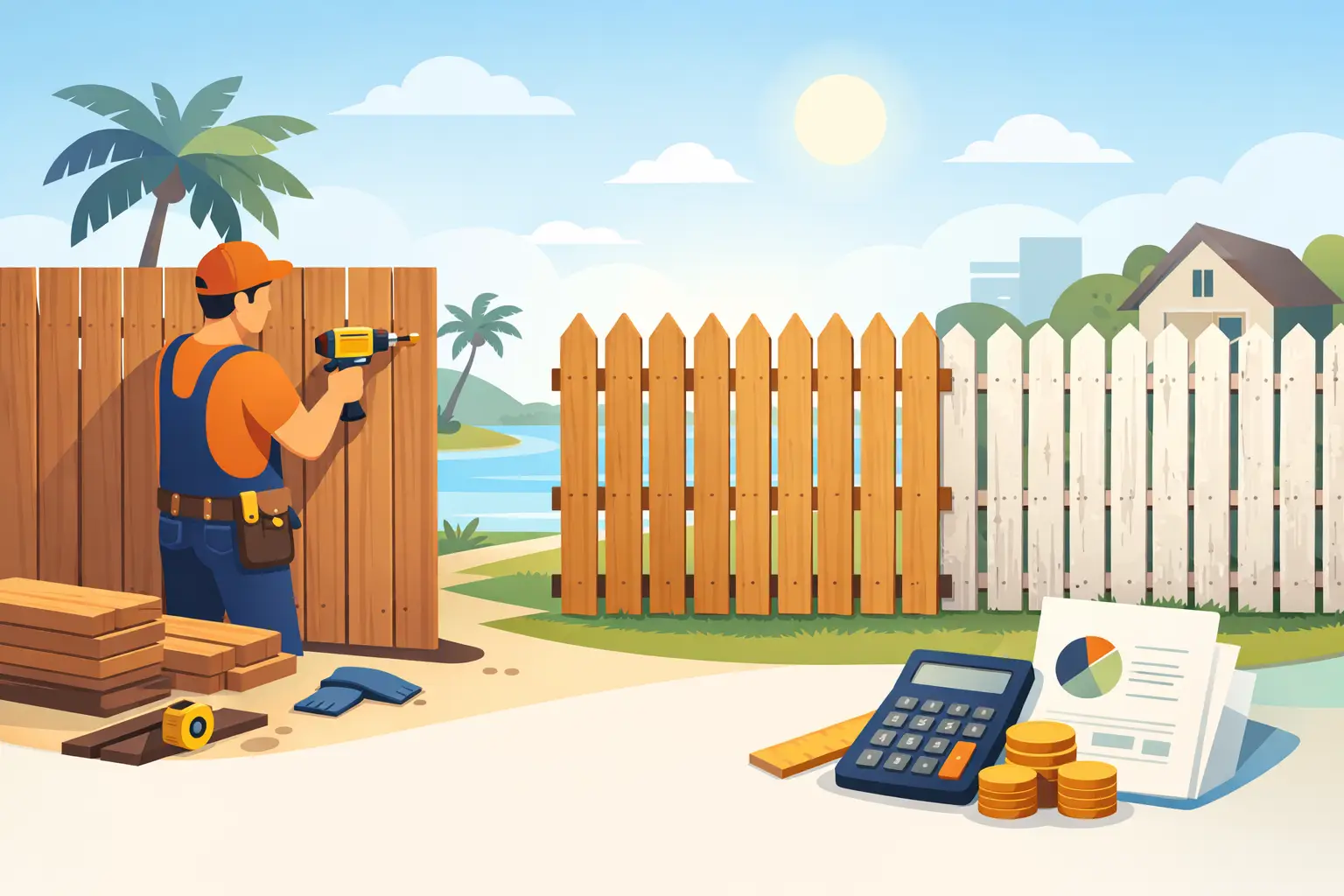
A leaning privacy fence, loose posts, storm damage, or an outdated boundary can make replacement feel urgent. But fence replacement cost is not one flat number. For Florida homeowners, the final price depends on the fence material, total linear footage, site conditions, gates, removal of the existing fence, and the approval process required by the city or HOA.
The most useful way to plan is to look beyond a broad per-foot estimate. A clear proposal should explain what is being installed, what is being removed, how gates are included, and whether permitting or HOA paperwork is part of the scope. That clarity helps you compare quotes fairly and avoid surprises after work begins.
What Is the Average Fence Replacement Cost?
Most fence replacement projects are priced by linear foot, then adjusted for the details of the property and installation. In Central Florida, a basic wood fence replacement may cost less upfront than vinyl or aluminum, while a larger privacy enclosure with multiple gates, demolition, and permit requirements will naturally cost more.
As a general planning range, homeowners may see installed replacement pricing from roughly $20 to $60 or more per linear foot, depending on material and project complexity. This is a broad starting point, not a substitute for an on-site estimate. A 150-foot fence and a 300-foot fence can have very different total costs even when they use the same material, especially if one includes several gates or difficult access.
The right question is not simply, “What is the cheapest fence?” It is, “What fence fits the purpose of this property and the maintenance level I am comfortable with?” A fence around a pool, a pet run, a backyard privacy line, and a commercial perimeter each call for different decisions.
The Biggest Factors in Fence Replacement Cost
Material choice
Material is one of the clearest cost drivers. Pressure-treated wood remains a practical option for homeowners who want traditional privacy and a lower initial investment. It can be stained or painted, but Florida heat, humidity, rain, and insects mean it needs periodic maintenance to look its best and extend its service life.
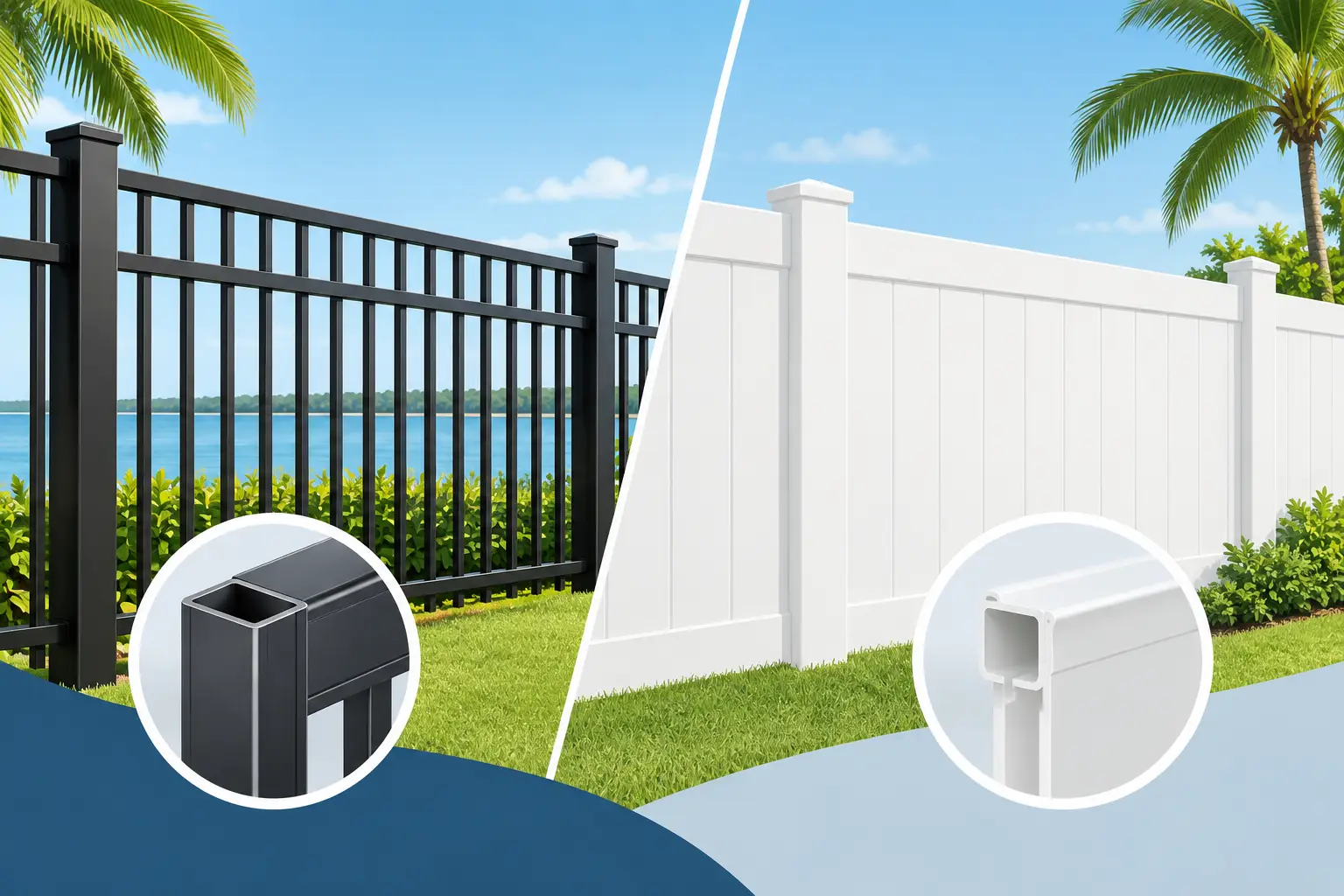
Vinyl or PVC fencing generally costs more at installation, but it offers a clean, consistent appearance and does not require painting or staining. It is a popular choice for homeowners who want privacy with less ongoing upkeep. The color, height, panel style, and gate configuration all affect the price.
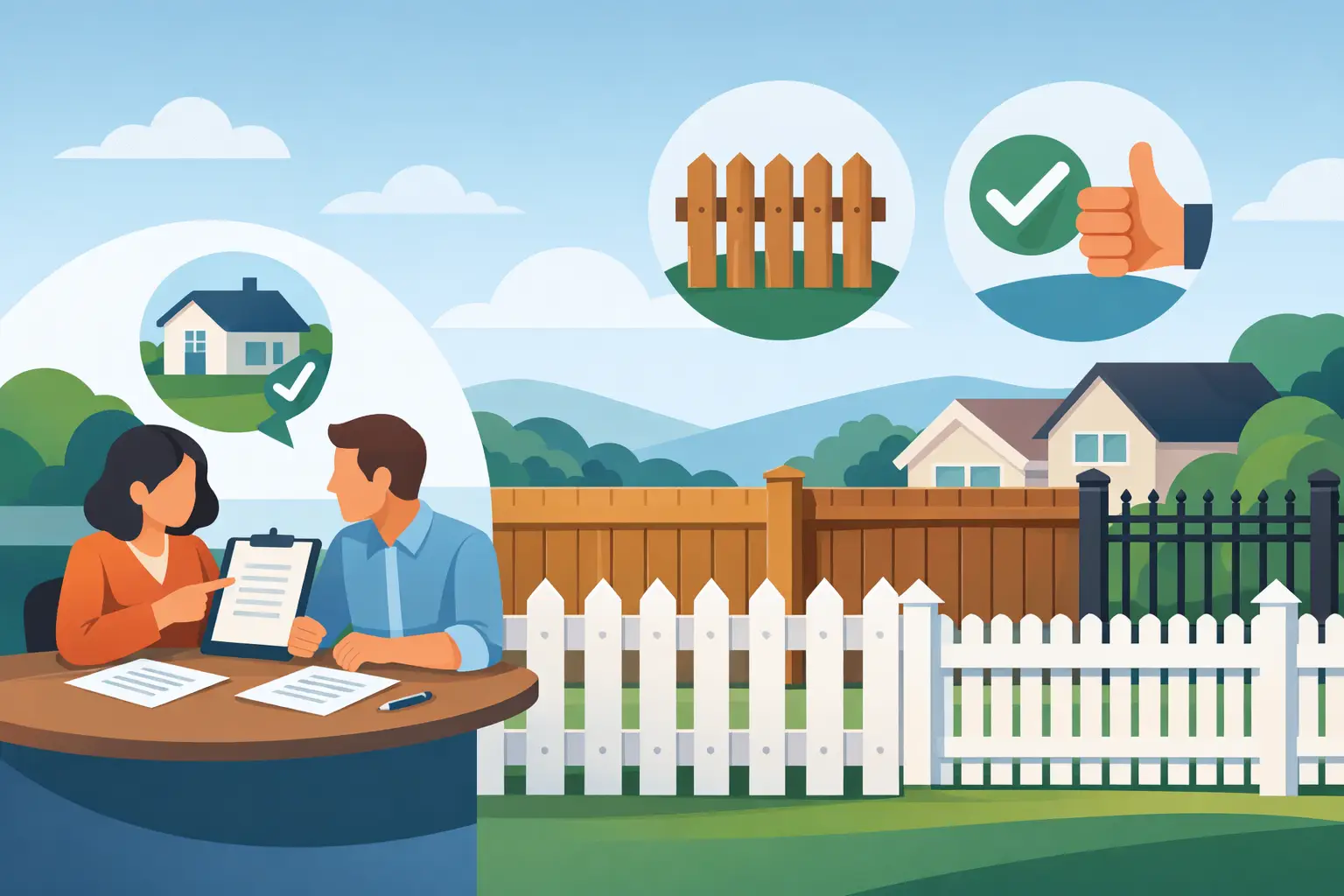
Aluminum fencing is often selected for security, curb appeal, pool areas, and properties where homeowners want visibility rather than full privacy. It is durable and well suited to Florida conditions, but its cost can increase with taller sections, decorative styles, heavier grades, and sloped terrain. It also does not provide the same visual screening as a solid vinyl or wood privacy fence.
Linear footage, height, and layout
More fence means more materials and labor, but footage is not the only measurement that matters. A straight backyard run is typically simpler than a property with many corners, short sections, jogs, or changes in direction. Six-foot privacy fencing will also require different materials than a lower decorative boundary fence.
A detailed property measurement is essential. Replacing the fence in the same location may sound straightforward, yet the real property line, old post placement, utility locations, and local setback rules may all need attention before new posts are set.
Existing fence removal and disposal
Fence replacement usually means there is an old fence to remove. That work includes taking down panels or rails, pulling posts, handling concrete footings when necessary, and hauling debris away from the property. Rotting wood may come out easily, while damaged vinyl, heavy posts, or deeply set concrete can add labor.
Ask whether removal and disposal are included in the estimate. A lower initial number may not reflect the complete project if demolition, hauling, or cleanup is listed separately.
Gates and access points
Gates are functional parts of the fence system, not an afterthought. A standard walk gate, a double gate for lawn equipment, or a wider access gate for vehicles will affect the project total. Gate posts often need additional reinforcement, and the hardware must be installed and adjusted so the gate operates properly.
If you have a pool, trash enclosure, side yard, or equipment area, discuss how each access point is used. A gate that is too narrow or poorly placed becomes frustrating long after the installation is finished.
Ground conditions and access
Florida properties can present unique installation conditions. Sandy soil, roots, irrigation lines, landscaping, narrow side yards, and nearby structures can all change the labor required. A crew may need to move materials by hand when equipment cannot reach the work area.
Slopes and uneven grades also matter. Depending on the material and layout, the fence may need to follow the ground, step down in sections, or use a different design approach to avoid large gaps beneath the panels.
Permits and HOA Requirements Can Affect the Total
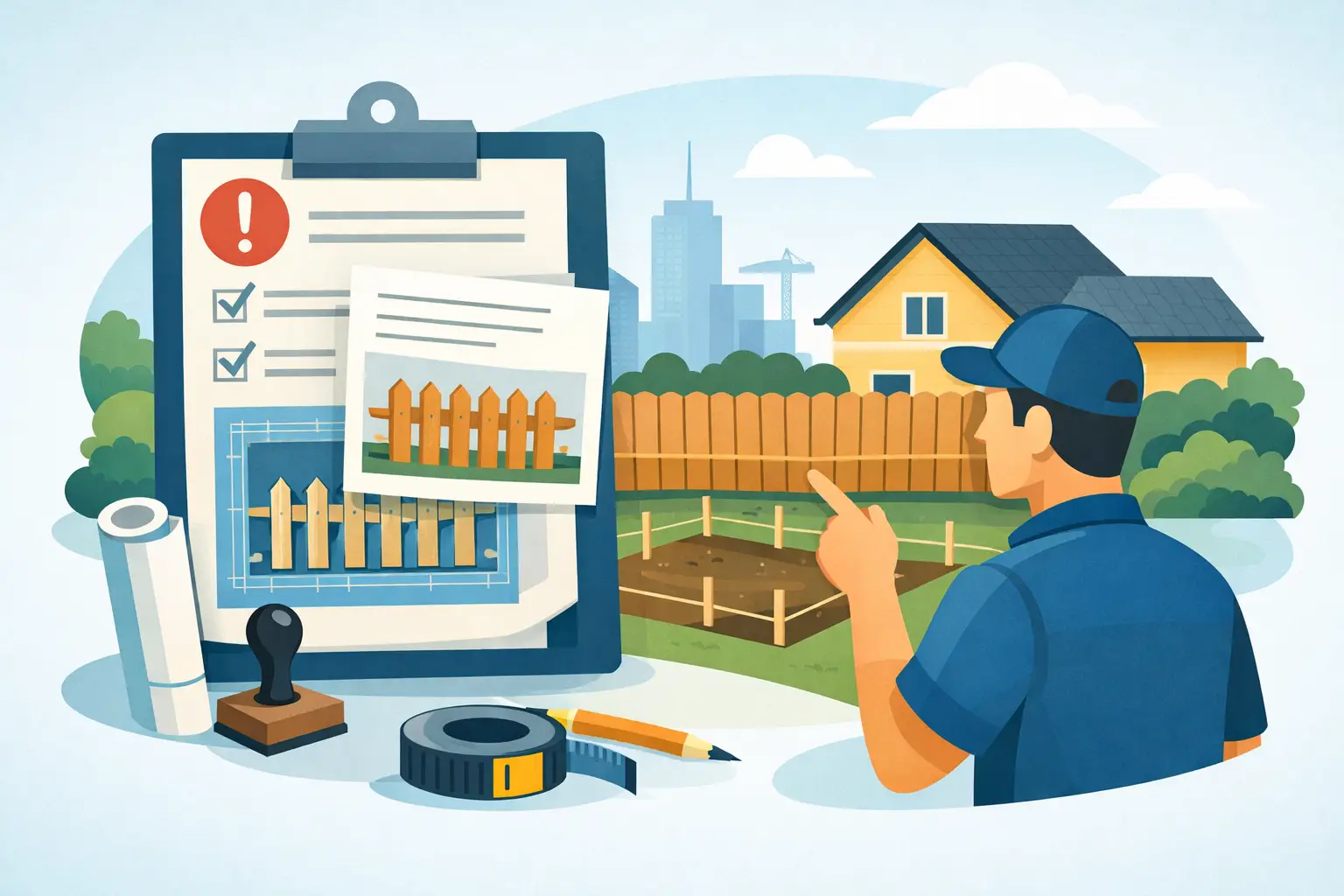
A replacement fence may require a permit, even if a fence was already present. Local requirements can vary by municipality, fence height, material, location on the lot, and whether the property sits near a roadway, easement, drainage area, or pool.
HOA approval can be another step. Many Florida communities have rules about approved fence styles, colors, heights, placement, and gate locations. Some require a survey or a completed architectural review form before work can begin. Skipping this step can lead to delays, rejected plans, or the expense of changing a newly installed fence.
These requirements are not just paperwork. They can influence the material you choose and the timeline for installation. A contractor that handles permit coordination and supports HOA submissions can remove a major source of stress, particularly for homeowners managing a busy move, renovation, or family schedule.
How to Compare Fence Replacement Quotes
When comparing estimates, make sure each contractor is pricing the same scope of work. One quote might include removal, permits, gates, post depth, and cleanup, while another may only cover the fence materials and basic installation.
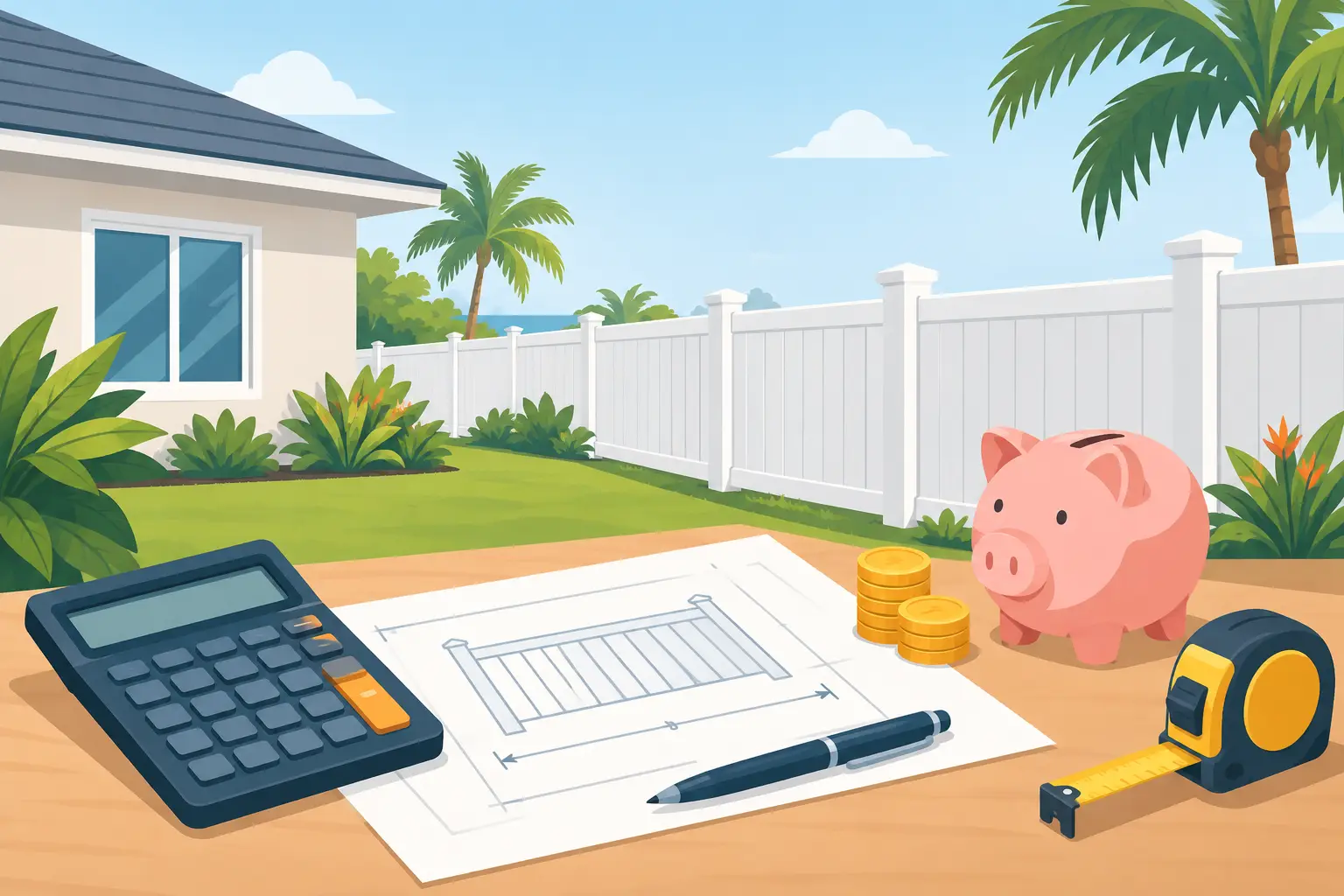
A useful estimate should make clear which material, height, style, footage, and gate sizes are included. It should also address old fence removal, permit fees if applicable, anticipated timeline, payment terms, and warranty coverage. Transparent pricing is more valuable than a vague low number because it gives you a realistic view of the finished project.
Be cautious about choosing solely on price. A fence is a long-term property improvement, and the installation quality matters as much as the panel or picket itself. Proper post setting, straight lines, secure gates, careful cleanup, and responsive communication all contribute to a result that holds up and looks right.
Ways to Manage Your Replacement Budget
There are sensible ways to control fence replacement cost without cutting corners that create problems later. Start by identifying the fence’s primary job. If privacy is the priority, a solid wood or vinyl design may be worth the investment. If you need to secure a pool area or define a boundary without closing off the view, aluminum may be the better fit.
You can also consider replacing the most damaged section first when the rest of the fence remains structurally sound. This approach does not work for every property, since mismatched materials or aging adjacent sections can affect appearance and stability, but it may be practical in some situations.
Keep landscaping and access in mind before installation day. Moving outdoor furniture, planters, and personal items away from the work area helps the crew work efficiently. Let the estimator know about sprinkler heads, buried lines, unusual grade changes, and access limitations early so they can be addressed in the agreement rather than discovered mid-project.
Get a Clear Plan Before Replacing Your Fence
A replacement fence should solve the issue that led you to call in the first place, whether that is privacy, safety, storm damage, security, or a boundary that no longer reflects the condition of your home. The best estimate is one that connects the material and layout to that goal, while accounting for removal, approvals, and the real conditions of your property.
Primo Fence helps Central Florida homeowners move from a free estimate to a clear agreement and professionally completed installation, including support with HOA and permit requirements when needed. Before you commit to a replacement, ask for a site-specific plan that makes the cost, timeline, and finished result easy to understand.


0 Comments