

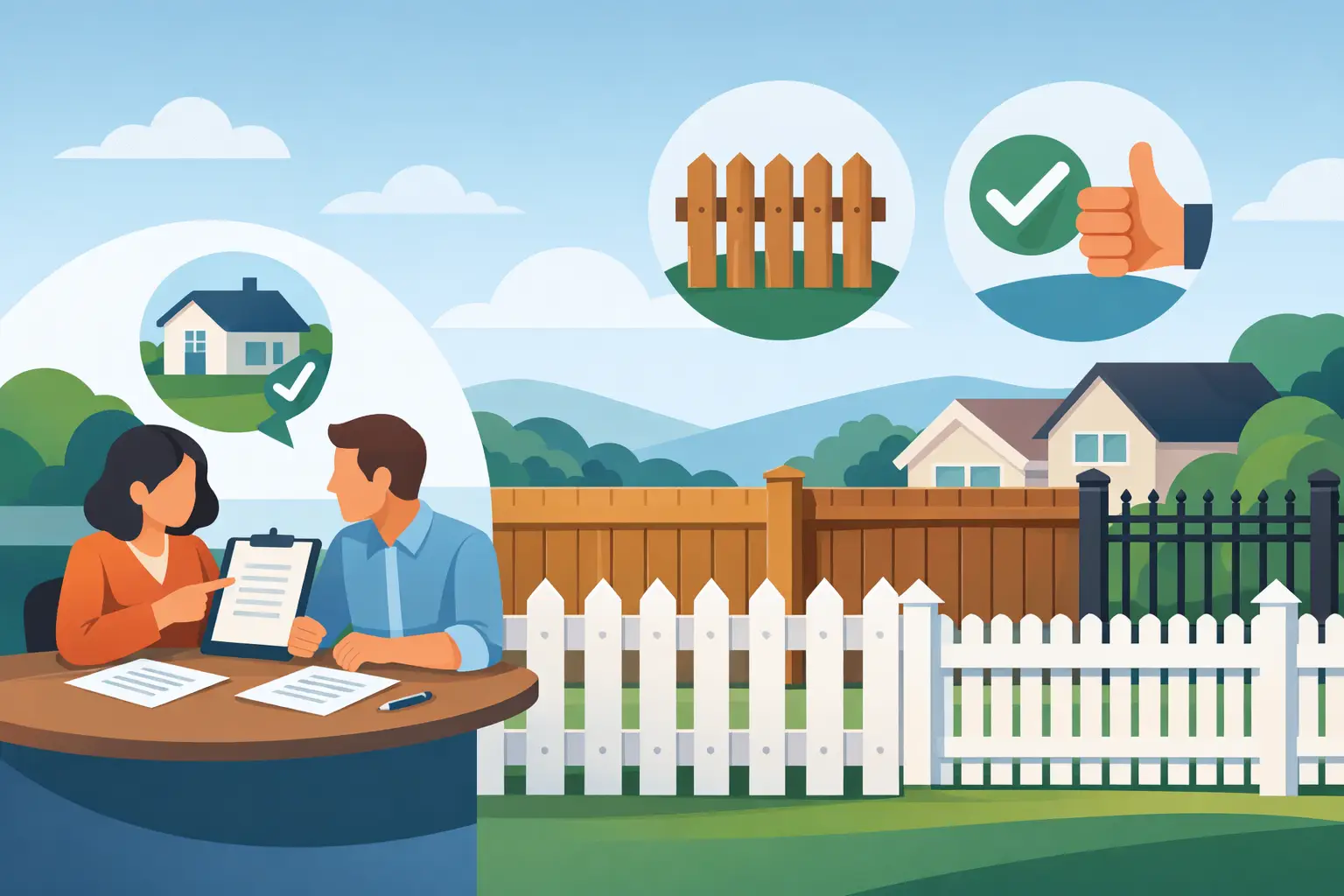
A fence quote can look straightforward until two proposals for the same backyard come back thousands of dollars apart. A useful fence quote comparison looks beyond the final number. It shows whether each contractor measured the same area, specified the same materials, included the same gates, and accounted for the Florida approvals that can delay a project before installation begins.
For Central Florida homeowners, the lowest quote is not always the least expensive choice. A missing permit fee, a vague material description, or an excluded gate can turn an attractive estimate into a series of surprise charges. The goal is to choose a contractor and scope of work you can feel confident about before the first post is set.
Start by Making Sure the Quotes Cover the Same Fence
Before comparing prices, compare the actual project description. One contractor may quote 180 linear feet of 6-foot vinyl privacy fencing with one walk gate. Another may show a lower price because the estimate includes 165 feet, a shorter fence, or no gate hardware. Those are not competing prices for the same job.
Check the linear footage on each proposal against your property survey and the contractor’s on-site measurements. If the fence line includes curves, slopes, existing landscaping, or a tight side yard, ask how those conditions were measured and handled. A clear quote should make the proposed fence route understandable.
Also confirm the height and style. A 4-foot aluminum fence around a pool has different material, labor, and code considerations than a 6-foot wood privacy fence along a rear property line. “Fence installation” by itself is too broad to support a fair comparison.
Details that should match on every estimate
Look for the material type, fence height, color or finish, linear footage, number and type of gates, and post installation method. The proposal should also say whether old fence removal, haul-away, clearing, or trimming is included.
Pay close attention to gates. A standard walk gate, a double drive gate, and a custom-width access gate have very different costs. Gate framing, latches, hinges, drop rods, and self-closing hardware should be identified rather than left to assumption.
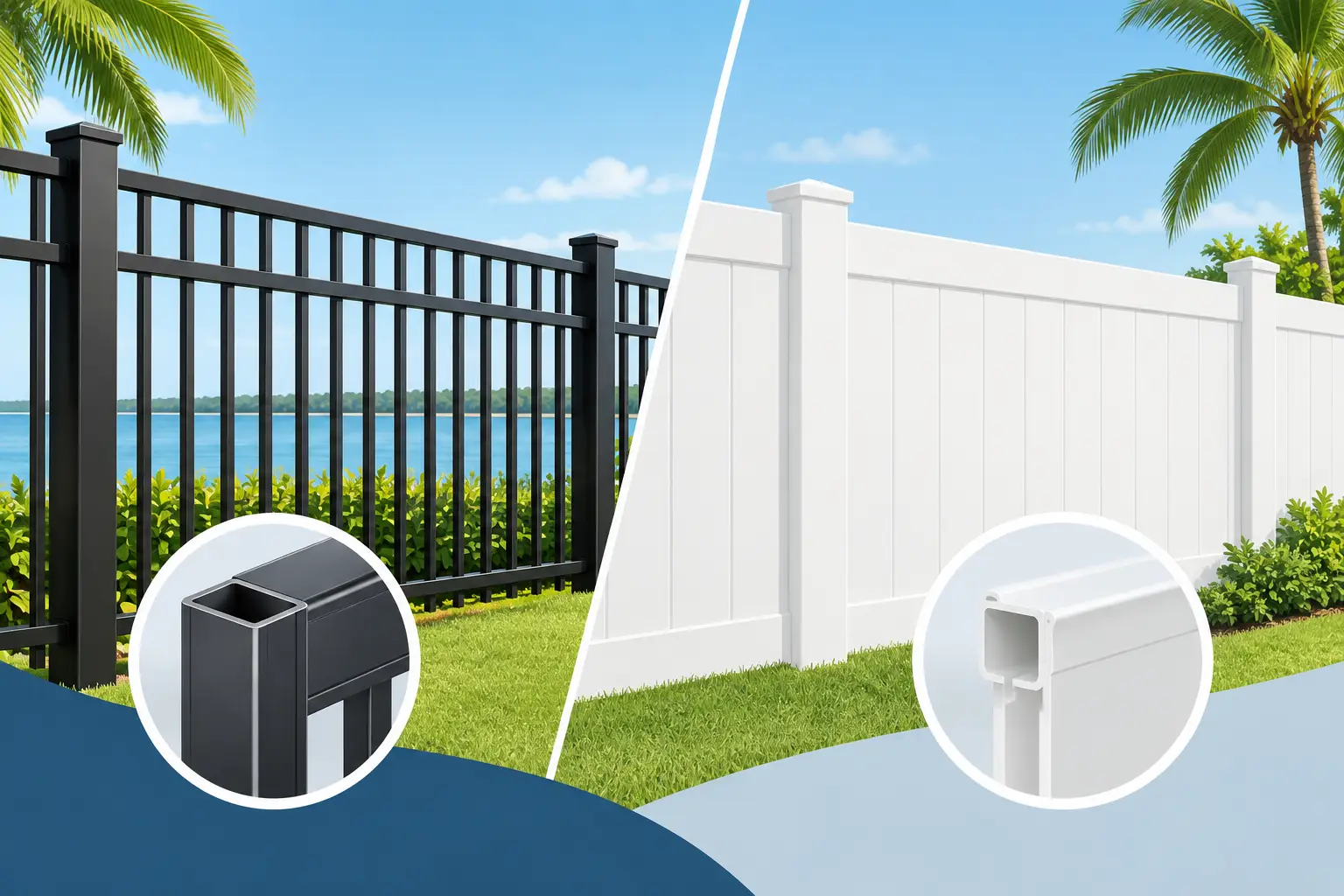
Compare Materials, Not Just Material Names
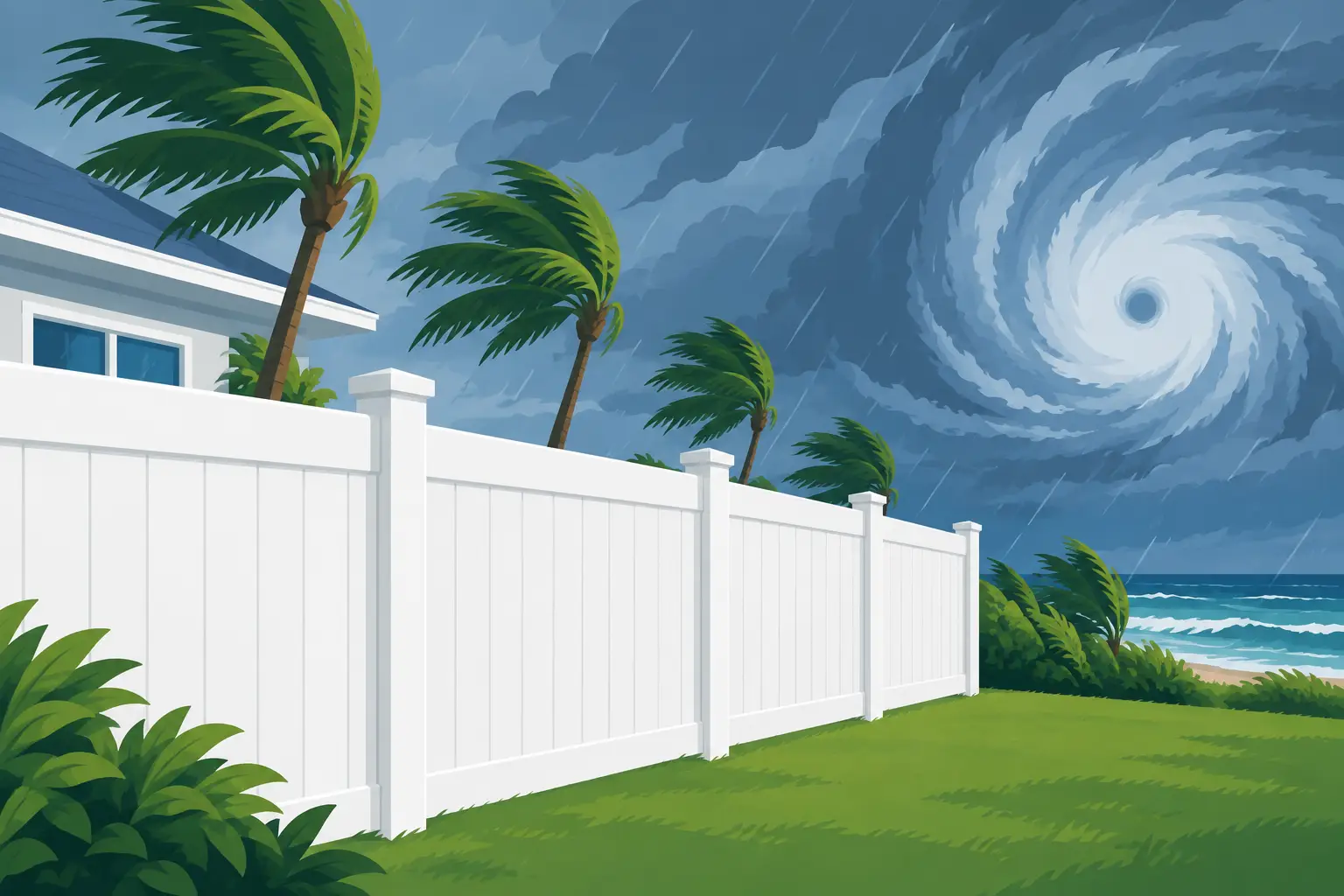
Florida weather is hard on fences. Heavy rain, humid conditions, intense sun, sandy soils, and hurricane-season wind all affect the material and installation approach that make sense for a property.
Vinyl or PVC fencing is a popular privacy choice because it has a clean appearance and requires little routine maintenance. But vinyl systems vary in wall thickness, rail design, reinforcement, and gate construction. A quote that simply says “white vinyl fence” does not tell you enough to compare long-term value.
Wood fencing offers privacy and a traditional look, often at a lower starting material cost. The important questions are the wood type, picket style, rail size, post size, fasteners, and whether the design accounts for Florida moisture. Wood is a practical choice for many properties, but it needs realistic expectations around maintenance and natural aging.
Aluminum fencing is often selected for pools, pets, security, and open sightlines. It is durable and attractive, but panel grade, rackability for sloped yards, gate construction, and pool-safety requirements can change the total price. If your property has elevation changes, ask whether the panels will follow the grade or step down in sections.
A lower quote may reflect a legitimate difference in material grade. It can also reflect an omitted detail that will matter every time you use the gate or look at the fence line. Ask each contractor to explain the specific system they are proposing in plain language.
Ask How Posts Will Be Set
The visible fence panels get most of the attention, but the posts carry the project. Proper post depth, spacing, alignment, and concrete work affect how a fence performs over time.
When reviewing a quote, ask whether posts will be set in concrete, how deep they are expected to go, and how the crew will address areas with difficult access or changing ground conditions. A contractor should not promise an identical installation method for every lot without seeing the site.
Florida soil conditions can vary even within the same neighborhood. Tree roots, irrigation lines, underground utilities, old footings, and drainage areas may affect the work. A transparent estimate explains what is included and how unexpected site conditions will be communicated if they arise.
Do Not Treat Permits and HOA Approval as Side Notes
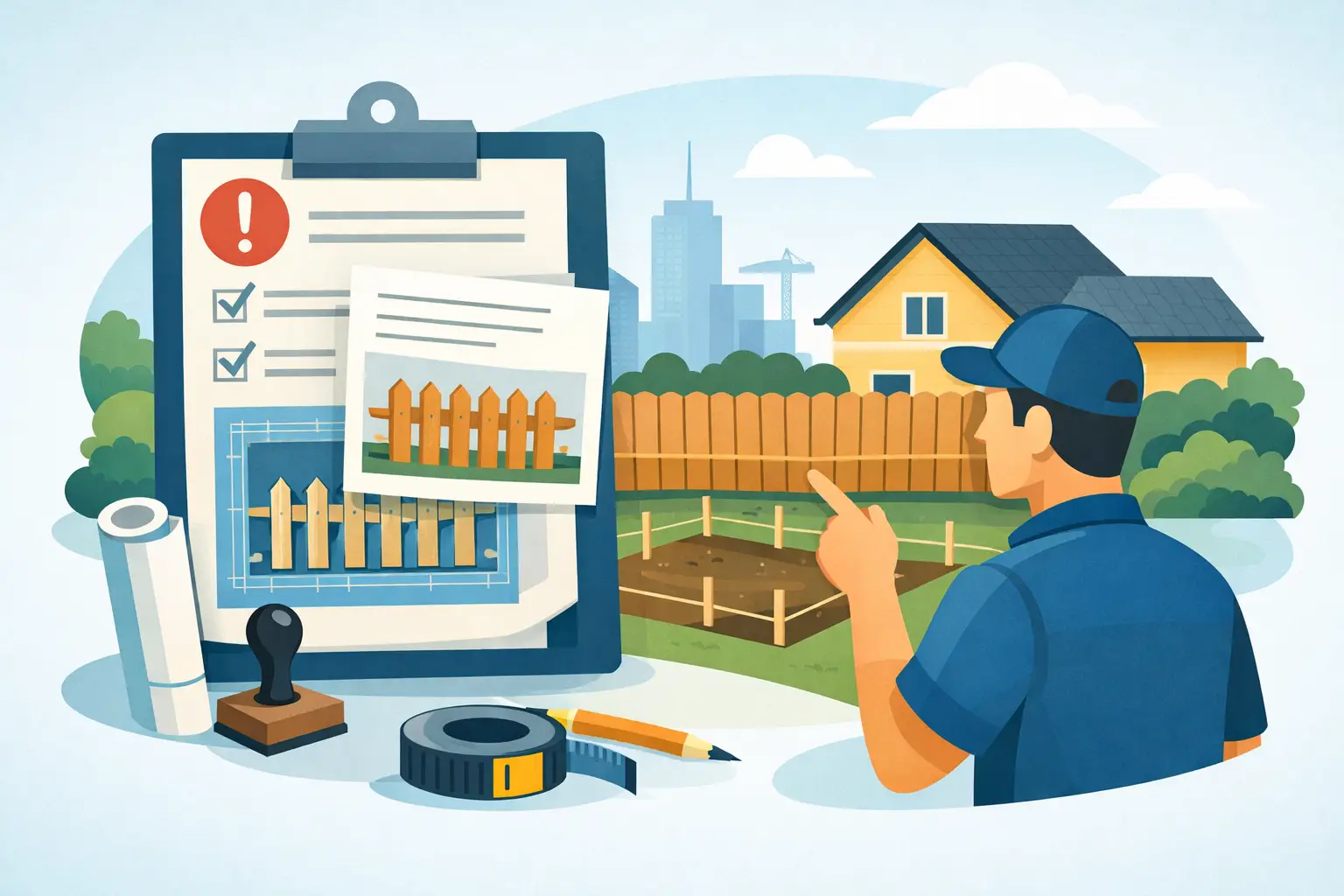
For many homeowners, paperwork is the part of a fence project that creates the most frustration. Some communities require architectural review before work begins. Local permit requirements can vary by jurisdiction, fence type, height, location, and whether the property includes a pool.
During a fence quote comparison, find out who is responsible for the permit application, HOA submittal documents, survey review, and follow-up. If those services are included, they should be stated clearly. If they are not included, you need to know early enough to plan the time and cost.
A contractor cannot guarantee an HOA approval decision, but an experienced local team can help prepare the required fence specifications, color information, drawings, and supporting documents. That assistance can prevent avoidable back-and-forth with an association.
For pool fences, confirm that the quote considers applicable safety requirements, including gate operation and required clearances where relevant. This is not a place to rely on a verbal promise or a generic line item.
Read the Price Structure Before You Sign
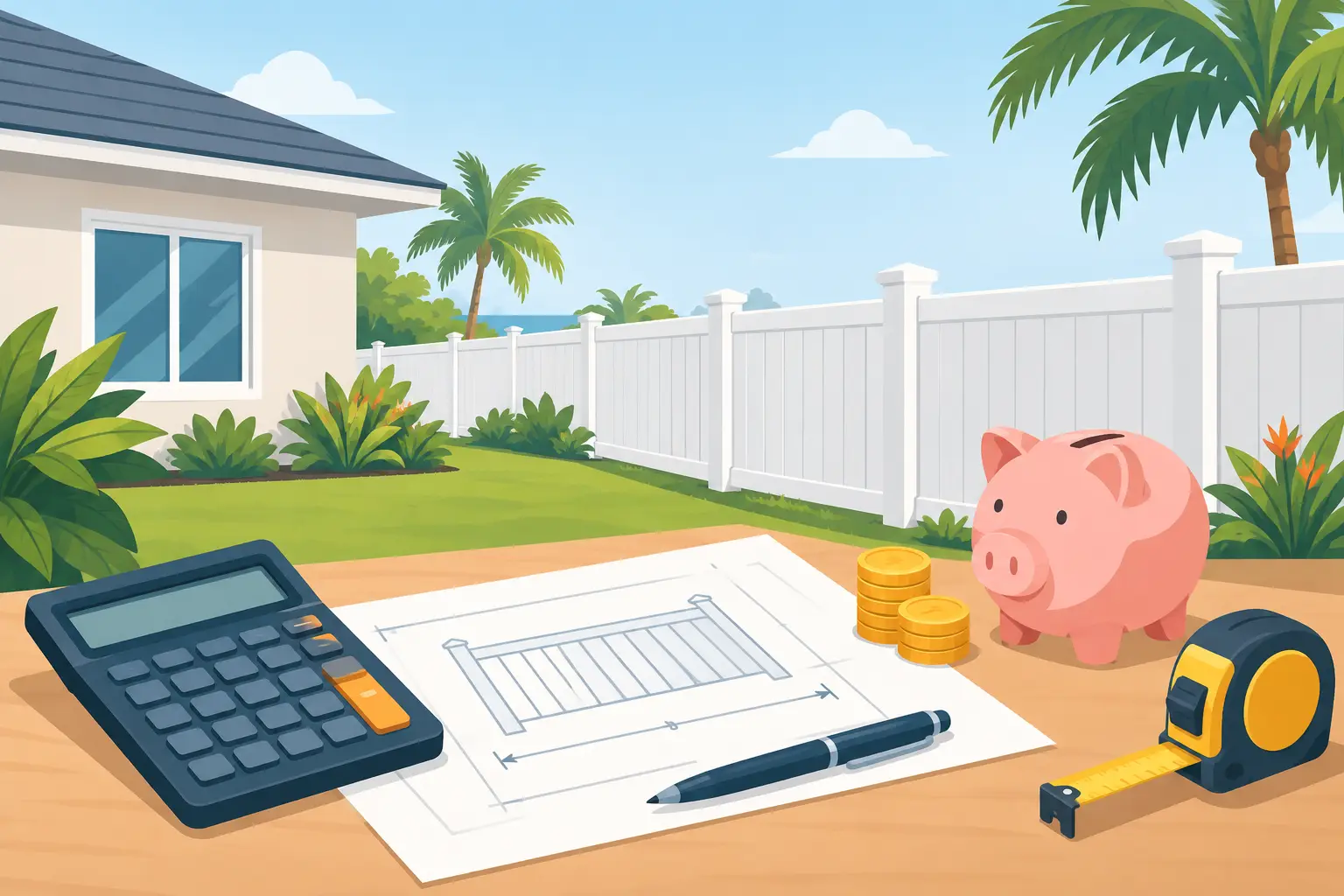
A clear agreement does more than show a total. It explains what is included, what could create an additional charge, when payments are due, and what happens if the project scope changes.
Ask whether the price includes removal and disposal of an existing fence. Removal can be simple when posts pull cleanly from the ground, but buried concrete, heavy vegetation, or shared fence sections may require extra labor. A professional contractor should identify likely issues during the estimate rather than leave everything open-ended.
You should also understand whether permit fees, HOA processing fees, utility locating, and sales tax are included. Some costs may be outside a contractor’s control, but they should never be a surprise.
Be cautious with a quote that is dramatically lower than every other proposal but provides few details. It may be a good deal, or it may be incomplete. The right response is not to dismiss it immediately. Ask specific questions and request a revised written scope that matches the other estimates.
Evaluate Timeline, Communication, and Warranty
A fence project affects daily life. You may need to keep children and pets safely contained, coordinate access with neighbors, or plan around a business property’s operating hours. Price matters, but the contractor’s process matters too.
Ask when materials will be ordered, what approvals must happen before scheduling, how long installation is expected to take, and who will provide updates. Weather, permit timing, and material availability can affect a schedule, especially in Florida. A reliable contractor communicates changes promptly instead of leaving you to chase information.
Review the warranty carefully as well. Separate the manufacturer warranty on materials from the contractor’s workmanship warranty. Find out what each covers, how long it lasts, and what actions could affect coverage. A long warranty has more value when the installer has a clear process for standing behind the work.
For homeowners who want the paperwork and installation coordinated in one process, Primo Fence helps manage estimates, agreements, HOA documentation, permits, and professional installation. That kind of accountability can be just as valuable as the fence itself.
Questions to Ask Before Choosing a Fence Contractor
A short conversation can reveal whether an estimate is complete. Ask whether the contractor has visited the property, confirmed the proposed fence line, and reviewed your survey. Ask what material system is included, how gates will be built, and whether removal, permits, and HOA support are part of the written agreement.
Then ask about the installation schedule and the person who will be your point of contact. A contractor should be comfortable answering directly. If the answers remain vague before the job starts, communication is unlikely to become clearer after a deposit is paid.
The best fence quote is the one that gives you a complete picture: the right fence for your property, a fair and transparent price, a realistic timeline, and a team prepared to handle the details. When every proposal is measured against that standard, choosing the right one becomes far less stressful.


0 Comments