
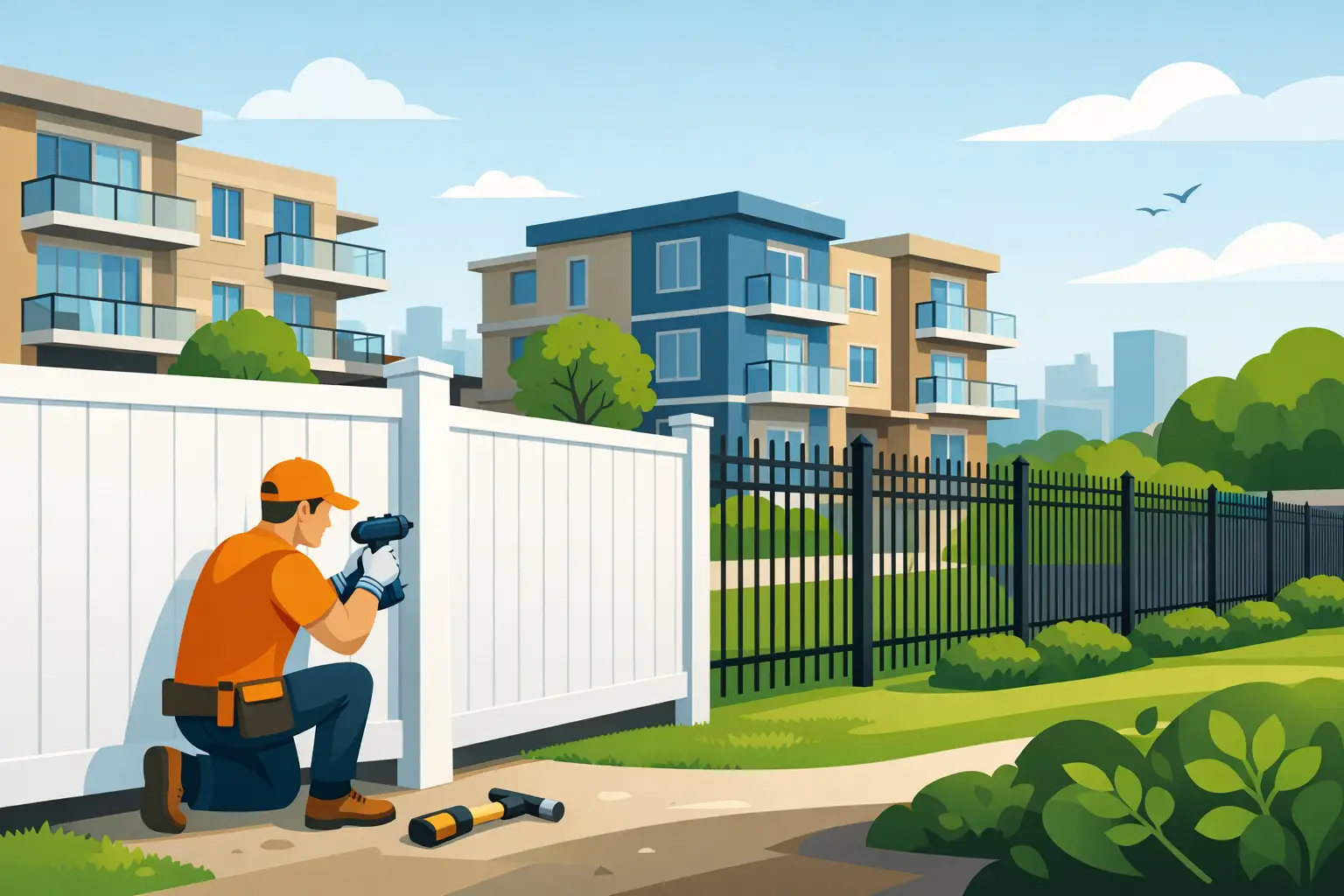
A fence at an apartment community has to do more than mark a boundary. It may protect a pool area, guide foot traffic, secure a dumpster enclosure, create private patios, or separate residents from a busy road. Successful fence installation for apartment complexes starts with a plan that accounts for those daily demands before crews set the first post.
For property managers and owners, the right project should improve security and appearance without creating unnecessary resident disruption or a long list of administrative tasks. That means choosing materials for the specific area, confirming site conditions, managing permits, and installing gates that work for residents, vendors, emergency personnel, and maintenance teams.
Start With the Purpose of Each Fence Line
One apartment property can require several types of fencing. A perimeter fence may need to define the property and discourage unauthorized access. Pool fencing has a safety function and must meet applicable local requirements. Patio dividers should provide privacy while maintaining a clean, consistent look across the community. Service-area fencing needs to contain equipment and improve curb appeal without making routine access difficult.
Treating every fence line as the same project often leads to poor material choices and avoidable change orders. Before requesting estimates, walk the property and identify what each section needs to accomplish. Consider sightlines near entrances, recurring maintenance access, resident parking patterns, drainage areas, and where delivery or landscaping crews need room to work.
A clear scope also helps prevent a common problem: installing a fence that looks good on a site plan but interferes with dumpster pickup, gate swing clearance, irrigation equipment, or an existing utility easement.
Questions to Answer Before Design Begins
Property teams should confirm where the legal property line sits, whether there are recorded easements, and which existing structures will remain. A current survey is valuable when the new fence will run close to a neighboring parcel, retention pond, sidewalk, or utility corridor.
It is also wise to identify the people who will use each gate. Residents may need pedestrian access, while maintenance teams need wider openings for carts or equipment. A rear service gate may require a lockable double gate rather than a standard walk gate. Emergency access requirements should be addressed early, not after installation is underway.
Choosing Materials for Apartment Community Needs
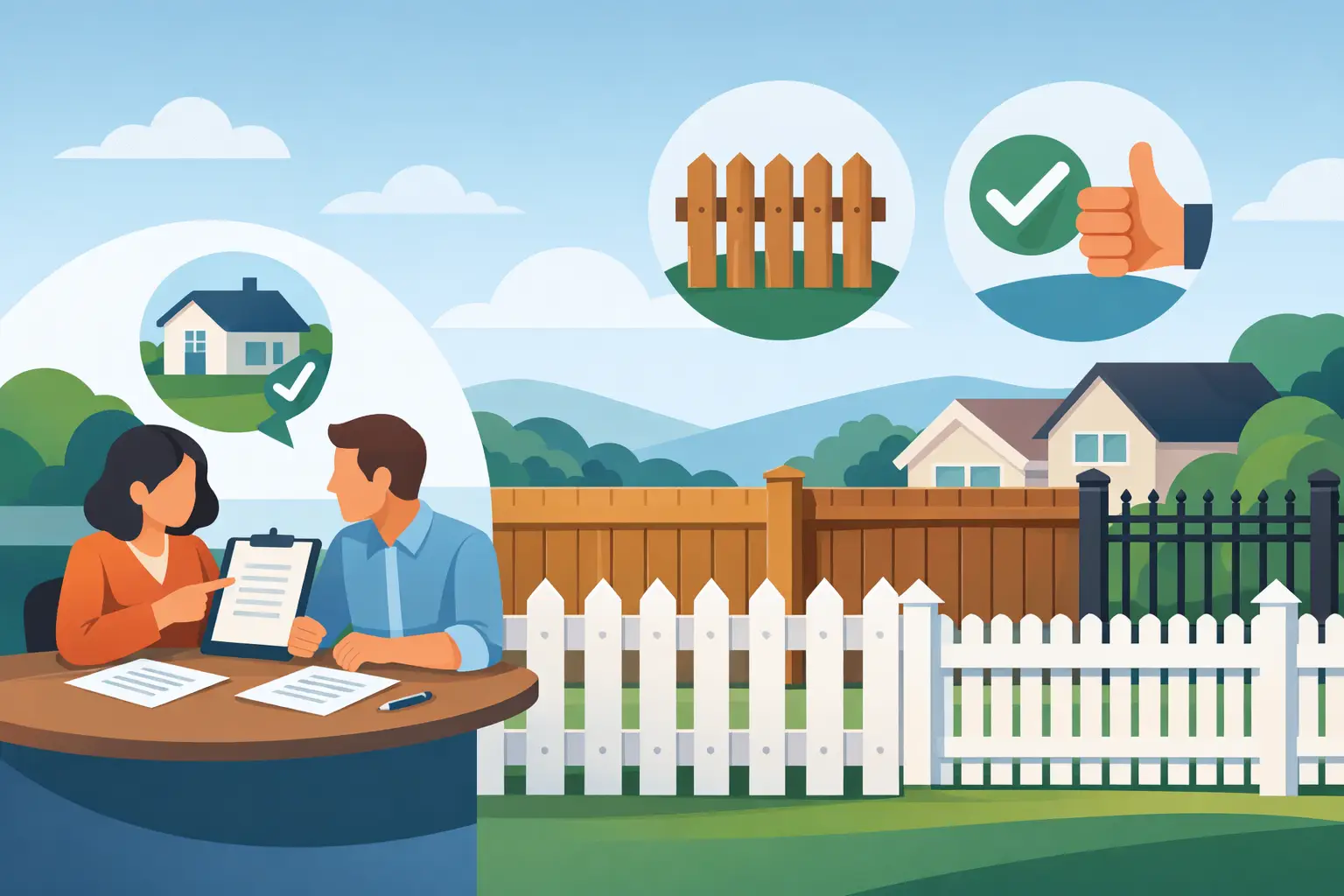
The best material depends on visibility, maintenance expectations, budget, and the job the fence must perform. Florida weather adds another consideration. Heat, heavy rain, moisture, and strong sun can expose weaknesses in low-quality materials and poorly installed posts.
Aluminum Fencing
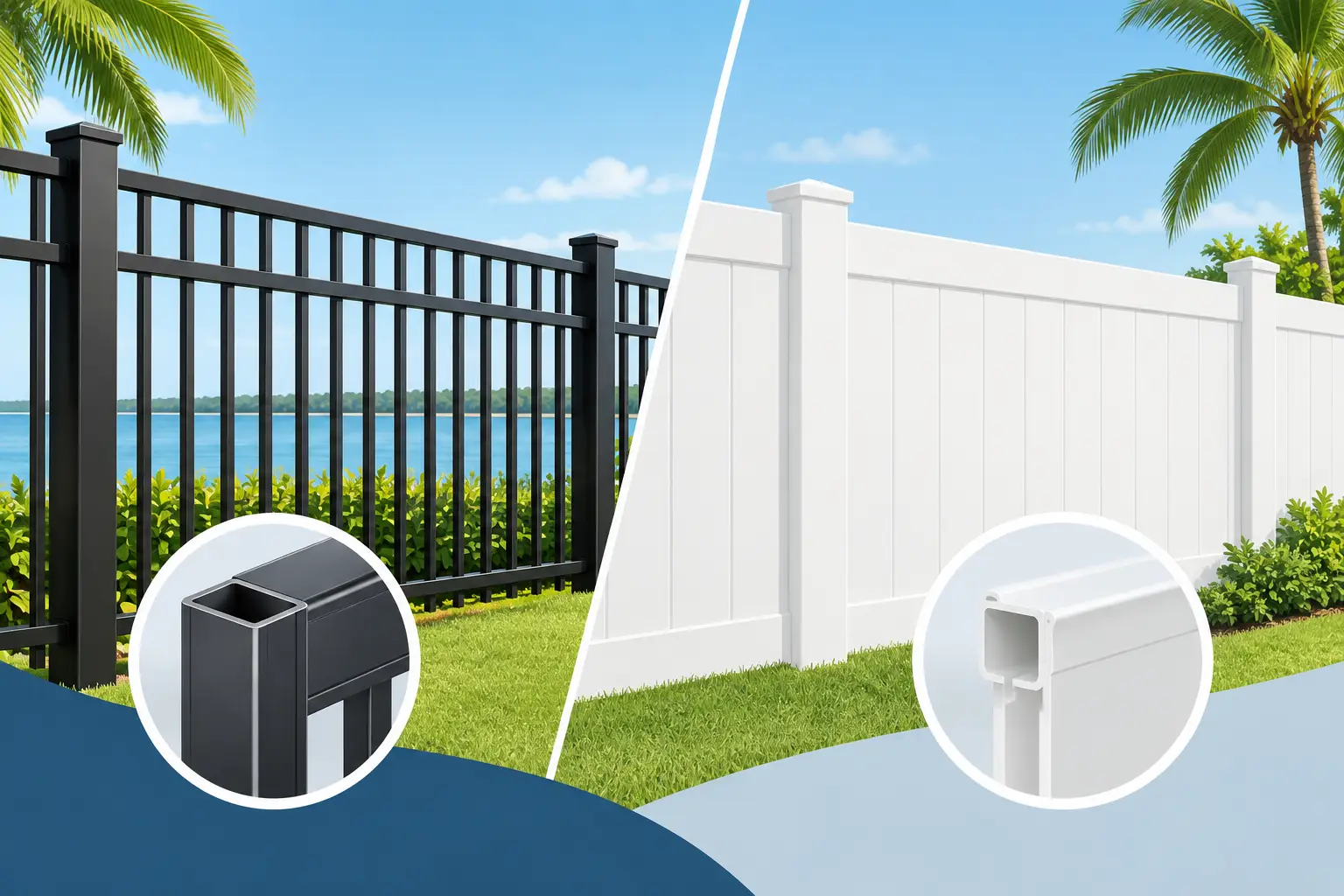
Aluminum fencing is a strong choice when a community needs an open, polished appearance. It works well around pools, entrances, sidewalks, and landscaped common areas because it provides definition and security without blocking visibility. It is also a practical option for sloped ground, where its rackable design can follow changing grades more naturally than some panel systems.
For pool enclosures, the layout, gate hardware, height, and spacing should be reviewed against current local and state requirements. A professional contractor can help coordinate the details that affect approval and final inspection.
Vinyl/PVC Fencing
Vinyl/PVC fencing is often selected for patio privacy, perimeter screening, and areas where a clean, uniform appearance matters. It does not require painting or staining, and quality vinyl can hold up well in Florida’s wet, humid conditions.
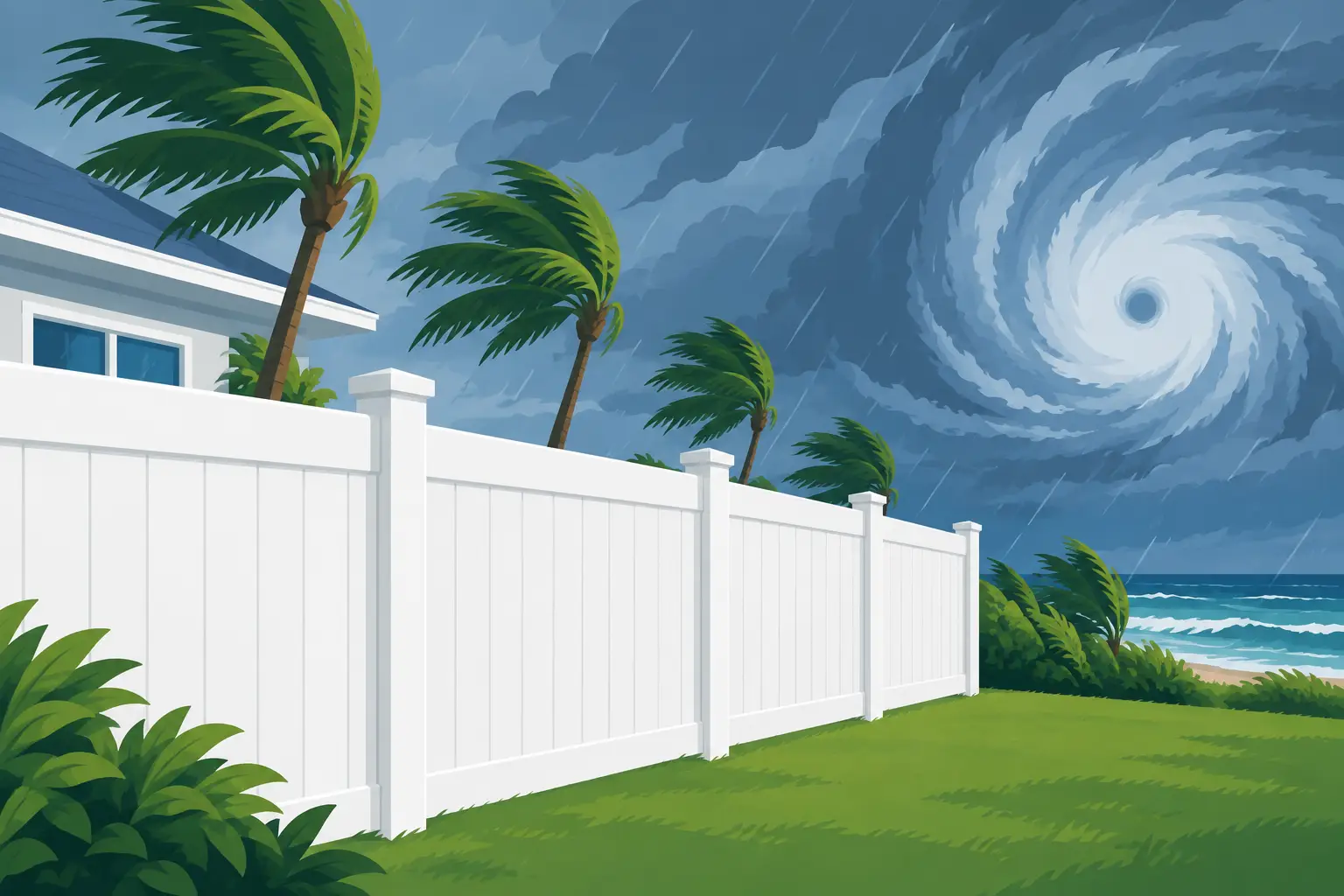
Privacy comes with a trade-off. Solid panels can catch more wind than open aluminum fencing, so correct post depth, reinforcement, and installation methods matter. Vinyl also may not be the best fit where the property needs clear visibility into or out of an area, such as around certain traffic or security zones.
Wood Fencing
Wood remains a useful option for communities seeking a natural appearance or a more budget-conscious privacy solution. It can be adapted to different layouts and can complement established landscaping well. However, wood requires more ongoing attention than aluminum or vinyl/PVC, particularly in Florida’s climate.
Property owners should plan for sealing, staining, repairs, and eventual board replacement. The upfront price may be attractive, but the long-term maintenance budget should be part of the decision.
Permits, Approvals, and Local Requirements
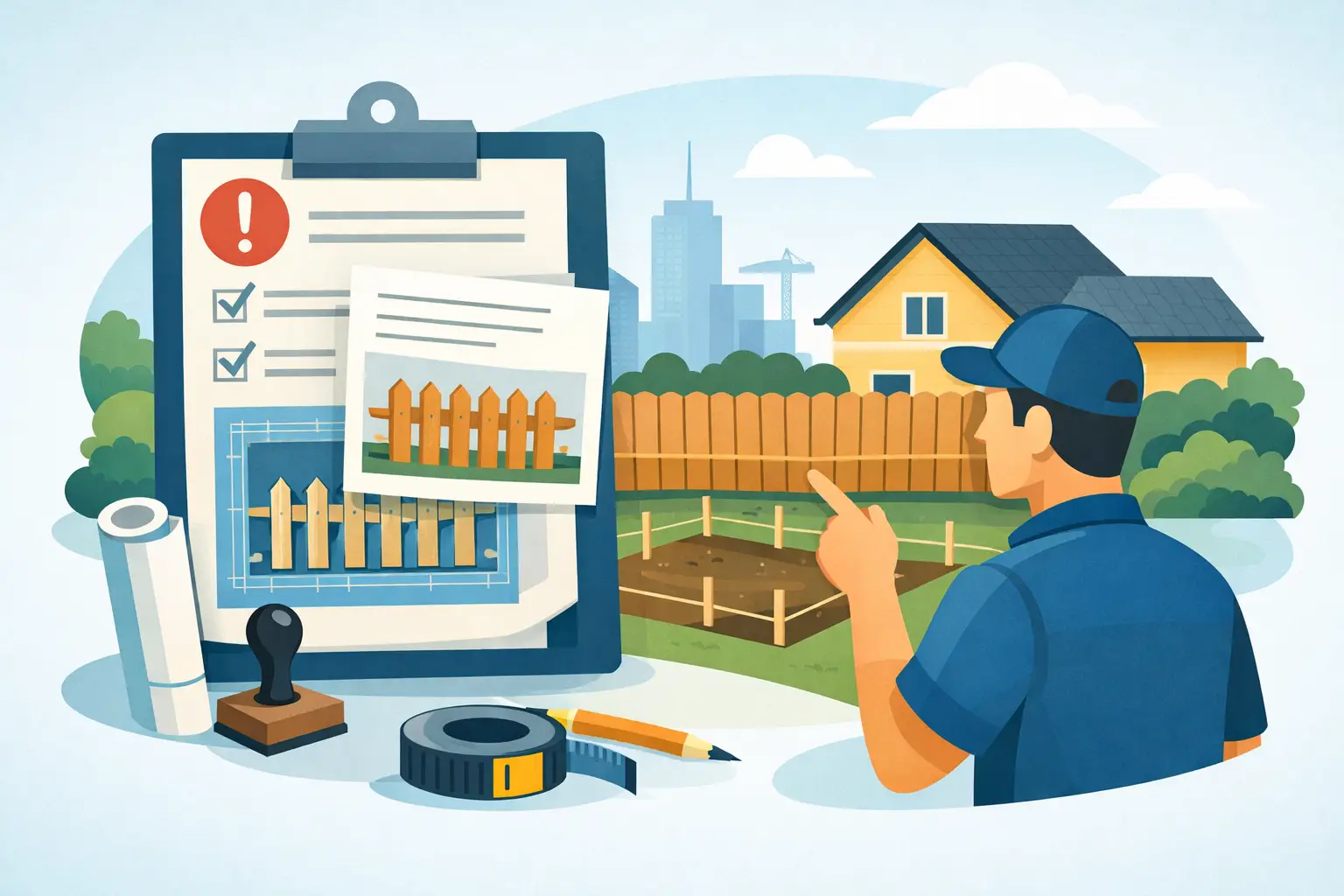
Apartment fencing is rarely a simple install-and-go project. Municipal rules can affect fence height, location, pool barriers, visibility at driveways, and setbacks from roads or property lines. Communities with multiple buildings may also have separate ownership interests, lender requirements, or architectural standards that need review before work begins.
A contractor should verify the scope, prepare the necessary documentation, and help move the project through the applicable permitting process. This is especially valuable for property managers balancing resident requests, vendor schedules, and ownership reporting. Delays often happen when a project reaches the field with unclear plans or missing approvals.
At Primo Fence, permit handling and approval support are part of the project approach, so clients have a clearer path from estimate to completed installation. The goal is to keep paperwork from becoming the reason a needed security or privacy improvement sits unfinished.
Plan Installation Around Residents and Operations
A well-installed fence can still create frustration if the project schedule ignores how the property operates. Apartment communities are active sites. Residents need safe routes to parking, mail areas, amenities, and their homes. Maintenance crews need access. Leasing teams may be showing units while work is in progress.
The best approach is usually a phased installation plan. Crews can complete one area, restore access, and then move to the next section instead of leaving a large portion of the community disrupted at once. For a pool or other amenity, schedule work around periods of lower use when possible and communicate closure windows clearly.
Before installation begins, establish where materials will be staged, how crews will enter the property, and who should be contacted if access conditions change. Utility locations should be marked before digging. Existing irrigation lines, landscape lighting, drainage features, and underground systems deserve special attention because an avoidable repair can quickly affect the project timeline.
Gates Deserve Their Own Review
Gates are often the most heavily used part of an apartment fence system, yet they are sometimes treated as an afterthought. A gate that is too narrow, poorly placed, or fitted with the wrong latch can create daily inconvenience for staff and residents.
Review the opening width, swing direction, lock type, self-closing requirements where applicable, and the need for access-control integration. Consider how trash collection, lawn service, package delivery, and emergency response work on the property. A well-planned gate supports operations instead of forcing staff to work around it.
Compare Proposals Beyond the Bottom-Line Price
An apartment fence proposal should make it easy to understand what is included. The lowest price can become expensive if it excludes permit coordination, removal of old fencing, gate hardware, site cleanup, or the material specifications needed for the intended use.
Look for a clear agreement that identifies fence style, height, material, linear footage, gate count, demolition needs, timeline expectations, and payment terms. Ask how the contractor handles unexpected site conditions and whether a project contact will keep management informed during installation.
Quality installation also matters as much as the fence material itself. Posts need proper depth and spacing. Gates must be aligned and supported correctly. Lines should be straight where the terrain allows, while sloped areas need a design that avoids awkward gaps. These details affect security, appearance, and how often the property will need repairs.
Build a Fence Plan That Supports the Property for Years
The right fence can make an apartment community feel more private, organized, and cared for. It can protect shared amenities, define resident spaces, and give property teams more control over access without making the site feel closed off.
Start with a site walk and a conversation about how the community actually functions each day. When the scope, materials, approvals, and access plan are addressed together, the installation is far more likely to stay on schedule and deliver a result residents and owners can appreciate for years.


0 Comments