
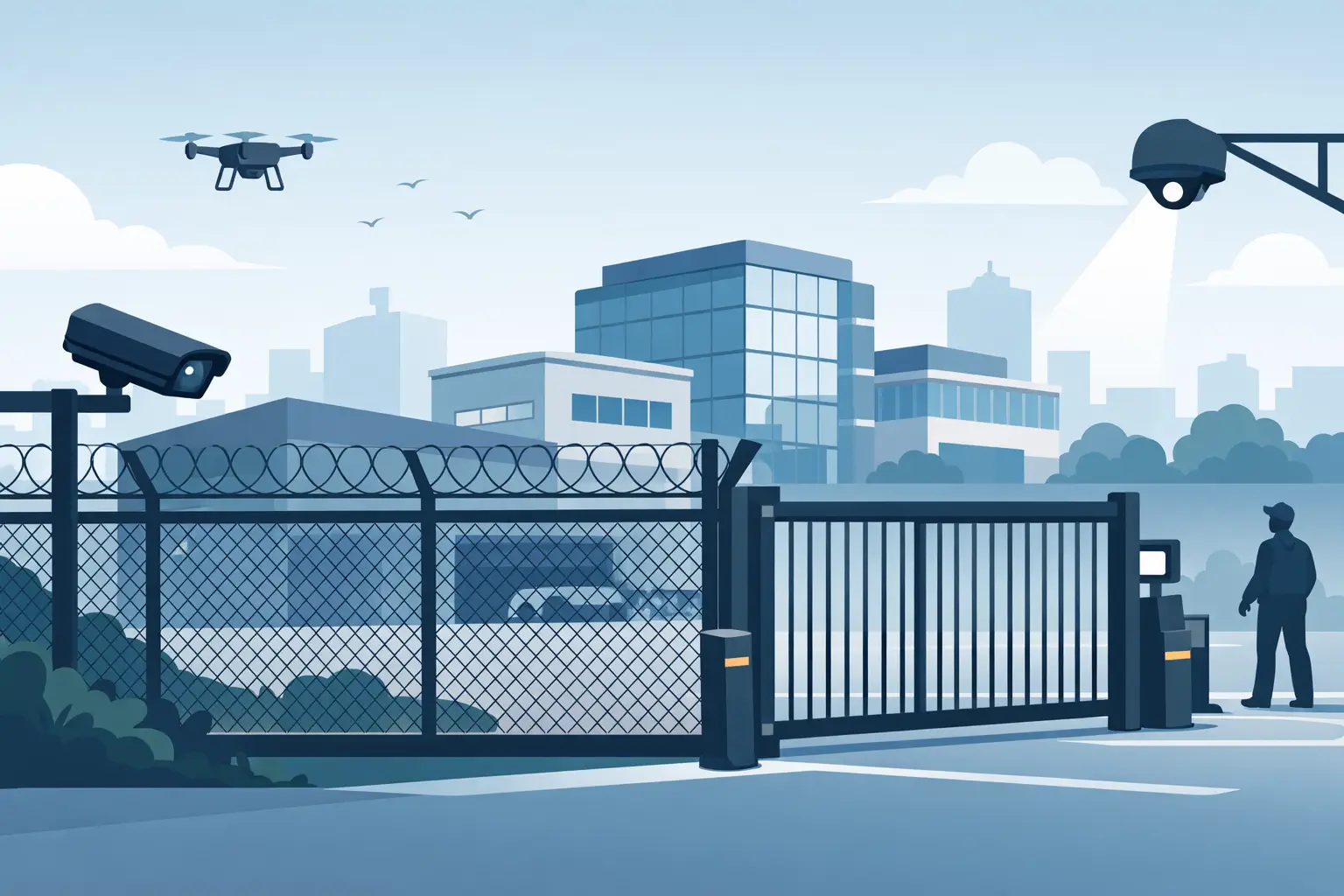
A commercial fence has to do more than mark where a property ends. It may need to guide customer traffic, keep equipment secure after hours, separate tenants, protect a dumpster enclosure, or create a safer edge around a parking lot. The right commercial property perimeter fencing gives your site clear boundaries without making the property feel closed off or difficult to access.
For business owners and property managers in Florida, the best plan starts before materials are selected. Property lines, gate locations, drainage, municipal rules, and the daily movement of employees, customers, deliveries, and service vehicles all affect the finished result. A fence that looks good on day one but interrupts operations or creates a permitting issue is not a good investment.
Start With the Job the Fence Needs to Do
“Security” can mean different things depending on the property. A medical office may need an attractive boundary that directs visitors toward the proper entrance. A warehouse may need to limit access to loading areas and outdoor inventory. A multifamily community may need a durable separation between shared areas and neighboring parcels.
Before choosing a fence style, identify what needs protection, who needs access, and when that access is required. This helps determine the right height, visibility, gate configuration, and material. It also prevents a common mistake: installing a single fence type around an entire property when different areas have different needs.
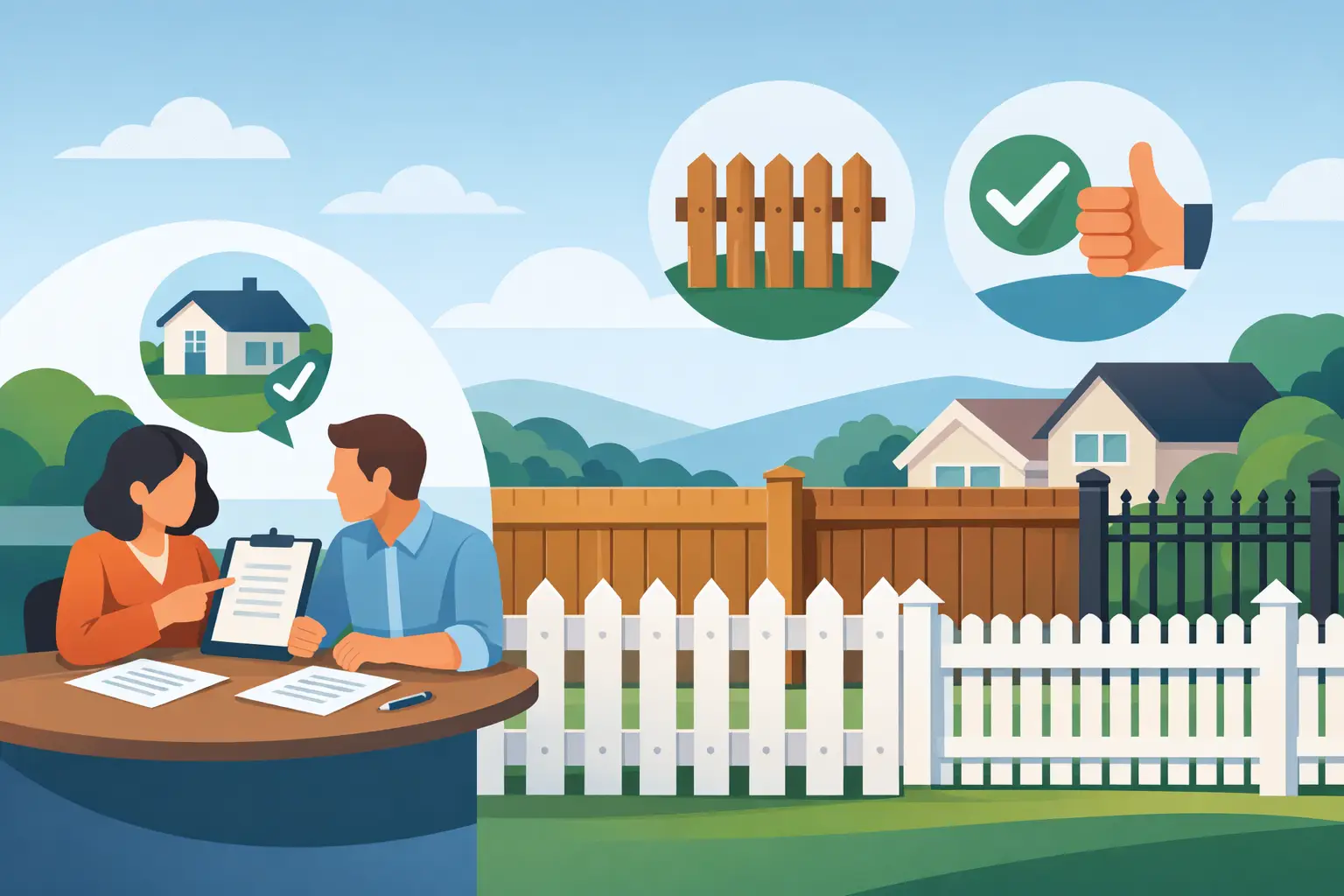
For example, a front-facing boundary may benefit from aluminum fencing that preserves sightlines and curb appeal. A rear service yard may call for a taller privacy fence that screens equipment or refuse containers. Using each material where it performs best can control costs while creating a more useful perimeter.
Think About Traffic Before Gate Placement
Gates are often the most operationally important part of commercial property perimeter fencing. A gate should accommodate the people and vehicles that actually use the site, not just fit into the remaining space on a drawing.
Consider delivery trucks, landscaping crews, maintenance vendors, emergency access, employee parking, and pedestrian movement. A narrow gate or poorly positioned entrance can lead to vehicles backing up near public roads, drivers cutting across landscaped areas, or staff leaving gates open because they are inconvenient to use.
Swing gates can work well where there is clear space for the gate leaf to open. Sliding gates are often a better fit when a driveway needs to remain clear or a larger opening is required. The right choice depends on available room, site grading, desired access controls, and the level of daily use.
Choose Materials Based on Exposure and Expectations
Florida weather puts every outdoor installation to work. Intense sun, frequent rain, moisture, wind, and changing ground conditions can affect how a fence performs over time. Material selection should account for the property’s appearance goals as well as maintenance demands and exposure.
Aluminum for Visibility and Professional Appearance
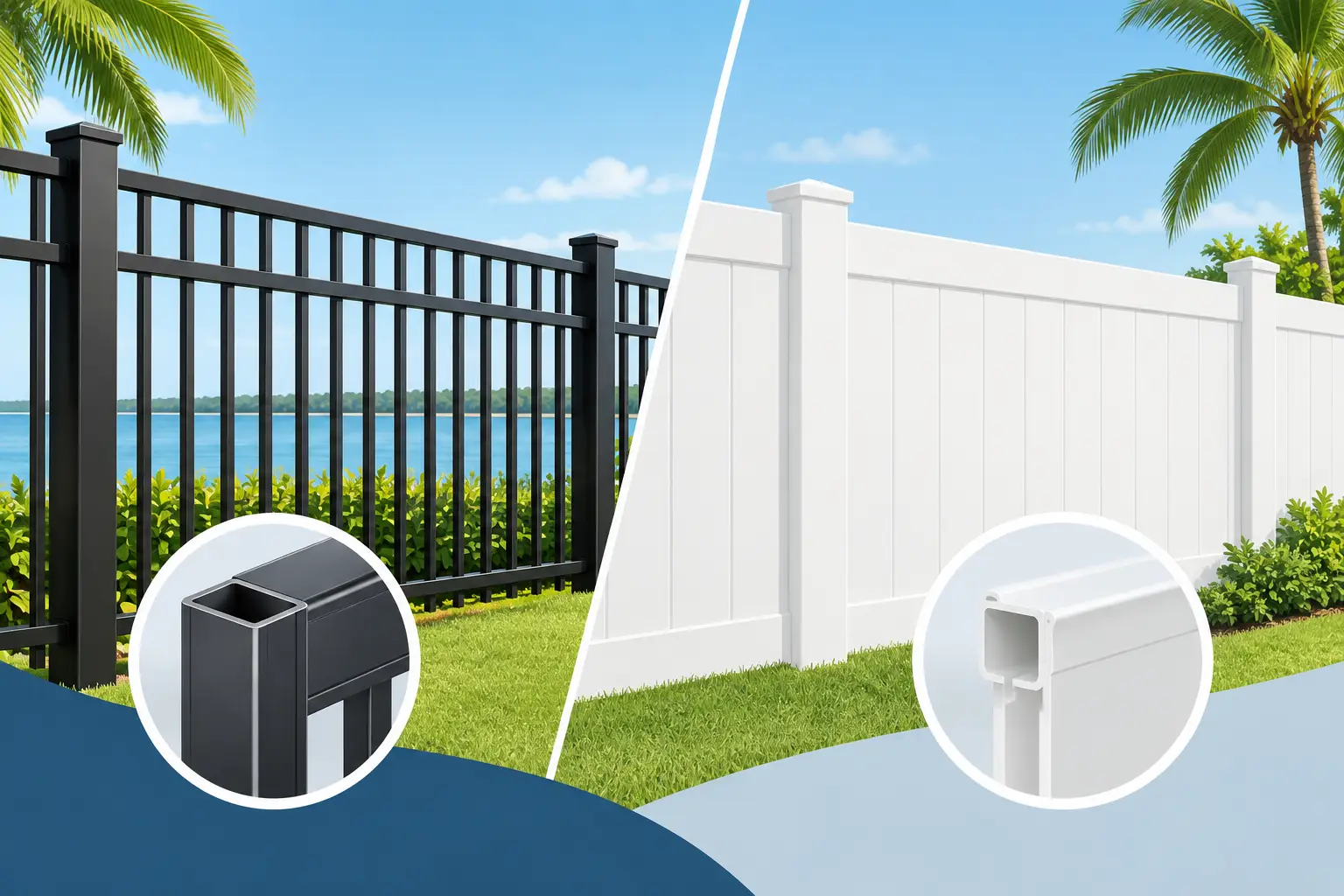
Aluminum fencing is a practical option for office properties, community entrances, pool surroundings, retail centers, and other areas where visibility matters. Its open picket design establishes a clear boundary without blocking views across the property.
It is also a strong choice where a polished appearance is part of the tenant or customer experience. Aluminum generally requires less upkeep than painted wood, but it does not provide privacy. For sites with valuable equipment or screened service areas, it may work best alongside another fencing solution.
Vinyl/PVC for Privacy and a Clean Finish
Vinyl/PVC fencing is often selected for commercial sites that need privacy, a consistent finished appearance, or a low-maintenance screen. It can help conceal storage areas, mechanical equipment, dumpsters, or shared boundaries behind offices and multifamily properties.
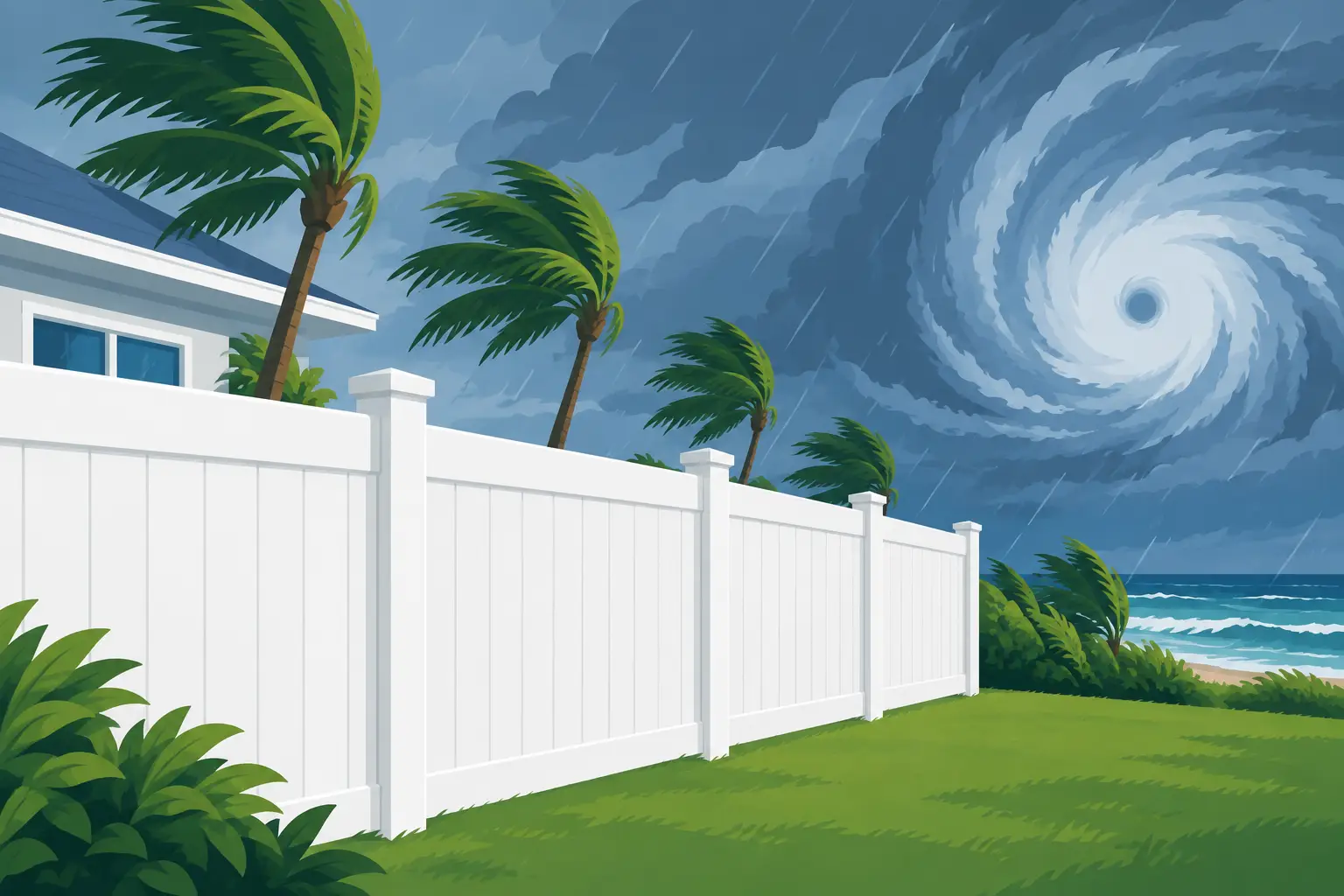
The trade-off is that solid panels catch more wind than open-style fencing. Proper post spacing, installation depth, and attention to local conditions matter, especially in exposed locations. A contractor should assess the site rather than treating every privacy fence layout the same.
Wood for Flexible Layouts and Natural Privacy
Wood fencing remains a useful option for properties that want a traditional look or need an adaptable solution for a large private boundary. It can be effective for screening service areas or separating commercial use from nearby residential lots.
Wood does require more long-term attention than aluminum or vinyl/PVC. Florida moisture and sun exposure can lead to weathering over time, so owners should plan for maintenance and eventual repairs. It can still be the right value when budget, design, and privacy requirements align.
Do Not Treat Permits and Approvals as an Afterthought
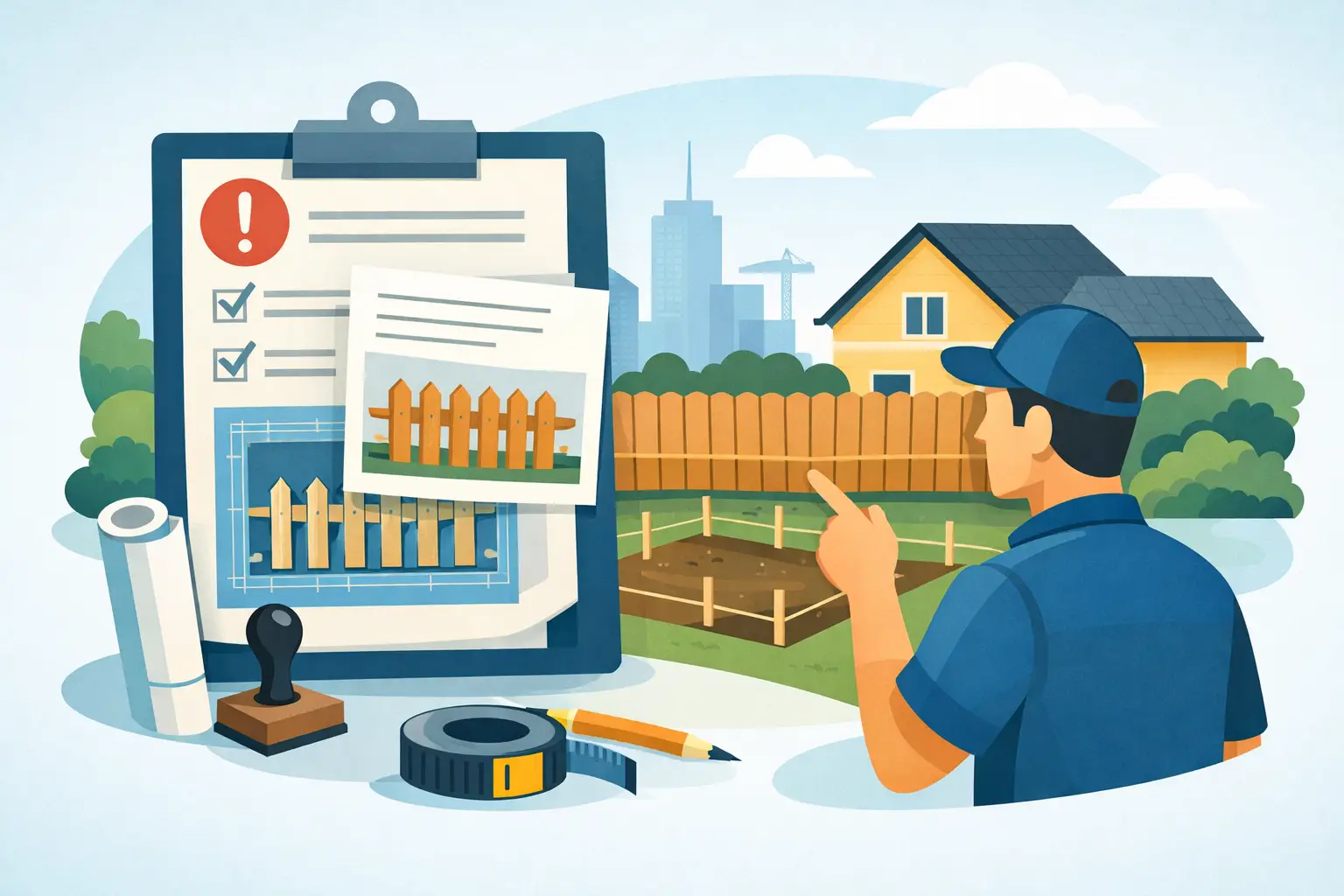
A fence project can be delayed long before installation begins if approvals are not addressed early. Local requirements may affect fence height, placement, visibility near driveways or intersections, and allowable materials. Commercial properties may also have lease requirements, architectural standards, or owner approval procedures.
Property managers have another layer to consider: a fence may affect tenant access, common areas, utilities, fire lanes, and vendor operations. Gathering site plans and confirming responsibilities at the start avoids last-minute changes after materials have been ordered.
In Central Florida and expanding South Florida markets, requirements can vary by municipality and property type. A clear project agreement should identify the proposed fence line, material, gates, timeline, and approval responsibilities before work starts. This is where an experienced local contractor saves customers time. Primo Fence helps manage permitting and approval details so owners and managers can focus on their property rather than paperwork.
Plan the Fence Line Around What Is Underground
A fence line may look straightforward until it crosses irrigation, utility routes, drainage areas, concrete, tree roots, or old site improvements. These conditions can affect post placement, labor, material quantities, and installation timing.
Utility locating is essential, but it is not the only consideration. Private lines serving lighting, irrigation, gates, signage, or site equipment may not be included in standard public utility markings. Property records, site knowledge, and a pre-installation walkthrough help reduce surprises.
Drainage deserves special attention in Florida. A perimeter fence should not interfere with the way water moves across the property or create an area where debris collects after heavy rain. In some locations, the solution may involve a small adjustment to fence placement, clearance at the bottom of the panels, or a different gate design.
Balance Security With a Welcoming Site
The highest or most enclosed fence is not always the best commercial choice. A customer-facing property needs to feel organized and safe, not confusing or uninviting. Clear entry points, visible signage, and intentional gate placement can improve security while keeping the site easy to navigate.
For a professional office, retail center, or managed community, appearance influences perception. Straight fence lines, level gates, clean transitions, and materials that complement the building create a more cared-for property. That matters to visitors, tenants, and prospective customers.
For industrial, storage, or service properties, the priority may lean more heavily toward controlled access and privacy. Even then, a planned design is better than adding disconnected fence sections over time. A unified perimeter is easier to manage, maintain, and explain to staff and vendors.
Get a Scope That Makes Budgeting Easier
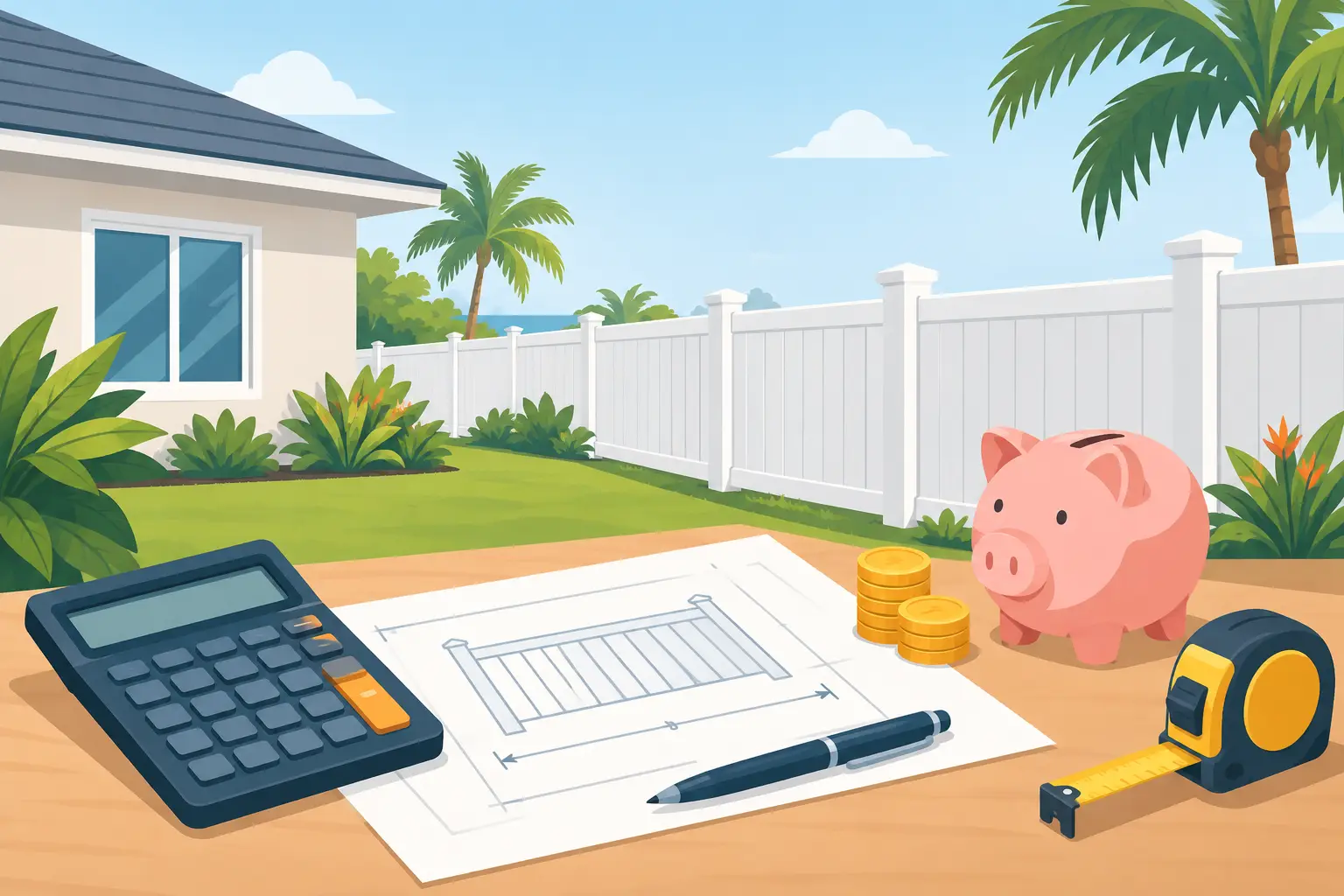
Commercial fencing quotes should be clear enough to compare without guessing what is included. The total cost can change based on linear footage, material, height, gates, ground conditions, demolition of an existing fence, permitting, and site access.
Ask for a scope that describes the fence material and height, approximate layout, gate sizes and locations, removal work, permit handling, and expected installation schedule. This makes it easier to identify whether one quote is genuinely lower or simply leaves out work that may appear later as an added cost.
Speed matters for commercial projects, especially when a property is opening, changing tenants, addressing a security concern, or repairing storm damage. Still, a rapid installation should not mean vague communication. The best experience combines a realistic timeline with updates when site conditions or approvals affect the schedule.
Build for the Next Phase of the Property
A fence should support the property you have now and the changes you expect later. If a business may add outdoor storage, expand parking, create a dog area, divide tenant space, or add controlled access, leave room in the design for that possibility. A well-planned perimeter makes future improvements simpler instead of forcing a full rebuild.
The practical next step is a site-specific estimate that accounts for how your property operates, not just how many feet need fencing. When the layout, material, access, and approval path are clear from the beginning, the finished fence can do its job quietly for years.


0 Comments