
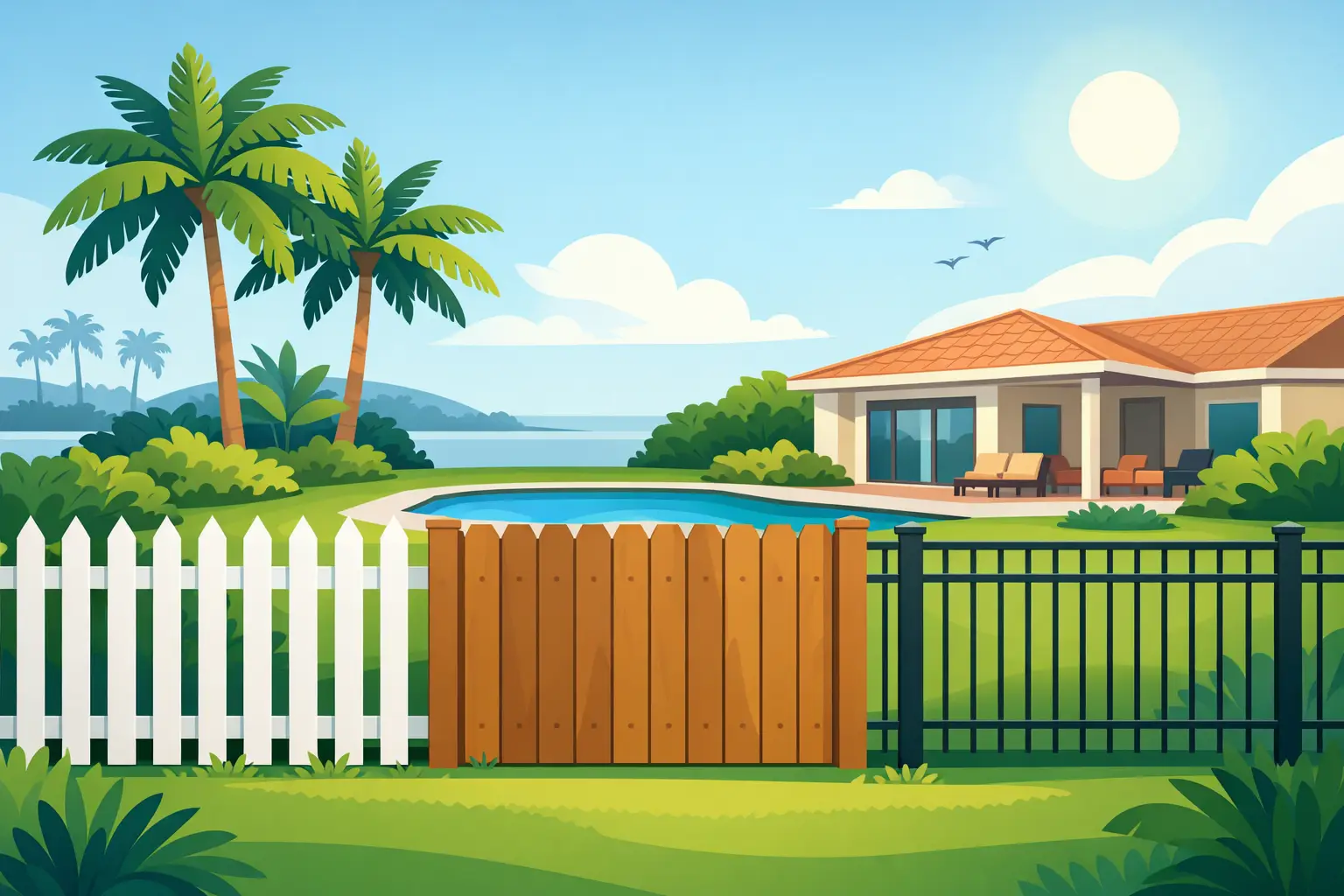
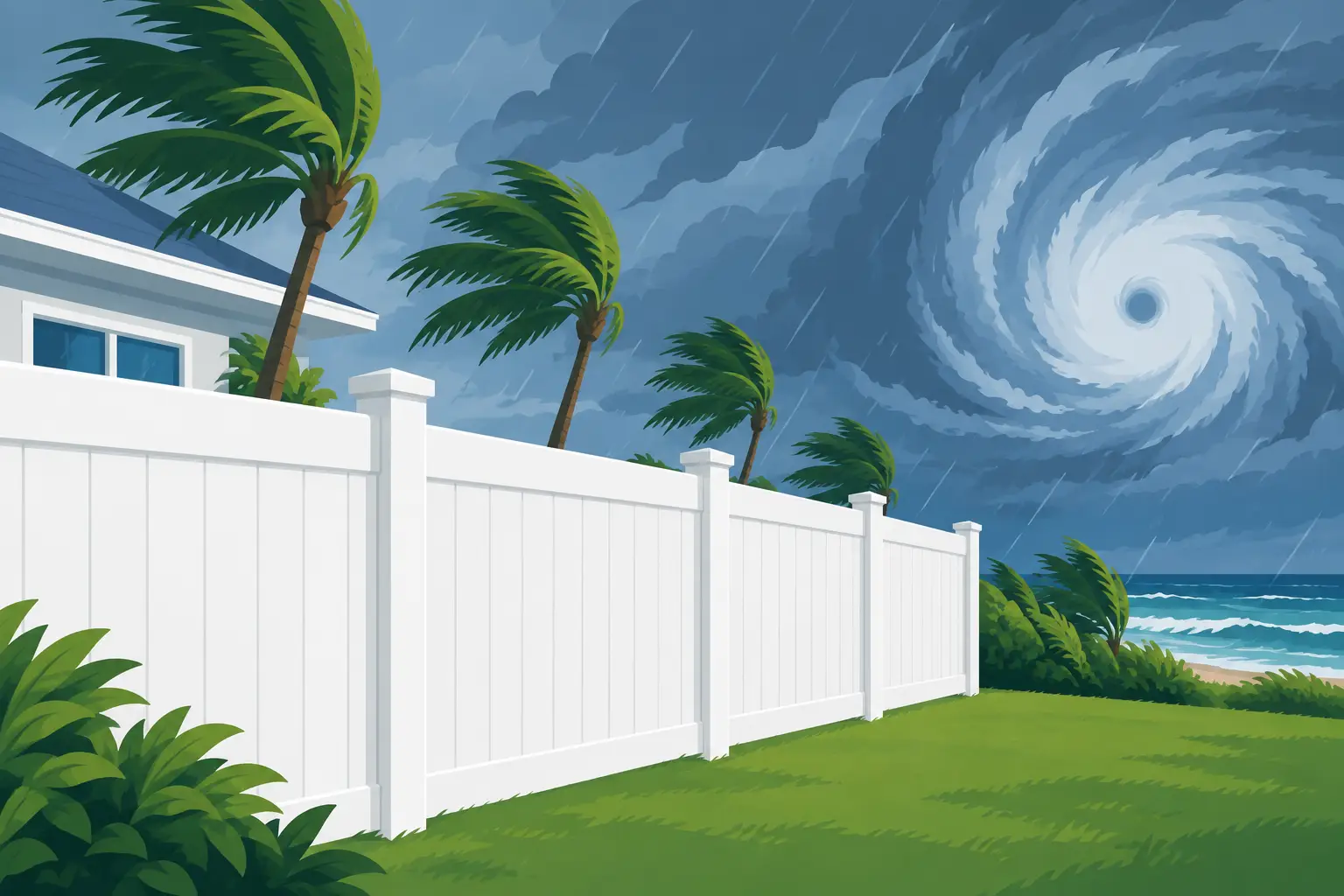
A fence can solve a very specific problem fast: the dog needs a safe yard, the pool area needs a defined boundary, a new neighbor changed the view, or an old fence is leaning after another Florida storm. But choosing the best Florida fencing is not as simple as picking a color and measuring the backyard. Heat, humidity, wind, soil conditions, HOA rules, and local permitting all affect what will look good and hold up over time.
For most Central Florida homeowners, the right choice comes down to the level of privacy, maintenance, security, and visual openness they want. A good contractor helps translate those priorities into a fence system that fits the property, the neighborhood, and the budget – without leaving the homeowner to chase approvals or guess at the next step.
What Makes the Best Florida Fencing?
The best fence is the one that meets the job it needs to do for years, not just the one that looks best on installation day. A backyard privacy fence has different requirements than a front-yard decorative enclosure. A commercial perimeter may need controlled access and durability above all else. Florida’s climate adds another layer: materials must tolerate intense sun, heavy rain, moisture, and occasional high-wind events.
Start with the purpose. If children or pets need a secure play area, the fence should have the proper height, dependable gate latches, and minimal gaps. If privacy is the priority, solid vinyl or wood panels provide more coverage than open aluminum pickets. If the goal is to improve curb appeal while preserving a view, aluminum often offers a clean, polished option.
There is no single material that wins in every situation. The best decision is usually a practical balance between appearance, upkeep, budget, and the rules that apply to the property.
Vinyl Fencing for Low-Maintenance Privacy
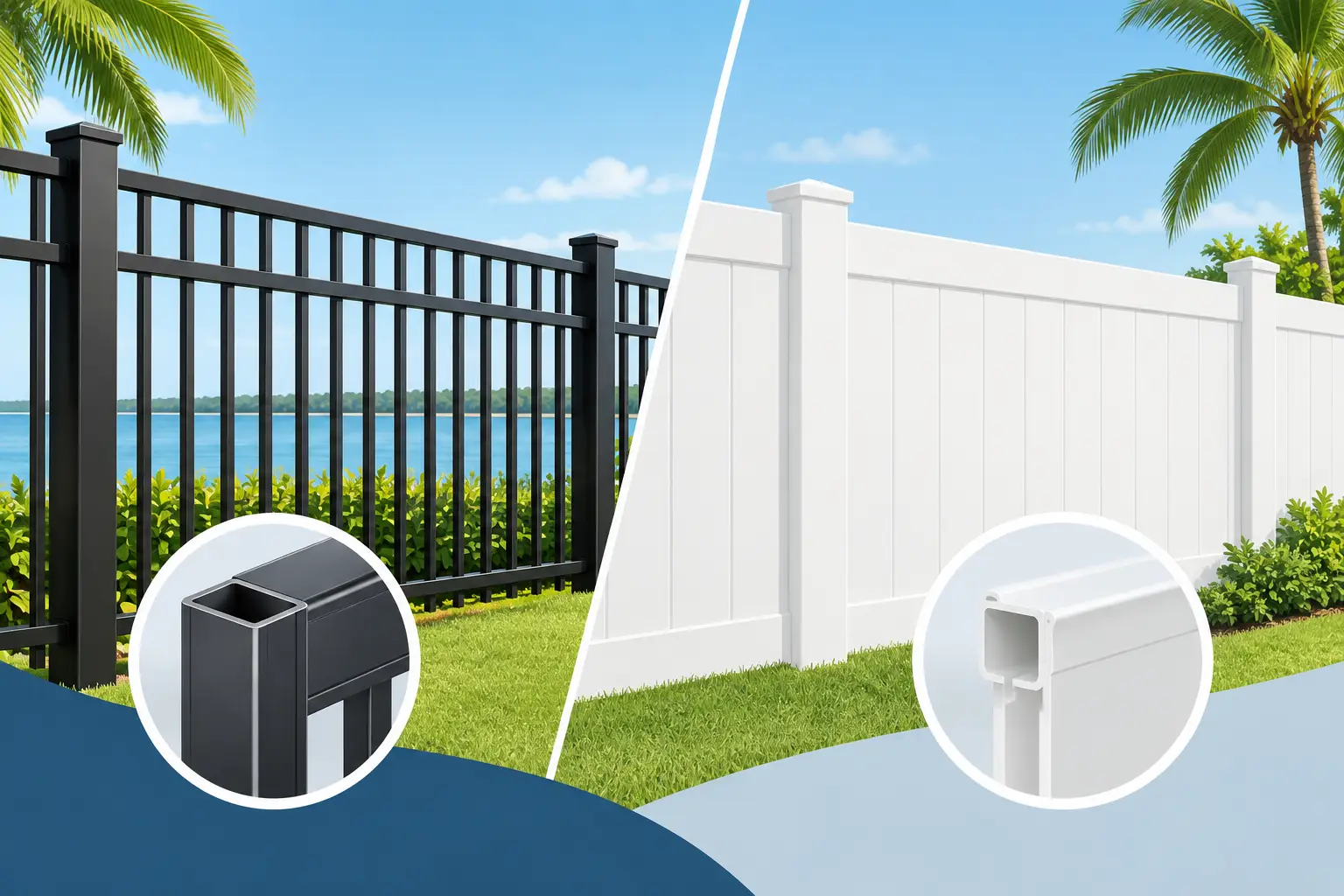
Vinyl, also called PVC fencing, is a popular choice for Florida homeowners who want a clean privacy boundary without ongoing painting, staining, or sealing. It is available in solid privacy styles, semi-private designs, and decorative options that can complement newer homes, pool areas, and planned communities.
The biggest advantage is routine maintenance. Vinyl does not rot like wood, and it does not need to be repainted when Florida rain and sun take their toll. An occasional cleaning is generally enough to keep it looking presentable. For busy families, that can be a meaningful long-term benefit.
Vinyl does have trade-offs. A quality installation matters because posts and panels need proper support and spacing. Lower-grade products can be more vulnerable to discoloration, impact damage, or movement over time. Homeowners should also confirm that the color, height, and style meet HOA standards before materials are ordered. In many communities, white vinyl privacy fencing is common, but common does not always mean automatically approved.
For a backyard that needs privacy and a defined safe space for pets or children, vinyl is often one of the strongest all-around options. Many systems also carry long-term warranties, with 30-year coverage available on qualifying products.
Aluminum Fencing for Security, Pools, and Open Views
Aluminum fencing is the right fit when homeowners want a refined boundary without closing off the yard. Its open-picket design works especially well around pools, lakes, landscaped front yards, and properties where visibility matters. It can provide a clear line of separation while maintaining a more open feel than a solid privacy fence.
Florida homeowners often choose aluminum for pool safety because it offers strength, visibility, and a finished appearance. The exact layout, gate placement, latch type, and required clearances matter, particularly when the fence is part of a pool barrier. A professional site review helps avoid costly changes after installation.
Aluminum is also naturally resistant to rust, which makes it a practical material in humid conditions. It is not the best option for complete privacy, and it will not block sound or sightlines the way vinyl or wood can. Still, for homeowners who value curb appeal, low upkeep, and visibility, it is difficult to beat.
Commercial properties can benefit from aluminum as well. Office buildings, multifamily communities, retail spaces, and managed properties may use it to secure common areas or define a perimeter without creating an overly industrial appearance.
Wood Fencing for a Traditional, Custom Look
Wood fencing remains a familiar choice across Florida because it offers warmth, flexibility, and a classic residential look. It can be built in a range of heights and styles, from board-on-board privacy fencing to shadowbox designs that look attractive from both sides. Wood is also a good option when a homeowner wants a fence tailored to an unusual lot line or a specific architectural style.
The trade-off is maintenance. Florida moisture, insects, sun exposure, and rain can all affect wood over time. A properly installed wood fence can serve a home well, but it may need periodic sealing, staining, repairs, or board replacement to maintain its appearance and performance.
Wood can make sense when budget flexibility and a natural look are more important than minimal upkeep. It is particularly useful for homeowners replacing an existing wood fence in a neighborhood where that style is expected. The key is setting realistic expectations: wood is not a set-it-and-forget-it material in Florida.
Florida Fence Rules Can Shape the Right Choice
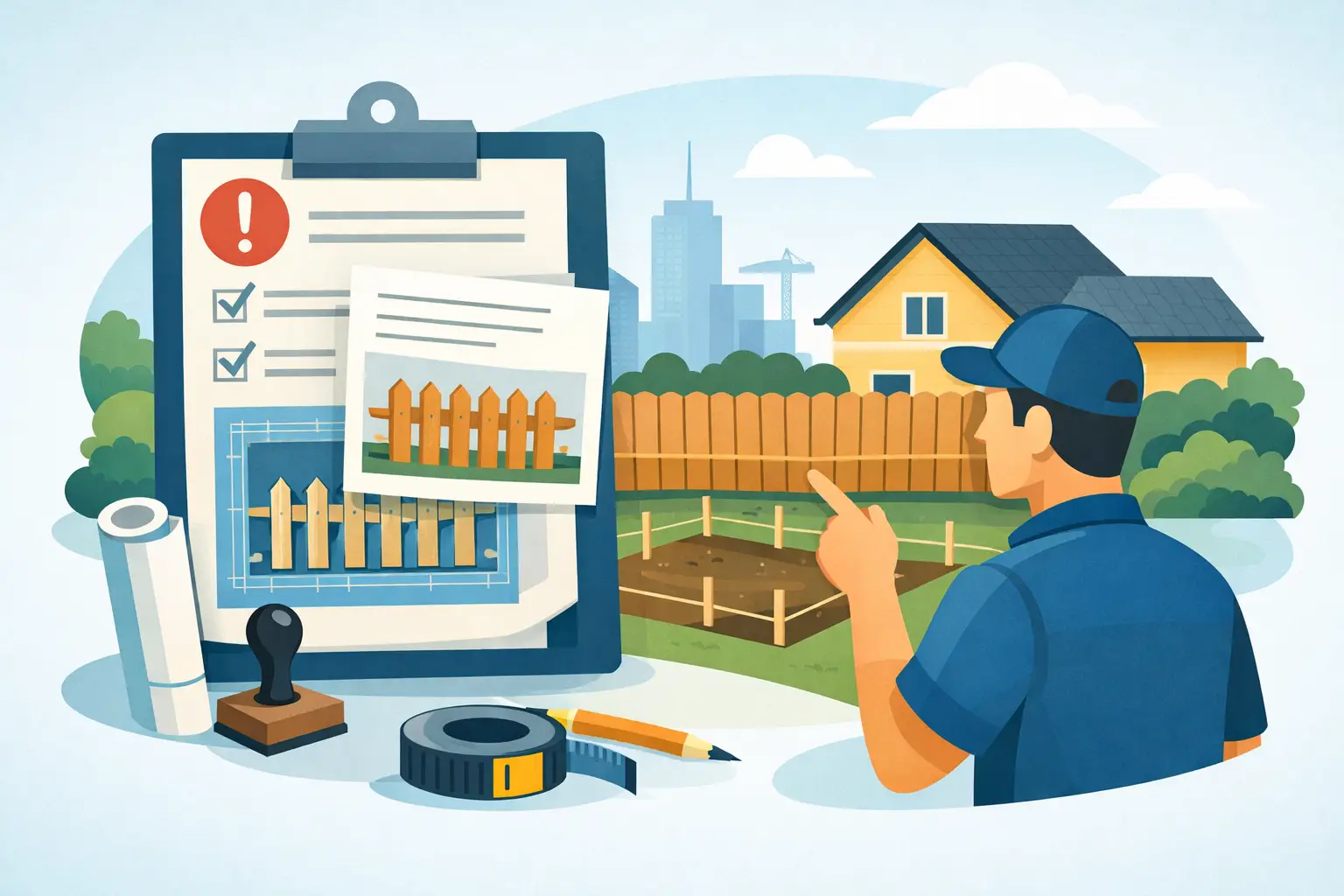
A fence can be well designed and still be delayed if the approval process is overlooked. In Central Florida, requirements can vary by city, county, subdivision, and HOA. Height limits, location restrictions, gate placement, acceptable colors, and approved materials may all affect the final plan.
For example, a backyard may allow a taller privacy fence while a front-yard fence has stricter height limits. Corner lots can have additional visibility considerations. Utility easements, drainage areas, pool requirements, and property-line questions can also change where a fence can be installed.
That is why planning should happen before installation day. A clear agreement should identify the fence style, approximate timeline, scope of work, and any approval or permit steps involved. Homeowners should not have to figure out which forms are needed after they have already committed to a project.
Primo Fence supports customers through HOA approval and permit handling so the project can keep moving without unnecessary back-and-forth. That service is especially helpful for homeowners who want a straightforward process rather than another administrative task on their list.
Choose a Fence Contractor, Not Just a Fence Material
Two fences made from the same material can perform very differently depending on how they are installed. Proper layout, post depth, alignment, gate construction, and attention to property boundaries all matter. The installer should also communicate clearly about scheduling, material availability, approvals, and what the job site will look like during construction.
A reliable contractor begins with a free estimate and a conversation about how the property is used. They should ask whether privacy, pet safety, pool compliance, security, or appearance is the main concern. They should also be willing to explain why one material is a better fit than another instead of steering every customer toward the same product.
For commercial owners and property managers, responsiveness is equally important. A delayed perimeter fence can affect operations, tenant expectations, and site security. Look for a contractor that can provide a clear schedule, affordable options, professional installation, and simple invoicing.
A Simple Way to Make the Final Decision
Before choosing, picture the fence from inside the home as well as from the street. Consider the view from the patio, the path to the gate, how a mower will move around the yard, and whether a solid fence will make a small space feel more enclosed. Think about the next five to ten years, not just this season’s project budget.
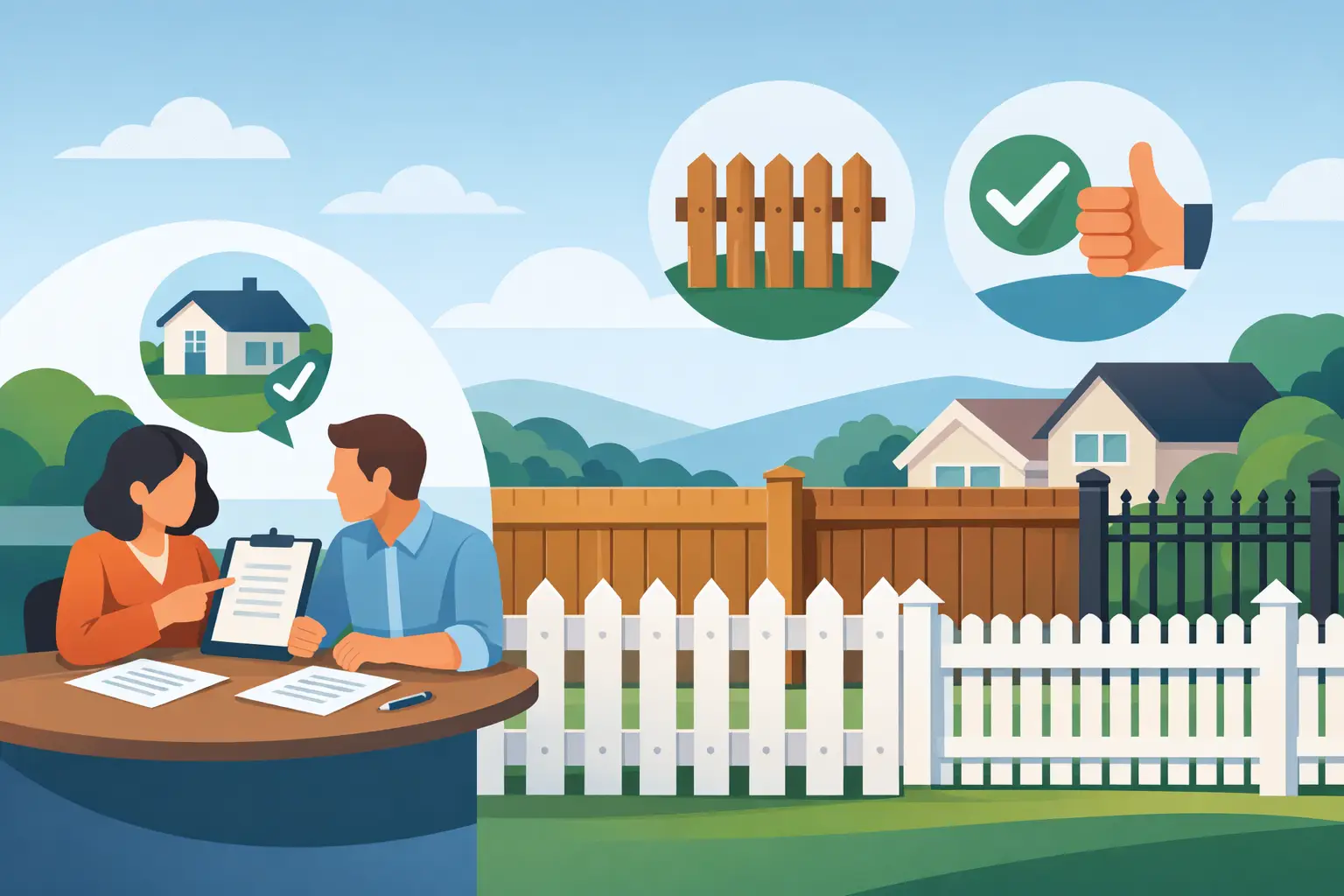
Then compare the materials against the job at hand. Vinyl is often best for low-maintenance privacy. Aluminum is a strong choice for pool areas, security, and open views. Wood brings traditional character and customization but asks more from the homeowner over time. Once the right direction is clear, a detailed estimate and approval plan can turn the decision into a project with a defined path forward.
A well-planned fence should make daily life easier – a safer yard, a more private patio, a cleaner property line, and one less unfinished item on the home improvement list.


0 Comments