
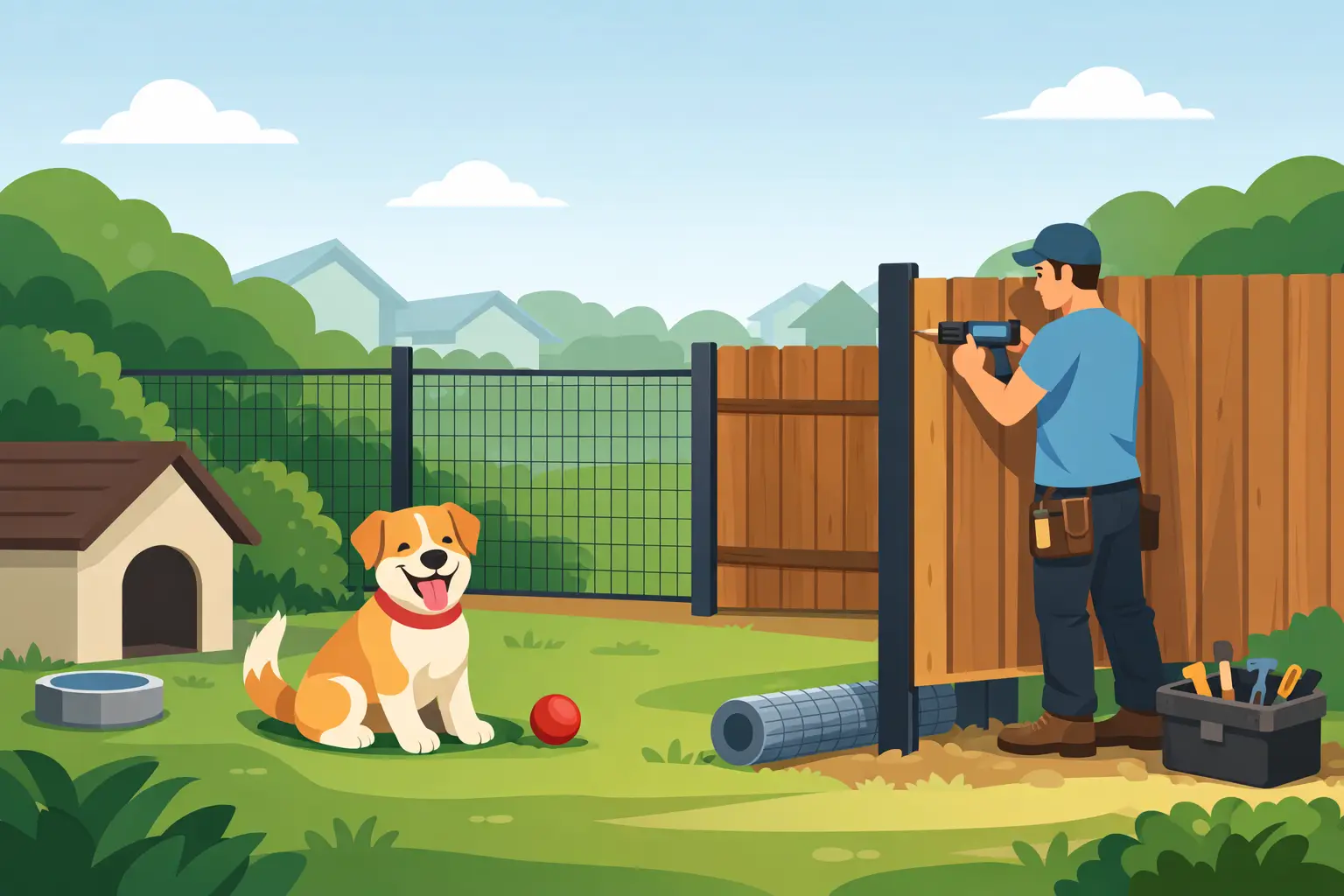
A fence can turn an anxious every-door-opening moment into a yard your dog can enjoy safely. But a successful backyard dog fence installation is about more than putting panels around the perimeter. The right fence needs to suit your dog’s size and behavior, your property layout, Florida weather, neighborhood requirements, and the way your family uses the yard.
For Central Florida homeowners, a professional plan also prevents the common delays that come from unclear property lines, HOA approvals, and permit questions. Starting with the right decisions means you get a secure enclosure without paying to fix avoidable problems later.
Start with your dog, not the fence material
Every dog presents a different fencing challenge. A small, calm dog may be safely contained by a lower fence with tight spacing. A large, energetic dog may need additional height, stronger posts, and a gate that cannot be pushed open. Dogs that dig, climb, or react to people and animals outside the yard need a plan that addresses those habits directly.
Before choosing a style, consider how your dog behaves when excited. Does your dog run the fence line? Jump at the gate? Squeeze through narrow openings? Dig near corners? Those details affect the height, picket spacing, gate hardware, and installation approach.
A privacy fence can reduce visual triggers for dogs that bark at passing neighbors, delivery drivers, or other pets. An aluminum fence keeps sightlines open and can be a great fit for a well-behaved dog and a landscaped yard, but it may not be the best choice for a dog that is motivated to chase anything it sees. There is no single best option for every household. The safest choice is the one built around your dog and daily routine.
Choosing a material for backyard dog fence installation
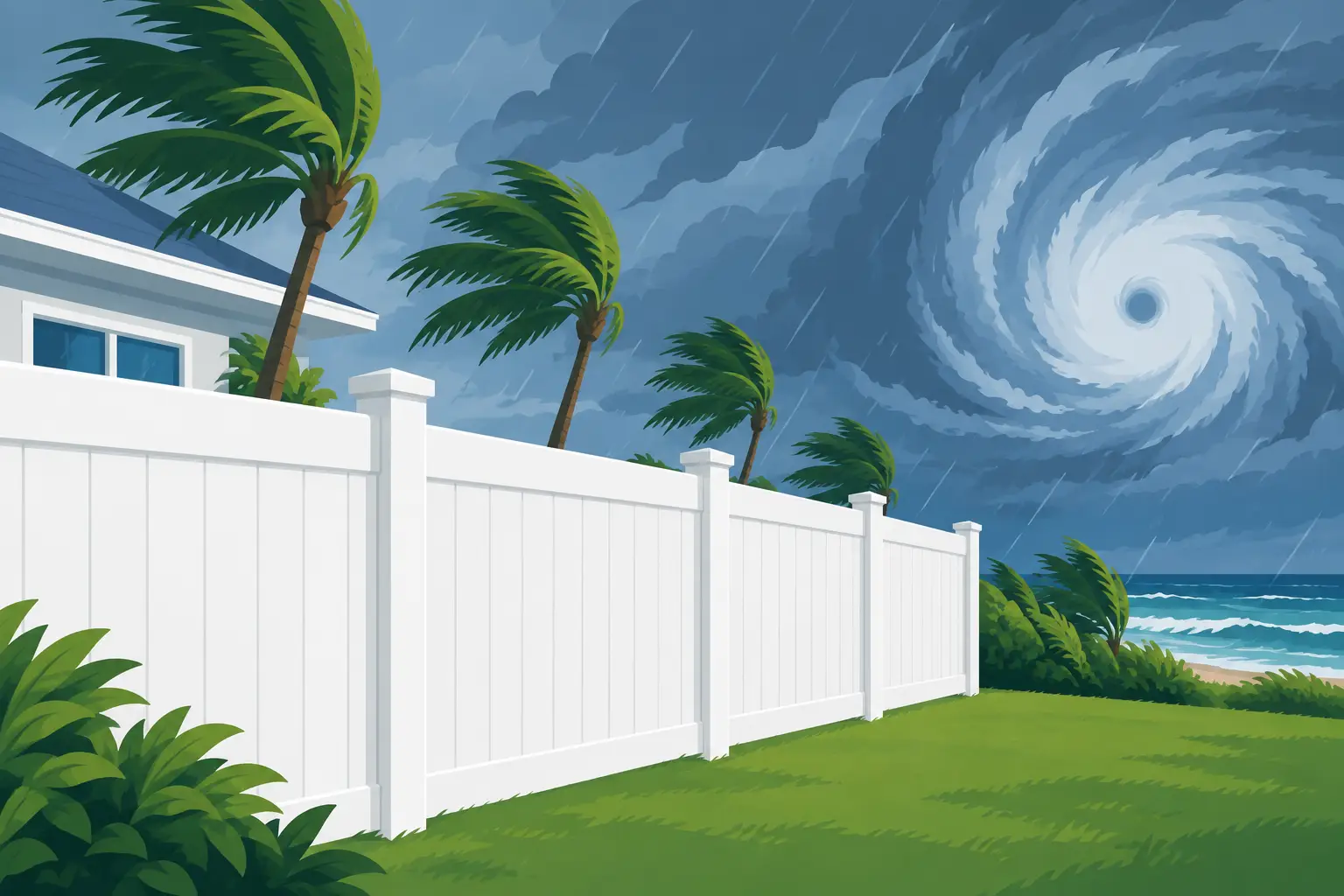
Florida’s heat, rain, humidity, and storm season should be part of every material decision. Appearance matters, but durability and upkeep matter just as much when the fence is protecting a pet.
Vinyl/PVC for privacy and low maintenance
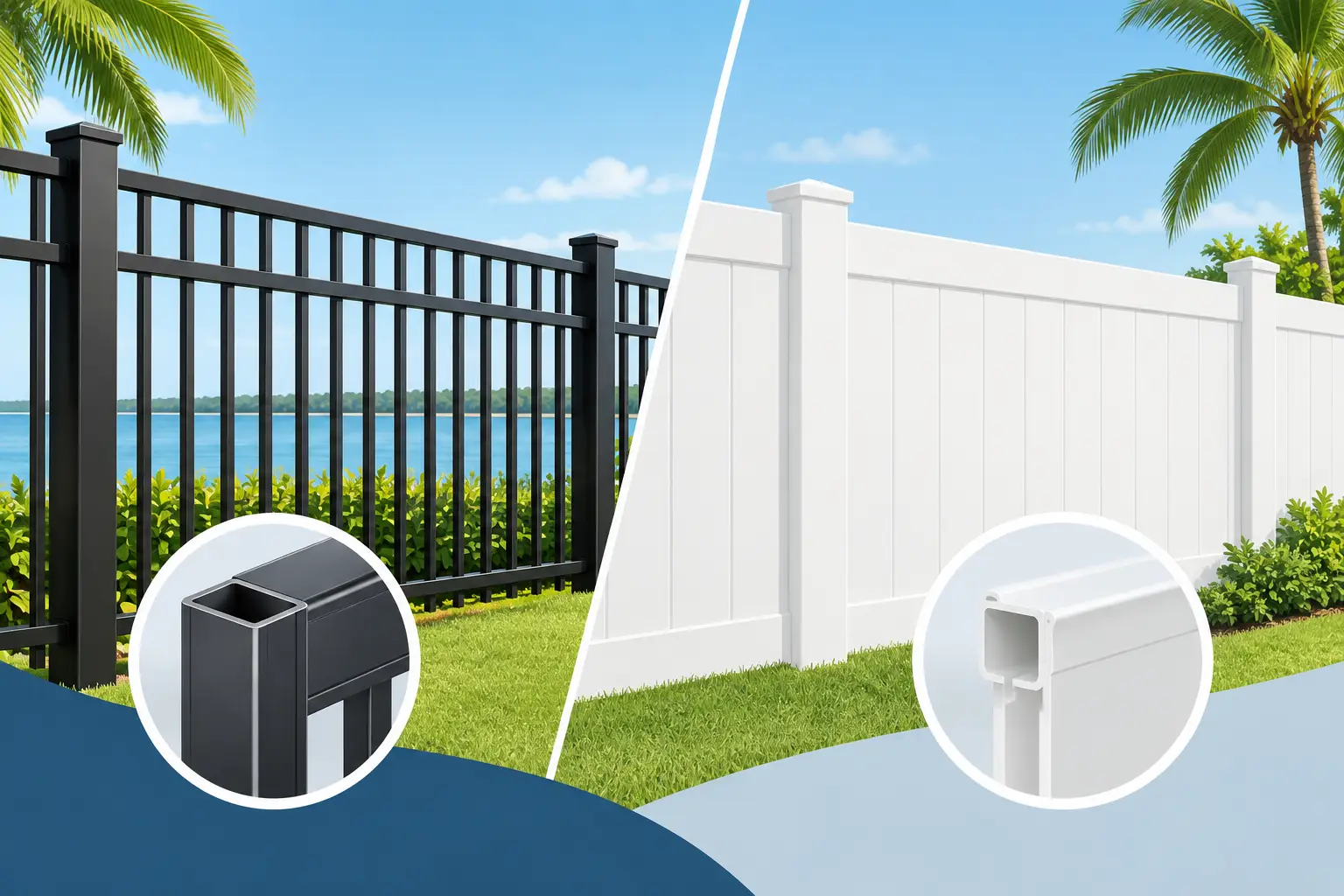
Vinyl/PVC fencing is a popular option for families who want a clean, private backyard. Solid panels help block outside distractions, create separation from neighboring homes, and give children and pets a more enclosed place to play. The material does not require painting or staining, and routine cleaning is generally straightforward.
The trade-off is that a solid privacy fence changes the feel of the yard. It can make a smaller space feel more enclosed, and some HOAs limit approved colors or styles. A contractor can help match the fence design to your community guidelines before materials are ordered.
Wood for a classic, adaptable look
Wood fencing offers a warm, traditional appearance and can be built in privacy, shadowbox, board-on-board, and other styles. It is also flexible when a property has unusual grades or needs a custom layout around trees, sheds, or landscaping.
In Florida, wood needs appropriate installation and maintenance to perform well over time. Moisture, sun exposure, and insects can affect untreated or poorly maintained boards. Quality materials, proper post setting, and realistic expectations about maintenance are essential. For homeowners who like the look of wood and are prepared to maintain it, it remains a practical dog-fence choice.
Aluminum for visibility and curb appeal
Aluminum fencing is strong, clean-looking, and well suited to properties where homeowners do not want to block views of a pool, garden, pond, or open landscape. It is a common choice for larger dogs that do not dig or squeeze through openings, and it offers a polished look with minimal maintenance.
Because aluminum fencing is open, it does not provide privacy or block visual stimulation. It also requires careful attention to picket spacing and bottom clearance. If a small dog can fit through the openings or beneath the fence, the design needs to change before installation begins.
Fence height, ground clearance, and gates matter
A fence that looks secure from the street can still leave an easy escape route for a determined dog. Height should reflect your dog’s jumping ability, not just its shoulder height. Many homeowners choose a 6-foot privacy fence for added security and privacy, while some dogs may be safely contained with less height depending on the design and local rules.
Ground clearance deserves equal attention. Uneven terrain, drainage slopes, and low spots can leave gaps beneath panels. A dog may notice those gaps quickly. During planning, the fence line should be evaluated for grade changes, roots, utility areas, and locations where water collects after heavy rain. The goal is to follow the yard’s natural conditions without leaving openings or creating drainage issues.
Gates are another frequent weak point. A dog fence gate should be sized for how you use the yard, whether that means taking out trash bins, bringing in lawn equipment, or accessing a pool area. It should also have dependable hinges, a secure latch, and proper alignment. For households with clever or powerful dogs, a self-closing gate or additional latch protection may be worth considering.
Plan the layout before the crew arrives
A clear fence layout avoids surprises once work begins. The enclosure should give your dog room to move while preserving practical access around the home. Think about where your air-conditioning equipment, pool equipment, garden beds, outdoor seating, and storage areas sit. A fence that cuts off access to something you service regularly can create a daily inconvenience.
Property boundaries should be verified before finalizing the layout. Do not assume an existing fence is on the exact line, especially in older neighborhoods or properties with prior renovations. If there is uncertainty, a current survey may be needed. Building on a neighbor’s fence line without confirmation can lead to expensive disputes and rework.
It also helps to consider future plans. If you expect to add a pool, extend a patio, install a shed, or create a garden, the fence design should leave the right access and usable space. A small adjustment on paper can save a major change later.
Do not let HOA and permits hold up the project
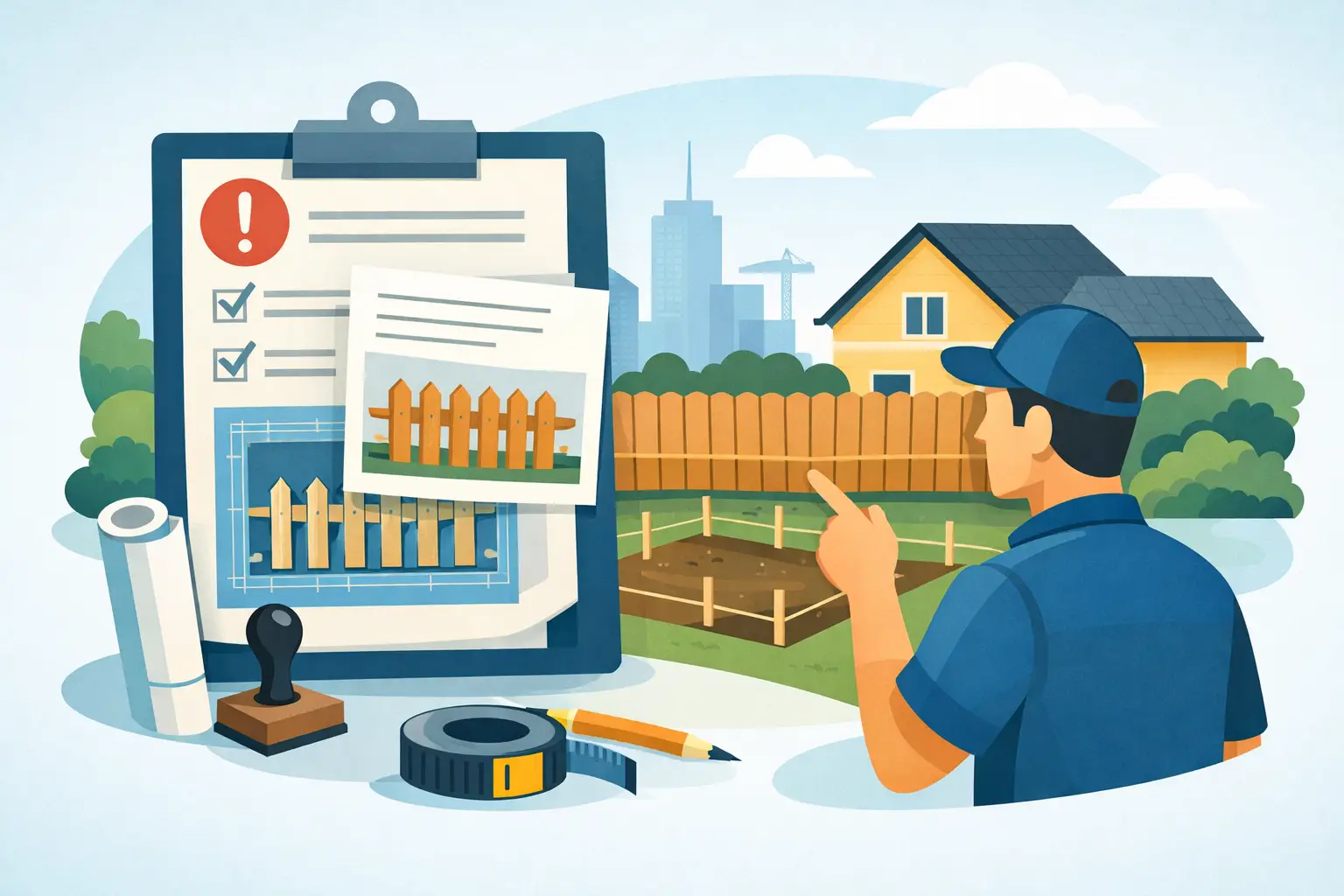
In many Central Florida communities, fence projects require HOA approval before installation. Requirements may cover height, color, style, placement, and which sides of the property can have privacy fencing. Municipal permit requirements can vary by location and project scope as well.
This is where many homeowners lose time. Materials may be selected before the HOA signs off, or an installation date may be discussed before permit needs are confirmed. A better approach is to review requirements early, submit the right documents, and build the timeline around approvals.
Primo Fence helps homeowners manage these steps as part of a guided project process, from a free estimate through agreements, HOA support, permit handling, and completed installation. Having one team coordinate the administrative details and field work keeps communication clear and helps prevent last-minute delays.
Prepare the yard for a smooth installation
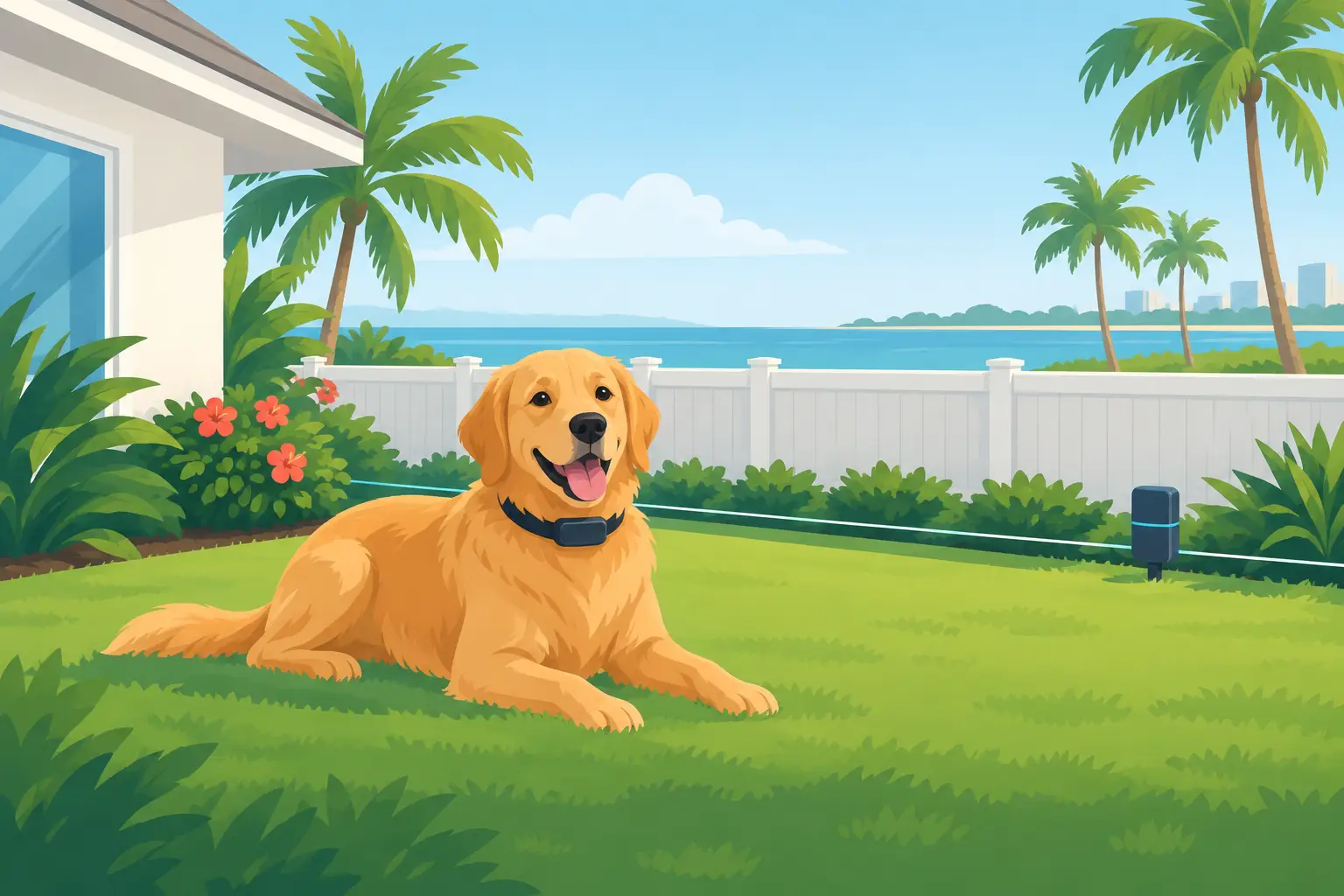
You do not need to overhaul your backyard before a fence crew arrives, but a little preparation protects the schedule. Clear movable furniture, toys, planters, and debris from the fence line. Identify sprinkler heads, irrigation lines, invisible pet fencing, lighting wires, and other features that may be near planned post locations. If you know of underground improvements, point them out during the estimate rather than waiting until installation day.
Access is important, too. Crews need a workable route to bring materials and equipment into the yard. If access is narrow, locked, shared, or affected by parking restrictions, discuss it in advance. The same goes for pets: keep dogs safely inside or away from the work area while gates are open and posts are being set.
Think beyond containment
A backyard fence is most useful when it supports the way your family lives. Add a gate near the driveway if dog walks start there. Preserve a sightline from the kitchen if you want to keep an eye on children and pets. Consider a separate run area if your dog needs a controlled space while guests visit or landscaping is being maintained.
The best fence feels simple once it is finished. Your dog has room to play, your yard has a clear boundary, and you know the gates, materials, and layout were chosen for real daily use. Start with a professional estimate, bring questions about your dog and property, and make the decisions that will give your family more confidence every time you open the back door.

0 Comments