
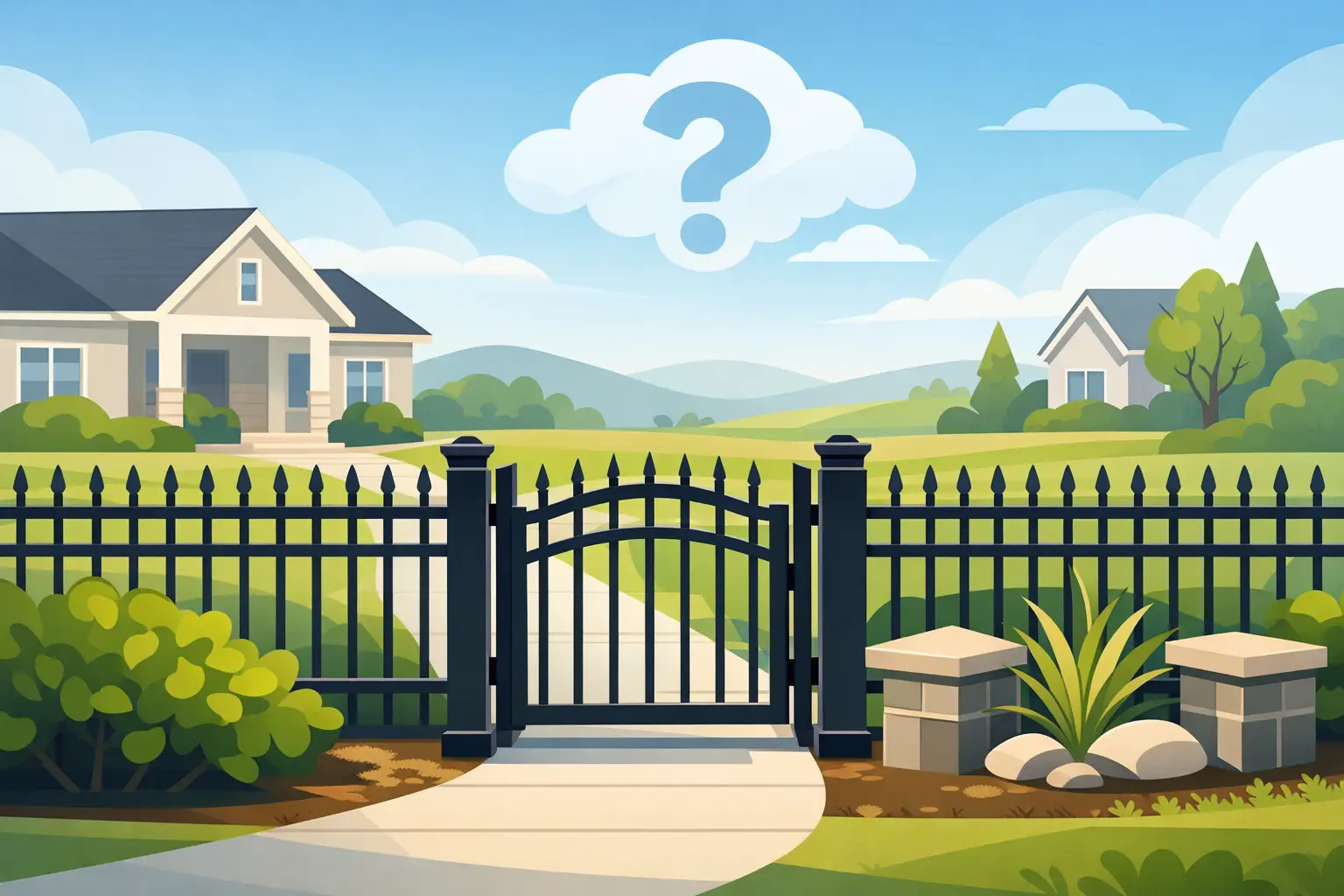
A front-yard fence changes the way your home meets the street. It can define your property line, create a safer area for children and pets, and give your landscape a finished look without blocking the view you worked hard to create. For many Florida homeowners, an aluminum fence for front yard space is the right balance of security, curb appeal, and low-maintenance performance.
Aluminum is not the best answer for every property. If complete privacy is the goal, a vinyl or wood fence may be a better fit. But when you want an open, polished boundary that holds up well in Florida weather, aluminum deserves a close look.
Why Aluminum Works Well in a Front Yard
Front yards are visible from nearly every angle: the street, the driveway, neighboring homes, and your front windows. A solid privacy fence can feel too closed-in for this space, especially on smaller lots. Aluminum fencing creates a clear boundary while preserving sightlines, so your home still feels open and welcoming.
That visibility has practical value. Parents can more easily keep an eye on children playing outside. Pet owners can create a secure enclosed area without losing awareness of what is happening near the sidewalk or street. It also allows landscaping, architectural details, and entryways to remain visible rather than hidden behind a solid wall of fencing.
Aluminum fencing is also a strong fit for Central Florida’s climate. Quality aluminum systems resist rust, and their powder-coated finish is designed to handle sun, humidity, rain, and routine irrigation exposure with far less upkeep than many traditional materials. You will still want to rinse away dirt and check the fence periodically, but there is no regular painting, staining, or sealing schedule to manage.
For homeowners focused on appearance, aluminum has another advantage: it can look refined without looking heavy. The clean lines work with many home styles, from newer suburban homes in Winter Garden and Oviedo to more traditional properties in Winter Park and Sanford.
Choosing the Right Aluminum Fence for Front Yard Space
The right fence is not just about selecting a color from a brochure. Height, style, gate placement, terrain, local rules, and the reason for installing the fence all affect the finished result.
Start with the purpose of the fence
If your main goal is curb appeal and a visible property line, a shorter aluminum fence may provide exactly what you need. A 4-foot style is common for front yards because it creates definition without overwhelming the home or landscape.
If you are enclosing space for a dog, the fence needs to be tall enough and configured carefully enough for that pet. A larger or more athletic dog may need a taller fence, closely spaced pickets, and a dependable self-closing gate. For child safety, gate latches, pool-related requirements, and access points deserve just as much attention as the fence panels themselves.
Security can also mean different things. An aluminum fence is a visible boundary that discourages casual shortcuts through the yard and helps control entry. It is not a privacy barrier, however, and it will not conceal patios, windows, or outdoor equipment. Being clear about the problem you want the fence to solve helps prevent a material mismatch later.
Think about height before falling in love with a style
Many homeowners assume they can choose any fence height they prefer, but front-yard rules are often more restrictive than backyard rules. Municipal codes, setback requirements, corner-lot visibility rules, and HOA guidelines can all limit where a fence may go and how tall it can be.
This is especially relevant near driveways and street intersections. Fences that interfere with a driver’s view can create a safety concern and may not be approved. A professional site review should account for the exact layout of your lot, not just the measurement from one property corner to another.
Match the style to the home, not just the neighbor’s fence
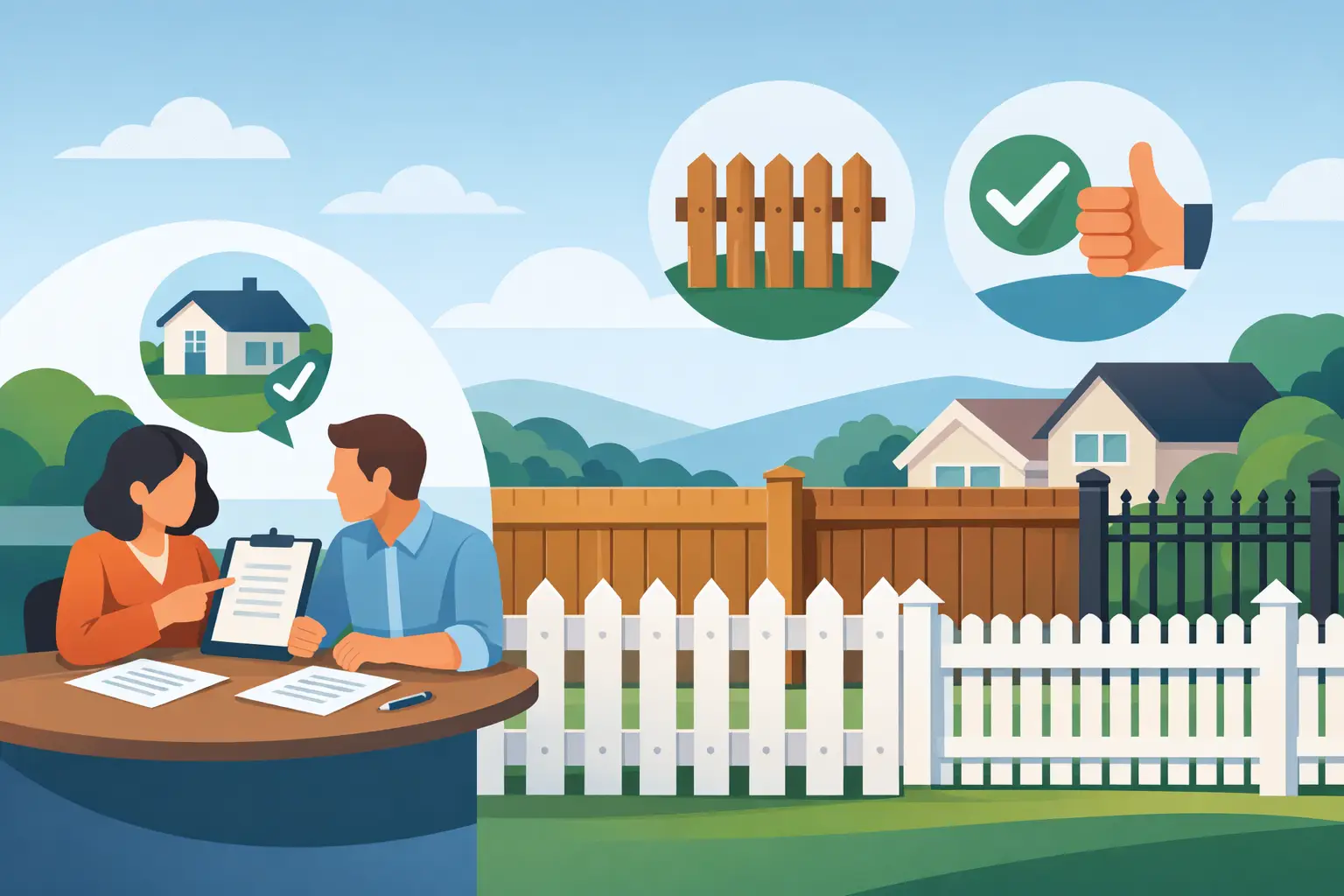
Black aluminum remains a popular choice because it has a clean, classic appearance and complements most exterior colors. Bronze can offer a softer look for homes with warm earth tones, while certain projects may call for other approved finish options.
The panel design matters, too. Flat-top styles feel simple and modern. Spear-top or decorative accents can create a more formal look, but they may not fit every neighborhood or HOA standard. A good design should frame the home rather than compete with it.
Gate placement is part of that design. A front walk gate should be easy to reach and wide enough for its expected use. If lawn equipment, trash bins, strollers, or bicycles need to pass through, discuss those practical details before the installation plan is finalized.
Florida Permits and HOA Approval Can Shape the Project
The fence itself may be straightforward. The paperwork is often where projects slow down.
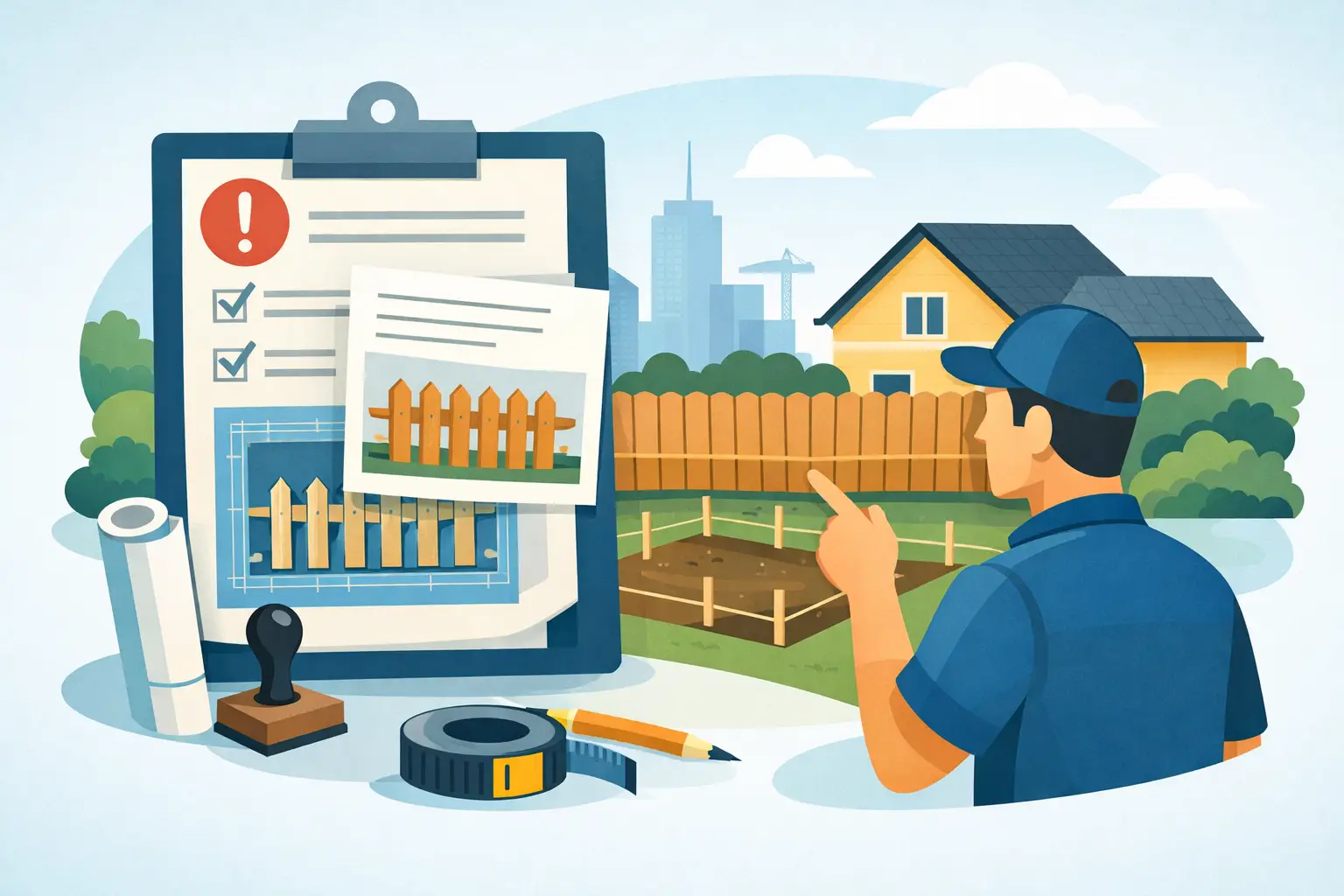
Many Florida communities require HOA or architectural review approval before work begins. Some associations specify approved colors, fence styles, heights, locations, and gate orientations. They may also require a recent survey, site plan, product details, or neighboring property acknowledgment. Starting installation before receiving approval can create unnecessary expense and frustration.
Local permitting requirements vary by city and county as well. A permit may be needed depending on the location, height, project scope, or enclosure type. Pool barriers are subject to additional safety requirements, including rules for gates, latches, and spacing.
This is why homeowners should not rely on a general online measurement or a neighbor’s recent project as a final answer. Properties can have different easements, lot shapes, HOA standards, and jurisdictional requirements. An experienced fence contractor can help identify the documents needed and manage the approval process so the project moves forward with fewer surprises.
Installation Details That Protect the Finished Look
A well-made aluminum fence can still look uneven if it is installed without careful layout. Professional installation begins with locating the correct property boundaries and planning around grade changes, utilities, landscaping, and access points.
Front yards often have more visual elements to work around than backyards. There may be irrigation heads near the curb, mature shrubs along the front elevation, a sloped driveway, sidewalks, utility boxes, or decorative landscape borders. The fence layout should work with those features instead of treating them as afterthoughts.
Grade is particularly important. Aluminum panels can be stepped down a slope, following the terrain in clean increments, or adjusted based on the system and site conditions. The goal is to avoid large gaps below the fence while keeping the top line orderly. For pets, even a modest gap can become an escape route. For appearance, inconsistent spacing can make a new fence look poorly planned.
Posts are the foundation of the project. Proper post depth, spacing, alignment, and concrete setting help the fence remain straight and secure over time. Gates need special attention because they are used constantly. A gate that is not set correctly can sag, drag, or fail to latch reliably.
What Aluminum Fencing Does Not Do as Well
Choosing aluminum means accepting a few trade-offs. The open picket design does not provide full privacy or block noise from traffic. If your front yard faces a busy road and you want a more secluded outdoor area, a solid vinyl fence, masonry wall, hedge, or a combination of landscape and fencing may serve you better.
Aluminum is also generally not intended to contain very small animals unless the picket spacing and bottom clearance are suitable. A puppy, small dog, or other small pet may fit through openings that are perfectly appropriate for a larger dog. In some cases, an added mesh backing or a different fence style is the safer choice.
Cost can vary based on height, grade changes, number of gates, decorative details, permitting needs, and site access. The lowest initial quote is not always the best value if it leaves out approval support, proper layout, quality materials, or gate hardware. A clear written agreement should explain what is included before work begins.
A Smoother Way to Plan Your Front-Yard Fence
Before requesting estimates, take a walk around the front of your property and identify what must remain accessible. Think about the driveway, mail delivery, garbage collection, irrigation controls, utility equipment, walkways, and landscaping. If you have an existing survey, keep it available, but do not assume it eliminates the need for site verification.
It also helps to collect any HOA fence guidelines early. Knowing the association’s approved styles, colors, and height limits can speed up the design conversation. If you are unsure where to find them, a contractor familiar with the approval process can help you determine what is required.
At Primo Fence, the goal is to make the process clear from the first estimate through installation. That includes discussing the fence style that fits your home, setting a transparent project plan, and helping handle the permit and HOA steps that can otherwise delay the job.
Your front yard should feel defined, secure, and welcoming every time you pull into the driveway. A thoughtfully planned aluminum fence can give you that confidence while keeping the character of your home in full view.


0 Comments