

A fence estimate should tell you more than the price per foot. Gates, slopes, removal work, and approvals can change the total. A clear plan helps you compare quotes and avoid costs you did not expect.
Start by explaining what you want the fence to do. Then gather the details about your yard. A useful estimate lists what will be built, where it will go, what it costs, and who handles each step.
Plan the Purpose and Layout
Do you need privacy, a pet enclosure, a pool barrier, or a business boundary? Your goal affects the material, height, and gates. Tell each contractor the same goal so the quotes are easier to compare.
Walk the fence line and note corners, trees, slopes, drains, sheds, and equipment. Take photos from several angles. Show where you want gates and how the crew can reach the yard.
Review your property survey. An old fence does not prove where the lot line is. Resolve any boundary questions before agreeing on the layout.
Measure Each Section
Measure each straight run in feet, then add the runs together. Label them on a simple drawing. Note each gate opening separately. This is more useful than one rough number for the whole yard.
A site visit lets the installer check your measurements and spot obstacles. Slopes and unusual lot shapes can change the final fence length. Ask the contractor to confirm the layout before ordering materials.
Gates need their own posts, frames, hinges, and latches. A wide double gate may cost more than a walk gate. List the size and purpose of every opening, including any pool gate hardware.
Point Out Work That May Cost Extra
Two yards with the same fence length can take different amounts of labor. Roots, concrete, narrow access, and old posts may slow the work. Tell the contractor about known problems.
Ask whether the price includes old-fence removal, hauling, and disposal. Note walls, sprinkler lines, and places that may need hand digging. Agree on how hidden problems and extra work will be handled.
Arrange for utility locating before digging. Public markings may not cover private lines, such as irrigation or yard lighting. Tell your installer about those lines during the estimate visit.
Compare the Exact Materials
A quote should name the material, style, height, color, and key parts. The words “privacy fence” are not enough to show what you are buying.
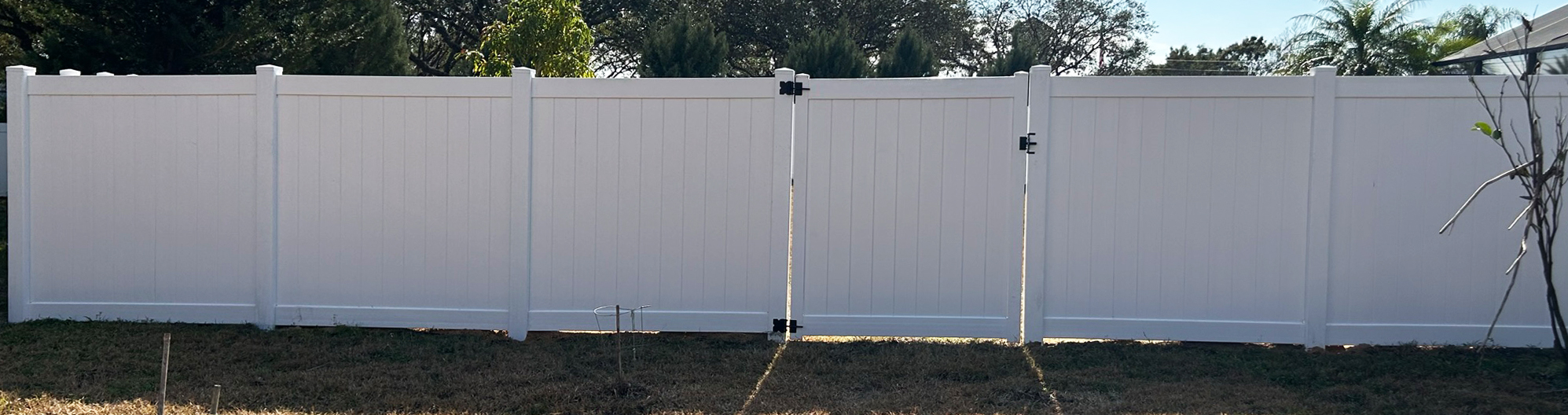
Vinyl or PVC fencing offers privacy without regular painting or staining. It still needs cleaning and checks for damage. Ask which panels, rails, and gate supports are included.
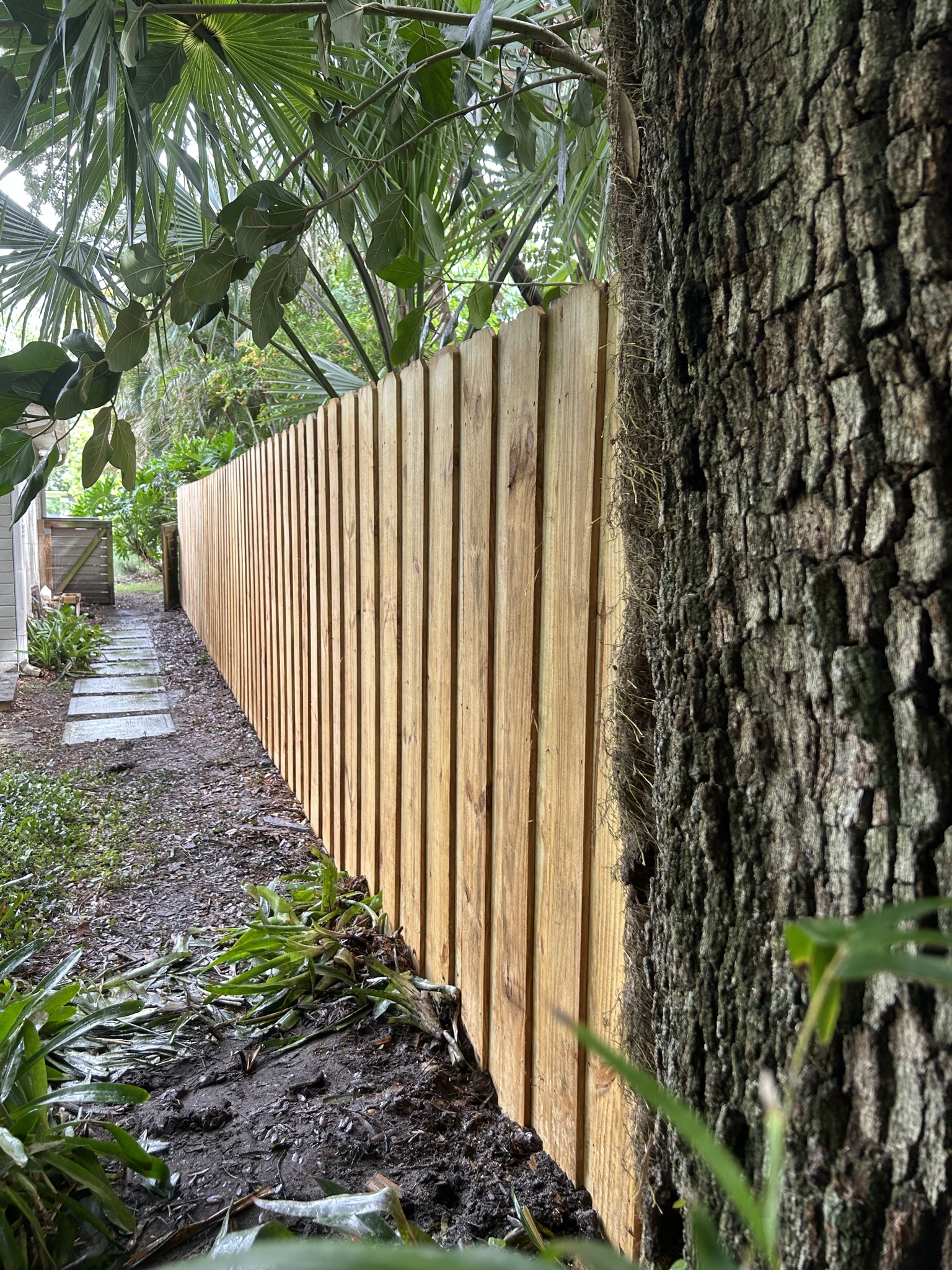
Wood fencing gives a natural look and flexible layouts. Compare the wood type, board size, posts, and frame. Also ask about care in Florida’s heat and rain.
Aluminum fencing keeps views open and can suit pools or front yards. It does not provide full privacy. Height, grade, style, and gates affect the price.
Make sure each quote covers a similar product. A shorter fence or lighter frame may explain a lower price. Ask about differences before choosing based on the total.
Include Permits and HOA Steps
Local rules depend on the address and the work. Ask whether a permit is needed and who will get it. If you have a homeowners association, or HOA, share its fence rules early.
Find out whether the price includes permit fees, drawings, and help with HOA forms. Ask how approval timing affects the start date. These steps belong in the plan, not in a surprise bill.
Review the Full Price
Look for the fence length, height, material, gates, posts, removal, and any upgrades. Ask whether delivery, taxes, disposal, and cleanup are included. Have the contractor list items that cost extra.
Compare payment terms, the expected timeline, and warranty coverage as well. A warranty for materials may differ from one for the installation work. Read the written terms for both.
For a business or shared property, confirm work hours, access, and how entrances will stay secure. Discuss notices to tenants and any billing needs before work begins.
Put the Plan in Writing
The final agreement should list the fence, layout, price, payment schedule, approvals, and expected timing. It should also explain how changes are approved.
Weather, permits, and material availability can affect the schedule. Ask for clear updates if the plan changes. Bring your survey, photos, HOA papers, and questions to the visit. Primo Fence can help you build a clear scope from those details.
Explore Osceola County fence installation and pricing, then use the calculator below to plan your project.
Estimate your Osceola County fence
Select your fence details and enter a length, or draw your fence line on the map. Your estimate will use Osceola County pricing.
Search for your property, choose the line tool, and draw the proposed fence. Double-click to finish each line. The total drawn length fills the calculator automatically.

Click on the map to start drawing your fence line. Double-click to finish each segment of the fence line.
Fence Configuration
Estimate
Drawn length: 0 ft

0 Comments