
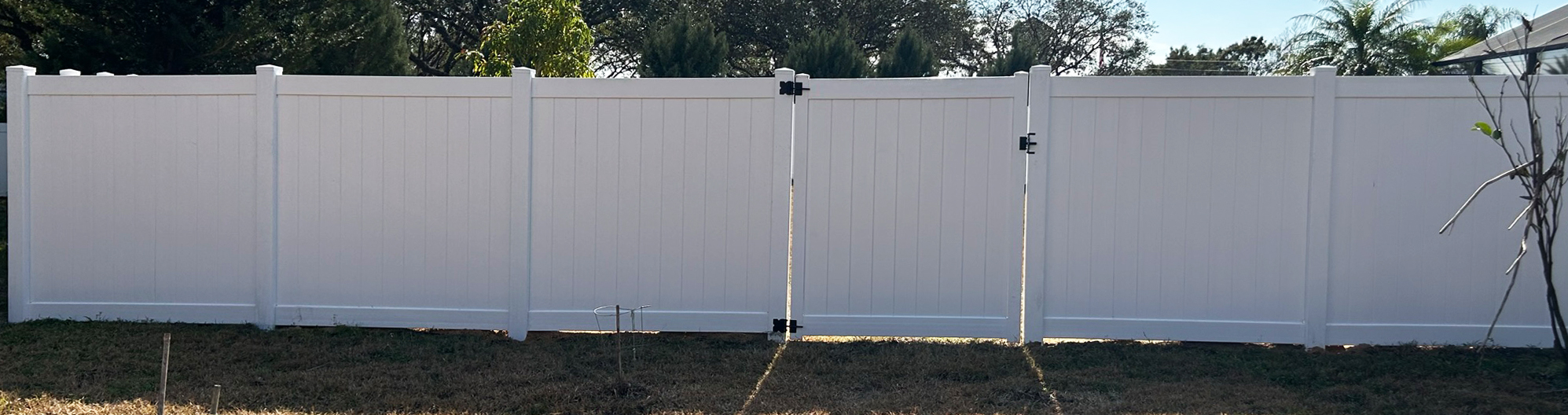

Before you build a fence, find out which approvals your property needs. Fence permits can affect the height, location, design, and schedule. The rules depend on your address and the work you plan to do.
You do not need to become a permit expert. You do need a clear plan, accurate papers, and someone responsible for each step.
Does Your Fence Need a Permit?
There is no single answer for every fence in Florida. Your city or county may handle the review. New fences, replacements, and major changes may have different requirements.
Ask the local office about your exact project. Explain the material, height, location, and gates. Mention any pool, corner lot, or business use. These details can affect the rules.
Do not rely on a neighbor’s fence as proof. It may have been built under older rules or without the right approval. Even when a permit is not needed, zoning and safety rules may still apply.
HOA Approval Is Different
A homeowners association, or HOA, reviews the fence against community rules. It may limit colors, styles, materials, height, and placement. A local permit reviews other rules, such as setbacks and safety.
Approval from one does not replace approval from the other. Start both checks early. Some HOAs meet only a few times each month, so a missing form can delay the decision.
Ask for the current application checklist. Keep written approval with your project records. Do not order a fence based only on a verbal answer.
Gather Your Documents
Start with a current survey or site plan. It should show the lot lines, buildings, and proposed fence. Mark each gate and any nearby pool, sidewalk, or road as required.
You may also need product details, the planned height, and HOA approval. Ask the local office for its exact list. Check names, addresses, and measurements before submitting the forms.
Review any easements on the survey. These give a utility company or another party access to part of the land. A fence may be restricted there or may need to be moved for future work.
Utility locating is a separate step from permits. Arrange it before digging and point out private lines, including irrigation. Do not guess where buried lines run.
Follow a Clear Order
Begin with a site visit and discuss your goals. Check the survey and rules, then choose the fence style and layout. Submit HOA papers and permit forms when the required details are ready.
Review times vary. Missing papers, corrections, or unusual site conditions can add time. Ask your contractor for updates and respond to requests promptly.
After approval, confirm supplies, weather, and crew availability before setting the work date. Follow any inspection steps required by the local office. The job is not fully closed until required inspections and permit steps are complete.
Primo Fence helps customers plan the path from estimate to agreement, approvals, and installation. Ask which services and fees are included in your written scope.
Avoid Common Delays
- Use a clear survey that shows the needed lot details.
- Check height limits before choosing panels.
- Confirm the boundary instead of following an old fence.
- Do not assume a nearby project proves what your lot allows.
- Get required approvals before ordering materials or starting work.
A small change to a gate or fence height may solve a review issue. It is easier to make that change on a drawing than after the posts are set.
Choose a Fence That Fits the Rules
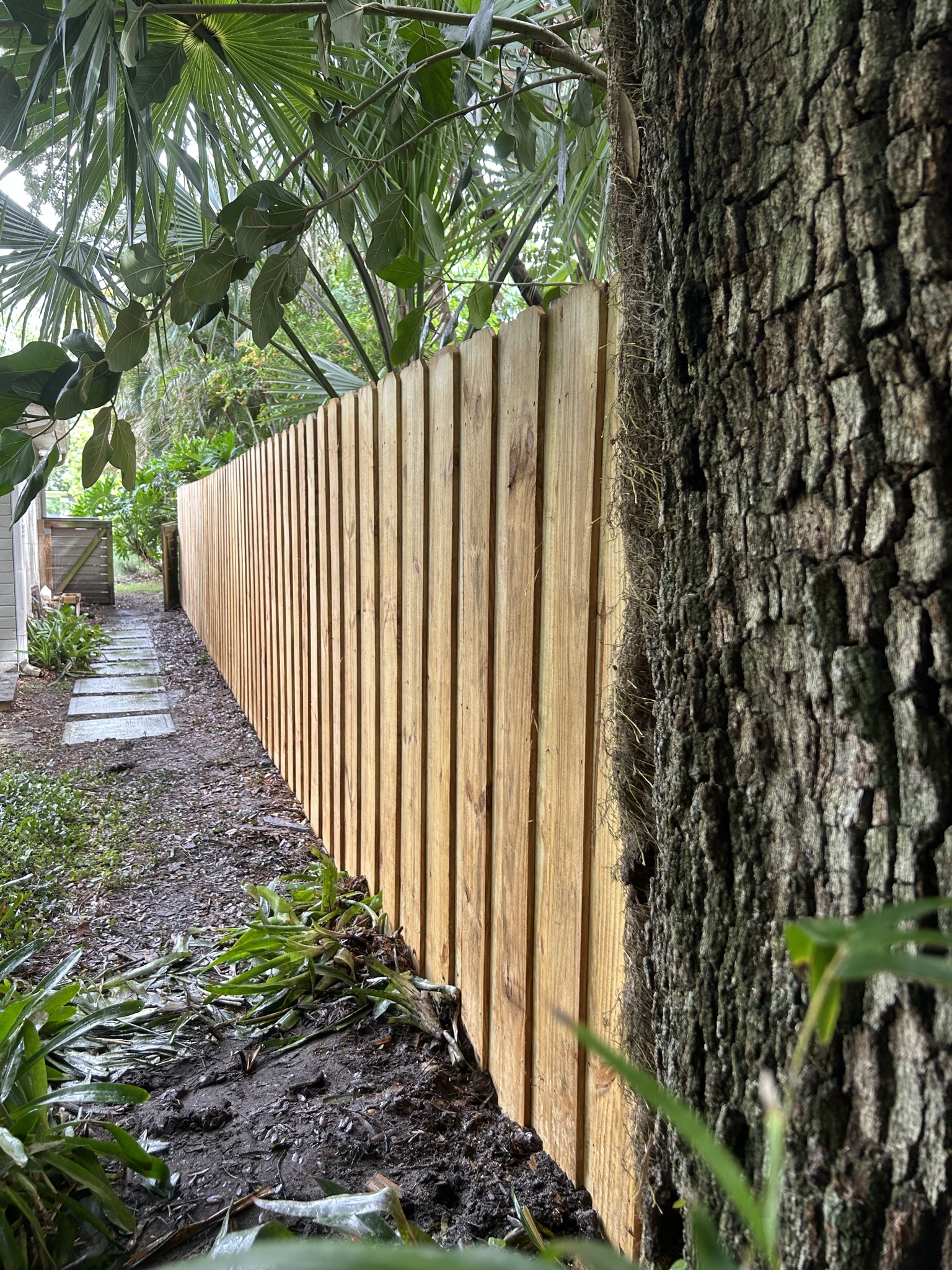
Wood fencing offers privacy and a traditional look. Vinyl/PVC provides privacy with less routine upkeep. Aluminum fencing keeps views open.
Match the layout to your needs. Pet areas need suitable gaps and gates. Pool barriers need the required safety details. Business entrances need room for traffic and secure access.
Think about drainage, plants, irrigation, and future yard work, too. Share your survey and HOA rules early. For a shared or business property, choose one contact to answer questions and approve plans. Clear information helps keep the project moving.
Explore Orange County fence installation and pricing, then use the calculator below to plan your project.
Estimate your Orange County fence
Select your fence details and enter a length, or draw your fence line on the map. Your estimate will use Orange County pricing.
Search for your property, choose the line tool, and draw the proposed fence. Double-click to finish each line. The total drawn length fills the calculator automatically.

Click on the map to start drawing your fence line. Double-click to finish each segment of the fence line.
Fence Configuration
Estimate
Drawn length: 0 ft

0 Comments