
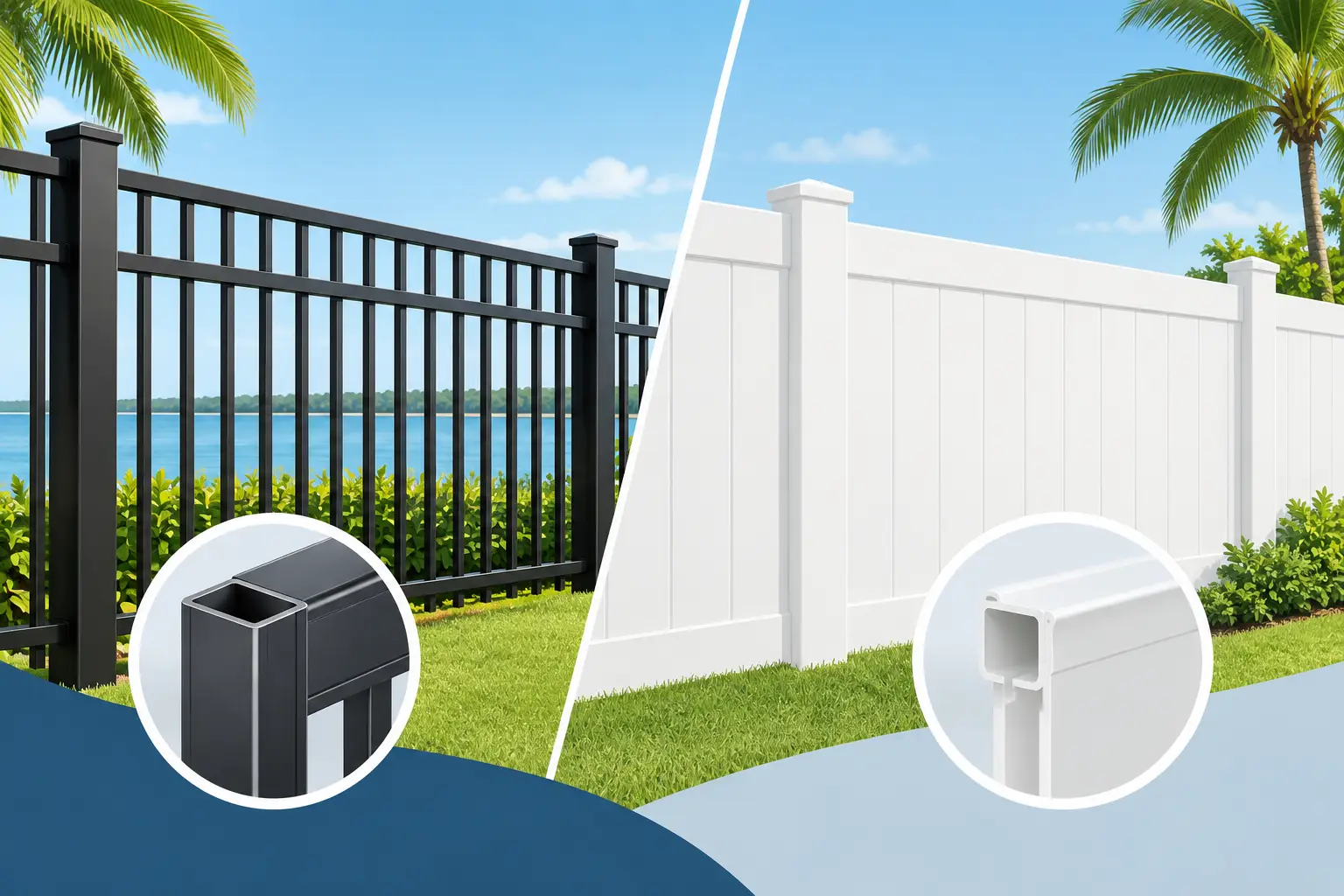
A fence can solve a very specific problem: keeping a new puppy in the yard, creating privacy around a pool, defining a commercial property line, or replacing an aging fence before it becomes an HOA issue. This aluminum vinyl comparison helps Florida property owners match the material to that real-world need instead of choosing based on appearance alone.
Aluminum and vinyl are both popular choices because they avoid the routine staining, sealing, and termite concerns associated with many wood fences. But they do very different jobs. Aluminum provides an open, secure boundary with a refined look. Vinyl creates a clean, solid enclosure that can offer meaningful privacy. The better choice depends on what you need your fence to do every day.
Aluminum vs. vinyl: the main difference
The simplest way to think about an aluminum fence is that it defines and protects without closing off the view. Its vertical pickets allow airflow and visibility, making it a natural fit for front yards, landscaped properties, lake-adjacent homes, pet areas, and pool enclosures where local requirements allow it.
Vinyl, often called PVC fencing, is designed to create separation. A full privacy vinyl fence blocks sightlines between neighboring yards and can make a backyard feel more private without the ongoing maintenance of a wood privacy fence. Semi-privacy styles and picket designs are also available when you want a lighter look.
Both materials can look polished for years when professionally installed. The key is deciding whether privacy or visibility matters more before selecting a style.
When aluminum is the better fence choice
Aluminum fencing is a strong option when security, curb appeal, and an open view matter most. It works especially well on properties with attractive landscaping, water views, or front-yard boundaries where a tall solid fence would feel too imposing.
For families with pets, aluminum can provide a dependable enclosure while letting homeowners keep an eye on the yard. The picket spacing, fence height, and gate design should be selected with the pet’s size and behavior in mind. A small dog may need narrower picket spacing than a larger dog, while a determined jumper may need added height.
Aluminum is also commonly chosen around pools. Its open design maintains visibility into the pool area, which is valuable for supervision. Pool barriers are subject to specific code and safety requirements, so the final height, latch, gate swing, and spacing should be planned for compliance rather than guessed at.
Florida weather is another reason aluminum appeals to many property owners. Quality aluminum fencing resists rust, and its powder-coated finish holds up well against moisture and humidity. Unlike iron, it does not require regular rust treatment. It is also generally lighter than steel, which can help make installation efficient.
The trade-off is privacy. An aluminum fence is not meant to block a neighbor’s view, reduce street visibility, or create a secluded patio area. Homeowners sometimes combine it with landscaping for a softer screen, but plants take time to fill in and require their own maintenance.
Aluminum fence advantages at a glance
Aluminum fencing is often the right fit when you want four things: an elegant appearance, low maintenance, clear visibility, and a secure perimeter. It is particularly practical for sloped yards because many aluminum styles can follow the grade more naturally than rigid privacy panels.
Its limitations are just as straightforward. It offers little visual privacy, may not be suitable for very small pets unless the spacing is appropriate, and can cost more than basic chain link options. For homeowners who want a backyard retreat hidden from surrounding homes, vinyl is usually the more direct solution.
When vinyl is the better fence choice
Vinyl fencing is often the first choice for Central Florida homeowners who want privacy without a weekend maintenance project. A solid vinyl fence can separate a backyard from neighboring homes, create a more comfortable space for outdoor dining, and give children and pets a defined area to play.
Because the surface is nonporous, vinyl does not need staining, painting, or sealing. Normal Florida rain may rinse away some dust, while occasional cleaning with mild soap and water can remove lawn debris, pollen, or sprinkler marks. That straightforward upkeep is a major advantage for busy households and rental-property owners.
Vinyl also has a clean, uniform appearance that suits many planned communities. White remains popular, but tan and other color options may be available depending on the product line and community standards. If your neighborhood has an HOA, check its approved fence colors, heights, styles, and placement rules before making a final selection.
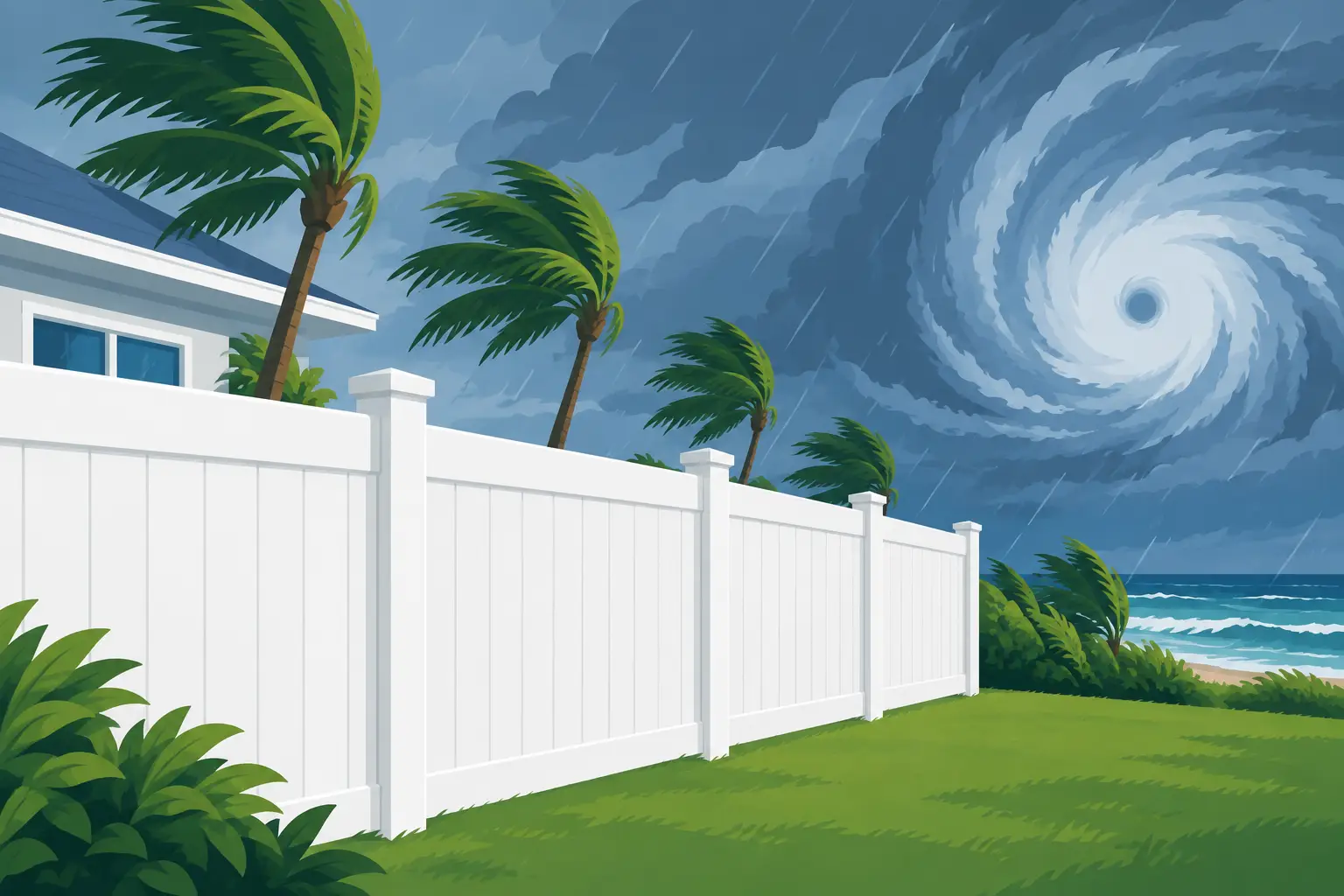
A vinyl privacy fence does have practical considerations. Strong winds can put pressure on large solid panels, especially if posts and footings are not properly installed. Professional installation matters because post depth, concrete setting, panel alignment, and gate reinforcement all affect long-term performance. A gate that is not properly supported can sag or operate poorly even when the fence itself looks good.
Vinyl can also be damaged by hard impacts. A fallen branch, lawn equipment, or a vehicle strike may crack a panel or post. Individual components are often repairable, but it is wise to discuss replacement availability and warranty coverage before installation.
Aluminum vinyl comparison: privacy, upkeep, and cost
There is no universal winner between aluminum and vinyl. The right answer changes with the property layout, local rules, and how you plan to use the space.
| Consideration | Aluminum Fence | Vinyl Fence | | — | — | — | | Privacy | Minimal unless paired with landscaping | High with full privacy panels | | Visibility | Open view through pickets | Solid panels limit sightlines | | Maintenance | Low, with no routine rust treatment | Low, usually occasional washing | | Best for | Pools, front yards, views, secure boundaries | Backyards, side yards, privacy, pet areas | | Sloped yards | Often adapts well to changing grades | May require stepped sections or careful layout | | Wind exposure | Open pickets allow air to pass through | Solid panels need properly engineered installation |
Initial price is not the only cost to consider. The total project cost is shaped by linear footage, fence height, gate quantity, terrain, demolition of an old fence, access to the work area, material selection, and permit or HOA requirements. A smaller aluminum fence may cost less than a large vinyl privacy project simply because it uses fewer materials and covers less area. On comparable runs, styles and site conditions can shift the price in either direction.
Long-term value also comes from choosing a fence you will still be happy with several years from now. If privacy is the reason for the project, an aluminum fence may feel like a compromise from day one. If preserving an open view is the priority, a six-foot vinyl fence can make the property feel closed in.
Florida permits, HOA rules, and property planning
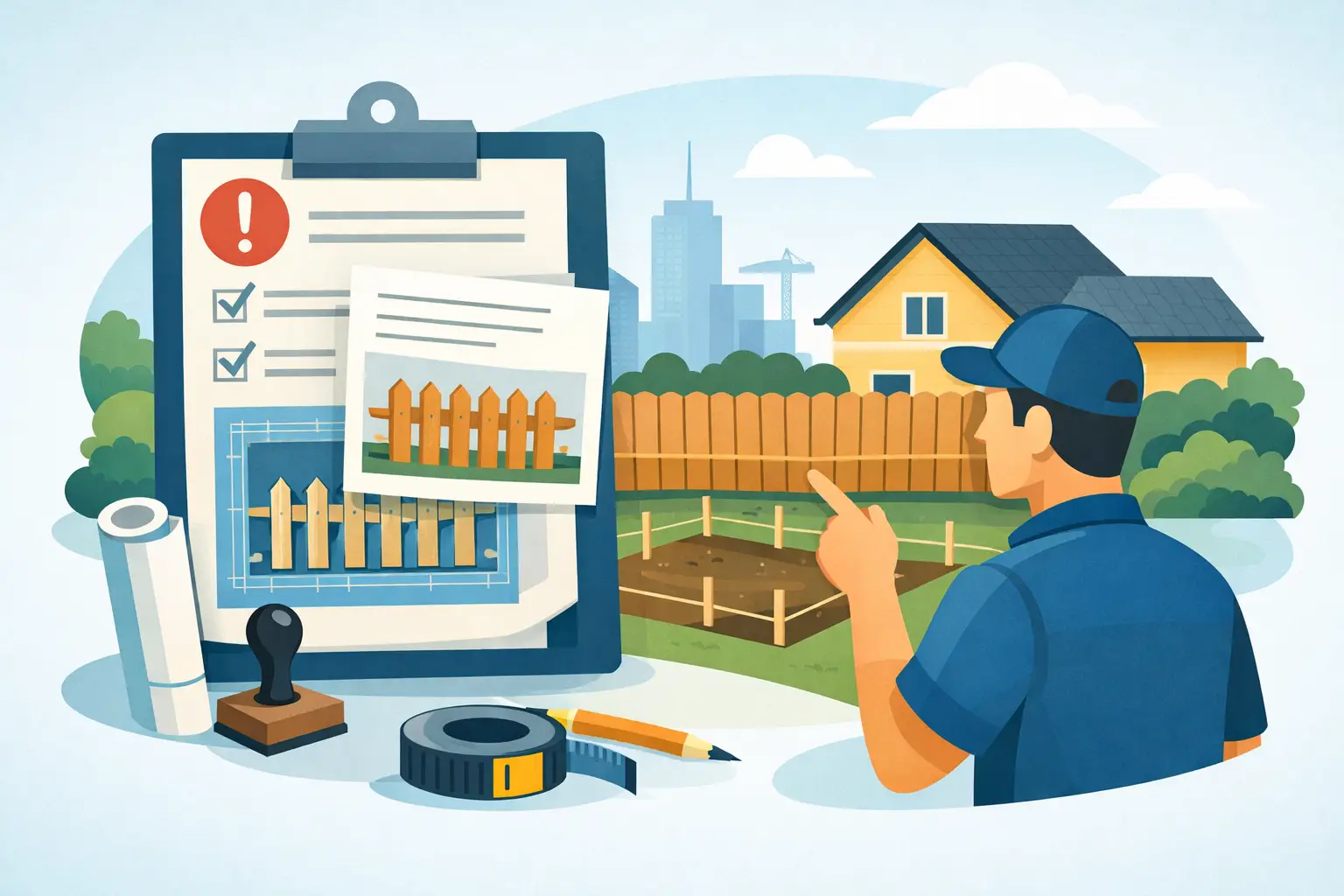
A well-chosen fence can still face delays if the paperwork is overlooked. In Central Florida, fence regulations can vary by city, county, community, and property type. Requirements may address height, setback, corner-lot visibility, pool safety, material, and location relative to easements.
HOAs often have their own approval process, separate from municipal permitting. They may require a site plan, fence color and style information, photographs, neighbor acknowledgments, or review by an architectural committee. Approval timing can affect when installation can begin, so it is better to address these details early rather than after materials have been selected.
Before installation, confirm the property line and identify utility locations. Do not assume an old fence marks the legal boundary. In some cases, a survey is the clearest way to avoid placing a new fence in the wrong location. Gates should also be planned around how you use the yard, including mower access, pool equipment, trash bins, and service entry.
How to make the final choice
Start with the problem you want the fence to solve. Choose vinyl if creating privacy is the main goal. Choose aluminum if you need a secure, low-maintenance boundary while preserving visibility and curb appeal. If both matter, a mixed-material plan may work well, such as vinyl along side and rear property lines with aluminum near the front or around a pool area.
Then look beyond the panels. Ask about the installation timeline, gate construction, warranty, permitting responsibilities, HOA support, and how the contractor handles unexpected site conditions. A clear agreement and transparent scope help prevent surprises once work begins.
Primo Fence helps homeowners, businesses, and property managers turn those decisions into a practical plan, including the installation details and administrative steps that can slow a project down. The best fence is not simply the one that looks good on installation day. It is the one that fits your property, meets the rules, and gives you the privacy, security, or peace of mind you wanted in the first place.



0 Comments