
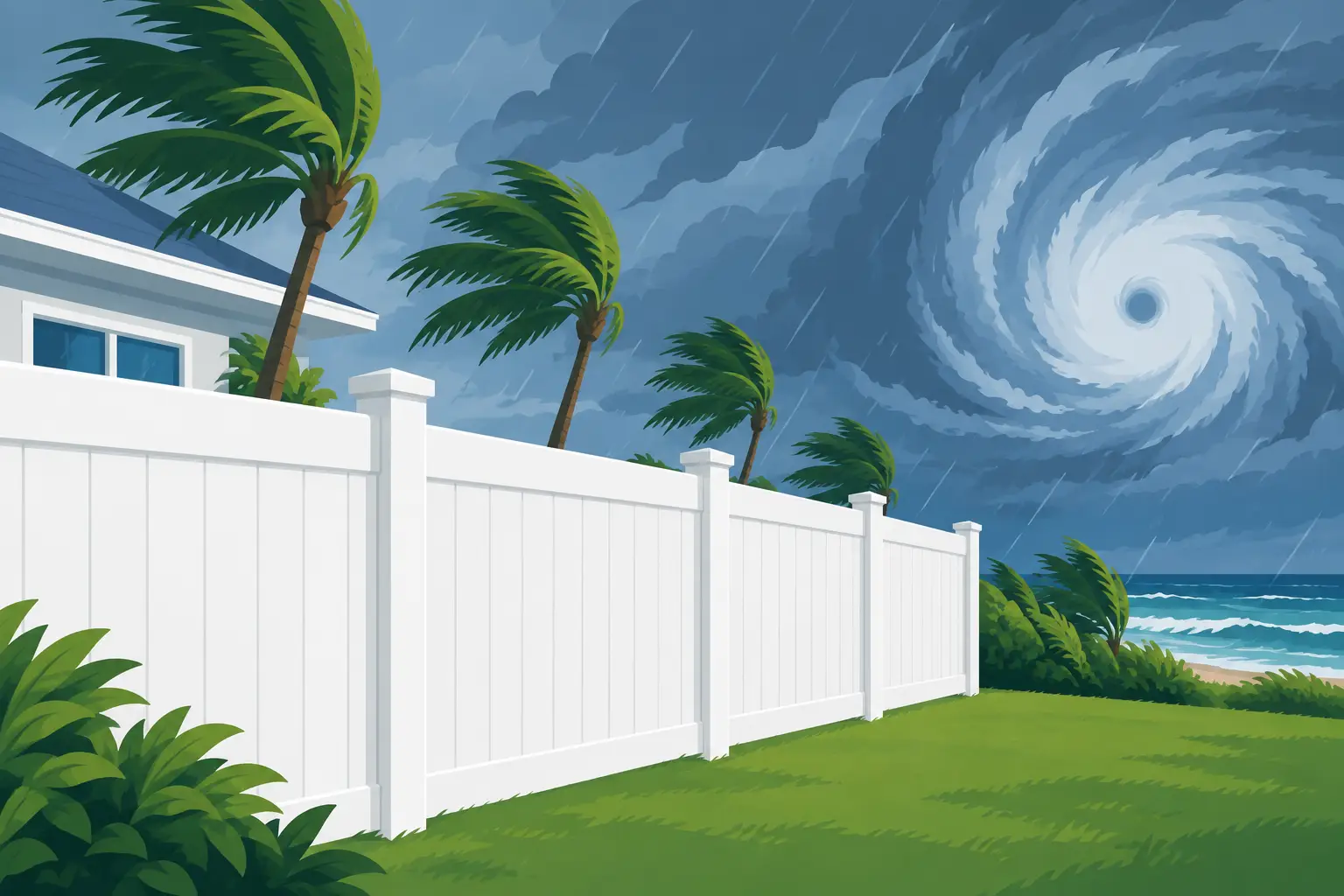
A Florida privacy fence has to handle more than everyday sun and rain. It may face sustained tropical-storm winds, hurricane gusts, flying debris, saturated soil, and a sudden change in wind direction. So, are vinyl fences hurricane resistant? They can be, but the answer depends far more on the fence system and installation than on the word vinyl alone.
A properly specified vinyl fence can be a durable choice for Central Florida homes. It will not rot like wood, and quality PVC can flex under pressure rather than becoming brittle. Still, no fence is hurricane-proof. The goal is to choose a system designed for local wind conditions, install it correctly, and understand where its limits are.
Are Vinyl Fences Hurricane Resistant?
Vinyl fences are hurricane resistant when the panels, posts, reinforcement, footings, gates, and hardware work together as an engineered system for the property. A well-installed vinyl fence may withstand substantial wind better than an aging wood fence with loose boards or weakened posts. That does not mean every vinyl privacy fence will perform the same way during a major storm.
Wind does not push evenly on a fence. It catches solid privacy panels like a sail, then transfers that force into the rails, posts, concrete footings, and surrounding soil. If one part of that chain is undersized or poorly installed, the fence can lean, rack, lose panels, or fail at a gate opening.
For Florida homeowners, the most useful question is not simply whether a fence is made from PVC. Ask whether that specific fence design is appropriate for your height, layout, wind exposure, and local requirements.
What Determines a Vinyl Fence’s Wind Performance?
The material is only one piece of hurricane resistance. The design and site conditions determine how a fence responds when the wind picks up.
Fence style and airflow
A solid 6-foot privacy fence provides the seclusion many families want around a backyard, pool area, or pet space. It also presents a larger surface for wind to hit. A picket, semi-private, or shadowbox-style design allows more air to move through, which can reduce wind pressure.
That does not make privacy fencing a poor option. It simply means the posts, footings, rails, and panel connections need to match the added load. A fence that looks similar from the street may perform very differently based on the internal construction you cannot see after installation.
Post size, spacing, and reinforcement
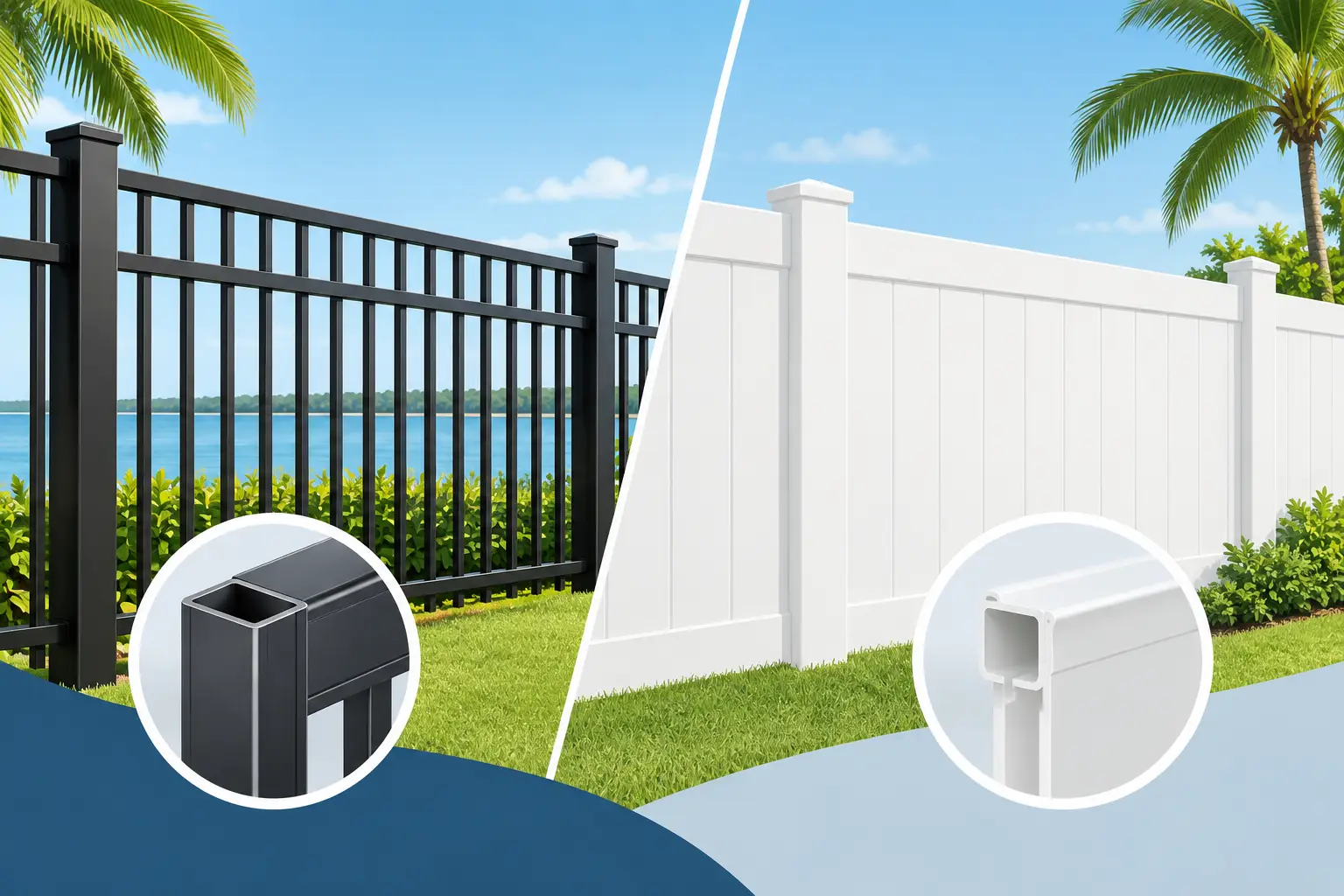
Posts carry most of the wind load. Quality vinyl fence systems often use reinforced posts or internal inserts where needed, especially at corners, ends, gates, and long runs. Aluminum or steel reinforcement can add stiffness to locations that experience concentrated pressure.
Post spacing matters as well. Wider spans put more stress on rails and panels. Properly spaced posts help distribute that stress, keeping the fence aligned and reducing the chance that a single damaged section affects an entire run.
Footing depth and soil conditions
In Florida, a fence post cannot rely on shallow concrete alone. Footing size and depth should reflect the fence height, soil, wind exposure, and manufacturer’s installation requirements. Sandy soil, wet areas, and lots with drainage concerns deserve special attention because soil movement can affect post stability.
Good installation also means setting posts plumb, using the correct amount of concrete, and allowing footings to cure as required. A beautiful fence line is only as dependable as what is below grade.
Property exposure
A fence behind a home in a sheltered subdivision may experience less wind than a fence along an open retention area, large field, lakefront lot, or busy commercial parcel. Corner lots and tall fence sections can also face increased exposure.
Trees and nearby buildings sometimes reduce wind, but they should not be treated as guaranteed protection. During a hurricane, a falling limb or flying patio item can damage any fence material, including vinyl.
Vinyl Privacy Fences vs. Picket Fences in Hurricanes
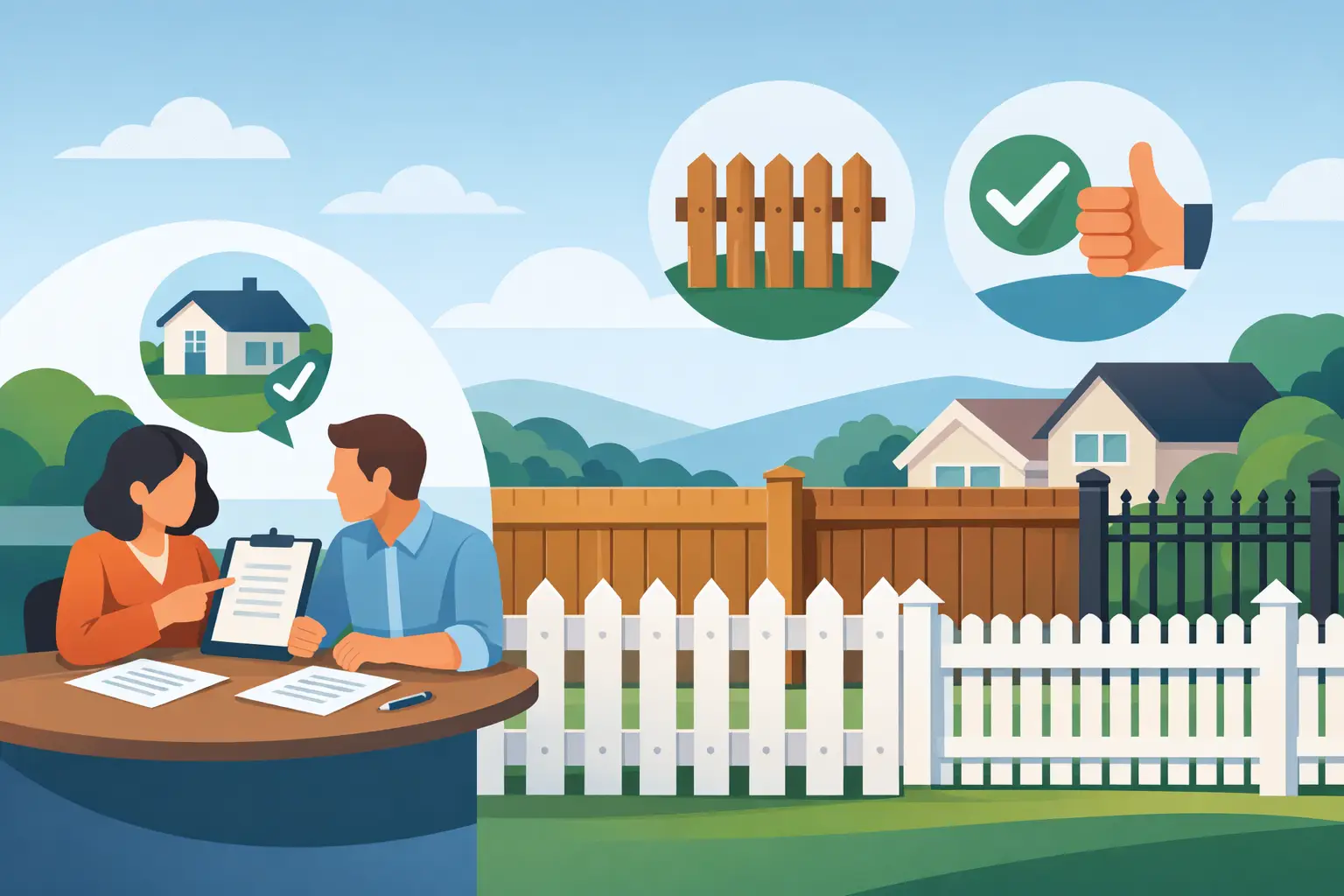
For hurricane-prone areas, there is a practical trade-off between privacy and airflow. Solid vinyl privacy fencing gives homeowners a clean, low-maintenance boundary and a private outdoor space. A spaced picket design usually lets more wind pass through and can be a sensible option for exposed parts of a property.
Many properties do not need one style everywhere. For example, a homeowner may choose privacy panels along a backyard living area and a more open design along a side yard or perimeter with greater wind exposure. The right approach depends on how you use the space, neighborhood guidelines, and the configuration of the lot.
A contractor should discuss these choices before materials are ordered, not after posts are already in the ground. That early planning can prevent a fence that meets the visual goal but overlooks site conditions.
Installation Details That Matter Most
A hurricane-resistant vinyl fence is not created by adding more concrete at random. It starts with a clear plan for the layout, elevation changes, gate locations, and structural points of the fence line.
Corner posts, end posts, and line posts do different jobs. Corners change the direction of the fence and can receive pressure from multiple sides. End posts carry the load where a run stops. Gate posts handle frequent movement in addition to wind. These locations may require different reinforcement or footing specifications than a standard line post.
Gates deserve extra attention
Gates are commonly the first place homeowners notice sagging or alignment problems because they have moving hardware and wider openings. A vinyl gate should have properly reinforced posts, dependable hinges, a secure latch, and enough clearance to operate without dragging.
Double gates and wide access gates for mowers, trailers, or commercial equipment need especially careful planning. The gate may be the most convenient part of the fence on a normal day, but it can become a weak point in severe weather if it is not built for the opening and use.
Panels should fit the system
Mixing components from different manufacturers or modifying a fence system in the field can create avoidable problems. Rails, brackets, caps, post sleeves, and panels are designed to work together. A professional installer follows the system requirements rather than improvising connections that may look acceptable but lack long-term strength.
At Primo Fence, that planning is part of the installation process. A clear scope of work helps homeowners understand the fence style, gate placement, expected timeline, and any site conditions that could affect the project before installation begins.
Permits, HOA Rules, and Local Requirements
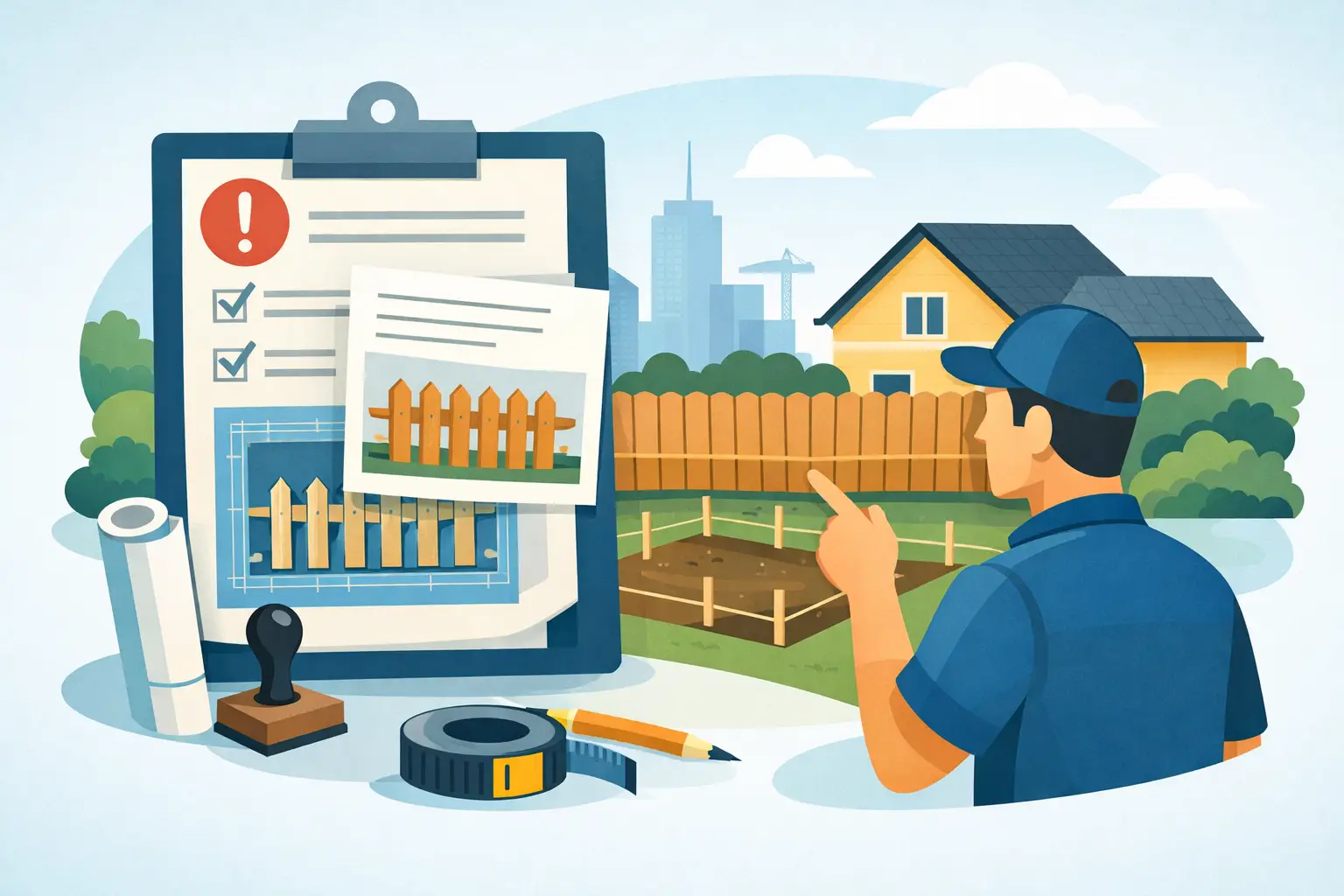
Fence rules vary by municipality, community, and property type. Some locations have requirements for height, placement, materials, or visibility near corners and driveways. An HOA may also require a specific fence style, color, or approval before work starts.
Those rules are not always written with hurricane performance as the only concern, but they can affect the fence you are allowed to install. A taller solid privacy fence, for example, may require a different review than a lower open-style fence. Commercial sites can have additional security, access, and boundary considerations.
Handling permits and HOA approvals before installation avoids costly changes later. It also gives the contractor an opportunity to review the layout and recommend a fence system that fits both the property’s needs and applicable requirements.
How to Prepare a Vinyl Fence Before a Hurricane
Even a well-built fence benefits from basic storm preparation. Before a named storm approaches, walk the fence line and check that gates latch securely, posts are not visibly leaning, and panels remain seated in their rails. Clear loose furniture, planters, toys, grills, and yard equipment away from the fence so they do not become windborne impacts.
Do not try to remove panels or make major modifications when conditions are already deteriorating. Last-minute work can create more damage or personal risk. If you see a loose panel, broken gate hinge, or shifting post during routine maintenance, schedule a repair well before hurricane season reaches its peak.
After the storm, inspect the fence carefully before using gates or allowing children and pets near a damaged section. Look for cracked posts, separated rails, loose hardware, or soil that has washed away around footings. Take photos for your records, then arrange a professional assessment if structural damage is present.
Choosing the Right Vinyl Fence for a Florida Property
The best vinyl fence is not automatically the thickest-looking panel or the lowest initial price. It is the system that fits your property’s purpose and exposure, with installation details that support the design. A backyard privacy enclosure, pool boundary, dog run, community perimeter, and commercial access area may each call for a different approach.
During an estimate, ask about the proposed post reinforcement, footing approach, gate construction, fence height, and how the system addresses wind exposure. You should also ask what the manufacturer warranty covers and what it excludes. A long material warranty can be valuable, but it does not replace proper design, installation, or storm preparation.
A vinyl fence can provide years of privacy, curb appeal, and low-maintenance performance in Florida. Choosing the right system before storm season gives you a stronger boundary and one less property concern when the forecast turns serious.


0 Comments