
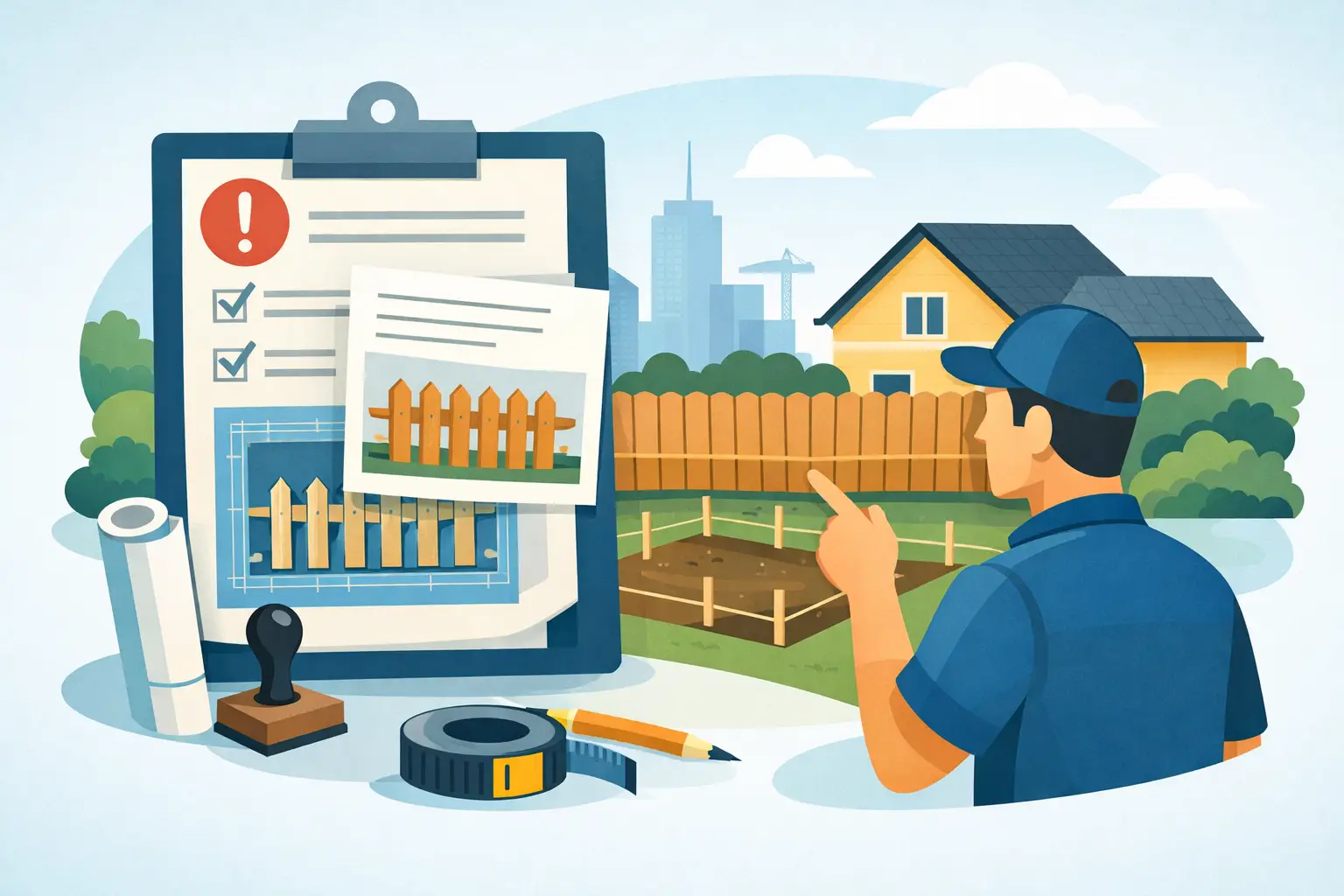
A fence project can feel straightforward until paperwork puts the schedule on hold. One missing document, an unclear property line, or an HOA application submitted too late can add days or weeks before installation begins. Knowing how to avoid permit delays gives Florida homeowners more control over the process and helps protect the timeline for the privacy, security, or pet-safe yard they need.
The good news is that most delays are preventable. They usually come down to planning the right fence, confirming local requirements early, and making sure every document matches the actual project. A qualified fencing contractor can handle much of the coordination, but a smooth approval process also starts with good information from the property owner.
Start With the Exact Fence You Want to Build
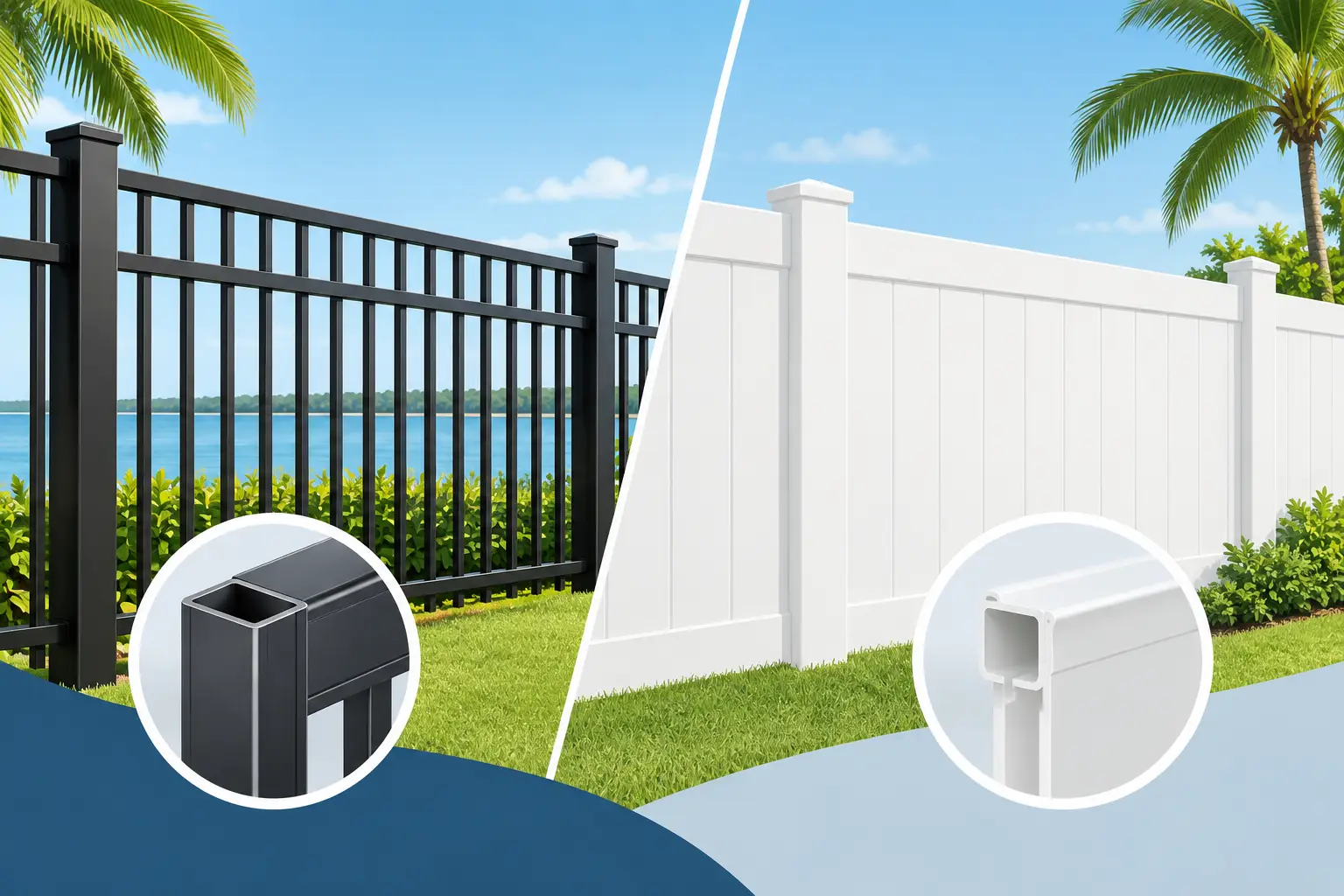
Permit offices and HOAs cannot approve a vague idea. Before paperwork is submitted, settle the basic details: fence material, height, color, gate locations, and the sections of the yard being enclosed. A request for a six-foot vinyl privacy fence is reviewed differently from a four-foot aluminum fence around a pool or a short decorative fence along the front of a home.
This matters because Florida municipalities, counties, and planned communities can have different rules for front yards, corner lots, waterfront properties, pool barriers, and rear property lines. A fence style that works for one home in Orlando may need changes in Winter Garden, Kissimmee, Sanford, or another nearby jurisdiction.
Changing the scope after submission is one of the most common reasons projects lose momentum. If you initially submit plans for a wood fence and later decide on vinyl, the reviewer or HOA may need to review the application again. Choose the material and layout first, then submit a complete package based on that decision.
Match the Plan to the Property
The fence plan should show more than a rough line around the backyard. It should identify the property boundaries, the proposed fence location, dimensions, gates, streets, sidewalks, easements, pools where applicable, and any existing fence that will remain.
Accuracy matters most on corner lots and properties with unusual shapes. Setback rules can limit where a fence may go near a road intersection, driveway, drainage area, or utility easement. A clear site plan lets the reviewer understand the project quickly and reduces back-and-forth questions.
If there is any uncertainty about the boundary, address it before ordering materials or scheduling installation. Existing fences, landscaping, and verbal agreements with neighbors do not always reflect the legal property line. In some cases, a recent survey is the best source of information. If no survey is available or the boundary is unclear, it may be worth discussing the situation with a survey professional before moving ahead.
Check HOA Requirements Before Permit Submission
For homeowners in an HOA community, architectural approval and municipal permitting are usually separate steps. An approved HOA request does not necessarily mean the local building department has approved the fence. Likewise, receiving a permit does not mean the HOA will waive its design standards.
Review the association’s fence guidelines before the project begins. Many communities specify permitted materials, maximum heights, approved colors, fence styles, gate placement, and where fences may begin along the side of the home. Some require a neighbor acknowledgment or a specific architectural review form.
Submit the HOA package early, especially when an architectural review committee meets only once or twice per month. Waiting until materials are selected or installation is hoped for next week can create an avoidable delay. The association may also request a plat, survey, color sample, contractor information, certificate of insurance, or a scaled drawing.
Keep copies of every submitted form, approval email, and condition of approval. If the HOA requires a specific fence color or an offset from a common wall, that direction needs to reach the installation team before work begins.
How to Avoid Permit Delays With Complete Documents
A permit application moves faster when the reviewer has what they need the first time. Requirements vary by jurisdiction, but fence applications commonly call for a completed permit form, site plan or survey, construction details, contractor information, and applicable fees.
The key is consistency. The address on the application should match the property records. The fence height on the site plan should match the description in the permit form. The material listed in the HOA approval should match the material being installed. Small inconsistencies can lead to correction requests that stop the application from moving forward.
Before submission, take a few minutes to verify these four items:
- The legal owner name, property address, and parcel information are correct.
- The site plan clearly identifies the proposed fence and its height.
- HOA approval is included when the community requires it.
- The contractor license, insurance, authorization, and fee information meet the local jurisdiction’s requirements.
A professional contractor should know which documents are commonly requested in the service area. Still, homeowners can help by promptly providing an HOA approval, property survey, or authorization form when asked. A permit package cannot be complete if a required customer document is sitting unsigned in an inbox.
Do Not Assume Every Florida Fence Follows the Same Rules
Florida fence requirements are local. Some jurisdictions do not require a permit for certain residential fences, while others do. Rules can change based on height, location, zoning, flood considerations, pool safety requirements, and the type of property.
Commercial fencing often involves additional review. A business, apartment community, retail center, or managed property may need to account for access gates, security features, fire lanes, parking areas, utilities, and site-specific zoning conditions. The fastest route is not to assume a prior project sets the standard for the next one.
This is also why a low upfront quote is not always the best value. A contractor who skips the planning conversation may appear faster at first, but an incorrect application, unapproved material, or improperly placed fence can cause more expensive problems later. Clear pricing and a realistic timeline are more useful than a promise that overlooks the approval process.
Respond Quickly When a Reviewer Requests Changes
Even a well-prepared application may receive a correction notice. That does not necessarily mean the project is in trouble. Often, the reviewer needs a clearer dimension, an updated survey, a missing signature, or confirmation of a fence detail.
What matters is how quickly the request is understood and answered. Read the correction notice carefully, gather the requested information, and submit a complete response rather than replying to only part of the issue. If the request is unclear, ask for clarification before guessing. A single accurate revision is better than multiple incomplete resubmissions.
Homeowners should also watch email and voicemail during the approval period. A time-sensitive question about an HOA document or property authorization can hold the entire file until someone responds. Prompt communication keeps a small question from becoming a major scheduling issue.
Plan for Utilities, Neighbors, and Site Conditions
Approval is only one part of keeping a fence project on schedule. Once a permit is ready, field conditions can still affect installation. Utility locating should be arranged before digging begins. Underground utility lines, irrigation systems, drainage features, trees, concrete, and hidden debris can all influence post placement.
Neighbor communication can help as well. You do not need permission from every neighbor to replace a fence on your own property, but it is smart to discuss the project when work will occur near a shared boundary. A friendly conversation can prevent confusion about access, fence orientation, or old fence removal.
If a neighbor’s fence sits close to the boundary, do not assume it can be removed or used as the new property line. Confirm the plan before demolition starts. This is especially important when a new fence is intended to contain children or pets, where gaps and temporary access issues need thoughtful planning.
Choose a Contractor Who Manages the Details
Fence installation is not just about setting posts and hanging panels. For many Florida properties, the project includes estimating, material selection, HOA coordination, permit preparation, approval follow-up, scheduling, and installation. When those pieces are handled by different people with unclear responsibilities, delays become more likely.
Ask a contractor how they manage permit requirements in your jurisdiction, what they need from you, and when installation can realistically be scheduled. You should receive a clear agreement that identifies the fence scope, price, timeline expectations, and any items that depend on approval. No contractor can control an HOA meeting date or a municipal review queue, but they can prevent avoidable paperwork problems and keep you informed.
Primo Fence helps homeowners, businesses, and property managers coordinate the planning and approval steps alongside professional installation. That approach keeps the customer from having to chase every form, phone call, and update alone.
A fence should add peace of mind, not create a stack of unanswered paperwork. Start with accurate property information, make HOA approval an early priority, and work with a team that treats permits as part of the job. Then, when approval arrives, your project is positioned to move from plans to a finished fence without unnecessary waiting.



0 Comments