

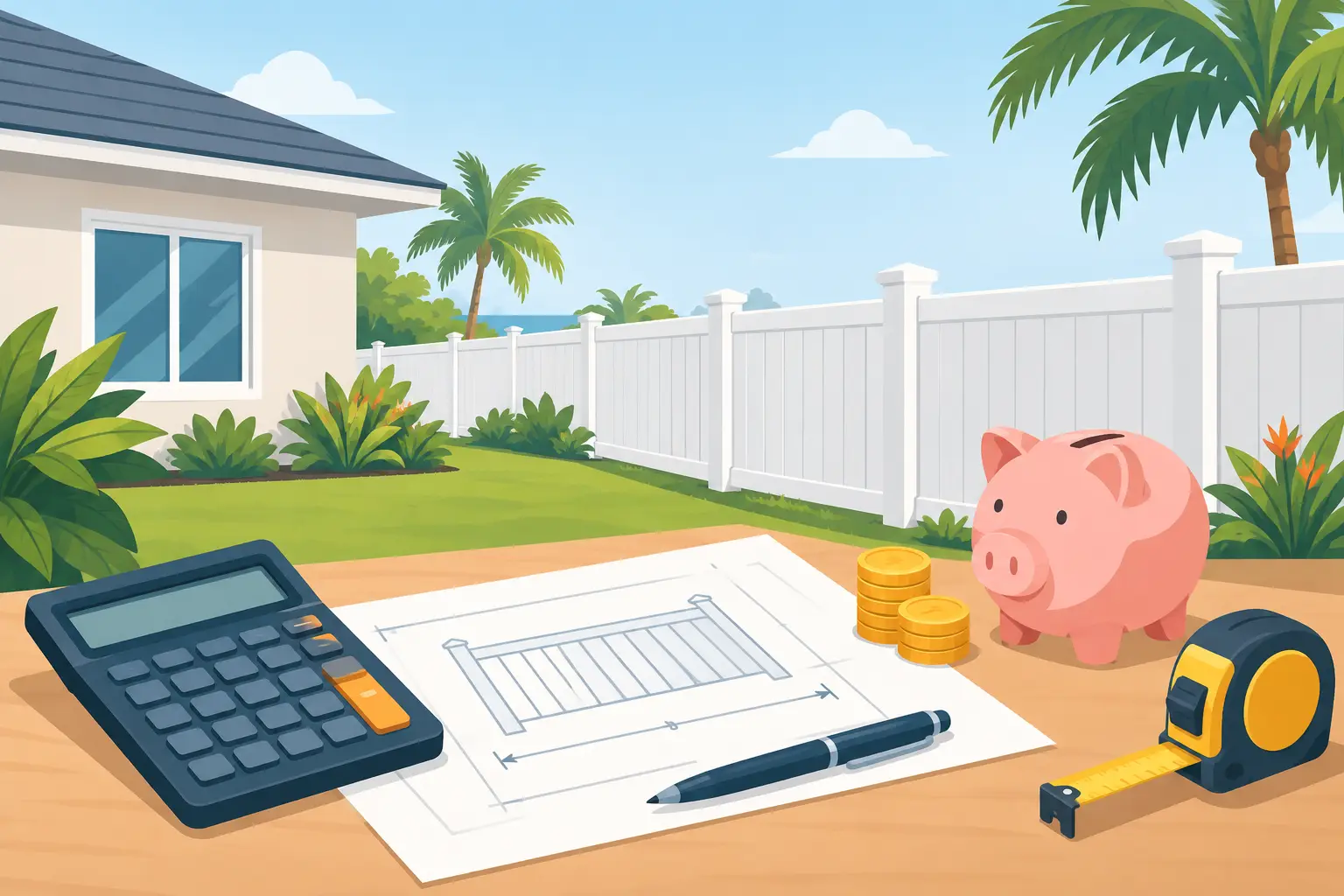
A fence quote can look simple at first glance: one total, one material, one proposed installation date. But two estimates for what appears to be the same backyard can differ by thousands of dollars because they do not include the same work. One may cover permits and removal. Another may use lighter materials, omit gates, or leave site conditions as an extra charge.
Learning how to compare fence quotes means looking beyond the bottom-line number. The right comparison helps you choose a fence that fits your property, budget, HOA rules, and long-term needs without discovering missing costs after work begins.
Start by comparing the same fence scope
Before comparing prices, confirm that every contractor is pricing the same basic project. A quote for 180 linear feet of 6-foot vinyl privacy fence with one walk gate is not comparable to one for 165 feet, a shorter height, or no gate. Small differences in measurements and scope can make a lower estimate appear more attractive than it really is.
Ask each contractor to identify the total linear footage, fence height, material style, color, number of gates, and gate sizes. If the fence changes direction, follows a slope, connects to a building, or includes separate enclosures for a pool, pets, or equipment, make sure those details appear in writing.
Property lines also matter. A contractor may estimate based on visible boundaries, an existing fence, a survey, or measurements taken during a site visit. Those are not always the same thing. If a survey is available, share it early. It can reduce uncertainty about where the fence should be installed and help prevent an expensive adjustment later.
How to compare fence quotes line by line
A clear agreement should make it possible to see what you are paying for. You do not need to become a fencing expert, but you should be able to identify the materials, labor, approvals, and site work included in each proposal.
Check the materials, not just the material name
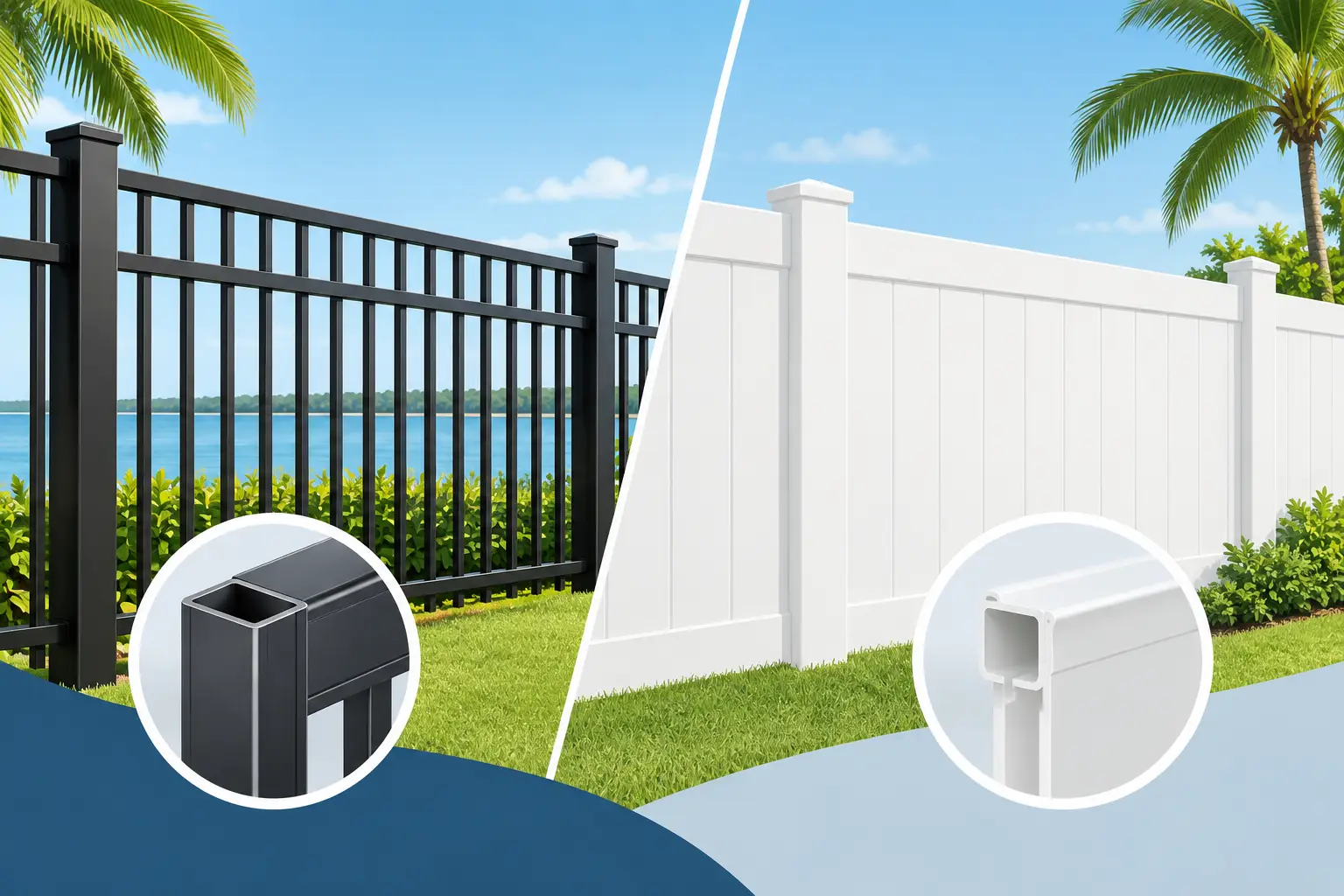
“Vinyl fence” or “wood fence” is a category, not a complete specification. Vinyl and PVC systems can vary in thickness, rail design, reinforcement, gate construction, and warranty coverage. Aluminum fencing can differ in rail strength, picket spacing, panel height, powder coating, and whether rackable panels are included for slopes. Wood fence pricing may reflect differences in board type, post size, rail count, fasteners, sealing, and decorative features.
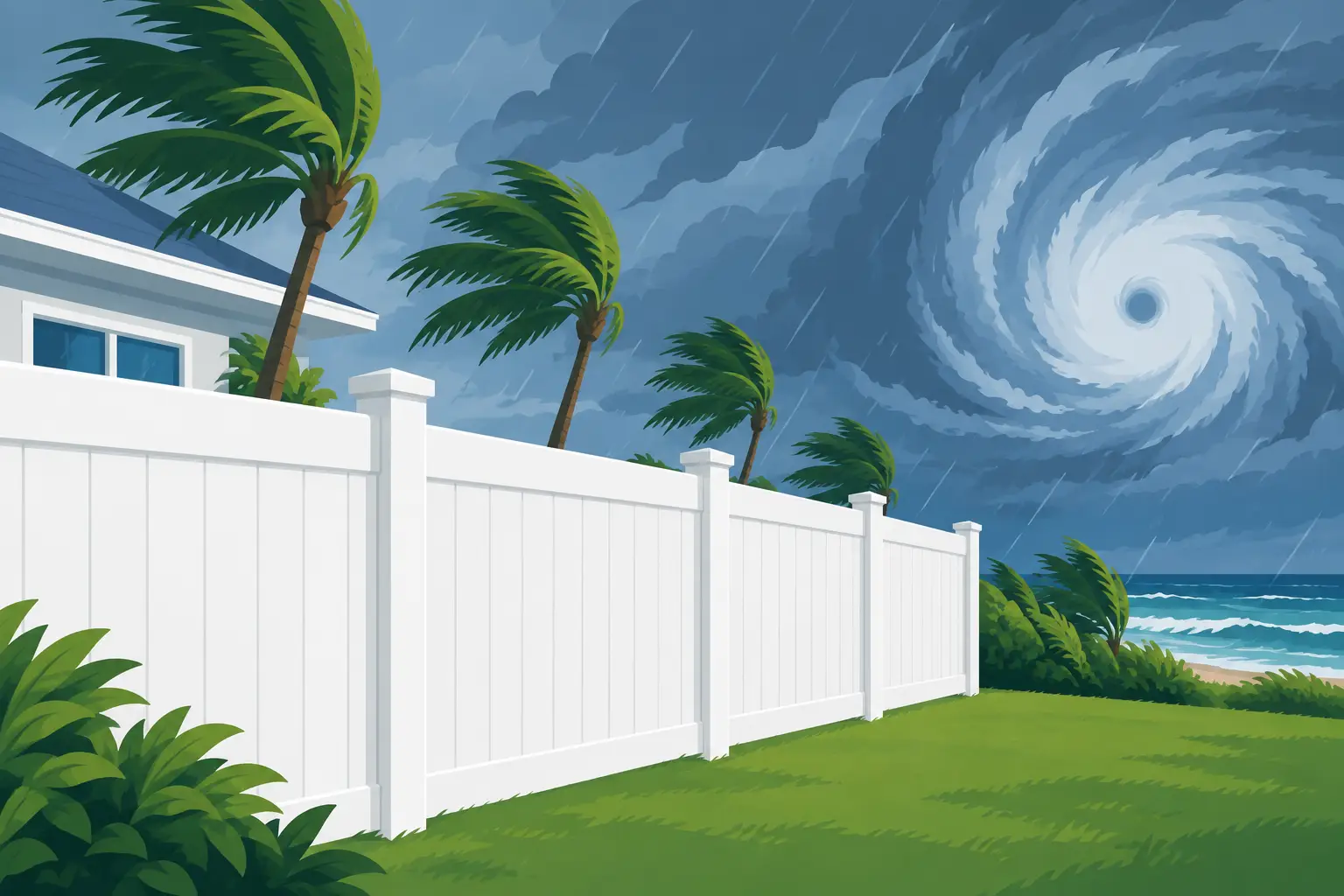
Ask what is included for posts, rails, panels or boards, caps, hardware, and gates. For a Florida installation, it is also reasonable to ask how the proposed system is suited to heat, rain, wind, and regular moisture exposure. The least expensive material package may be appropriate for some projects, but it should be a deliberate choice, not an unknown trade-off.
Gates deserve special attention. They receive more daily stress than the fence line, especially where children, pets, lawn equipment, or service access are involved. Confirm the gate width, latch type, hinges, self-closing or self-latching requirements where applicable, and any reinforcement included to reduce sagging over time.
Confirm what happens to the old fence
Removal is one of the most common reasons estimates do not match. One contractor may include demolition, hauling, and disposal of an existing fence. Another may price installation only or include removal for a limited number of feet.
Read the quote for language around tear-out, disposal, concrete removal, vegetation, roots, debris, and access limitations. An old fence with posts set in large concrete footers, thick landscaping along the line, or restricted access to a backyard may require more labor than a clear, open site. A good estimate acknowledges these conditions rather than treating them as a surprise.
Look for permits and HOA support
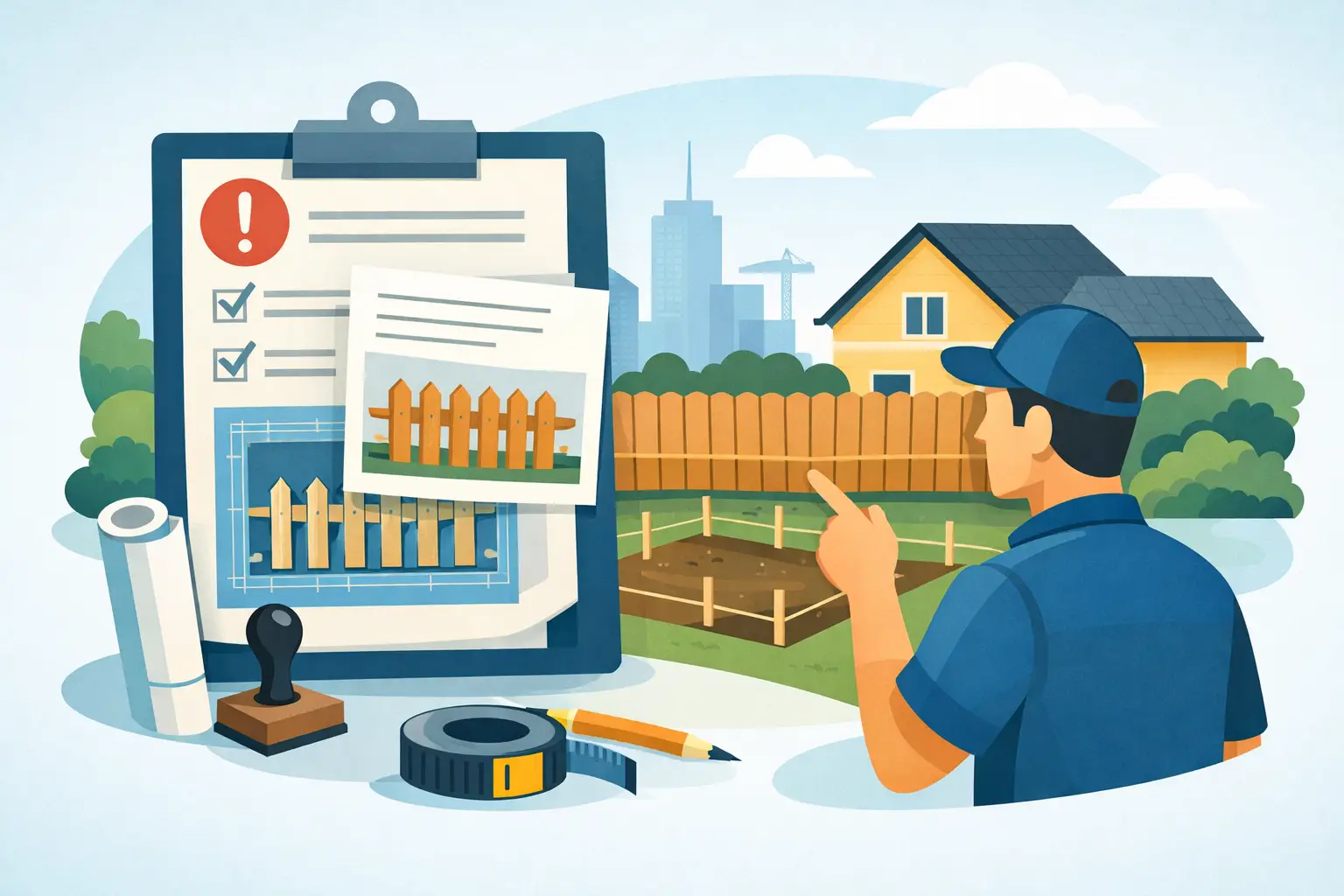
In many Central Florida communities, a fence project requires more than installation. Municipal or county permits may be needed, and HOA approval may set rules for height, style, color, placement, and even the direction a fence faces.
Find out who is responsible for the permit application, required drawings or documents, HOA submittal materials, fees, and communication if the plan needs revision. Some contractors include this administrative work in the project price, while others leave it to the homeowner or charge separately. Neither approach is automatically wrong, but it should be clear before you sign.
A quote that includes approval and permit management can be worth more than a lower price that shifts those tasks to you. Delays caused by incomplete paperwork can affect installation timing, especially in neighborhoods with formal review processes.
Separate firm pricing from allowances and exclusions
Every property has unknowns, but the estimate should explain how they will be handled. Review any exclusions, allowances, or phrases such as “if needed,” “additional cost,” or “subject to site conditions.” These terms are not necessarily red flags. They simply identify areas that need clarification.
For example, a contractor may not know until excavation begins whether buried concrete, irrigation lines, roots, rock, or utility conflicts will affect the work. Ask how those situations are communicated, approved, and priced. You should not be surprised by an added charge that was never discussed.
Also confirm whether the price includes sales tax, permit fees, engineering if required, survey-related work, cleanup, and final debris removal. A transparent quote is not one that promises there will never be a change. It is one that explains the process before a change becomes necessary.
Compare the installation plan and timeline
Price matters, but a fence project also affects your daily routine. If you need to keep a dog contained, protect a pool area, secure a commercial property, or replace a damaged boundary quickly, scheduling and work sequencing matter as much as the material selection.
Ask when materials will be ordered, what conditions can affect the start date, how long installation is expected to take, and whether the crew will leave the property secure each day. If a portion of the fence must come down before the new one is installed, discuss temporary containment for pets and children.
Florida weather can also influence schedules. Rain, saturated ground, lightning, and storm preparation can delay field work. A dependable contractor will give you a realistic timeline and communicate promptly when conditions require an adjustment, rather than promising an exact date that cannot be supported.
For commercial properties, ask about site access, tenant or customer safety, work hours, staging areas, and whether installation can be phased to keep operations moving. A lower quote can lose value quickly if it creates avoidable disruption for residents, employees, or customers.
Review warranty, payment, and accountability
A warranty should be easy to understand. Material warranties often come from the manufacturer, while workmanship coverage comes from the installer. Ask what each warranty covers, how long it lasts, whether it transfers to a future owner, and what happens if a gate needs adjustment or a post shifts after installation.
Do not assume a long material warranty covers labor. It may cover a defective panel but not the cost to remove and reinstall it. The goal is not to find a perfect warranty. It is to know who will respond if there is a problem and what the process looks like.
Review the payment schedule as well. A professional agreement should identify the deposit, any progress payments, final payment timing, and accepted payment methods. Be cautious if an estimate is vague about payment or if you are asked to make a major payment before materials, permits, or a clear schedule are in place.
Use questions to test responsiveness
The estimating process gives you a preview of the service you are likely to receive during the project. Notice whether the contractor returns calls, answers direct questions, visits the site when needed, and provides a written scope that reflects your conversation.
Ask each company the same questions: What is included in the price? Who handles permits and HOA approval? What can change the price? What is the expected schedule? How are gate details and property-line questions resolved? Comparing the answers is often more revealing than comparing totals alone.
The cheapest quote may be the right choice when the scope, materials, service, and protections truly match. Often, though, a modest price difference reflects real value: stronger components, included removal, experienced permitting support, clearer communication, or a more reliable installation plan.
A fence should make your property feel more private, secure, and complete, not leave you managing paperwork and unanswered questions. Choose the proposal that gives you the clearest path from estimate to finished fence. For Florida homeowners and property managers, that clarity is what turns a quote into a project you can move forward with confidence.



0 Comments