
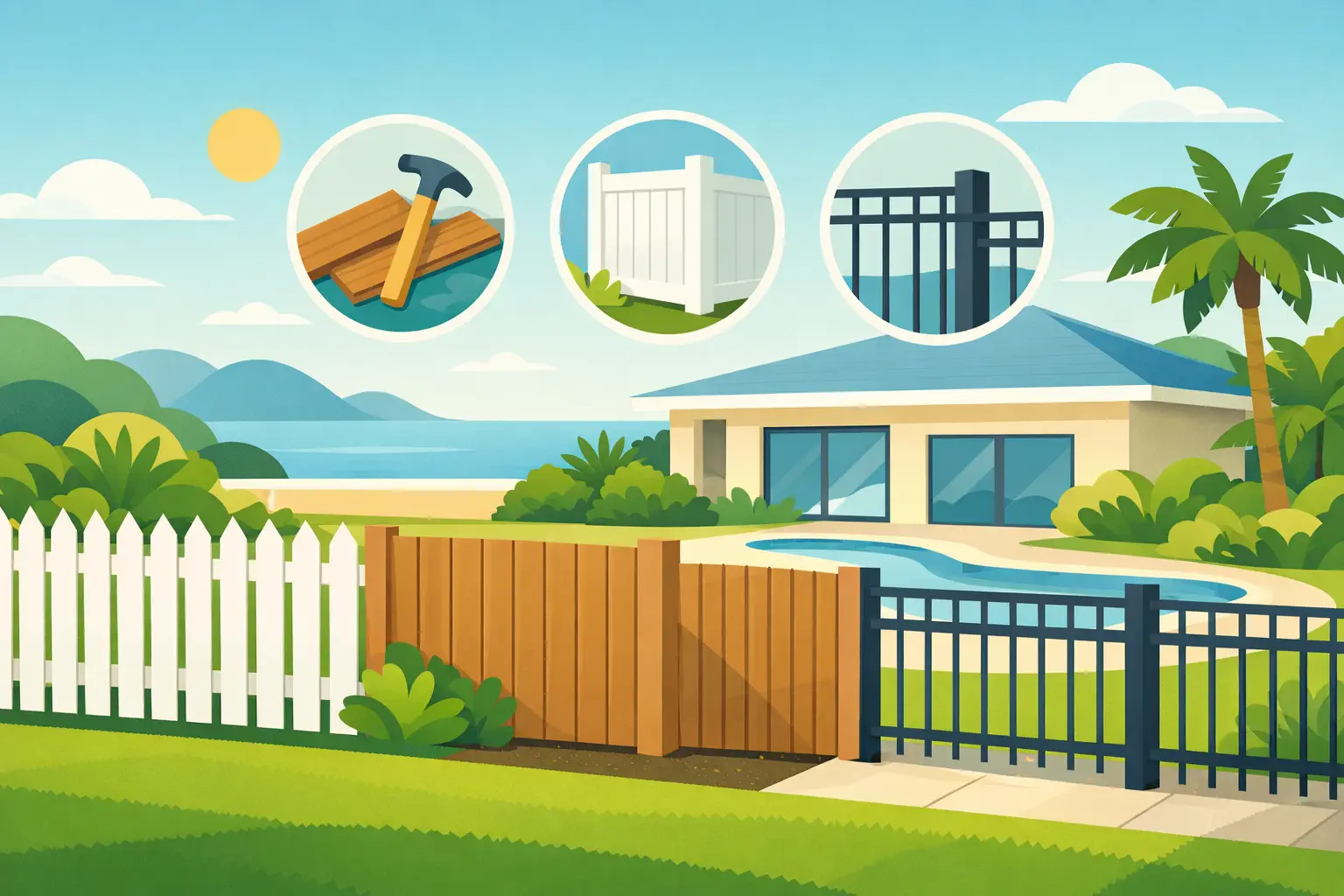
A fence that looks great on installation day can become a costly frustration if it is not suited to Florida’s sun, rain, humidity, and community requirements. Knowing how to choose fence materials starts with a clear look at what the fence needs to do on your property – whether that is creating backyard privacy, containing a dog, improving security, defining a boundary, or upgrading curb appeal.
The right answer is rarely the cheapest material or the one a neighbor chose. A shaded Winter Park backyard, an open lot in Kissimmee, and a commercial property in Orlando can have very different priorities. Start with your purpose, then weigh maintenance, appearance, durability, local rules, and installed cost before making a decision.
Start With the Job Your Fence Must Do
Before comparing colors, panel styles, or post caps, decide what success looks like. A privacy fence needs solid panels and a height that blocks sightlines. A pool or pet enclosure needs safe spacing, secure gates, and dependable latching. A front-yard accent fence may be more about appearance than seclusion.
Many Florida homeowners need a fence to serve more than one purpose. You may want children and pets safely contained while also reducing visibility from neighboring homes. In that case, a tall vinyl or wood privacy fence may make more sense than an open aluminum style. If preserving a view is the priority, aluminum fencing can provide a clean boundary without closing in the yard.
Property layout matters just as much. Consider slopes, trees, drainage areas, gates, utility locations, and the distance between your home and the property line. A material that works well along a straight side yard may need a different approach around a curved garden, retaining wall, or uneven grade.
How to Choose Fence Materials for Florida Weather
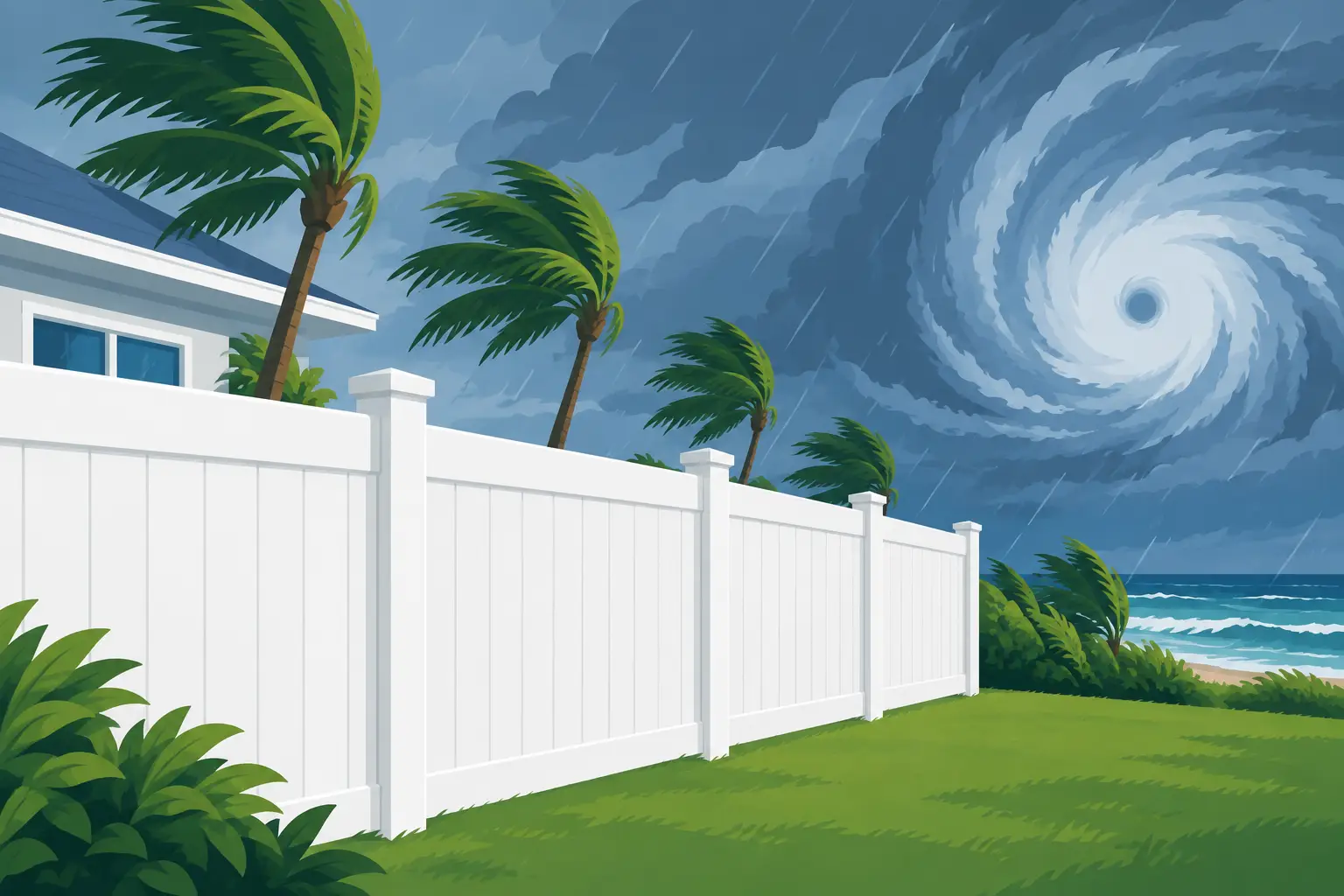
Florida weather is not a small detail in a fencing decision. Intense UV exposure, frequent rain, moisture, wind, and humid conditions can affect each material differently. Choose a product based on how it will perform year after year, not only how it looks in a showroom.
Vinyl/PVC: Low-Maintenance Privacy
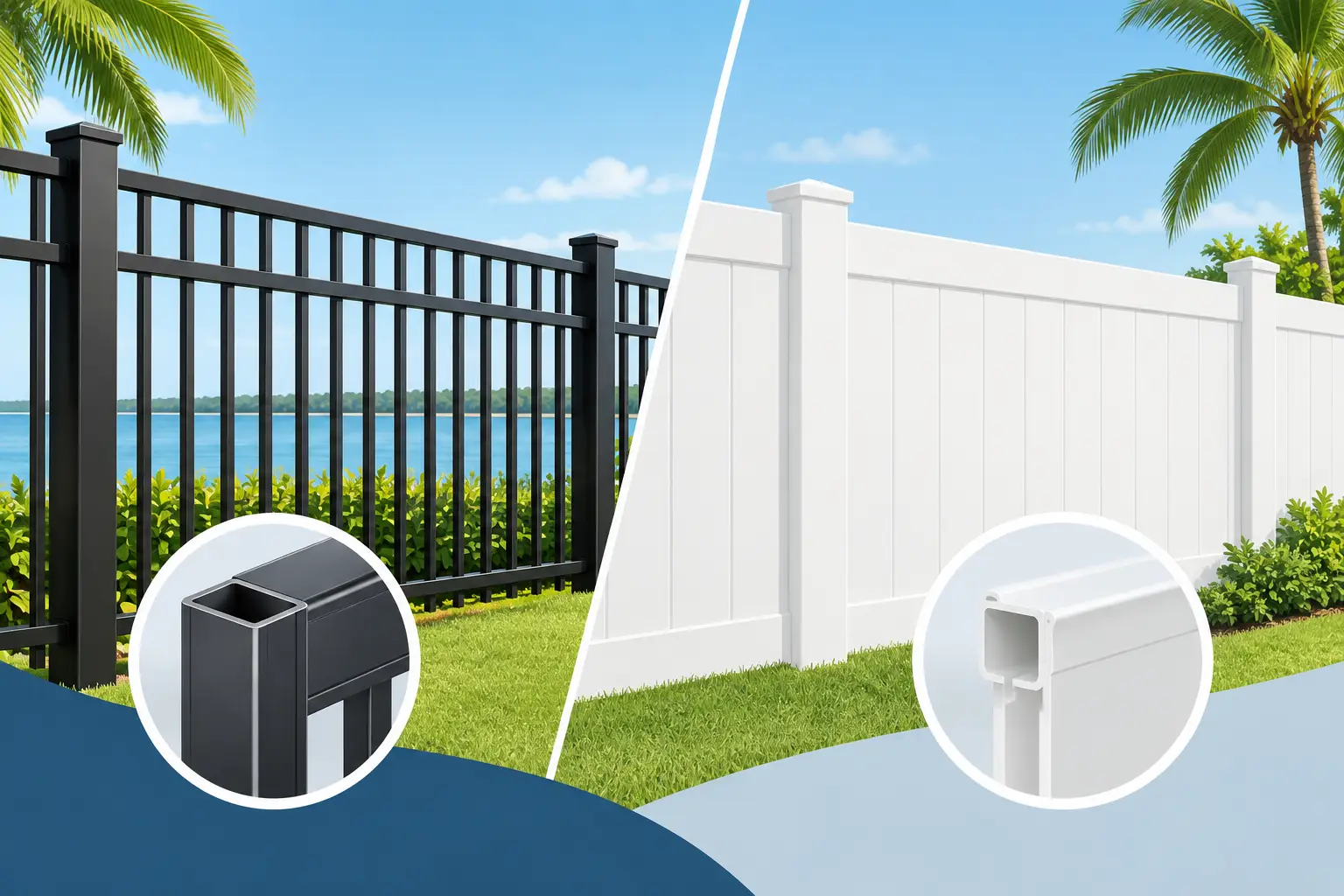
Vinyl/PVC is a popular choice for homeowners who want a clean, solid privacy fence with limited upkeep. It does not rot, attract termites, or require staining. A periodic wash is usually enough to keep it looking fresh after pollen, lawn debris, and seasonal storms.
White vinyl remains a classic choice, though other colors and styles may be available. It is especially practical for backyards where privacy, pet containment, and a neat finished appearance are the priorities. The trade-off is that vinyl can have a higher initial cost than some basic wood options, and a damaged section generally needs replacement rather than a simple repair. Quality installation is also essential because posts, reinforcement, and gate construction affect long-term performance.
Aluminum: Open, Elegant, and Durable
Aluminum fencing is a strong fit for properties that need security or clear boundaries without a closed-in feel. It is commonly used around pools, front yards, commercial properties, and homes with water, landscaping, or scenic views worth preserving. Its powder-coated finish helps it stand up well to moisture and rust concerns that can affect some metal products.
Because aluminum has open pickets, it will not provide privacy or block windblown debris. It is also not the best option for every dog, especially small dogs that could fit through standard picket spacing. Still, for a polished look, pool-code considerations, and low-maintenance durability, aluminum is often hard to beat.
Wood: Natural Character With Ongoing Care
Wood fencing delivers the warmth and flexibility many homeowners want. It can be built in privacy, shadowbox, board-on-board, picket, and custom styles, making it adaptable to different homes and lot layouts. Wood can also be painted or stained to complement your exterior.
The trade-off is maintenance. Florida’s humidity, rain, insects, and sun mean wood needs regular attention to help prevent warping, fading, moisture damage, and decay. The right lumber, protective finish, drainage planning, and professional installation make a real difference. Wood can be an excellent choice when natural character and design flexibility matter most, as long as you are comfortable with the upkeep.
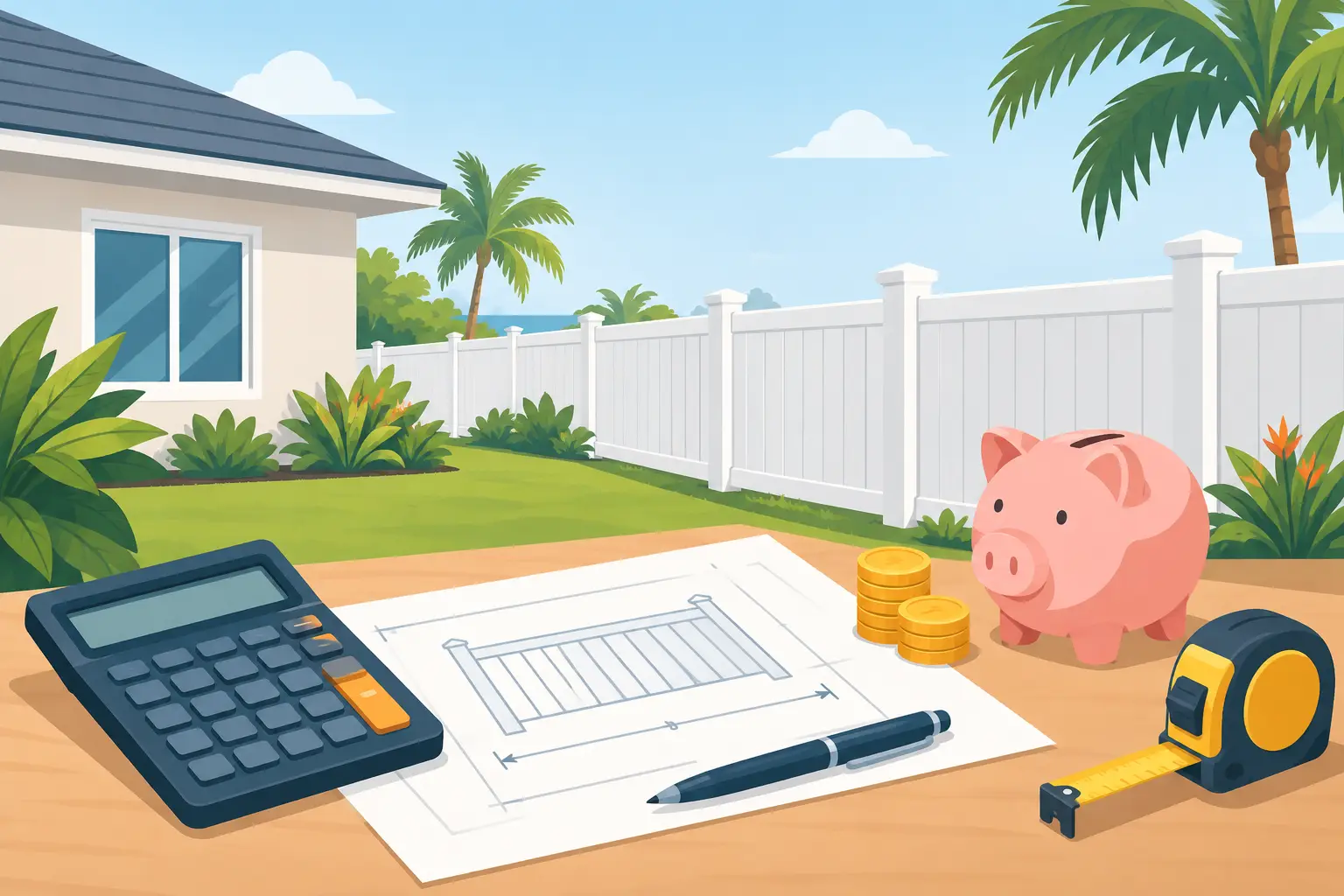
Compare Total Cost, Not Just the Estimate
A lower upfront price does not always mean a lower-cost fence over its life. When reviewing materials, account for maintenance, repairs, replacement expectations, and the time you will spend caring for the fence.
Wood may be attractive for a budget-conscious project, especially when a straightforward privacy layout is needed. Over time, however, cleaning, sealing, staining, and occasional board or post repairs can add to the investment. Vinyl and aluminum often cost more at the beginning but generally require less ongoing work.
Installation details should be part of the comparison as well. Gates, post depth, reinforcement, removal of an existing fence, unusual terrain, and access limitations can change project costs regardless of material. A clear estimate should explain what is included so you can compare proposals fairly.
Check HOA, Permit, and Property Requirements Early
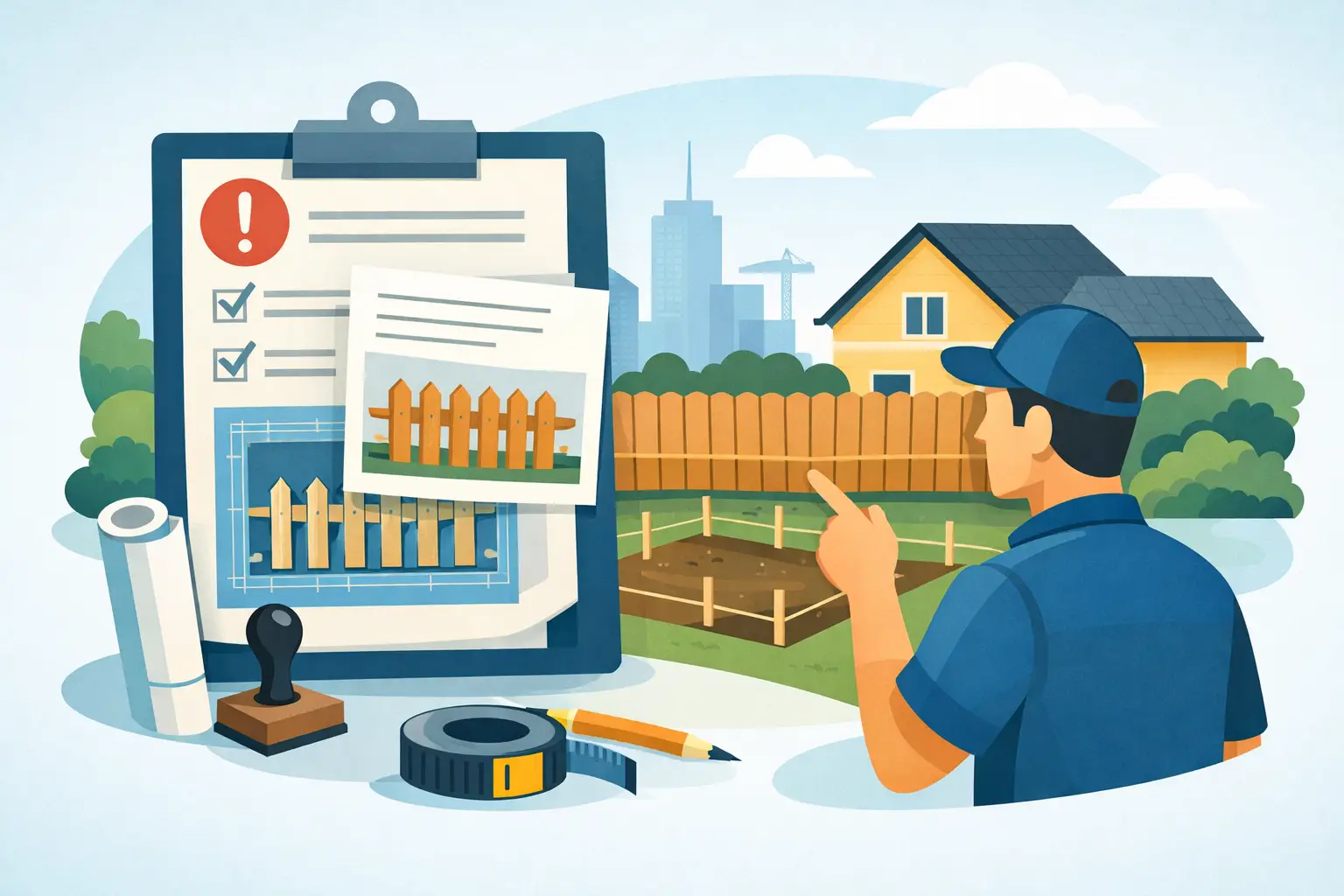
A beautiful fence is not helpful if it does not meet HOA rules or local requirements. Many Central Florida communities have restrictions on height, placement, color, style, and which fence materials are allowed. Some require architectural approval before work begins, and certain locations require permits or specific setback considerations.
Do not assume the fence behind a neighbor’s home is automatically approved for your lot. Corner lots, properties near roadways, pool enclosures, and homes with easements can have additional considerations. Confirm your property boundaries before finalizing the layout. Installing on the wrong side of a boundary or across an easement can create an expensive problem later.
This is where a contractor that understands local project coordination can save substantial time. Primo Fence helps customers work through HOA approval and permit handling so material selection and scheduling do not stall over paperwork. That support is particularly valuable when you are replacing a fence quickly after storm damage or preparing a property for sale.
Choose a Style That Works With Your Home
Function should lead the decision, but appearance still matters. Your fence is a visible part of the property, and the material should feel appropriate for the home, landscaping, and neighborhood.
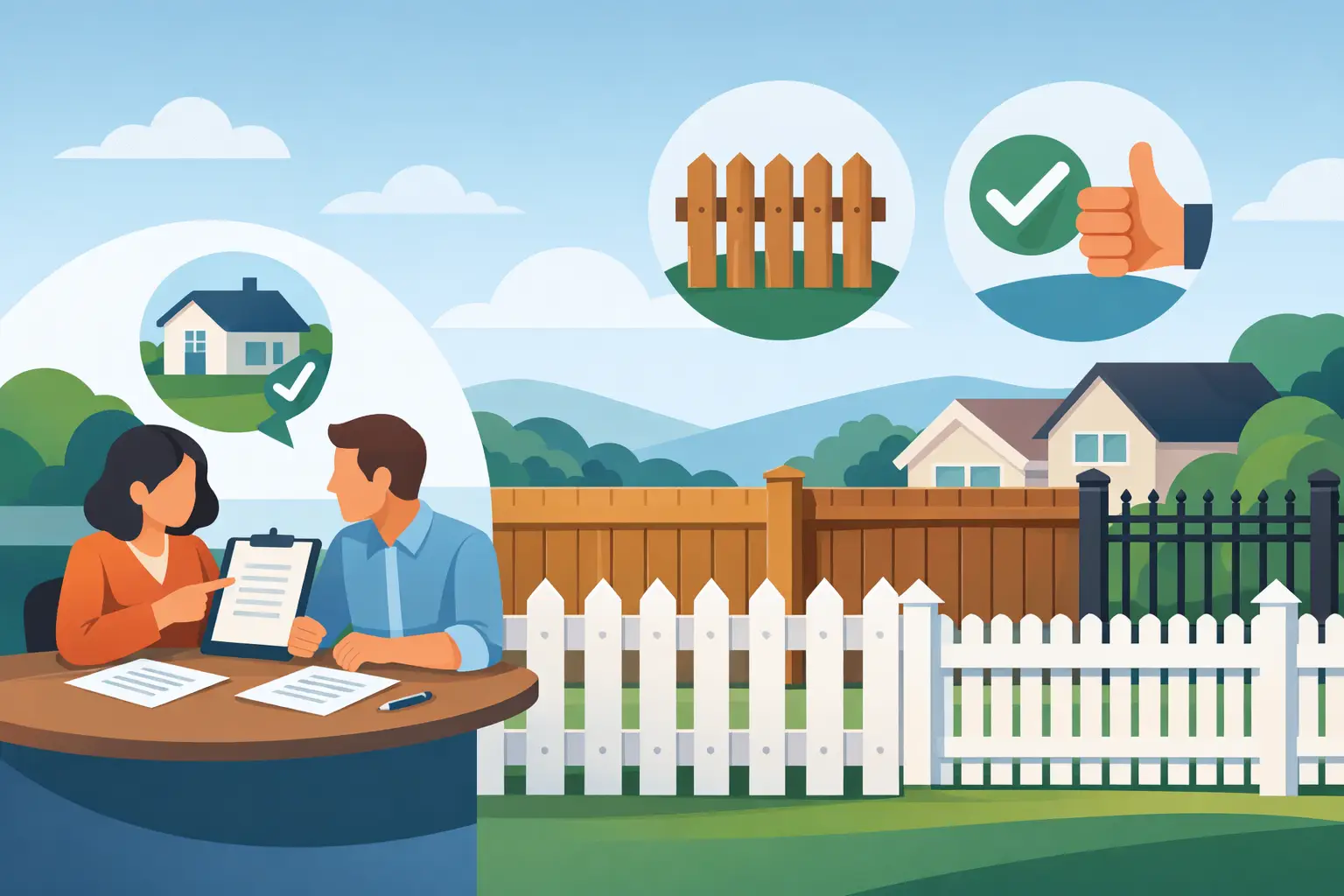
For a traditional backyard privacy fence, wood or vinyl can create a defined outdoor room. A shadowbox wood design offers a more finished look from both sides, while a solid vinyl panel creates a uniform boundary. Aluminum often pairs well with newer homes, pool areas, decorative landscaping, and commercial entrances because it gives a more open, architectural appearance.
Also think about both sides of the fence. In many neighborhoods, neighbors will see the rear side every day. A style that looks finished from both directions can support better relationships and improve the overall appearance of the block.
Do Not Overlook Gates and Daily Use
A fence is only as practical as its access points. Consider how many gates you need and how they will be used. A narrow walk gate may be enough for trash bins and lawn equipment, while a wider double gate may be necessary for a mower, trailer, boat, or service access.
Gate placement affects convenience, security, and the lifespan of the hardware. Heavy or frequently used gates need proper posts, hinges, latches, and alignment. If pets or young children will use the yard, choose self-closing or lockable options where appropriate and make sure the latch is positioned for safe daily use.
Make the Decision With a Site-Specific Plan
The best material on paper can still be the wrong choice if it does not suit your lot, budget, or community rules. A professional on-site estimate allows you to discuss the intended fence line, identify obstacles, compare material samples, and get a transparent view of the work involved.
Bring practical questions to that conversation: How much privacy will this style provide? What maintenance should I expect? Will this meet HOA requirements? How will the gates hold up? What is the project timeline? Clear answers now make the installation process smoother later.
A fence should make your property easier to enjoy, not give you another maintenance project or approval issue to manage. Choose the material that fits the way you live, then work with a contractor who can turn that choice into a well-planned, professionally installed boundary.


0 Comments