
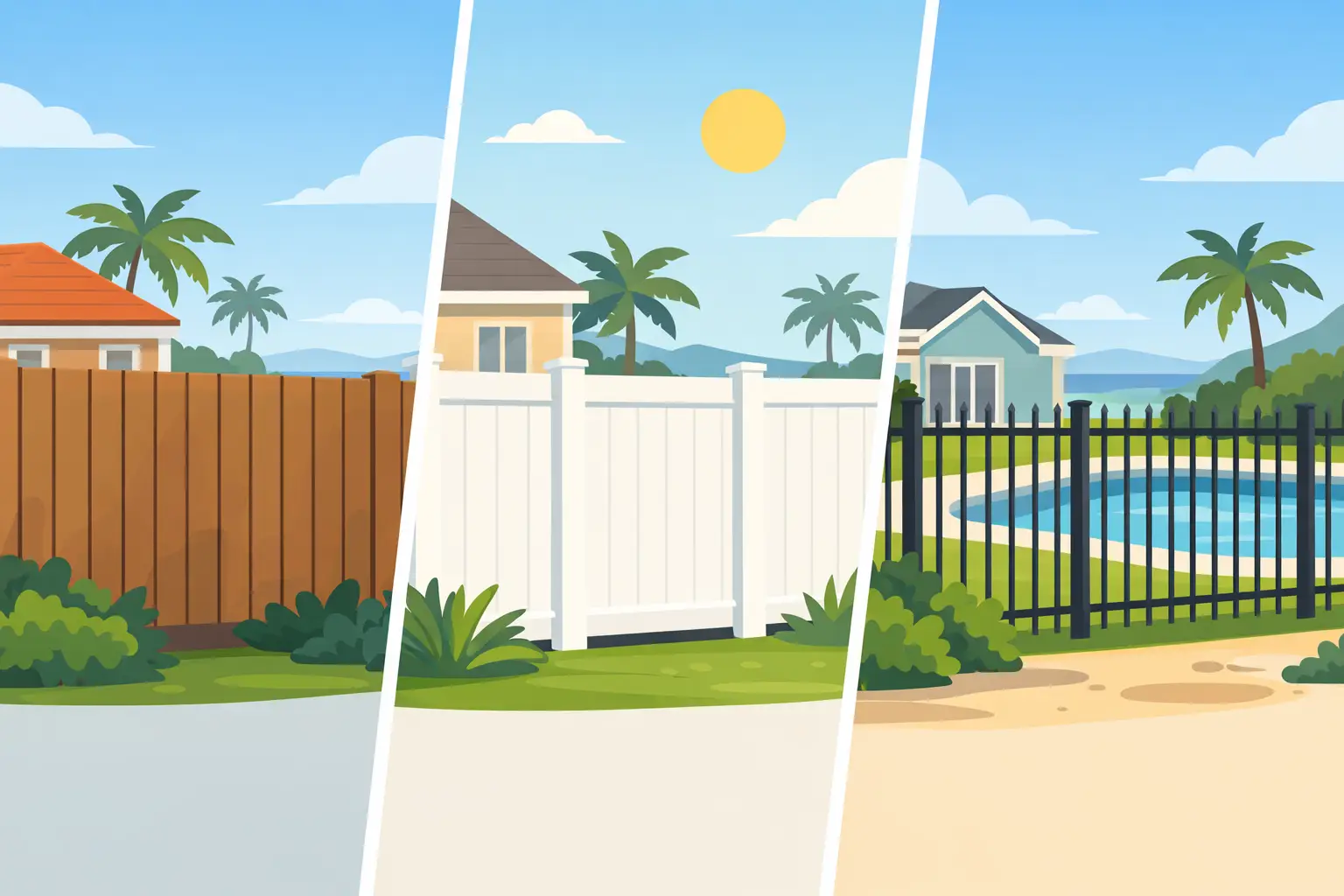
Florida fences work hard. They face intense sun, heavy rain, humidity, sandy soil, irrigation overspray, and, in some areas, salt air and hurricane-force wind. So when homeowners ask which fence lasts longest, the answer is usually aluminum – provided it is professionally installed with the right posts, hardware, and layout for the property.
Aluminum fencing can often last 30 to 50 years or more with minimal upkeep. Vinyl/PVC is also a strong long-term choice, commonly lasting 20 to 30 years. A properly maintained wood fence can be attractive and practical, but it generally has the shortest service life in Florida, often around 10 to 20 years depending on the wood, maintenance, drainage, and exposure.
Longevity is only one part of a good fence decision. The fence that stays in excellent condition for decades may not provide the privacy, security, or style your home needs. The right choice balances life span with how you plan to use the space.
Which Fence Lasts Longest? Aluminum Leads
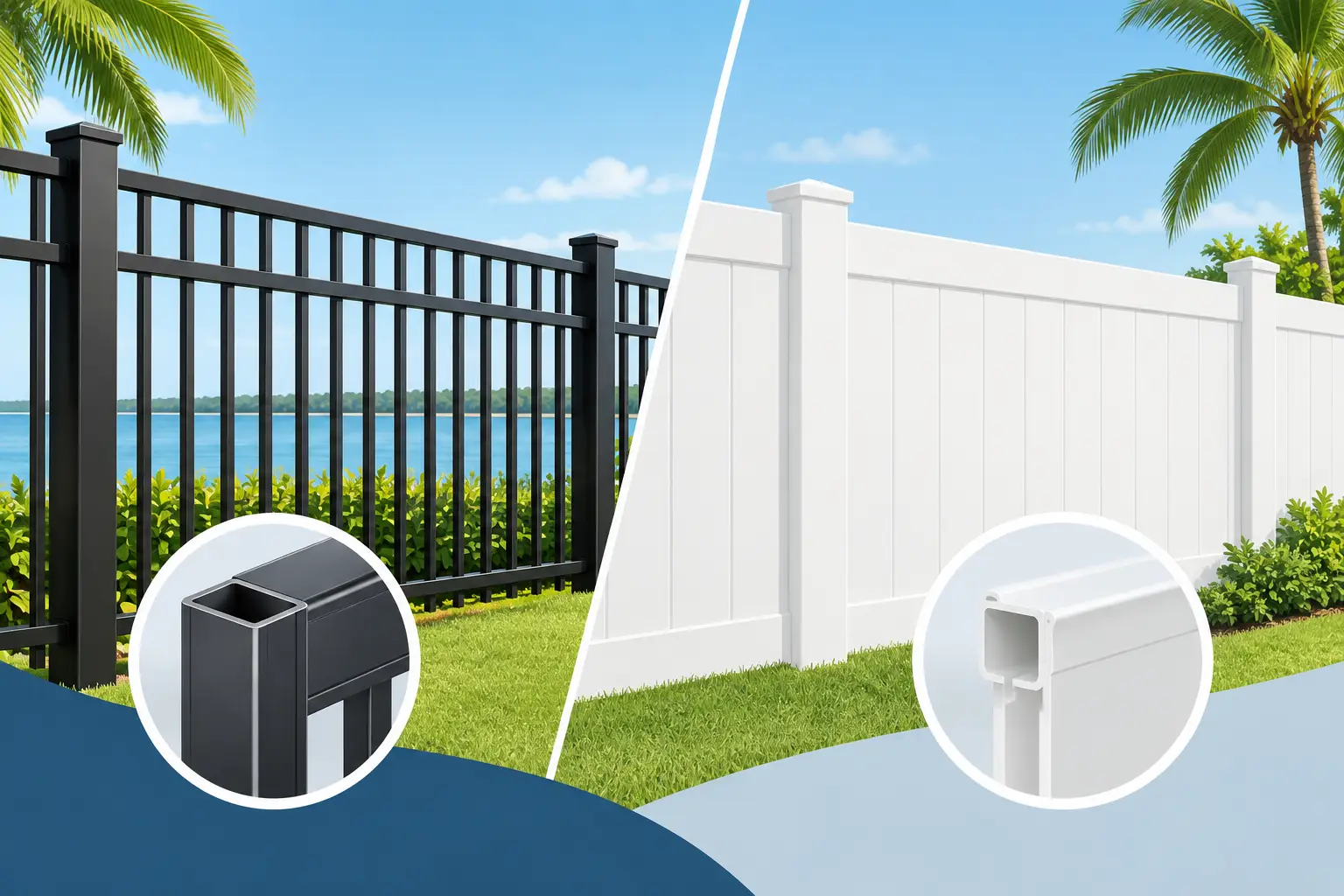
For homeowners who want the longest-lasting fencing material with the least routine maintenance, aluminum is difficult to beat. It does not rot, attract termites, or rust the way untreated steel can. Quality aluminum fencing is finished with a durable powder coating that helps it stand up to rain, moisture, and Florida sun without regular painting or staining.
An aluminum fence is especially well suited for pool areas, front-yard boundaries, pet enclosures, and properties with a view worth preserving. Its open-picket design offers clear sightlines while creating a defined, secure boundary. It also works well on sloped yards because the panels can be adjusted to follow changing grades without large gaps below the fence.
The trade-off is privacy. Standard aluminum fencing is not a solid visual barrier, so it will not block a neighbor’s view or create a secluded backyard in the same way a vinyl or wood privacy fence can. It can also cost more upfront than a basic wood installation. Over a longer ownership period, however, its limited maintenance needs may make aluminum the more economical choice.
A fence is only as durable as its installation. Posts need appropriate depth and concrete support, panels need room to perform as conditions change, and gates need properly sized hardware. A poorly installed aluminum fence can lean, bind at the gate, or develop alignment issues long before the material itself wears out.
Vinyl/PVC Offers Long Life and Full Privacy
Vinyl/PVC fencing is a popular option for Central Florida homes because it combines a clean appearance with the privacy many families want around a backyard, patio, or pool. Unlike wood, vinyl does not need sealing, painting, or staining. It will not rot, splinter, or become termite food.
A well-made vinyl fence can last 20 to 30 years, and sometimes longer when it is installed correctly and cared for. Occasional washing with mild soap and water is generally enough to remove dirt, lawn residue, and mildew. White remains the most common choice, although other colors and wood-look styles may be available depending on the system.
Florida heat is where material quality matters. Lower-grade vinyl can become brittle over time, fade, or distort when exposed to high temperatures and direct sunlight. A quality fence system with reinforced rails and well-supported posts is more likely to keep its shape and remain secure through years of weather changes.
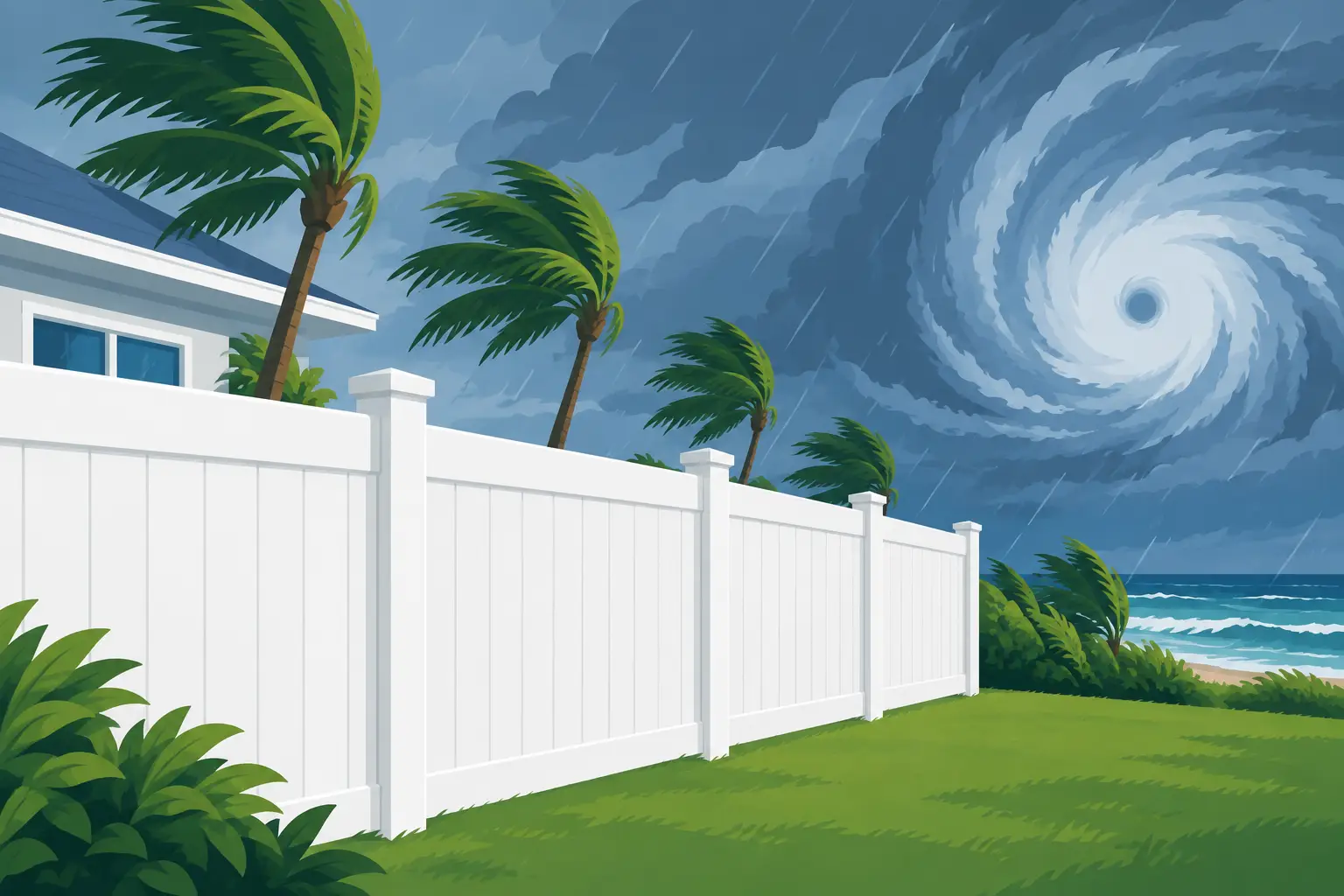
Vinyl is a strong choice when privacy is the priority, but it is not invincible. A solid privacy panel catches more wind than an open aluminum fence. Proper post spacing, reinforcement, and secure concrete footings are essential, particularly for long fence runs and properties exposed to open wind. Gates deserve extra attention because their repeated movement places more stress on the posts and hardware.
Wood Can Be Beautiful, but It Needs More Care
Wood fencing has a classic look that fits many Florida homes, and it remains one of the most flexible choices for backyard privacy. It can be built in different heights and styles, repaired board by board, painted, or stained to match the property. Upfront, wood is often the more budget-friendly privacy option.
Its shorter life span comes from the same organic qualities that give wood its character. Moisture, insects, sun exposure, and contact with wet soil all take a toll. Even pressure-treated pine can warp, crack, fade, or develop rot over time, especially if water sits around the posts or the fence is not sealed regularly.
In Florida, a wood fence commonly lasts about 10 to 20 years. The range is wide because maintenance makes a real difference. Clearing vegetation away from the fence, keeping sprinklers from soaking it daily, replacing damaged boards promptly, and applying a protective stain or sealant can extend its useful life.
Wood may still be the right answer when the goal is an affordable, traditional privacy fence or when a neighborhood has specific aesthetic requirements. It is simply not the best choice for an owner who wants to install a fence and spend very little time maintaining it for the next several decades.
What Shortens Any Fence’s Life Span?
Material matters, but several project details can shorten the life of aluminum, vinyl, and wood fences alike. Florida properties are not all the same, and a fence plan should account for the site rather than relying on a one-size-fits-all layout.
The biggest issues are usually poor drainage, shallow or undersized footings, weak gate construction, and fence sections that are not designed for local wind conditions. A fence can look straight on installation day yet start leaning if posts are not set properly or if water repeatedly softens the soil around them.
Irrigation is another overlooked factor. Sprinklers that hit a fence every day can accelerate staining, mildew, hardware wear, and wood deterioration. Landscaping should be kept trimmed back as well. Vines, shrubs, and mulch piled against the fence trap moisture and make inspection more difficult.
Coastal and South Florida properties may need additional consideration. Salt air can be harder on metal components, especially fasteners and gate hardware. Quality coated materials and corrosion-resistant hardware help protect the parts that keep the entire system functioning.
Finally, do not treat the gate as an afterthought. Gates are the most used section of many residential fences. A properly framed gate, supported by strong posts and reliable hinges, prevents sagging and helps the fence remain easy to use year after year.
Choose by How You Will Use the Fence
If maximum life span and low maintenance are your priorities, aluminum is usually the best investment. It is a particularly practical choice for decorative perimeter fencing, pool compliance, security, and homes where visibility matters.
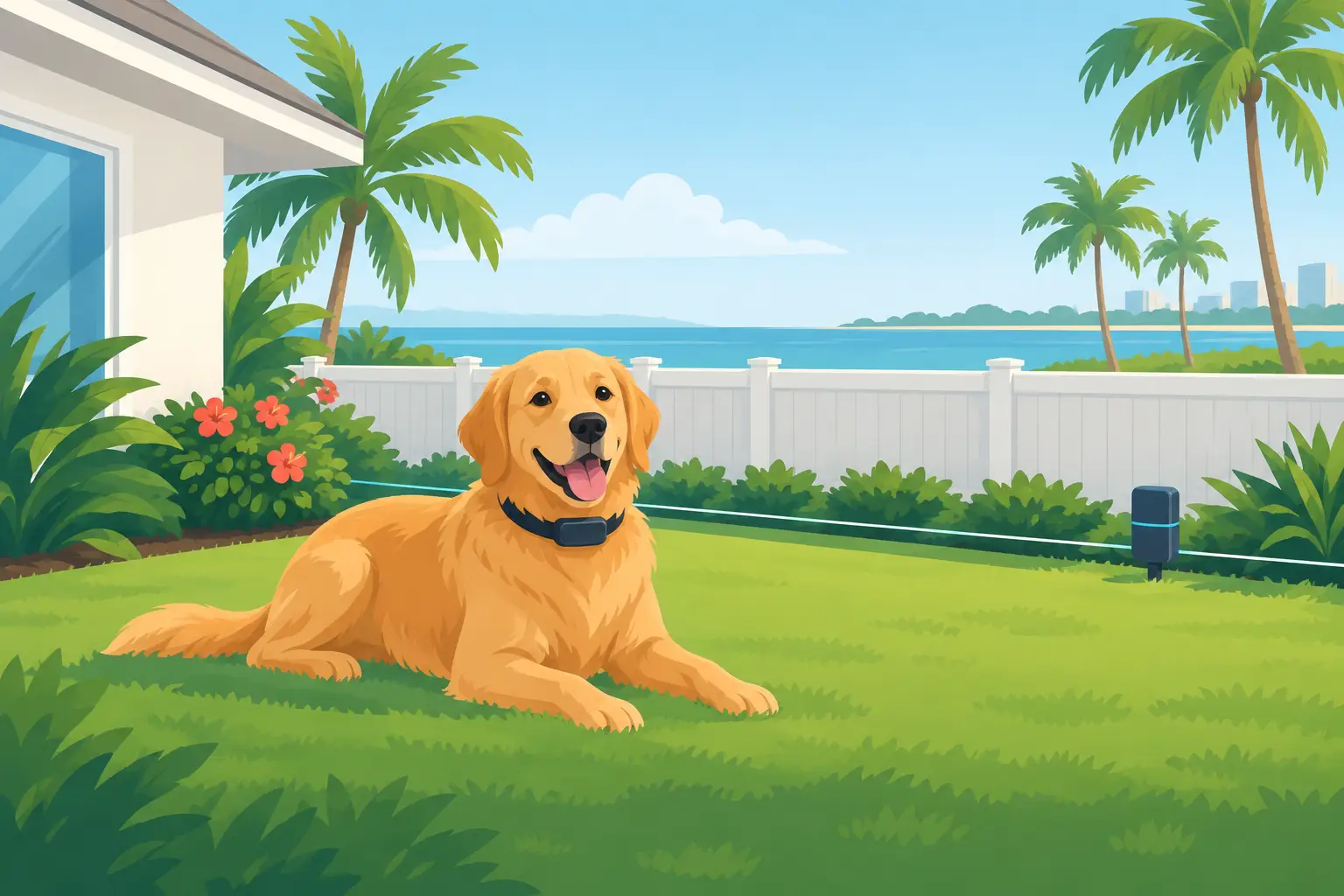
If you need a long-lasting privacy barrier, vinyl/PVC is often the better fit. It offers a finished, consistent look without the ongoing painting and sealing associated with wood. For families with children or pets, it can create a private enclosed yard with relatively simple upkeep.
If budget, customization, or a natural appearance is most important, wood may make sense. Just plan for periodic maintenance and understand that replacement may come sooner than it would with aluminum or vinyl. The lowest initial price is not always the lowest long-term cost.
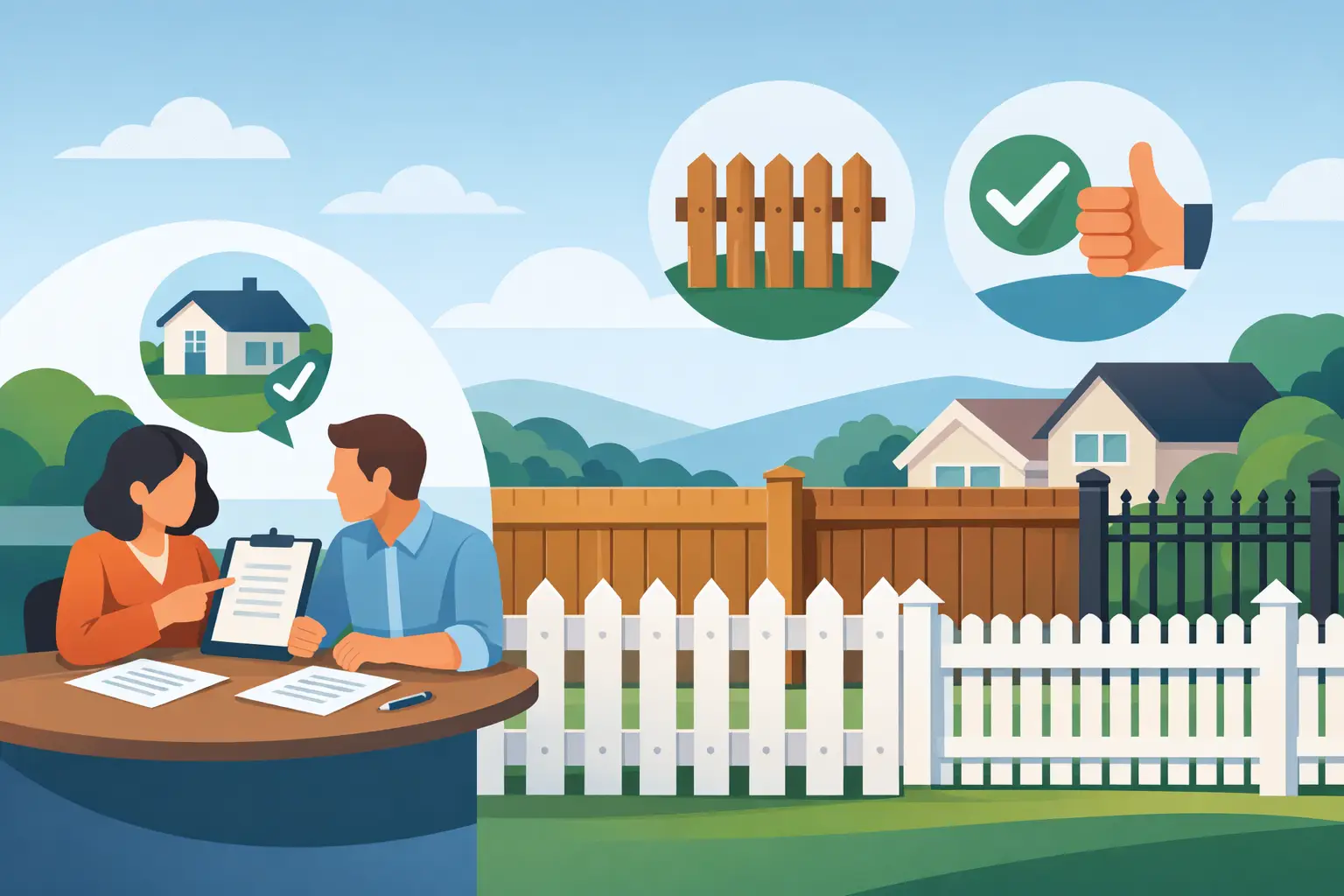
Before selecting a style, check your community requirements. Many HOAs regulate fence height, color, location, and permitted materials. Local permit rules and property-line considerations can also affect the project. Addressing these items before installation helps avoid expensive changes later.
Make the Longest-Lasting Choice Work for Your Property
The longest-lasting material will not deliver its full value if it does not fit your home’s needs or is installed without careful planning. A pool enclosure may call for aluminum. A backyard that needs privacy from nearby homes may call for vinyl. A wood fence may be the right fit for a specific budget or neighborhood design requirement.
A professional estimate should account for the fence’s purpose, property layout, gate locations, grade changes, drainage, HOA requirements, and permit needs before work begins. Primo Fence helps homeowners make those decisions with a clear agreement, transparent pricing, and support through the approval process.
The best time to protect a fence’s life span is before the first post goes in. Choose the material that suits the way you live, then make sure the installation is designed to handle Florida weather for years to come.

0 Comments