
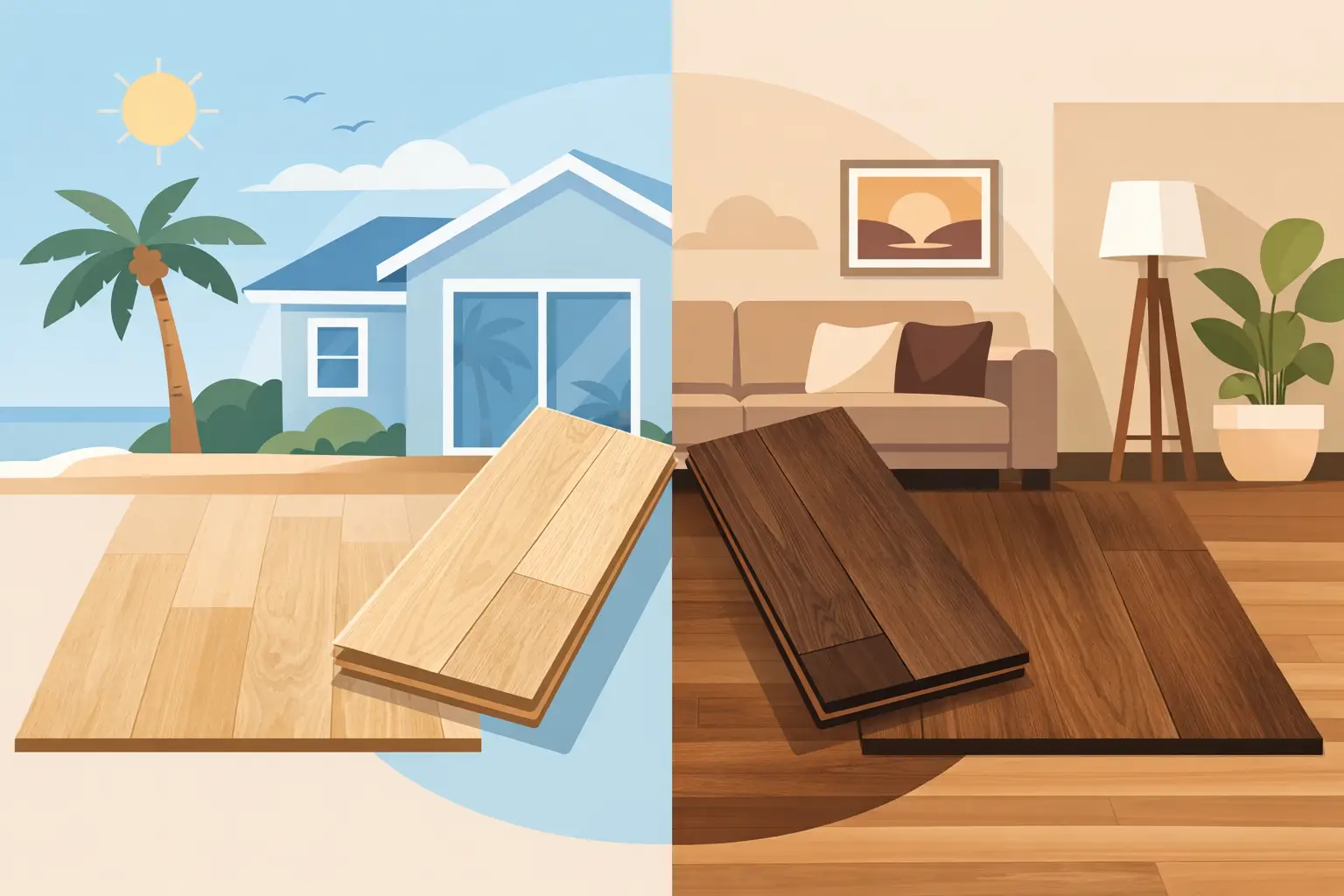
A fence can look great on installation day and still become a source of weekend work, storm repairs, or HOA questions a few years later. That is why a vinyl wood comparison should go beyond appearance. For Central Florida homeowners, the better choice often comes down to how you use your yard, how much maintenance you want to take on, and what your community requires.
Both materials can create a private, attractive boundary for children, pets, pools, and outdoor living areas. Wood brings a traditional, natural look and can be adapted to many property styles. Vinyl, also called PVC, offers a clean finish with less ongoing upkeep. The right answer is not the same for every home, but understanding the practical differences makes the decision much easier.
Vinyl Wood Comparison: What Changes After Installation?
The biggest difference between vinyl and wood is not always obvious from the street. It is what happens after Florida sun, heavy rain, humidity, sprinklers, and the occasional storm season have had time to do their work.
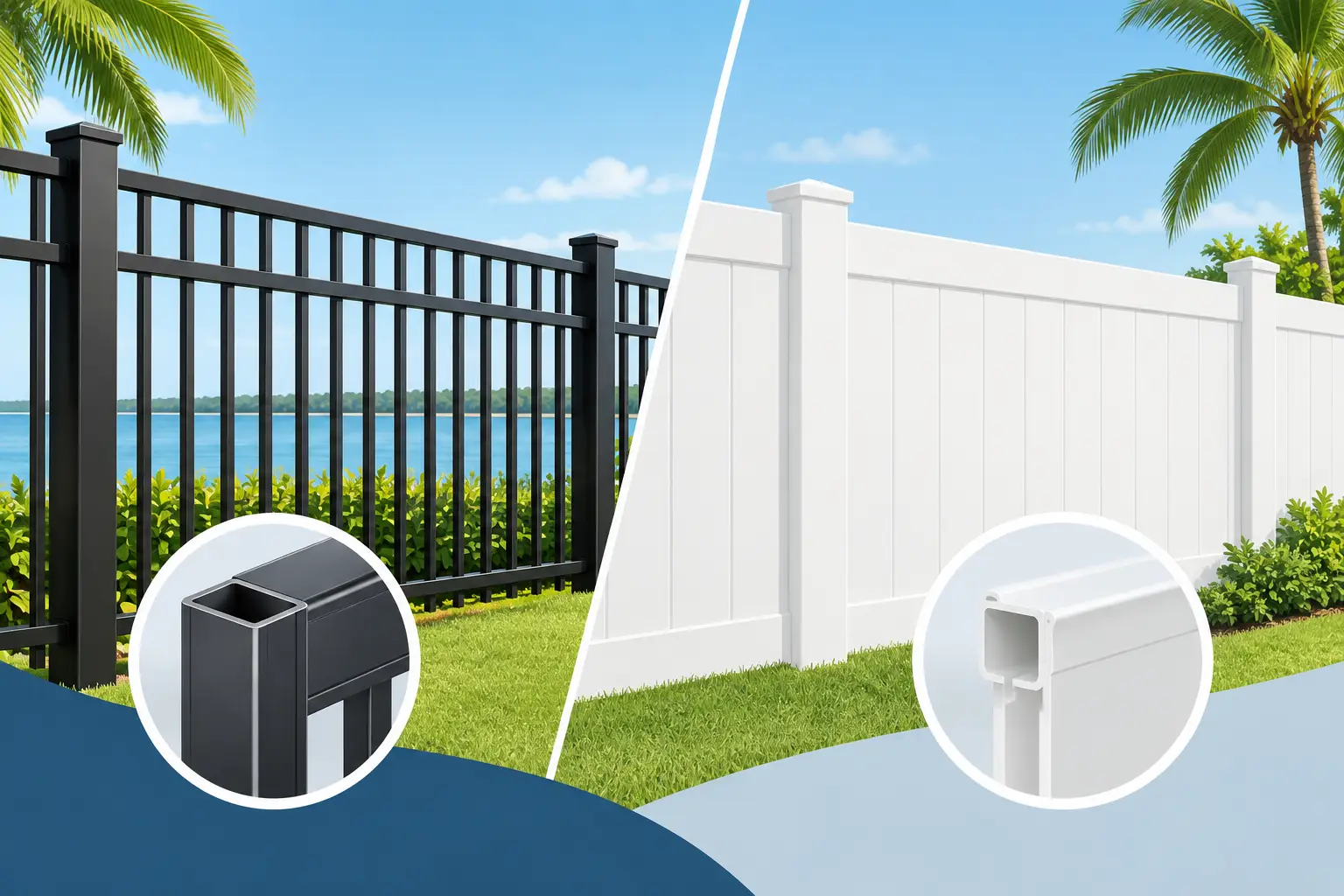
A properly installed vinyl fence does not rot, peel, or need staining. Most routine care involves rinsing off dirt, grass clippings, or mildew with a hose and mild cleaner. Its color is built into the material, so a white privacy fence stays white without a repainting schedule. For homeowners who want a polished boundary without adding another exterior chore, that is a major benefit.
Wood needs more attention, but it provides a look that vinyl cannot fully duplicate. Pressure-treated pine is a familiar and often more affordable choice for privacy fencing. Cedar can offer a richer appearance and greater natural resistance to decay, although availability and pricing vary. To help wood last, it should be sealed or stained on a regular schedule, and boards should be checked for warping, splitting, rot, and loose fasteners.
Florida’s moisture is the deciding factor for many homes. Even quality wood can weather unevenly when one part of the yard stays shaded and damp while another gets direct afternoon sun. Vinyl avoids moisture damage, though it can still collect surface mildew in humid areas and needs cleaning to stay bright.
Privacy, Appearance, and Curb Appeal
For full backyard privacy, both materials work well. Vinyl privacy panels create a consistent wall with tightly fitted sections and a uniform color. They are especially popular in newer communities where homeowners want a clean, coordinated appearance. Options such as lattice tops, decorative post caps, and picket-style accents can prevent a privacy fence from looking plain.
Wood offers more visual flexibility on site. A contractor can build a board-on-board design for privacy with airflow, a shadowbox style for a finished look from both sides, or a traditional stockade fence. Wood can also be painted or stained to complement a home’s exterior, landscaping, or existing deck.
That flexibility has a trade-off. A wood fence’s appearance changes as it ages, even when it is well maintained. Some homeowners like that natural weathering. Others prefer vinyl because it looks more consistent from one season to the next.
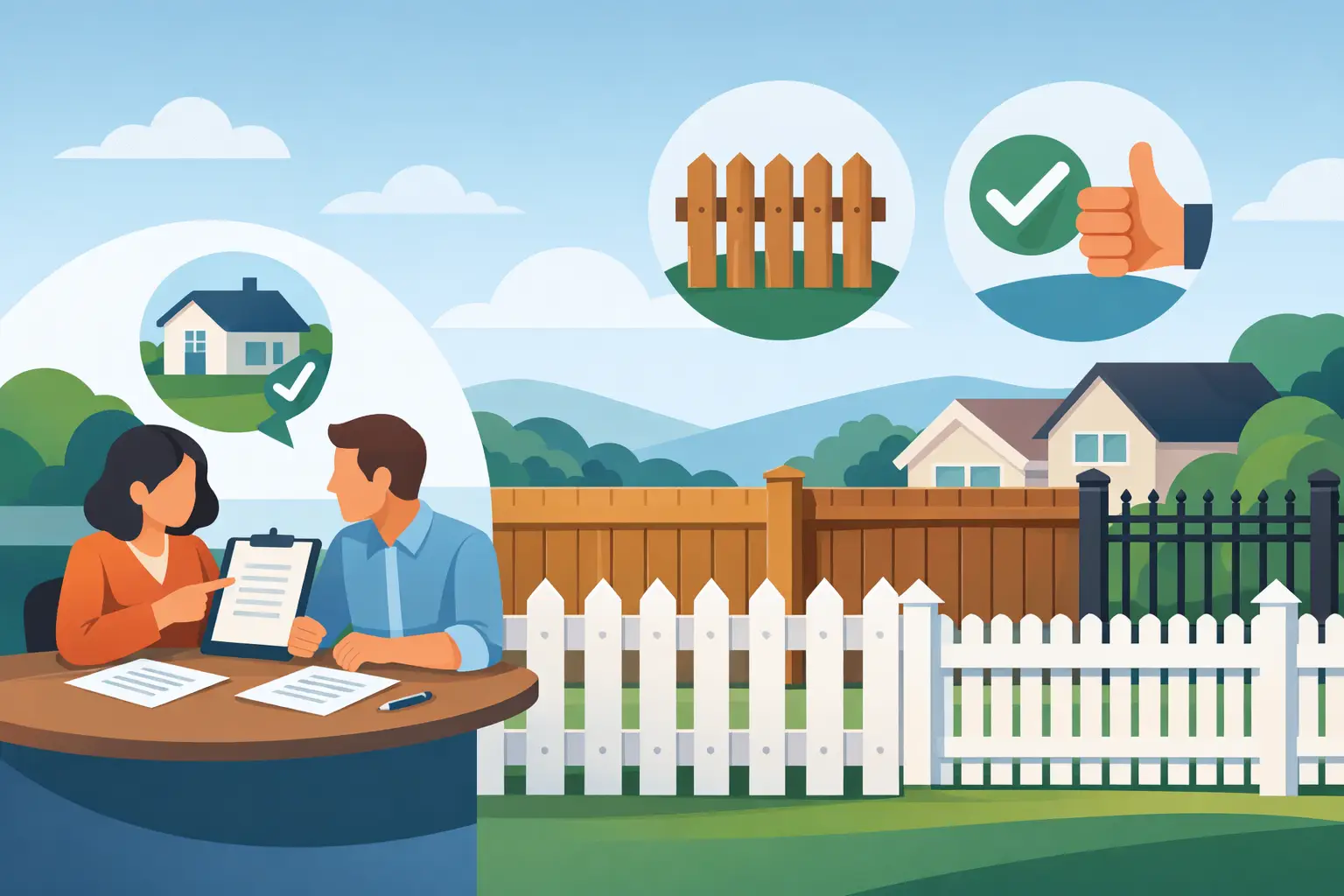
If your property is in an HOA community, the approved style may narrow the choice before the project begins. Many associations specify fence height, color, placement, gate design, and even which side must face a neighboring property. Reviewing those rules before selecting a material helps avoid a redesign or approval delay.
Upfront Cost Versus Long-Term Value
Wood commonly has a lower initial price than vinyl, particularly for a standard pressure-treated pine privacy fence. That makes it a practical option when budget is the immediate priority or when a large property needs substantial linear footage.
Vinyl usually costs more at the beginning because of the material and its specialized components. Over time, however, the lower maintenance requirement can change the equation. Homeowners who would otherwise pay for cleaning, staining, sealing, repairs, or replacement boards may find vinyl’s long-term value more appealing.
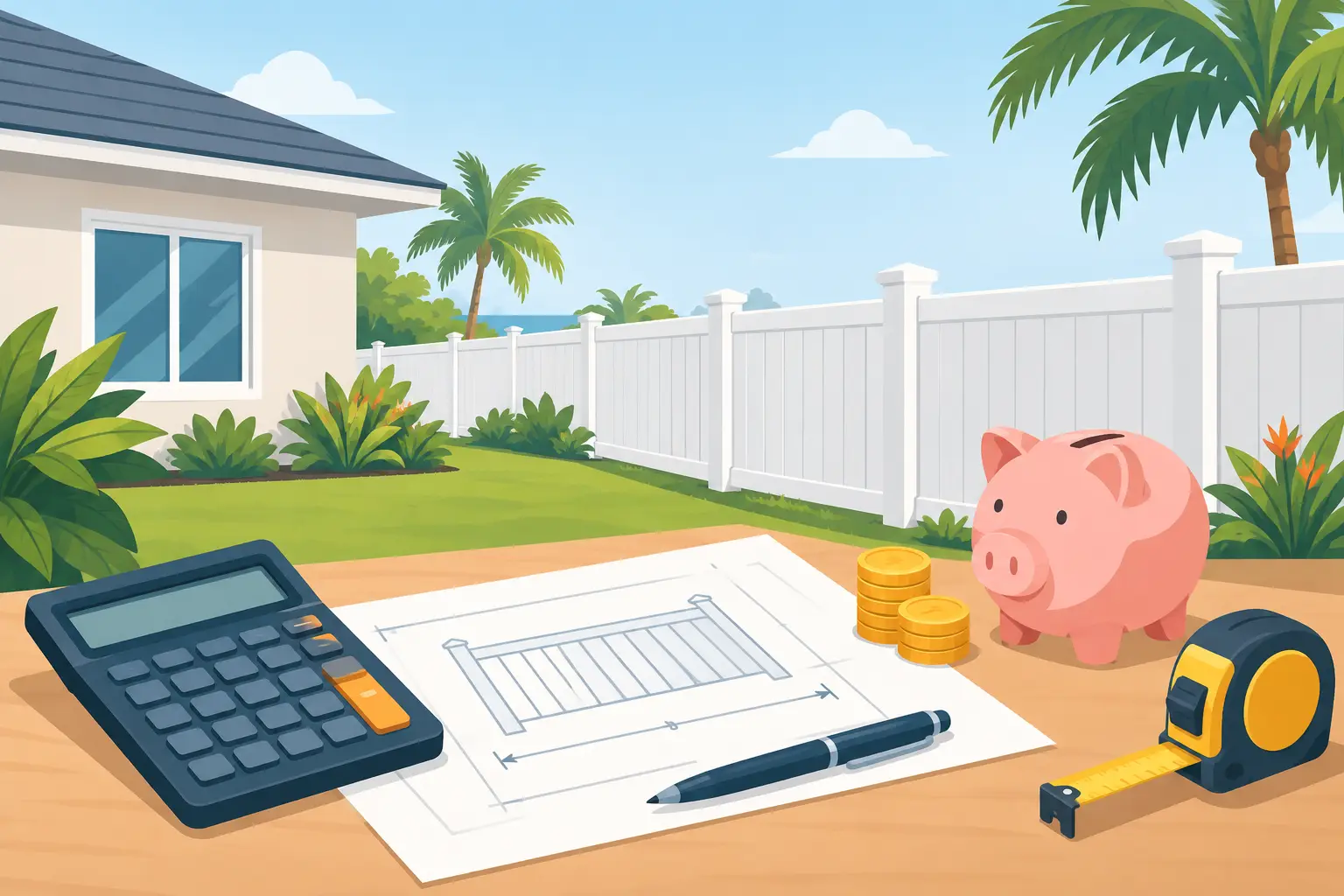
There is no universal winner on cost. A smaller yard with a simple layout may make vinyl easier to justify. On a large lot, the upfront difference can be more significant. Gates, slopes, difficult access, old fence removal, utility locations, and local permitting can also affect the final project price more than the material choice alone.
A clear estimate should explain what is included: fence type and height, posts, gates, removal and disposal, permit handling when required, and the expected project schedule. Comparing only a per-foot figure can miss details that matter once installation begins.
Durability in Florida Weather
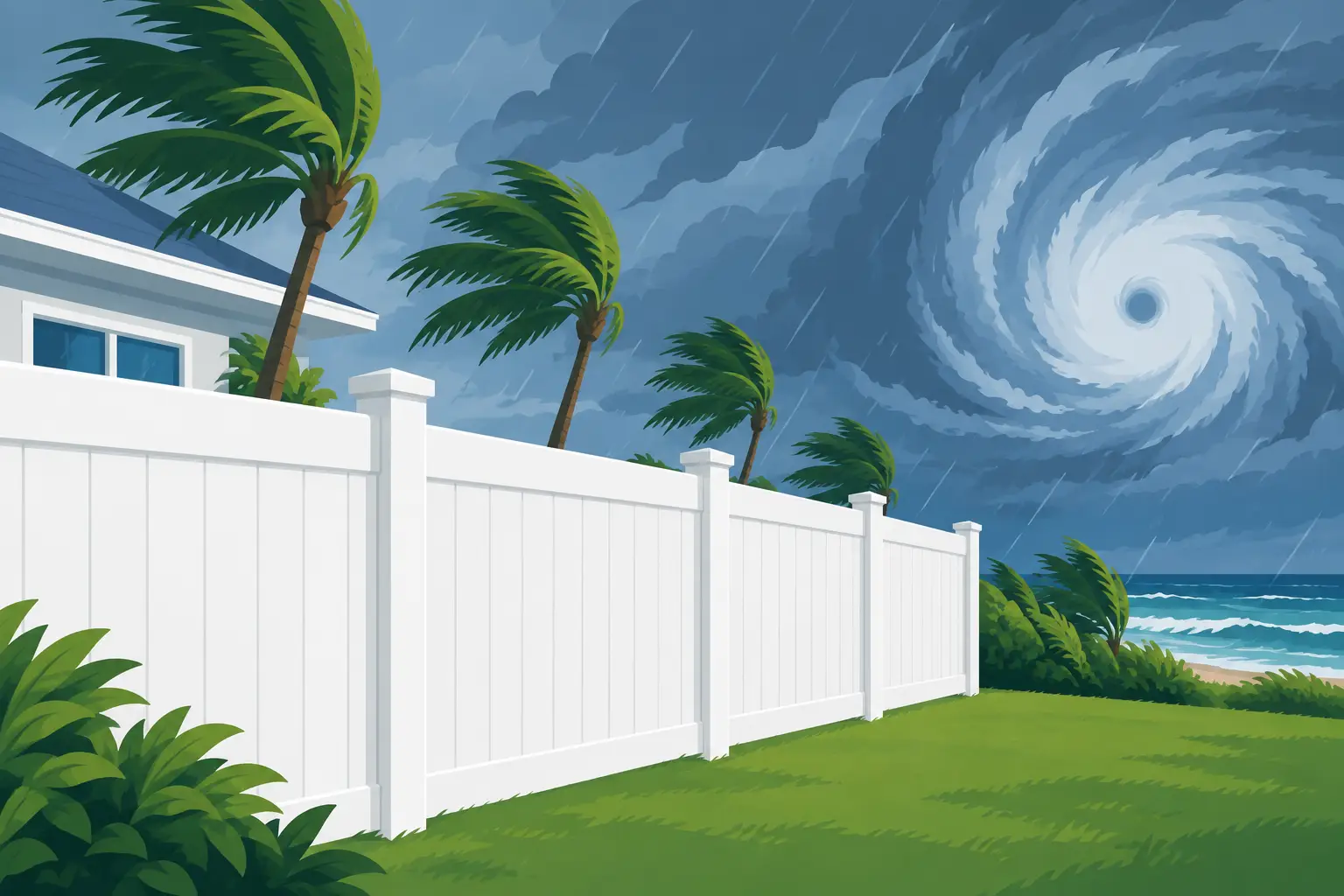
Vinyl is highly resistant to rot, insects, and moisture. It does not absorb water like wood, which is helpful during long rainy periods. Quality vinyl systems are designed to handle normal outdoor exposure, but they are not indestructible. A severe impact from a falling branch, vehicle, or storm debris can crack a panel or damage a post. Repair may require replacing a specific section rather than simply fastening a new board in place.
Wood can handle daily use well, and individual pickets are often straightforward to replace. Its vulnerability is gradual deterioration. Termites, fungal decay, ground contact, and repeated wet-dry cycles can shorten the life of a fence if maintenance is delayed. Posts are especially important because they carry the load of the entire fence line.
Installation quality matters with either material. Fence posts need appropriate depth, alignment, and concrete support based on the fence design and local conditions. Gates must be built and hung to avoid sagging. A fence that is poorly planned for drainage, grade changes, or wind exposure can develop problems regardless of whether it is vinyl or wood.
Which Fence Fits Your Household?
Vinyl often fits homeowners who want a low-maintenance privacy fence, prefer a uniform appearance, and expect to stay in the home for years. It is also a strong choice for busy families, rental property owners, and anyone who does not want regular staining or painting on the to-do list.
Wood often fits homeowners who want the warmth of natural material, need a more flexible design, or are focused on keeping upfront costs lower. It can be an excellent fence when the owner is comfortable with periodic maintenance and chooses a design suited to the property.
Consider how the fence will function every day. A backyard used by active dogs may need a sturdy gate and close picket spacing. A pool area may have additional safety and code requirements. A commercial property may prioritize a fast installation schedule, defined access control, and a material that matches the site. The best material is the one that meets those needs without creating surprises later.
Permits, Property Lines, and HOA Approval
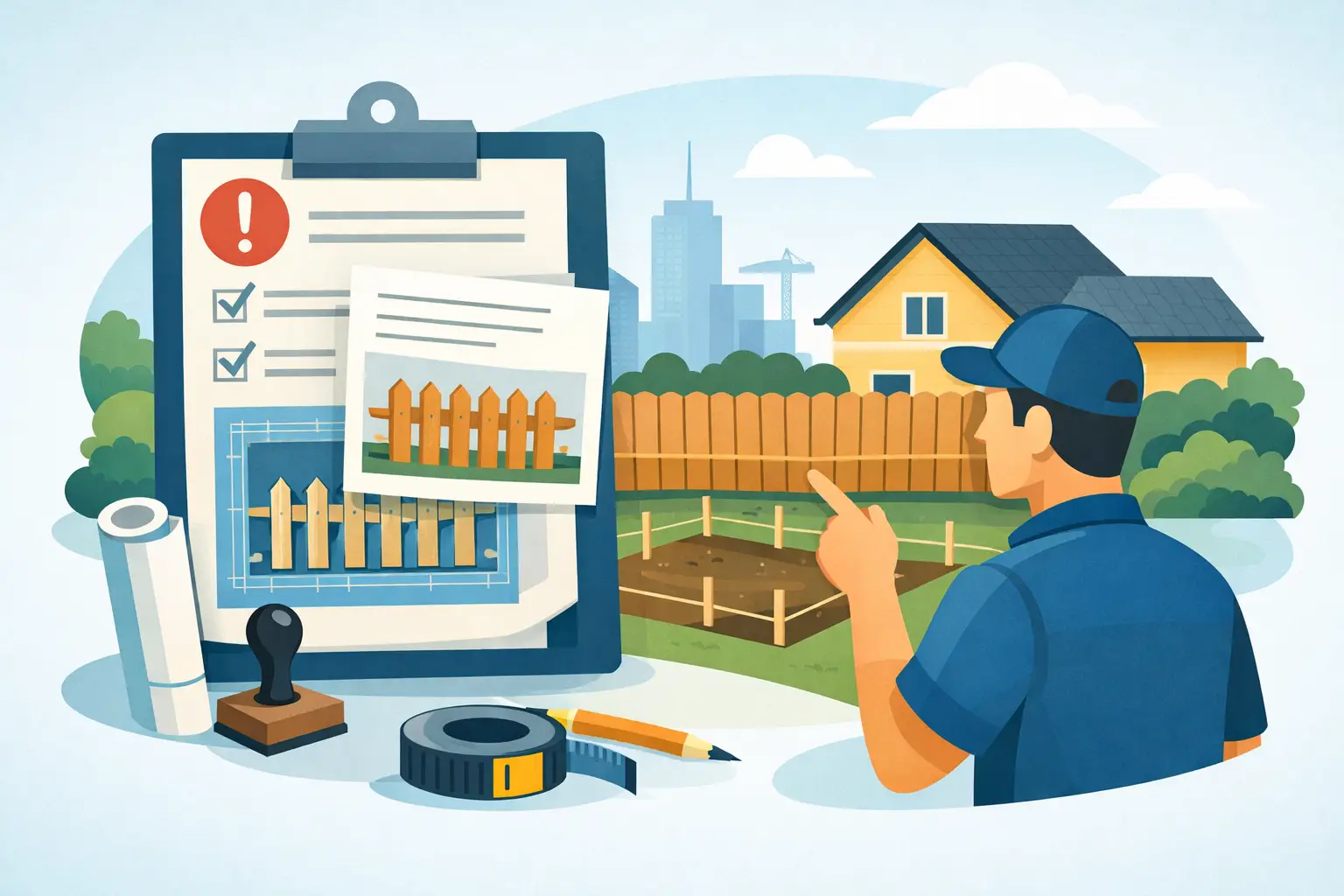
Material selection is only one part of a successful fence project. Depending on the city, county, community, and project scope, permits or HOA approval may be required before work starts. Setback rules, easements, utility locations, height limits, and pool-barrier regulations can affect where a fence may go and how it must be built.
Do not assume an old fence marks the true property line. It may be close, but a prior installation is not a survey. When the boundary is uncertain, confirm it before committing to a layout. Moving a new fence after installation is expensive and avoidable.
For homeowners who want the paperwork handled with the same care as the fence itself, Primo Fence can help manage the planning, HOA approval support, permitting, and installation process. That gives you a clearer path from estimate to finished boundary.
A good fence should make your property easier to enjoy, not add another maintenance problem or approval headache. Choose the material that fits your home’s look, your budget, and the amount of upkeep you realistically want to give it, then start with a site-specific estimate that accounts for the details of your yard.


0 Comments