

A fence project can look simple from the street: a few posts, panels, and a gate. Behind that finished line, though, are property boundaries, neighborhood rules, permit requirements, material decisions, utility locations, and a schedule that needs to work for your household or business. The right fence contractors make those moving parts feel manageable instead of leaving you to chase answers between an HOA, a municipality, and an installer.
For Central Florida homeowners, a new fence is often tied to a real need. Maybe a dog needs a secure yard, children need a safer play area, a worn wood fence is leaning after years of rain, or a new home needs privacy from neighboring lots. Commercial owners and property managers may need a fast, cost-conscious way to secure an entry point, enclosure, or property perimeter. In both cases, the contractor matters as much as the material.
What Good Fence Contractors Actually Handle
A dependable fencing company does more than install posts and panels. It helps turn an initial idea into a completed project with a clear scope, realistic timeline, and fewer surprises along the way.
The process should begin with a free estimate that accounts for the fence line, material, height, gates, terrain, and access to the work area. A useful estimate is not just a number. It explains what is being installed, where it will go, and what the customer can expect before work begins. If an existing fence must be removed, that should be addressed clearly. If a gate needs to accommodate lawn equipment, pool access, or commercial traffic, that should be discussed before materials are ordered.
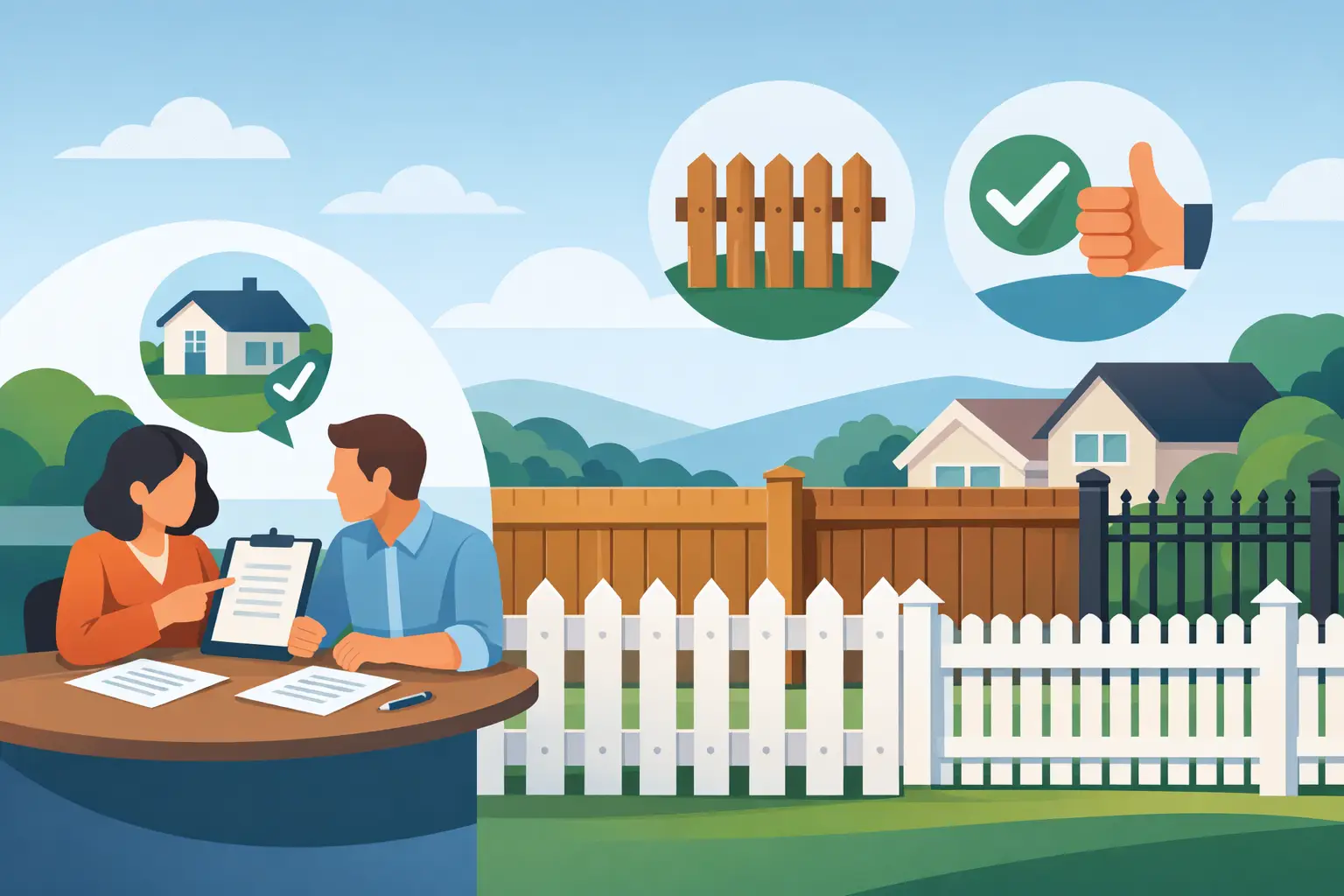
The best contractors also recognize that Florida fence projects often involve paperwork. Depending on the property and local jurisdiction, permits, HOA architectural review, surveys, or utility marking may affect when installation can begin. Those steps are not exciting, but overlooking them can delay a project or create expensive corrections later.
Start With the Fence’s Job
Before comparing estimates, identify what the fence needs to accomplish. Privacy, security, pet containment, pool-area separation, curb appeal, and defining a boundary can all point to different materials and layouts.
Wood remains a familiar choice for homeowners who want a traditional privacy fence and a natural appearance. It can be a strong fit for many yards, but Florida heat, humidity, rain, and insects make proper installation and ongoing care especially important. Wood may need staining, sealing, or repairs over time, depending on the style and exposure.
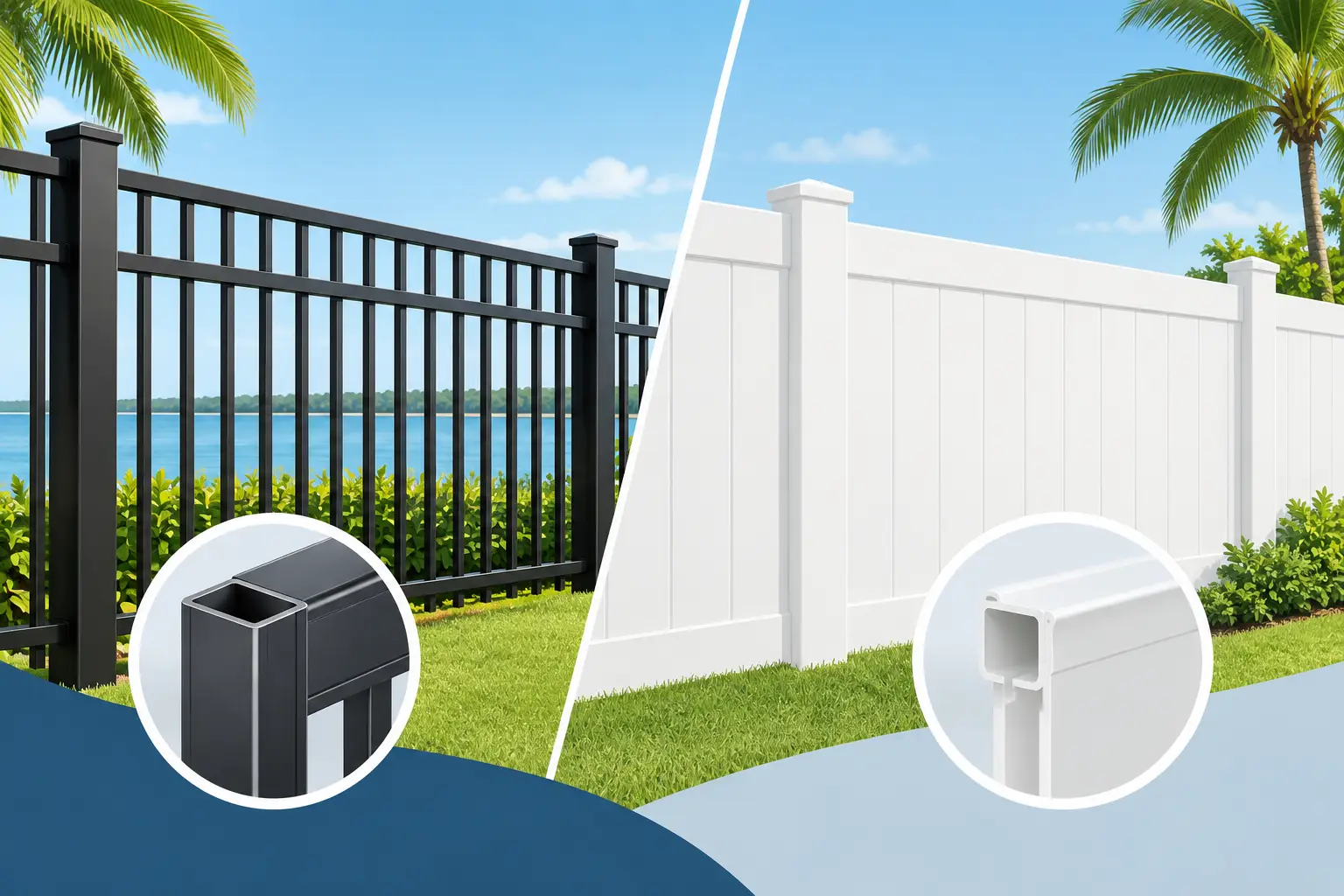
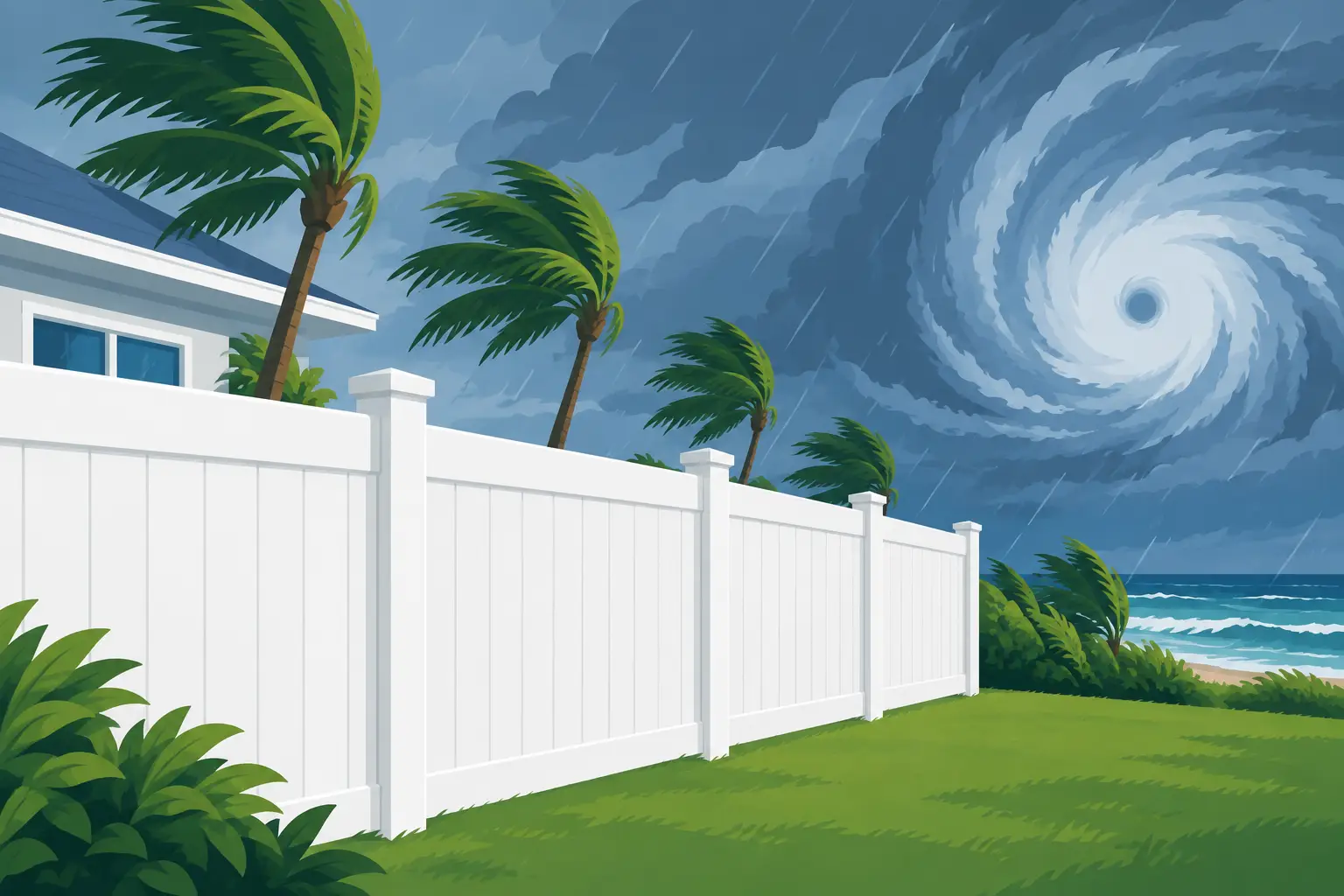
Vinyl or PVC fencing offers a clean, consistent look with low routine maintenance. It is popular for privacy fencing because it does not require painting or staining. However, quality and installation matter. A contractor should explain the grade of material, post reinforcement where appropriate, and how the system will perform in the conditions around your property.
Aluminum fencing is often chosen when visibility matters as much as security. It works well around pools, gardens, lake views, and front yards where a solid privacy wall would feel too closed in. Aluminum will not provide the same visual screening as vinyl or wood, but it can deliver a polished boundary with long-term durability.
There is no single best choice for every property. A backyard with close neighbors may call for privacy, while a waterfront or landscaped lot may benefit from an open aluminum design. A knowledgeable contractor explains the trade-offs without steering every customer toward the same product.
Paperwork Should Not Become Your Second Job
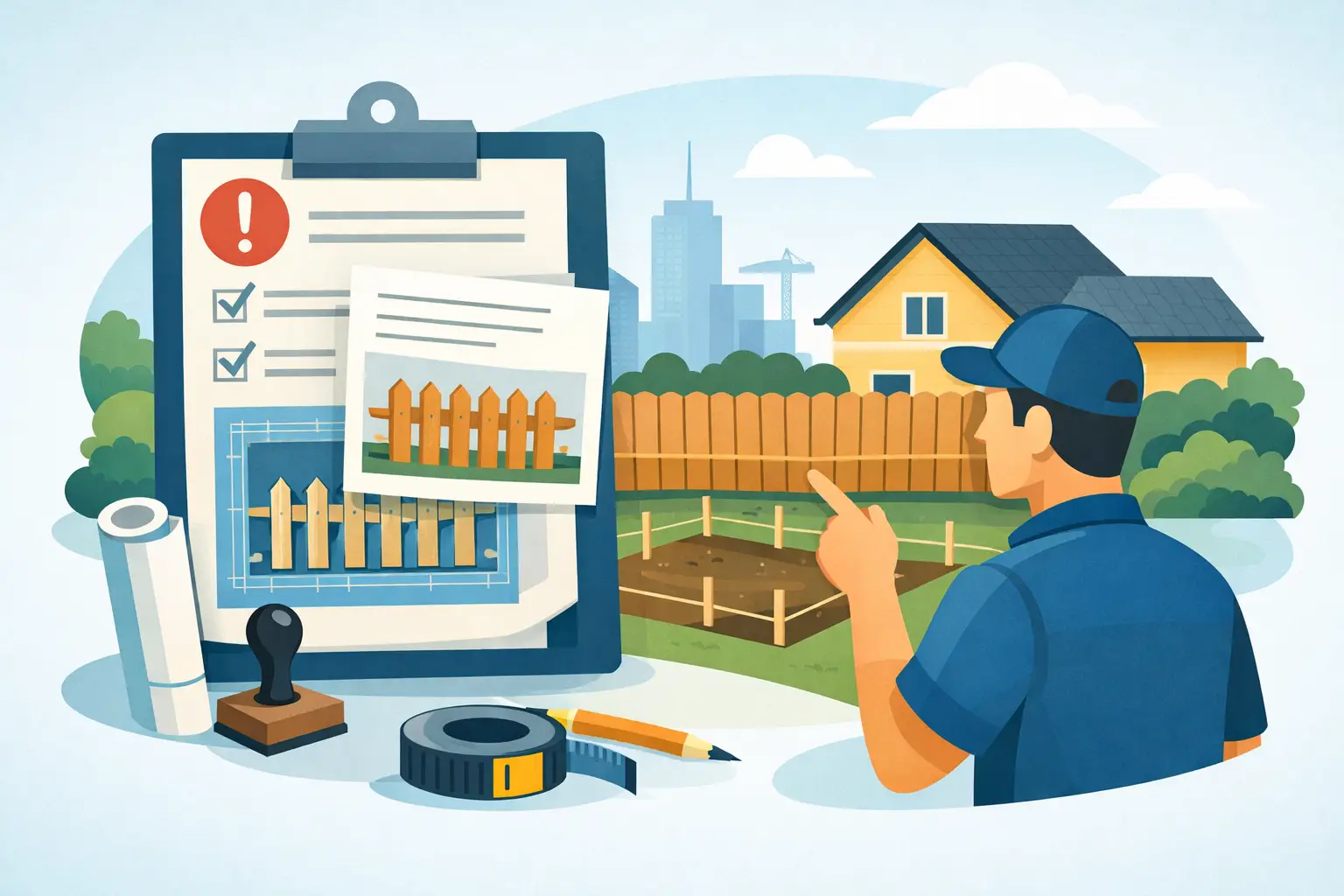
HOA approval is one of the most common reasons a fence project stalls. Many communities regulate fence height, colors, materials, styles, gate placement, and the portion of the lot where fencing is allowed. Some require approval before construction begins, even when the planned fence seems standard.
A contractor familiar with the process can help assemble the details an HOA typically needs, such as a site plan, product information, color selection, and proposed fence layout. That support reduces guesswork and helps avoid submitting incomplete information that sends an application back for revisions.
Permitting works similarly. Requirements vary by city, county, and project type. A fence contractor should be direct about who will handle permits, what information may be required, and whether the estimated schedule depends on an approval timeline. Clear communication is better than promising an installation date before the necessary approvals are in place.
Property lines deserve the same attention. An old fence is not always an accurate boundary marker, and installing a new fence on an assumed line can cause conflict with a neighbor. If the boundary is uncertain, a current survey may be worth reviewing before the layout is finalized. It is a small step compared with the cost and frustration of moving a completed fence.
Look Beyond the Lowest Estimate
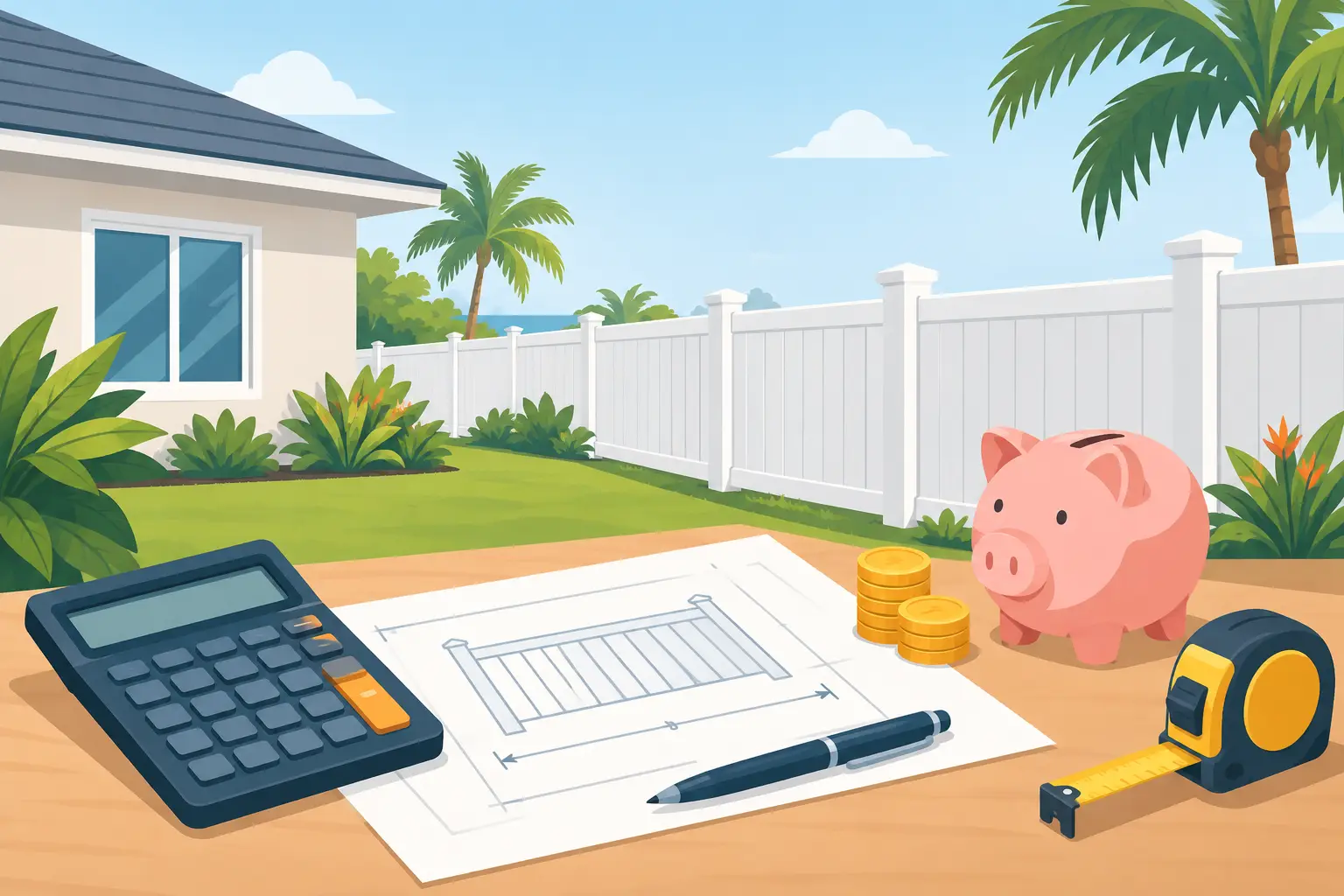
Price matters, and a fair estimate should be easy to understand. But the lowest number is not always the lowest final cost. Two quotes can look similar while covering very different scopes of work.
Ask whether the proposal includes removal and disposal of the existing fence, permits, gates, hardware, post depth, concrete, cleanup, and repair of any areas affected by installation. Confirm the linear footage and fence height. If the proposal uses a broad description such as privacy fence installation without material details, ask for clarification before signing an agreement.
A transparent contractor will also explain payment expectations and what could affect the price. Hidden conditions can arise, such as inaccessible areas, unexpected underground obstacles, or a changed layout requested after materials are ordered. Those situations are easier to manage when the agreement explains how changes are handled.
For commercial projects, clarity also means simple invoicing and a scope that reflects operational needs. A property manager may need fencing completed in phases, outside certain business hours, or with gates that support maintenance and delivery access. Those details should be planned, not treated as last-minute adjustments.
How Fence Contractors Keep Installation on Track
A well-run project follows a practical sequence: estimate, agreement, approvals and preparation, then installation. The timeline can vary based on material availability, permit processing, HOA review, weather, and the complexity of the property. What customers should expect is not an unrealistically fast promise, but regular updates and a contractor who can explain the next step.
Before installation, the fence line should be reviewed, utilities should be addressed through the appropriate process, and access should be coordinated. Homeowners can help by moving patio furniture, toys, planters, and other items away from the work area. If pets use the yard, plan for secure indoor space or temporary containment while gates are open and crews are working.
During installation, professional crews protect the property as reasonably as conditions allow, keep the site organized, and communicate when a decision is needed. They should not leave you wondering whether a gate swing, panel transition, or terrain issue was addressed correctly. At completion, walk the project with the contractor, check gate operation, and ask about warranty coverage and basic care.
Primo Fence approaches this work as an end-to-end service, helping customers move from a free estimate through agreement, approvals, installation, and final completion without having to manage every administrative detail alone.
Questions Worth Asking Before You Hire
A contractor should be comfortable answering direct questions. Ask whether they handle HOA submissions and permits, whether they are licensed and insured for the work they perform, and what warranty applies to both materials and installation. Ask how they confirm the fence layout and what happens if a property-line question comes up.
It is also reasonable to ask about the expected project timeline, crew communication, gate options, material availability, and how existing fencing will be removed. For a replacement project, discuss whether new posts can be placed in the same locations or whether the layout should be adjusted for better long-term performance.
Pay attention to how the answers are delivered. A contractor who responds promptly, provides a clear written agreement, and explains limits honestly is more likely to be reliable once the work begins. Responsiveness before the contract is signed often tells you a great deal about the experience after installation is scheduled.
A Fence Should Feel Finished, Not Ongoing
The goal is not simply to get panels installed as quickly as possible. It is to create a boundary that works for your daily life, meets the rules that apply to your property, and holds up to Florida conditions. Whether you need backyard privacy, a safer space for pets and children, or a secure commercial perimeter, give the planning stage the same attention as the finished appearance. A few clear conversations at the start can save weeks of delays and years of regret.


0 Comments