
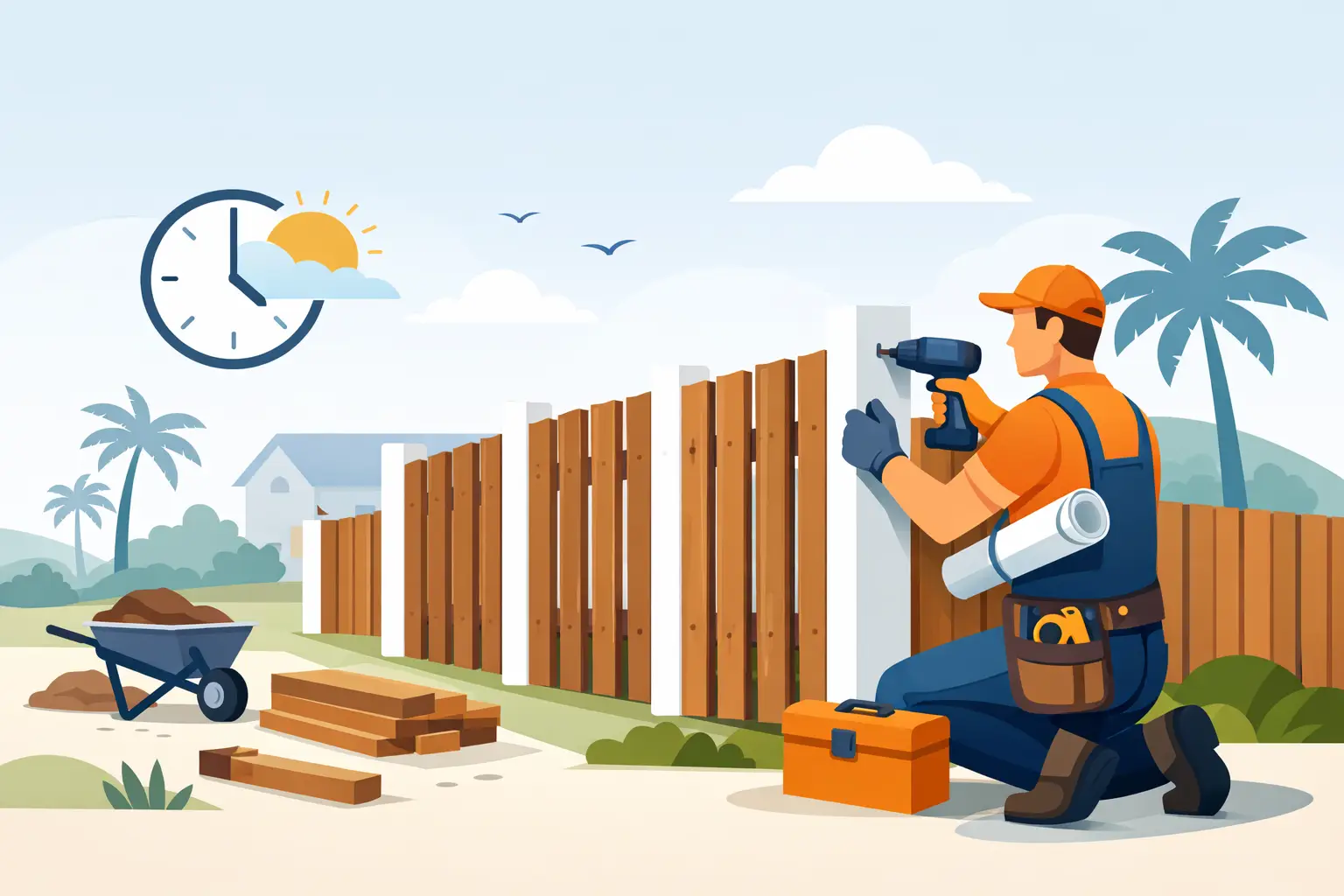
A new fence can make a backyard feel usable again – safer for children, more secure for pets, and more private from neighboring homes. But before choosing a style or color, most property owners want a clear answer to one question: how long does fence installation take?
For many Florida residential projects, the physical installation takes one to three days once materials, approvals, and permits are ready. The full project timeline can be longer because the work begins well before a crew sets the first post. HOA review, city or county permitting, material availability, utility locates, weather, and the size of the fence all affect the schedule.
The good news is that a well-managed fence project should not leave you guessing. A professional contractor can explain what happens before installation, what is happening behind the scenes, and when you can expect your yard to be complete.
How Long Does Fence Installation Take From Start to Finish?
A straightforward fence project without HOA or permit requirements may move from estimate to installation in as little as a few weeks, depending on the contractor’s schedule and material availability. Projects in managed communities or areas with local permitting requirements often take longer because approval timelines are outside the installer’s direct control.
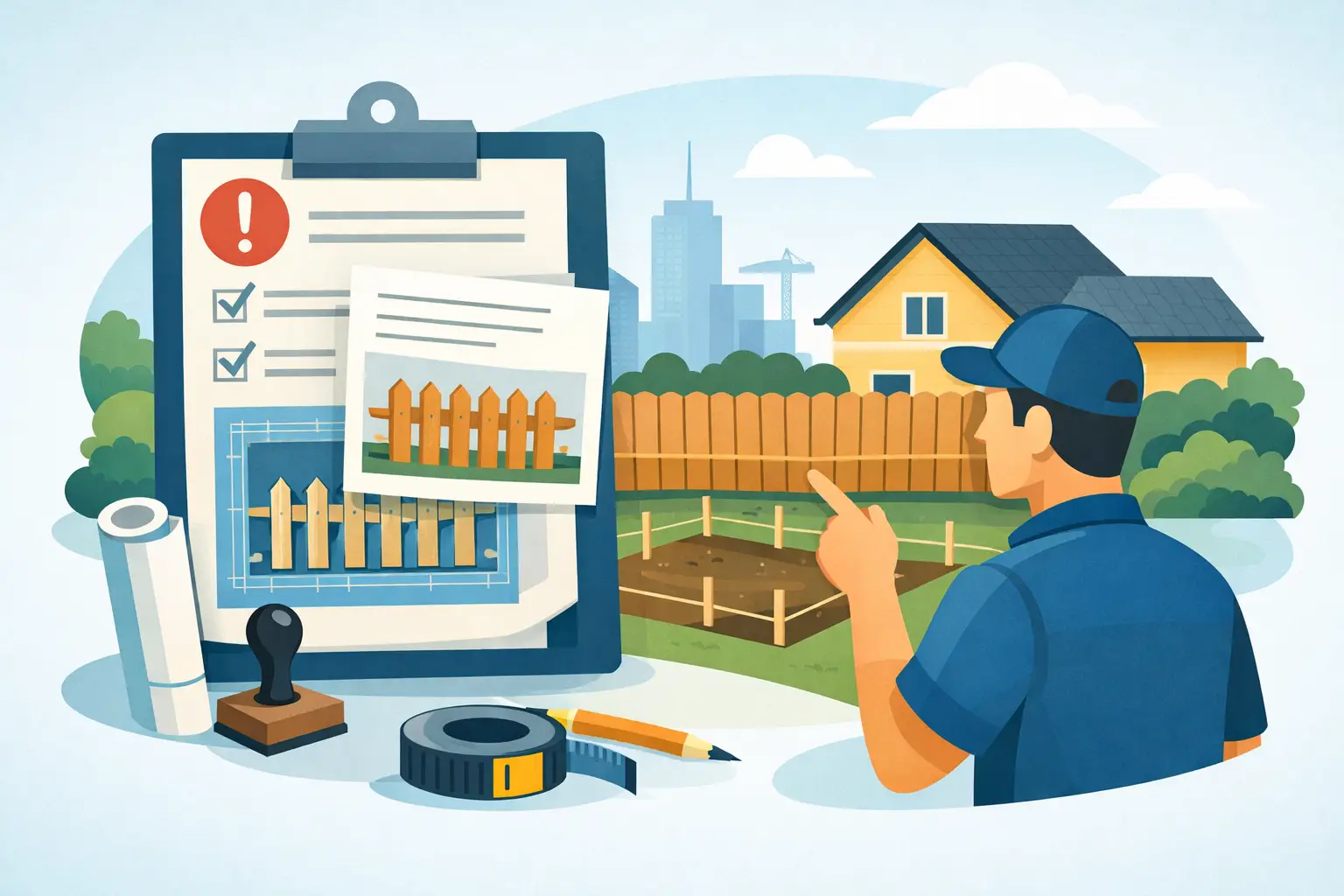
It helps to separate the process into two timelines: pre-installation planning and the on-site build. The on-site work is usually the short part. Confirming the fence layout, securing approvals, ordering materials, and coordinating required permits are often what determine the overall completion date.
For a typical backyard privacy fence, crews can often complete installation in one or two working days. Larger properties, multiple gates, custom layouts, difficult access, or commercial fencing may require several days or a phased schedule. If old fencing must be removed, that can add time as well.
What Happens Before the Installation Crew Arrives
The fastest projects begin with accurate information. At the estimate stage, the contractor measures the proposed fence line, discusses material options, identifies gates, and reviews access to the property. This is also the time to raise practical concerns, such as a pool enclosure, an existing retaining wall, landscaping along the property line, or a narrow side yard.
A clear agreement should identify the fence style, height, length, gate locations, price, and expected project timeline. When those details are settled early, there is less risk of last-minute changes that delay ordering or installation.
HOA approval can set the pace
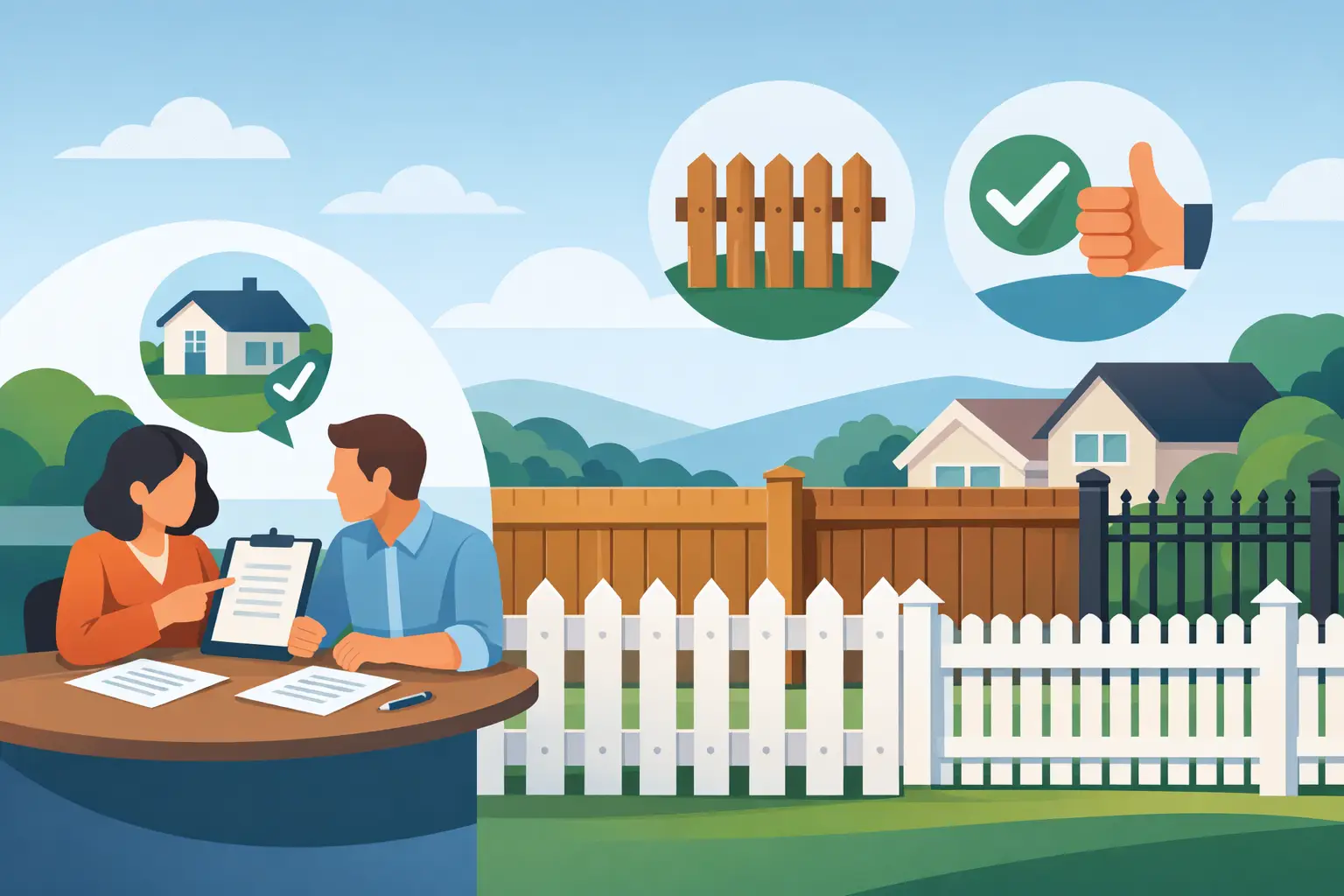
In many Central Florida communities, homeowners’ associations require approval before a fence can be installed. The HOA may have rules about fence height, materials, colors, placement, and which sides of the fence face outward. Some associations respond quickly, while others review requests only on scheduled meeting dates.
Submitting a complete package matters. Missing surveys, product details, color selections, or site plans can send an application back for revisions and add days or weeks. Homeowners should avoid ordering a fence based only on an assumption that the HOA will approve it. A contractor experienced with local communities can help organize the details needed for a cleaner submission.
Permits vary by location and fence design
Fence permit requirements are not identical across Florida. Your city, county, or municipality may have different rules based on fence height, location, zoning, pool safety requirements, drainage, or proximity to roads and easements. Corner lots and properties near water can involve additional restrictions.
A permit review may be quick, or it may take longer if an application needs corrections or supporting documents. Permit handling is one reason homeowners often choose an end-to-end contractor. Rather than trying to interpret local requirements alone, they have one team coordinating the administrative steps and keeping the project moving.
Surveys and utility locates prevent expensive delays
A fence should follow the correct property boundary, not a guessed boundary based on an old fence line or a neighbor’s landscaping. If you have a recent survey, provide it early in the process. If boundary markers are unclear, resolving that issue before installation is far easier than moving a completed fence later.
Utilities also need attention before digging. Underground cable, irrigation, electrical lines, and other services can affect post placement. Scheduling utility locates and identifying private lines helps protect your property, your crew, and the installation timeline.
How Material Choices Affect the Fence Timeline
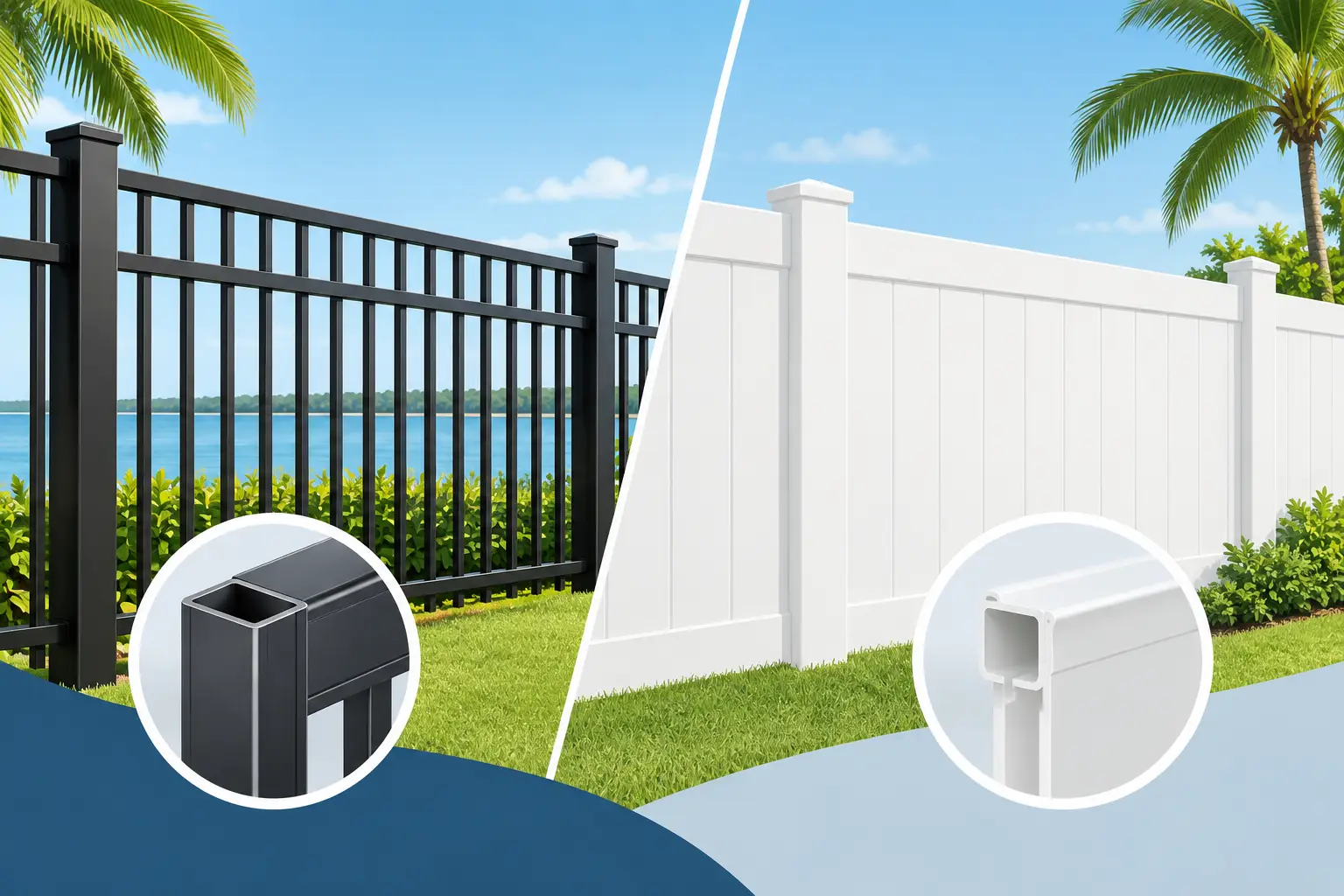
Aluminum, vinyl/PVC, and wood fences each have different planning and installation considerations. The best choice depends on the level of privacy, security, maintenance, appearance, and budget you want for the property.
Wood fencing is a popular privacy option and can be efficient to install when standard materials are available. However, a sloped yard, extensive trimming around trees, or a custom design can add labor. Wood also needs appropriate consideration for Florida’s heat, rain, and humidity.
Vinyl/PVC fencing provides a clean, low-maintenance appearance and is often selected for privacy and long-term durability. Because panels and components must match the approved style and color, ordering lead time can influence the schedule. A precise layout is especially important when working around gates, corners, and grade changes.
Aluminum fencing works well for pools, front yards, pets, and properties where visibility matters as much as security. It can follow a slope more naturally than some panel systems, but gate placement and pool-code requirements may require additional planning.
The material itself does not automatically determine whether a project will take one day or three. A simple, open aluminum fence on a level lot may install quickly, while a smaller vinyl fence with several gates and restricted access may take longer. The layout is often just as important as the material.
What Can Delay Fence Installation in Florida?
Florida weather is part of every construction schedule. Rain can soften the ground, fill post holes, and create unsafe working conditions. Lightning and severe storms can stop crews immediately. A reputable contractor will not rush an installation in unsafe conditions simply to meet a calendar date.
Access is another common issue. A crew may need room to bring materials through a side gate, around the home, or into a rear yard. Locked gates, parked vehicles, construction debris, overgrown vegetation, and delicate landscaping along the fence line can slow the work. Clearing personal items and discussing access before installation day helps the crew start promptly.
Last-minute changes are also a frequent source of delays. Moving a gate, changing a fence style, increasing the height, or adding another section after materials are ordered may require revised approvals, new materials, or a different installation plan. It is always better to ask questions during the estimate and agreement phase than after posts are already in the ground.
A Typical On-Site Fence Installation Schedule
On installation day, the crew generally confirms the layout, reviews gate locations, and marks the fence line before digging. Existing fence removal, when included, is usually handled first. Posts are then set in place, with crews accounting for grade, corners, gates, and the specific requirements of the chosen fencing system.
After the posts are properly placed, the crew installs rails, panels, pickets, or aluminum sections. Gates are fitted and adjusted so they open, close, and latch correctly. The final stage includes cleanup, a walkthrough, and confirmation that the finished fence matches the agreed-upon plan.
Concrete set time can affect the sequence of work. In some situations, crews set posts first and return to complete sections once the posts have cured sufficiently. This does not mean the project has gone wrong. It is a normal part of building a stable fence that will hold up over time.
For commercial properties, the same fundamentals apply, but scheduling may require added coordination. Businesses and property managers may need work completed around operating hours, tenant access, deliveries, parking areas, or security needs. Larger footage and access-control gates can also extend the field schedule. The right contractor will plan around those operational needs rather than treating them as an afterthought.
How to Help Your Fence Project Stay on Schedule
Property owners can make a meaningful difference in how smoothly a project moves. Share your survey and HOA documents early, make final material and gate decisions before ordering, and let the contractor know about irrigation, drainage concerns, pets, or access restrictions. If a neighbor shares the boundary, a respectful conversation before work begins can prevent confusion when the crew arrives.
It is also wise to ask what is included in the timeline. Does the estimate include old fence removal? Who handles permits and HOA documents? When will materials be ordered? What happens if weather interrupts the work? Clear answers are a sign that the contractor has a real process, not just an available install date.
Primo Fence helps homeowners, businesses, and property managers reduce the paperwork and scheduling friction that can hold up a fence project. From a free estimate through approvals, permits, and professional installation, the goal is a clear plan and a finished fence you can rely on.
If you are planning a fence for privacy, security, pets, or curb appeal, start early enough to allow for approvals and material coordination. A few prepared details at the beginning can turn installation day into the easy part of the project.


0 Comments