
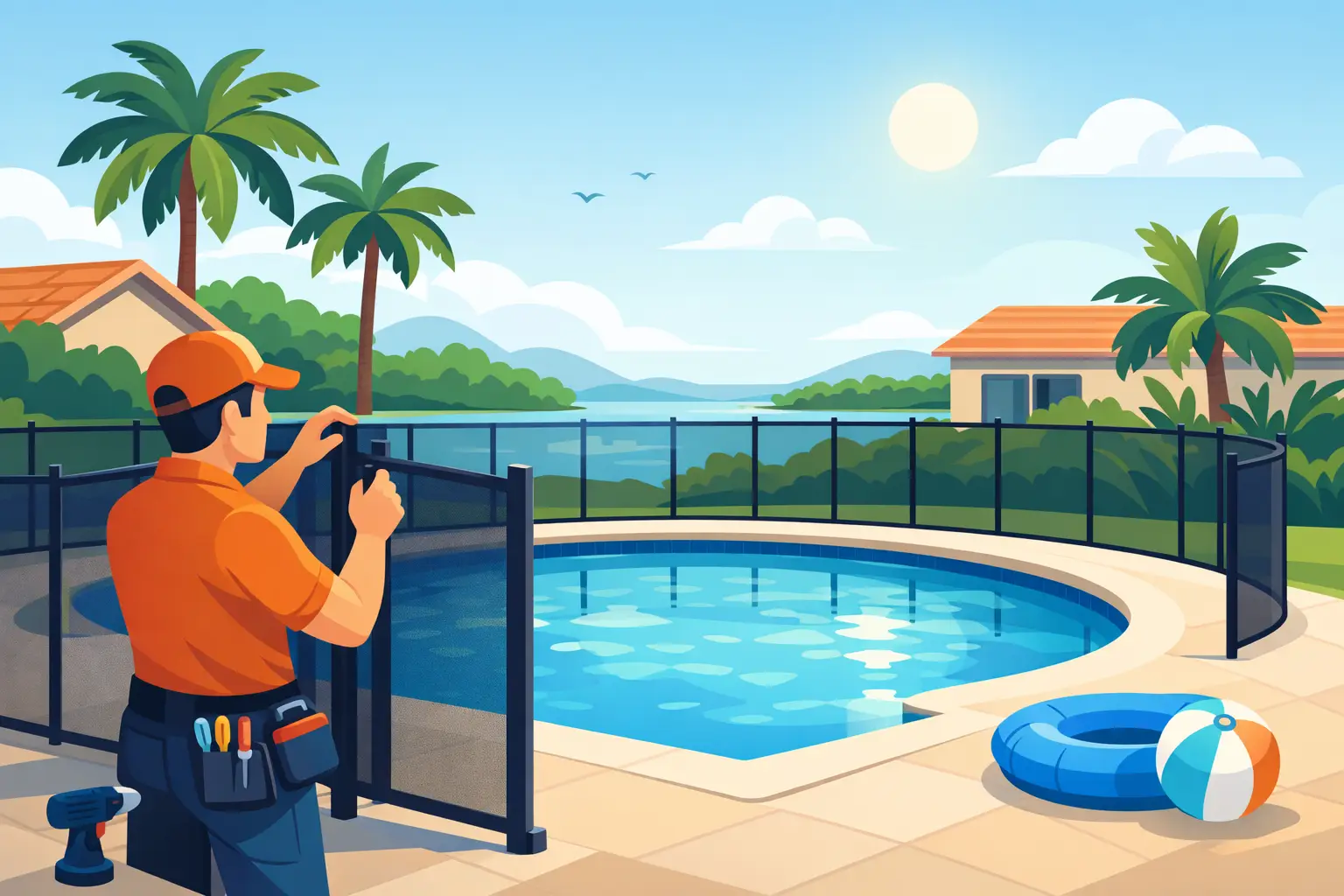
A pool can be the center of family life in Central Florida, but an open path from the house to the water creates a risk that should not be left to supervision alone. Pool safety fence installation creates a defined barrier between children, pets, visitors, and the pool area while preserving a backyard that feels welcoming and usable.
For most homeowners, the goal is straightforward: a safe enclosure that meets applicable requirements, looks appropriate for the property, and does not turn into a drawn-out project. The details matter, though. Fence height, gate operation, spacing, material, HOA standards, and permit requirements can all affect the final plan.
What a Pool Safety Fence Is Designed to Do
A pool safety fence is a protective barrier around a pool or the pool area. Its primary purpose is to limit unsupervised access, especially by young children. It should create a boundary that is difficult to climb, difficult to squeeze through, and secured with a self-closing, self-latching gate.
This is different from a standard privacy fence installed around the outside of a property. A perimeter fence may provide security and privacy, but it does not always separate the pool from the home, patio, or other areas where children may be playing. Depending on the layout and local requirements, a dedicated pool barrier may still be needed.
A properly planned enclosure also makes everyday pool ownership easier. You know where the access points are, guests have a clear entry route, and gates close behind them rather than being left open by accident.
Pool Safety Fence Installation Starts With the Layout
The right fence line depends on how your yard works. Some homeowners choose to enclose the entire pool deck, while others place the barrier farther out to include a patio, outdoor kitchen, or seating area. Neither approach is automatically better.
A tight enclosure around the water can provide a more direct safety boundary and may use less material. It can also reduce room for lounge chairs, grilling, or entertaining inside the gated area. A larger enclosure offers more usable space but may require longer fence runs, additional gates, and more thoughtful planning around doors, walkways, and landscaping.
Before selecting a material, consider how people actually move through the yard. Think about the route from the house to the pool, where service providers enter, whether pets use the area, and how pool equipment will be accessed. A fence that looks right on a simple site plan can become inconvenient if a gate blocks the only practical path for lawn care or equipment service.
Plan Gates Around Daily Use
The gate is the most important moving part of a pool barrier. It should be placed where adults can use it easily without creating an obvious shortcut around the enclosure. Gates generally need self-closing hinges and a self-latching mechanism, with the latch positioned to help prevent access by small children.
A single gate may be enough for a compact pool area. Larger backyards often benefit from a second access point for maintenance, landscaping, or emergency egress. More gates add convenience, but they also add cost and additional components that must be installed correctly and kept in working order.
Choosing the Right Pool Fence Material
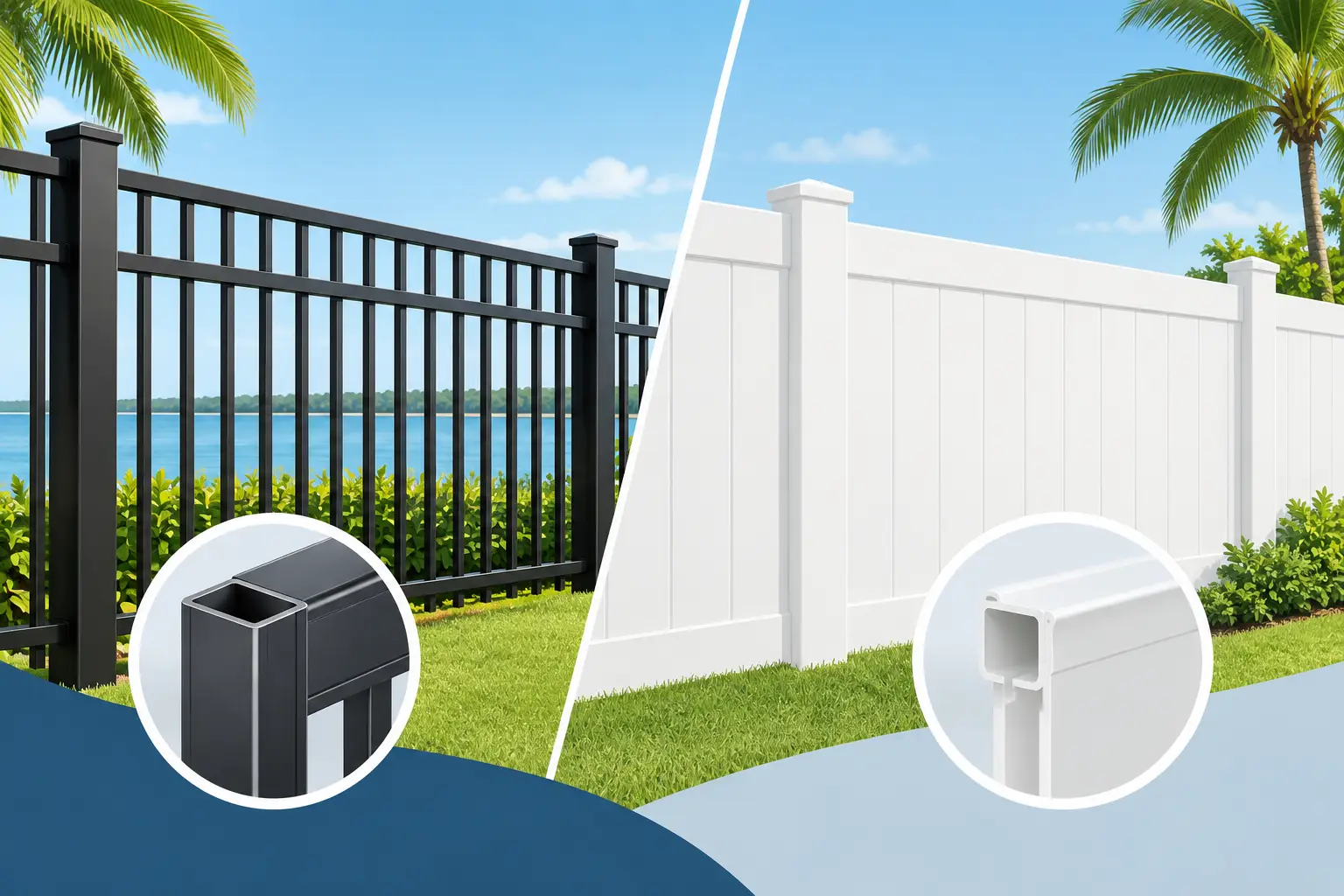
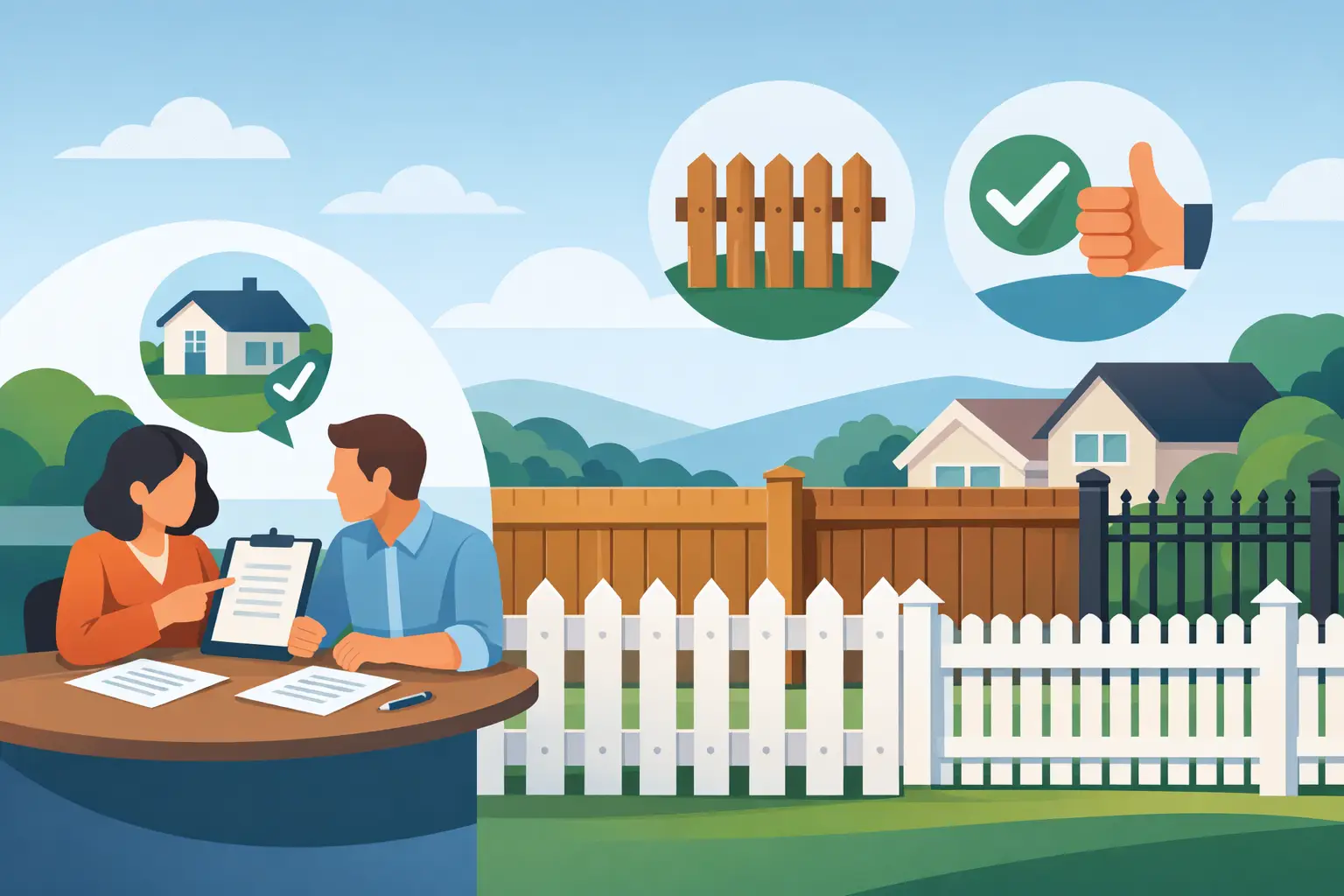
Material selection is usually a balance of visibility, privacy, maintenance, budget, and neighborhood style. For permanent residential pool enclosures, aluminum is often a practical choice in Florida because it provides an open view of the pool, resists rust, and works well with many architectural styles.
Aluminum fencing is especially appealing when homeowners want to watch children in the pool area from the patio, kitchen, or back windows. Its open picket design does not create the visual weight of a solid wall, and black aluminum can blend into landscaping and screen enclosures. The trade-off is privacy. If privacy from neighbors is the priority, an aluminum pool barrier may need to be paired with a separate vinyl or wood perimeter fence.
Vinyl or PVC fencing offers a clean, low-maintenance appearance and more privacy. It can be a good fit when the pool area needs screening from neighboring properties or a busy street. However, a solid privacy design is not always ideal immediately around the pool if you want unobstructed sightlines from the house. It may be better suited for the outer property boundary.
Wood fencing provides a traditional look and can be customized for many yards, but Florida heat, moisture, and storms require ongoing care. Wood may need sealing, staining, repairs, or eventual board replacement. For a pool barrier, the design must also avoid horizontal elements that could make climbing easier.
Removable mesh safety fencing is another option, particularly for families who want a barrier close to the pool that can be removed for an event or when children are older. It can be effective when professionally installed and maintained, but it does not provide the same long-term security, visual finish, or property-boundary function as a permanent aluminum, vinyl, or wood system.
Florida Requirements: Verify Before Building
Florida pool safety rules are designed to reduce the risk of accidental drowning, but requirements can vary based on the property, pool type, municipality, and whether an existing fence or screen enclosure is part of the safety plan. Local building departments may have standards for barrier height, openings, gate hardware, distance from the pool, and access from the home.
Do not assume an existing backyard fence automatically qualifies. A gate that does not self-close, excessive space below the fence, climbable features near the barrier, or a direct door from the home to the pool area can affect compliance. Pool alarms and door alarms may also be relevant depending on the approved safety method for the property.
HOA rules are a separate consideration. Your community may regulate fence material, color, height, location, and the placement of gates. A design that meets safety needs can still require architectural approval before work begins.
This is where an experienced local contractor saves time. Instead of asking a homeowner to interpret every form and determine the process alone, Primo Fence can help coordinate the estimate, planned fence design, HOA approval support, and permit handling when required. That means fewer last-minute changes after materials are selected or installation dates are discussed.
Avoid These Common Planning Mistakes
The most expensive fence issue is often not the material itself. It is having to change a completed plan because access, approval, drainage, or code details were overlooked. A few early decisions can prevent that frustration.
First, do not locate the fence without identifying pool equipment, drain paths, irrigation heads, and utility lines. A fence post installed in the wrong place can complicate service access or create an unnecessary obstacle around equipment.
Second, account for nearby furniture, planters, grills, storage boxes, and trees. Items placed near a barrier can become a climbing aid, even if the fence itself is built correctly. Landscaping should support the enclosure, not undermine it.
Third, avoid choosing a gate based only on appearance. Gate width, swing direction, latch location, and automatic closing action all affect daily safety and convenience. A gate that sticks or closes too aggressively will frustrate users and may be propped open, defeating its purpose.
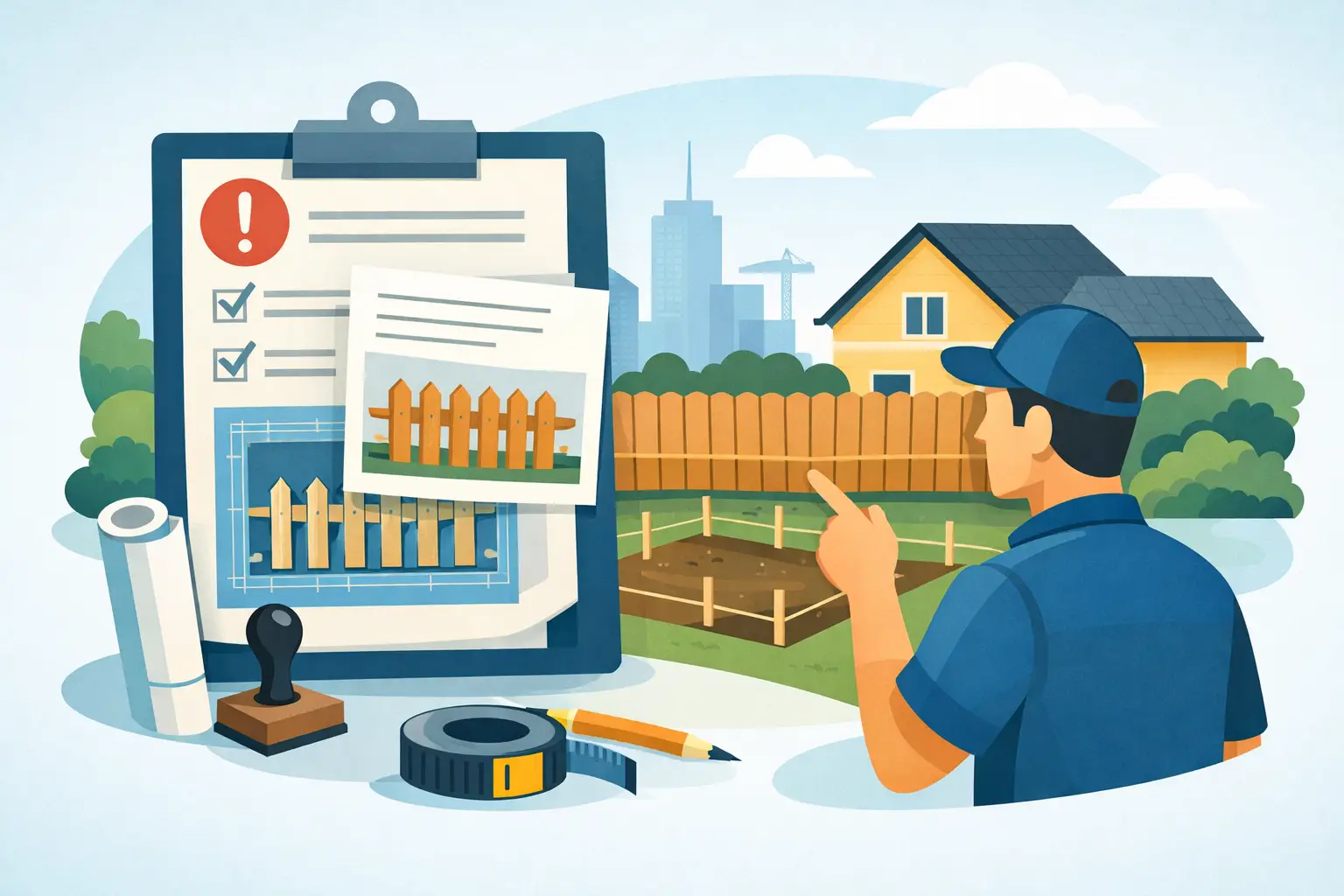
Finally, do not wait until installation week to ask about HOA approval or permitting. Administrative delays are common in Florida communities, especially when fence placement differs from the original property boundary. Starting the review early keeps the project timeline clear.
What to Expect From a Professional Installation
A dependable installation process begins with an on-site assessment, not a generic price based on yard size alone. The installer should measure the proposed fence line, review grade changes, note existing structures, discuss gate locations, and ask how the pool area will be used.
After the estimate, you should receive a clear agreement describing the selected material, height, layout, gates, pricing, and expected project timeline. If HOA approval or permits apply, those steps should be addressed before installation is scheduled whenever possible.
On installation day, the crew sets posts, aligns panels, installs gates and hardware, and checks the operation of every access point. The finished fence should look intentional from both sides, follow the agreed layout, and give you confidence that the pool area has a dependable barrier.
A pool fence is not a replacement for adult supervision, swimming lessons, or safe pool habits. It is one of the most reliable layers of protection you can add to a Florida backyard. Start with a layout that fits your family, confirm the local requirements early, and choose an installer who treats safety details and project paperwork with the same care as the finished fence.


0 Comments