
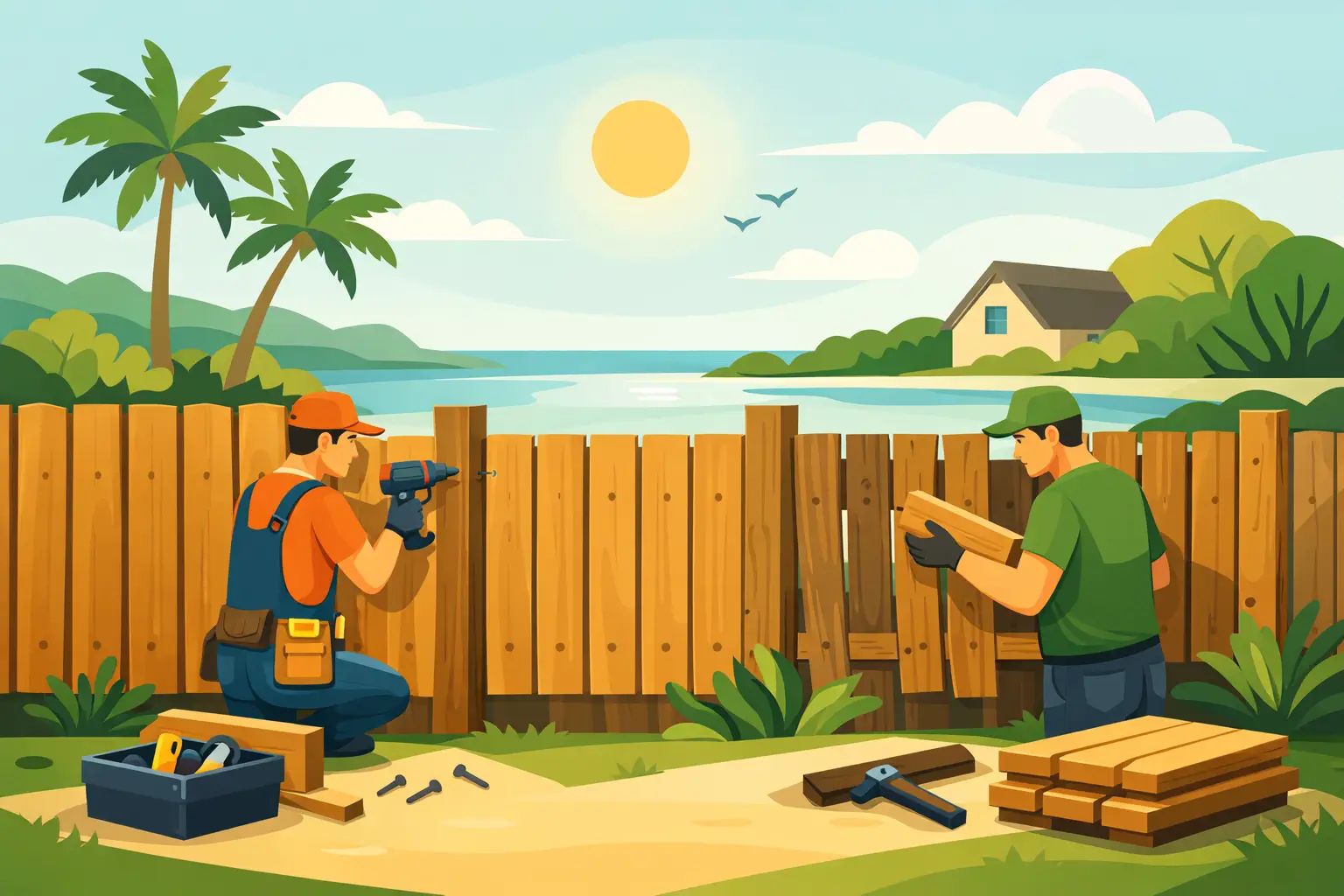
A wood fence can make a Central Florida property feel finished quickly. It creates privacy around a pool or patio, gives children and pets a defined place to play, and adds a warm, traditional look that works with many home styles. But wood fence installation and repair should account for more than the look you want on day one. Florida sun, humidity, heavy rain, sandy soil, HOA rules, and local permitting can all affect the final result.
For homeowners, businesses, and property managers, the best fence project begins with a clear plan. That means confirming the property line, choosing a wood style that fits the job, understanding approval requirements, and making sure the installation is built for local conditions.
Start With the Job Your Fence Needs to Do
The right wood fence depends on how you use the property. A backyard privacy fence has different priorities than a decorative front boundary or a commercial enclosure. Before choosing a height or style, consider what needs to happen on both sides of the fence.
A solid board-on-board or stockade-style fence is a common choice when privacy is the goal. It can block views from neighboring yards and define outdoor living areas. Board-on-board construction also leaves less visibility through the fence as boards naturally expand and contract with changing weather.
A shadowbox fence offers a more open appearance while still providing meaningful privacy. Because the boards alternate on each side of the rails, it looks finished from both properties and allows airflow. That can be a practical advantage in Florida, where wind and moisture are regular considerations.
Picket and ranch rail styles serve a different purpose. They can establish a boundary, improve curb appeal, or help guide foot traffic without closing off the entire view. For families with pets, however, the spacing between boards and the gap below the fence need careful attention. A fence that looks attractive but leaves room for a small dog to slip underneath is not doing its job.
Fence height also depends on the purpose, local regulations, and HOA standards. A taller privacy fence may be appropriate behind a home, while front-yard fencing often has stricter height and visibility limits. A professional estimate should address those details before materials are ordered.
What Wood Fence Installation Involves
A dependable installation is not simply a row of posts and panels. It starts with measuring the site, identifying gates, noting slopes and drainage patterns, and reviewing obstacles such as trees, utility boxes, irrigation lines, pool equipment, or existing structures.
The property line should be confirmed before work begins. A fence installed a few inches onto a neighbor’s property can turn a straightforward improvement into an expensive dispute. If survey markers are unclear, it is worth resolving that question early rather than hoping the existing fence is in the correct location.
After the layout is established, posts are set at appropriate spacing and depth for the fence design and site conditions. Consistent post placement supports straighter rails, cleaner lines, and gates that operate properly. Gate posts deserve particular attention because they carry more weight and repeated movement than the rest of the fence.
The rails and pickets come next, followed by gates, hardware, and finishing details. A good crew checks alignment throughout the job instead of trying to correct problems at the end. This is especially noticeable on long fence runs and sloped yards, where small inconsistencies can become very visible.
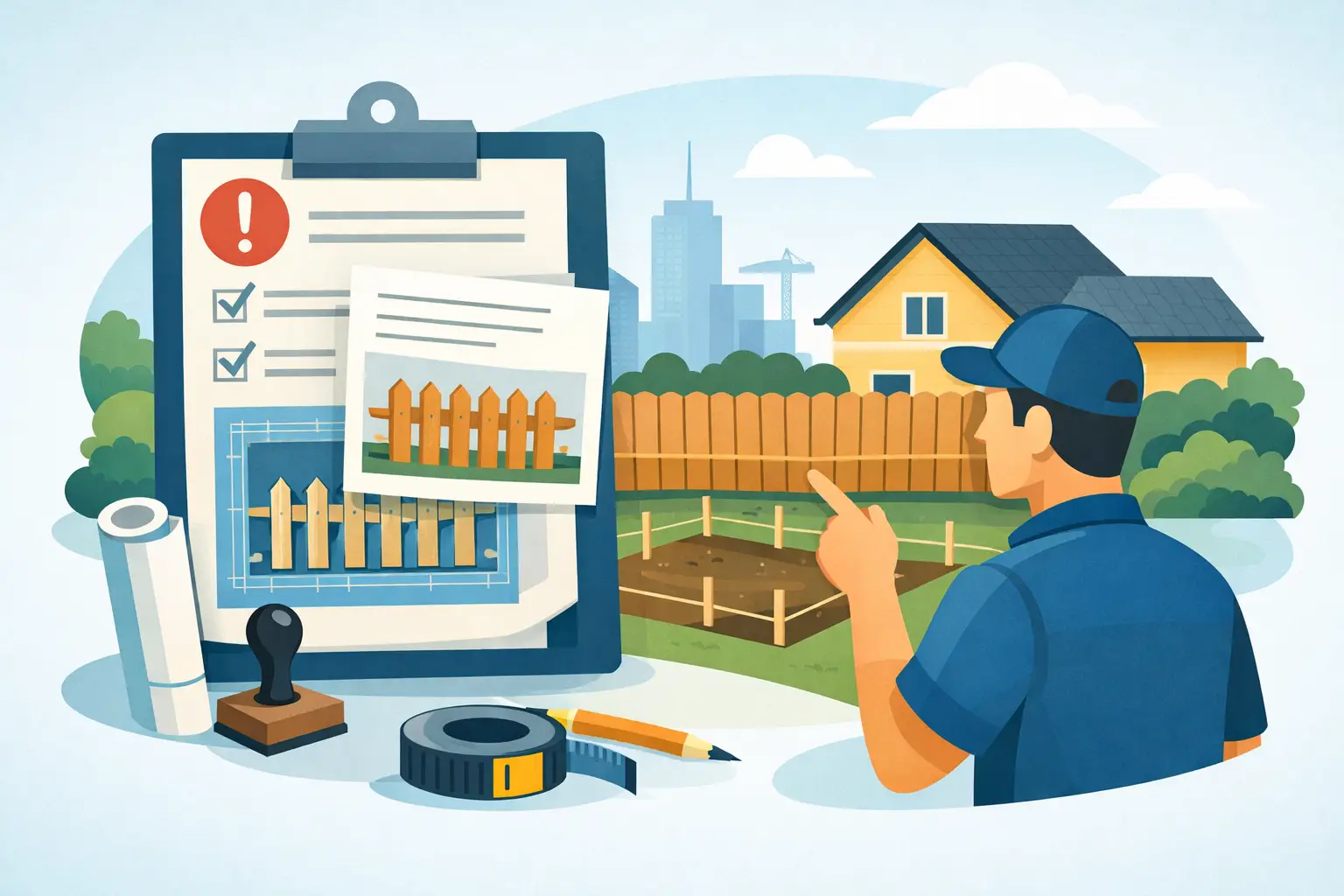
For many Central Florida properties, the paperwork is as important as the field work. Some municipalities require permits, and many planned communities require HOA approval before installation. Requirements may address fence height, material, color, placement, and gate location. Starting construction before approval can lead to delays, fines, or a request to remove and replace work that has already been completed.
That is why Primo Fence helps customers move from an estimate to a clear agreement, approval support, permit handling when required, and completed installation. When one contractor manages the process, homeowners have fewer handoffs and fewer unanswered questions.
Choosing Wood That Holds Up in Florida
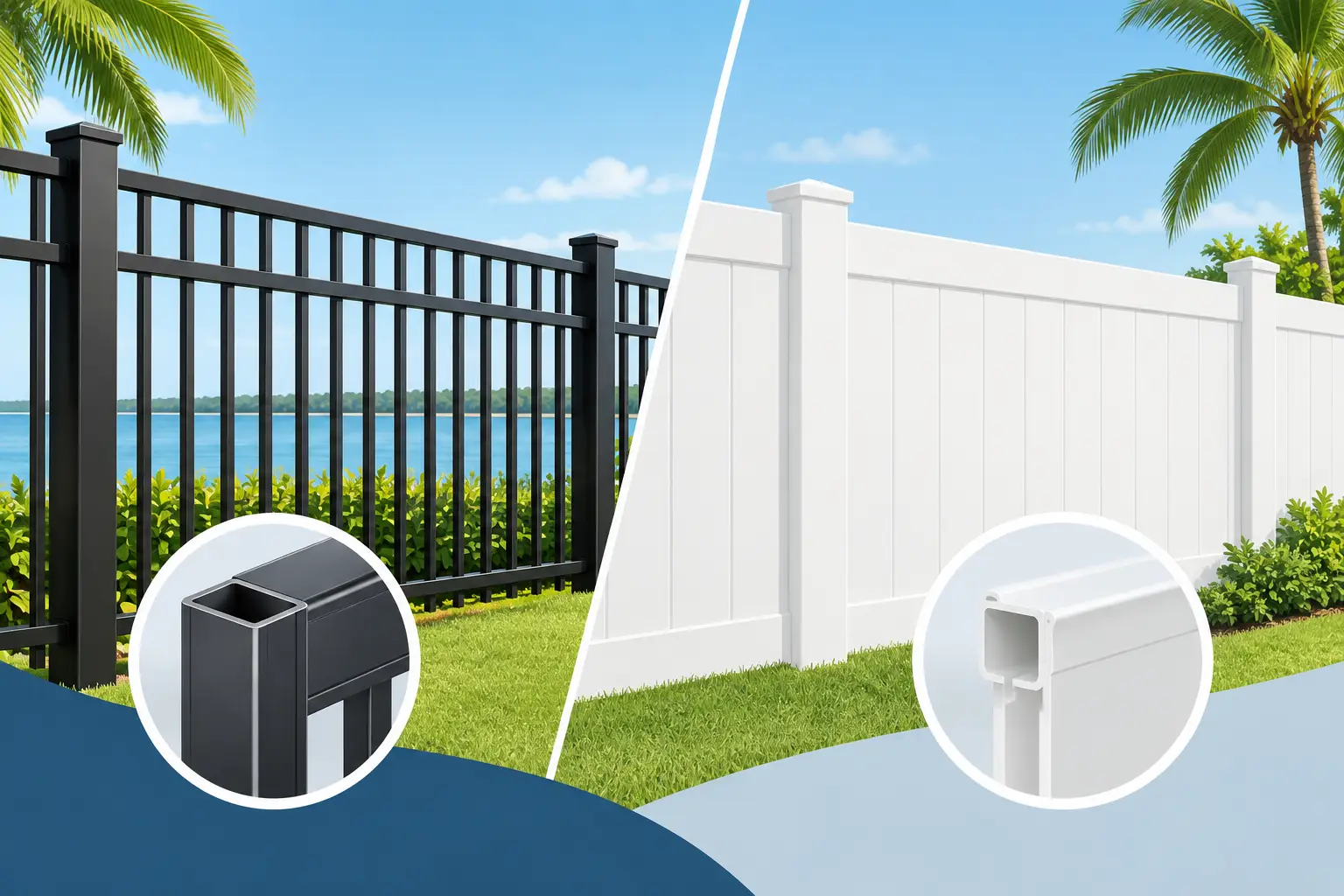
Wood has natural character that vinyl and aluminum do not replicate, but it also needs more ongoing care. The trade-off is straightforward: wood can be a cost-conscious, attractive fencing choice, but it needs a maintenance plan if you want it to stay straight, secure, and appealing.
Pressure-treated pine is widely used for residential wood fencing because it is available, practical, and treated to resist decay and insects. The quality of installation still matters. Posts need proper support, boards should not remain in standing water, and the fence should be allowed to dry before certain stains or sealers are applied.
Cedar is valued for its appearance and natural resistance to insects, though it often comes at a higher material cost. It can be an excellent choice for homeowners who prioritize a more distinctive look. The best option depends on budget, desired finish, expected maintenance, and how exposed the fence will be to sprinkler overspray and direct sunlight.
No wood species is maintenance-free in Florida. Rain, UV exposure, heat, and lawn irrigation can fade boards, encourage mildew, and gradually loosen fasteners. A wood fence should be inspected at least once a year and after major storms.
When Wood Fence Repair Makes More Sense Than Replacement
Not every aging fence needs to be replaced. Targeted repair can be the practical answer when the overall structure is stable and the damage is limited to a few boards, rails, or hardware components.
Loose or missing pickets, a sagging gate, damaged rails, and minor leaning can often be corrected without rebuilding the full fence line. Replacing damaged boards can restore privacy quickly, while gate adjustments can improve safety and everyday convenience.
Replacement is usually the better value when posts are rotting at ground level, multiple sections lean in different directions, or storm damage has affected a large portion of the fence. Repeated small repairs can add up if the underlying structure has reached the end of its useful life. An honest assessment should distinguish between a fence that needs attention and a fence that has become unreliable.
Watch for signs that should not wait: movement at the posts, gates that will not latch, exposed nails or screws, boards that are badly split, and areas where a pet or child could get through. On commercial properties, damaged fencing can also create a security concern and leave a poor impression on tenants, customers, or visitors.
Simple Maintenance That Protects Your Investment
Wood fences benefit from steady, uncomplicated care. Keep soil and mulch from building up against the boards, trim vegetation that holds moisture against the fence, and make sure sprinklers are not soaking one section every day. Cleaning mildew early is easier than dealing with long-term staining and surface deterioration.
Sealing or staining on an appropriate schedule helps reduce moisture absorption and sun damage. The timing depends on the wood, the product used, and local weather conditions, so a contractor or coating manufacturer can help determine when the fence is ready. Avoid applying finishes to wood that is still too wet from recent installation or rain.
After a hurricane or severe thunderstorm, walk the fence line and inspect gates, posts, rails, and fasteners. Catching a loose rail or shifted post early may prevent a larger repair later. If a branch has fallen on the fence, take photos before removing anything if you may need insurance documentation.
Make the Project Easier From the First Estimate
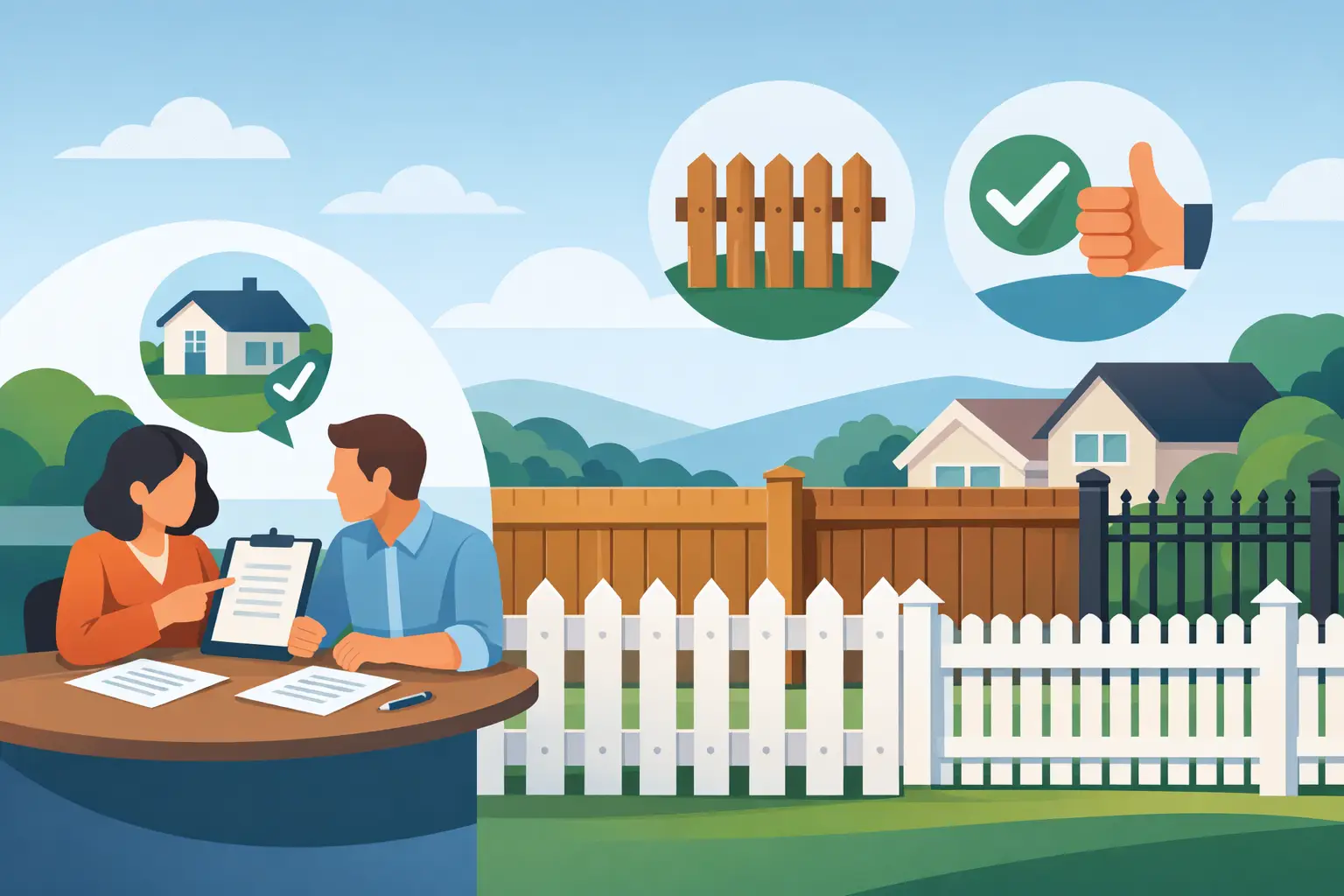
A smooth fence project is built on clear information. During an estimate, share your goals for privacy, security, pets, appearance, or access. Point out known property-line concerns, HOA requirements, drainage issues, and places where you need gates. If you have a survey or community guidelines, having them available can prevent avoidable back-and-forth.
Ask for a clear scope of work that identifies the fence style, approximate height, gate locations, removal of an old fence if needed, permit responsibilities, and expected timeline. Transparent pricing should make it easy to understand what is included before the crew arrives.
A wood fence should feel like an improvement, not another project to manage. With the right planning, sound installation, and timely repairs, it can provide privacy, security, and a welcoming boundary for years to come.


0 Comments