
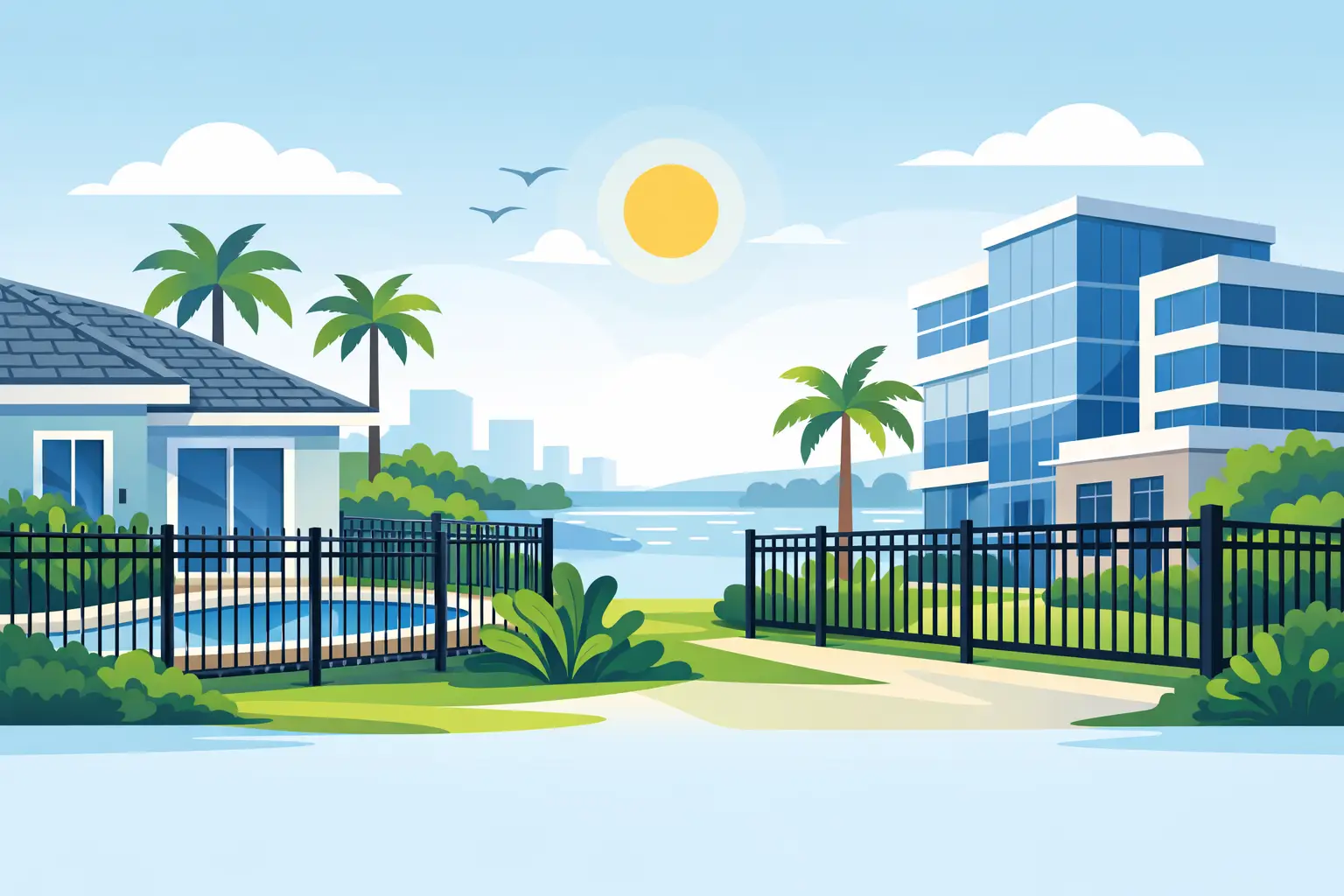
A pool enclosure should feel open, not boxed in. A front-yard boundary should add definition without hiding a well-kept home. And a commercial perimeter should look professional while doing its job every day. That is where aluminum fencing earns its place for many Florida property owners.
It offers the traditional appearance of ornamental iron without iron’s tendency to rust, peel, and demand regular repainting in humid conditions. For homeowners, that can mean a clean-looking fence around a pool, backyard, driveway, or front yard. For businesses and property managers, it can provide a durable, polished perimeter that is practical to maintain.
The right fence still depends on the property, the purpose, local rules, and the level of privacy you need. Aluminum is an excellent choice in many situations, but it is not intended to do the same job as a full privacy fence. Understanding that difference makes the decision much easier.
Why Aluminum Fencing Works Well in Florida
Florida weather puts every outdoor material to the test. Heavy rain, strong sun, humidity, and irrigation exposure can quickly reveal weak finishes and poorly installed components. Quality aluminum fencing is built to resist corrosion, and its factory-applied powder coating helps it keep a consistent color with far less upkeep than traditional wrought iron.
The material is also lightweight without looking flimsy. That helps installers work efficiently, particularly on larger properties, while the finished fence still provides a firm, secure boundary. Aluminum panels are commonly available in black, bronze, white, and other colors, although black remains a popular choice for its classic appearance and its ability to blend into landscaping.
For sloped yards, aluminum has another practical advantage. Many panel styles can rack, meaning the pickets adjust to follow the grade rather than creating large gaps under the fence. This is especially helpful around uneven backyard lines, drainage areas, and lots that are not perfectly level.
Where It Makes the Most Sense
Aluminum fencing is often selected for pool areas because it preserves sightlines. Parents can see into the pool area, and the yard still feels open. It is also a strong option for pet enclosures, provided the picket spacing and fence height suit the size and behavior of the animal.
Homeowners also use it along front property lines, driveways, garden areas, and lake-facing yards where a solid fence would block a view. On commercial sites, aluminum can work well around office buildings, multifamily communities, entry features, equipment areas, and common spaces that need a more refined look than chain link.
Aluminum Fencing vs. Privacy Fencing
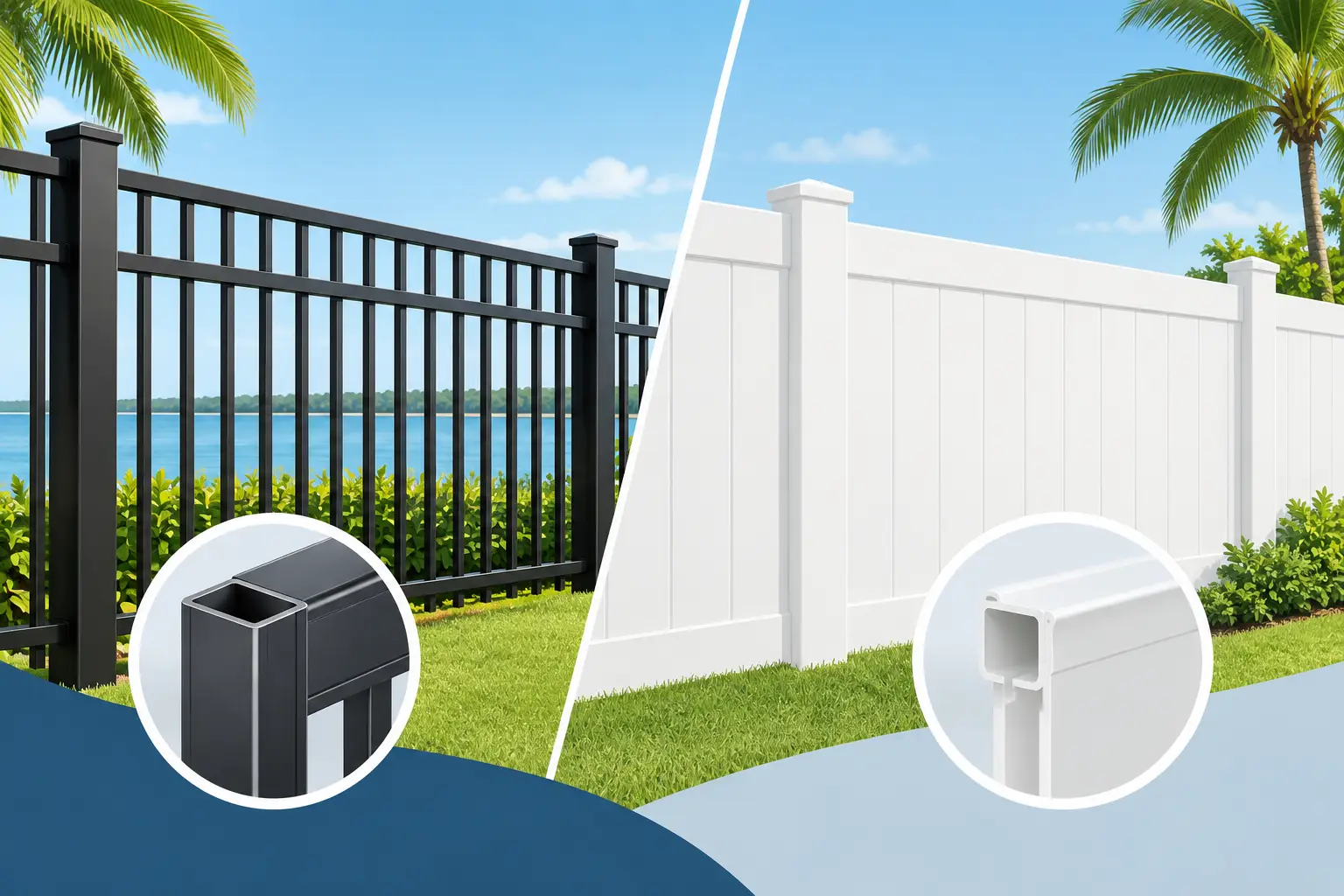
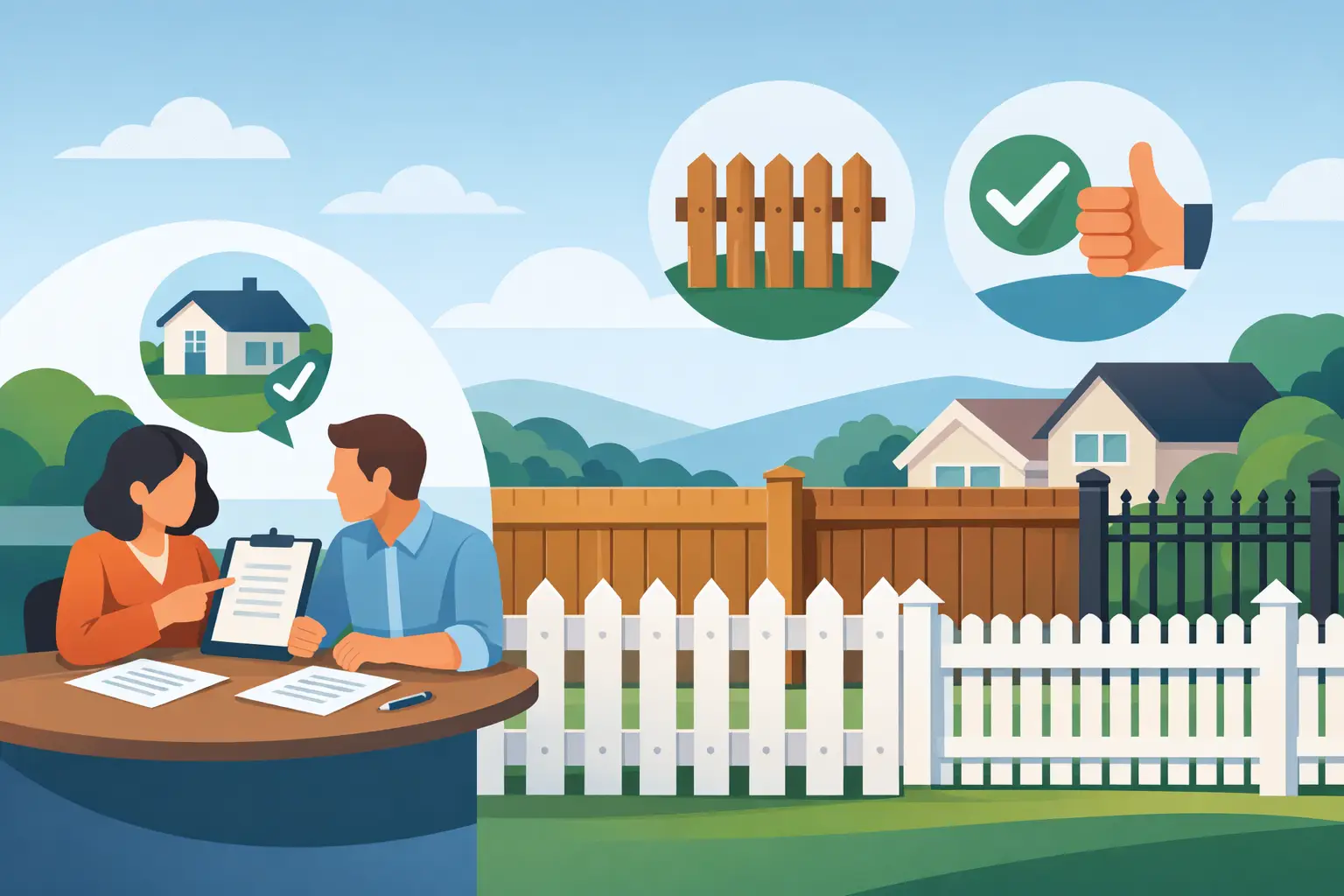
The main trade-off is simple: aluminum fencing provides visibility, while vinyl and wood privacy fences provide screening. If your top priority is keeping neighbors from seeing into a patio, hot tub, or backyard, a solid vinyl/PVC or wood fence may be a better fit.
If security, curb appeal, airflow, and visibility matter more, aluminum is often the stronger choice. It creates a clear property boundary without making a smaller yard feel enclosed. It can also complement a privacy fence rather than replace it entirely. Some homeowners install privacy fencing on the sides and rear of a yard, then use aluminum fencing across the front or around a pool.
Noise is another consideration. An open-picket aluminum fence will not significantly reduce street noise. A solid privacy fence may soften sound somewhat, though no typical residential fence will fully block it. The best material is the one that addresses the actual problem on your property instead of trying to solve every possible concern with one design.
Choosing the Right Height, Style, and Gate
A fence is not just a line of panels. Its height, picket design, gates, posts, and layout all affect how it looks and performs. Most residential aluminum fences are selected in heights that match the application, such as a lower decorative front-yard fence or a taller enclosure for a pool or pet area. Local codes, pool requirements, HOA rules, and site conditions can all influence what is allowed.
Pool fencing deserves extra attention. Florida pool barrier requirements can involve minimum heights, self-closing and self-latching gates, latch placement, clearance limits, and other safety details. A fence may look right and still fail inspection if the gate hardware or spacing does not meet the applicable requirements. Planning the enclosure correctly before installation avoids expensive adjustments later.
Gate placement matters just as much. Think about how people, lawn equipment, pool service professionals, and pets will move through the area. A gate that is too narrow can become an everyday frustration. A gate placed at the wrong corner may force unnecessary trips around the house. During an estimate, a professional should ask how you use the property, not simply measure the perimeter.
For a more decorative look, homeowners may prefer arched tops, finials, or a style with a stronger top rail. For a cleaner, contemporary appearance, a flat-top design is usually the better choice. Commercial properties may benefit from taller panels, more controlled access points, or a design that coordinates with existing architecture.
What Affects Aluminum Fence Pricing?
The linear footage is a major pricing factor, but it is not the only one. Two properties with the same amount of fence can require very different scopes of work. Corners, gates, slopes, access limitations, old fence removal, concrete work, and permit requirements all influence the final price.
Material grade also matters. A lower-cost system may be appropriate for a simple decorative boundary, while a heavier-duty option may make more sense for a commercial site, a busy gate area, or a property where durability is the first priority. The lowest quote is not always the lowest long-term cost if it leaves out necessary site work, uses undersized components, or does not account for approval requirements.
A clear agreement should identify the fence style, height, color, gate locations, approximate project timeline, and what is included in the installation. That level of detail protects the customer and keeps expectations straightforward from the beginning.
The Paperwork Can Shape the Project
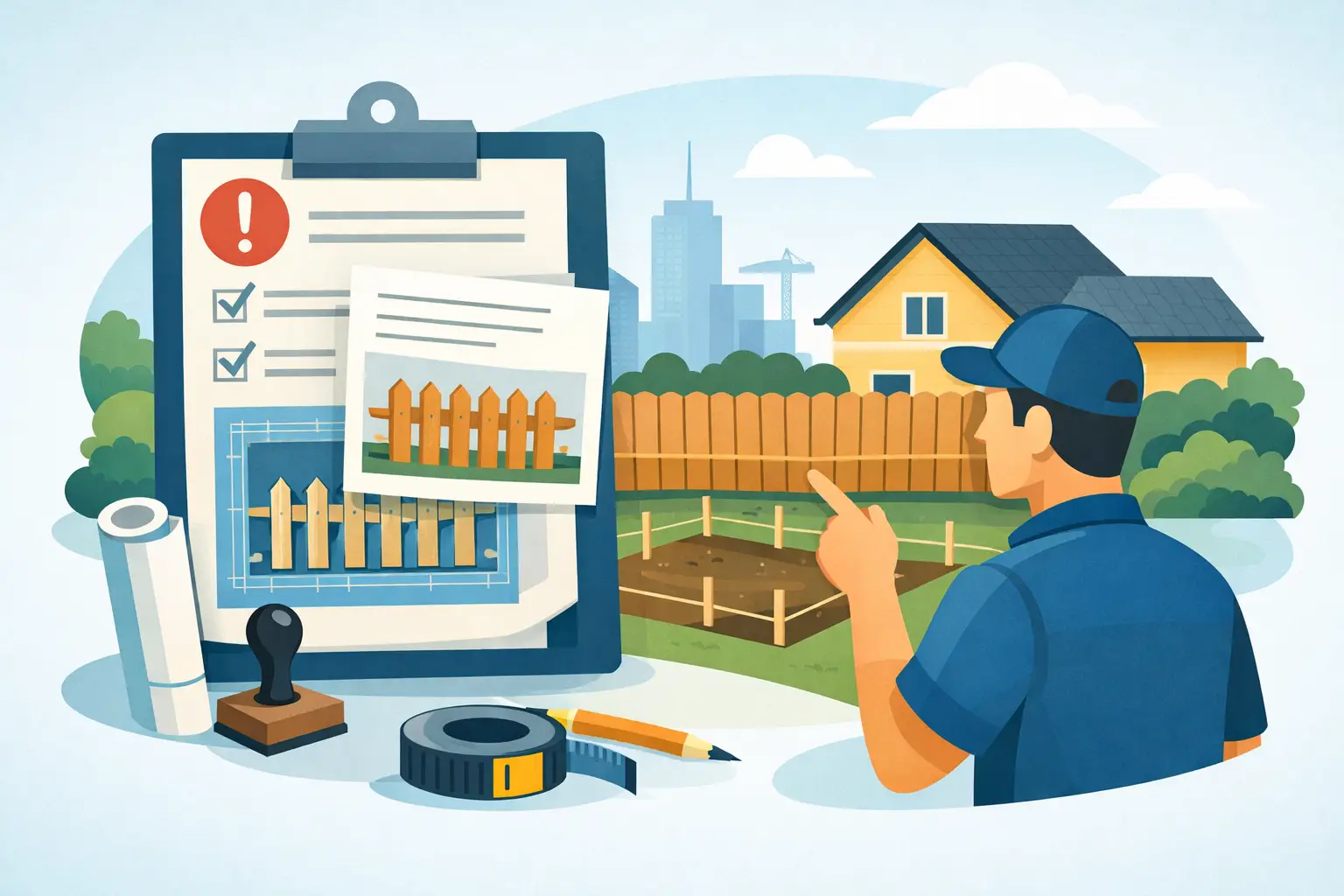
In Central Florida communities, HOA approval and permitting can be as important as the fence selection itself. Many HOAs have specific rules about approved colors, heights, styles, placement, and whether the fence must align with neighboring properties. Municipal or county requirements may address setbacks, pool barriers, property lines, and permits.
Starting installation before those items are resolved can create delays, violations, or the possibility of changing completed work. It is better to confirm the design and paperwork early, especially when the property is in a managed community or when the fence surrounds a pool.
This is one reason homeowners value a contractor that handles more than the installation day. Primo Fence helps customers move from a free estimate to a clear agreement, HOA approval support, permit handling when required, and professional installation. The goal is to keep the project moving without asking the property owner to chase paperwork or guess at the next step.
Getting a Better Result From Installation
Even high-quality aluminum fencing depends on correct installation. Posts need proper spacing, depth, alignment, and concrete support. Gates need to swing freely and latch reliably. Panels should follow the property layout without awkward gaps, unnecessary stair-steps, or shortcuts around changing grades.
Before work begins, confirm the boundary. A fence company can install along the requested line, but it cannot replace a survey when the property line is uncertain or disputed. This is particularly important near shared driveways, established landscaping, easements, and neighboring fences that may not sit on the true boundary.
You should also discuss underground utilities, irrigation lines, landscaping, and access to the work area. A little preparation can prevent damage and help the installation crew complete the work efficiently. If an existing fence is being removed, clarify whether hauling and disposal are included.
After installation, aluminum fencing is refreshingly simple to care for. Periodically rinse off dirt, grass clippings, and sprinkler residue with a garden hose. Check gates and latches from time to time, especially around pool areas. If landscaping grows tightly through the pickets, trim it back so the fence remains accessible and visually clean.
A well-planned aluminum fence can make a property feel finished the moment it is installed. Start with what you need the boundary to do, then choose a design and installation plan that fits your home, your rules, and the way you live outside.


0 Comments